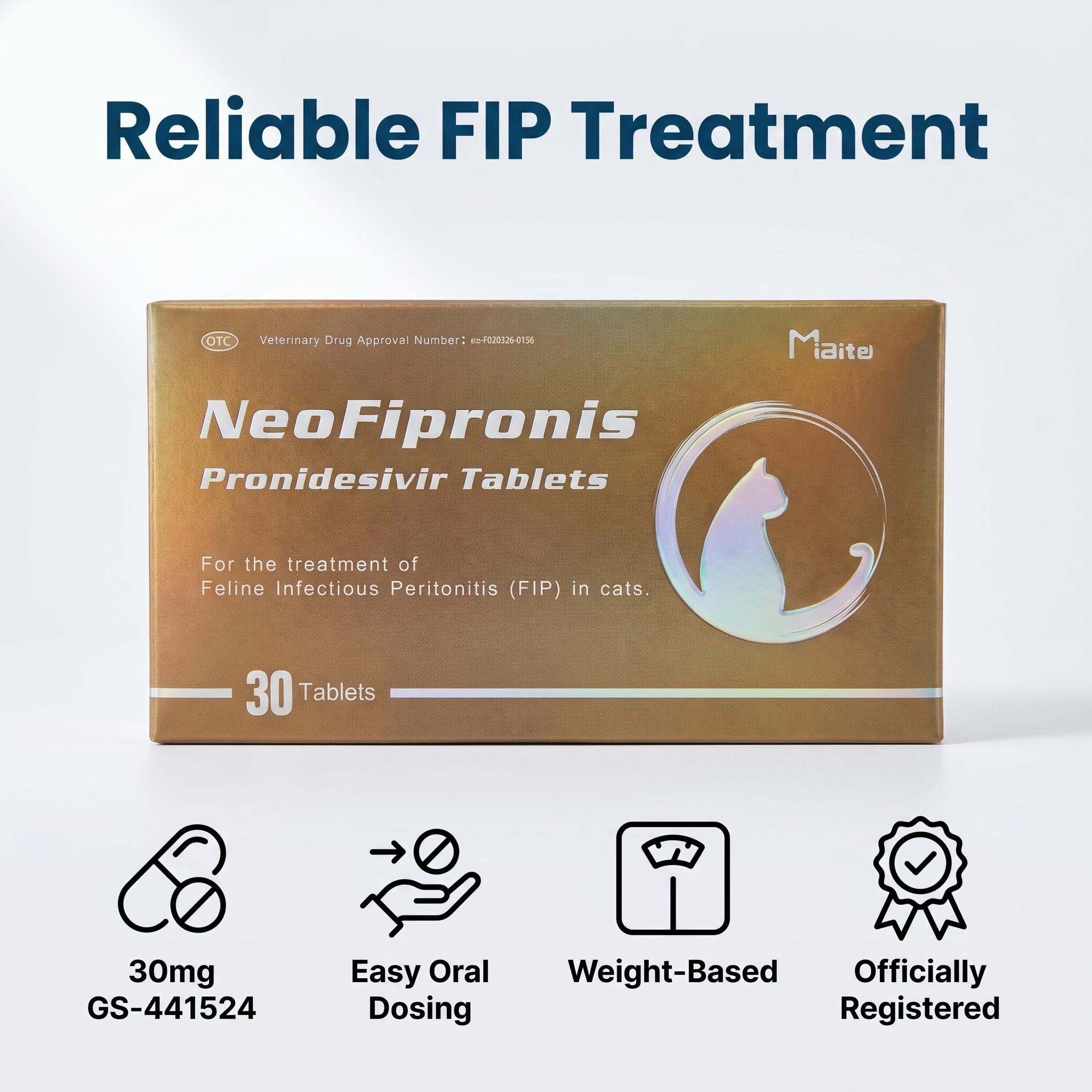
GS-441524 Officially Approved for Market, Bringing New Hope for the Treatment of Feline Infectious Peritonitis (FIP)
Recent developments in veterinary medicine have marked an important step forward in the management of feline infectious peritonitis (FIP). The Ministry of Agriculture and Forestry in Laos, through its Department of Livestock and Fisheries, has granted market authorization for GS-441524 (generic name: Pronidesivir, brand name: NeoFipronis®), an oral antiviral formulation intended for veterinary use.
This regulatory milestone represents a transition toward more standardized and transparent access pathways for FIP-related treatment options, particularly within Southeast Asia.
From Unregulated Use to Formal Authorization
GS-441524, a nucleoside analog originally studied for antiviral applications, has attracted significant attention in recent years due to its role in experimental and clinical settings involving FIP. Prior to formal approvals in certain regions, access to GS-441524-based products was often limited and inconsistent, raising concerns regarding product quality, dosing reliability, and safety.
The authorization of NeoFipronis® in Laos introduces a regulated framework for manufacturing, quality control, and distribution, helping to reduce risks associated with unverified sources.
Scientific Basis and Clinical Considerations
GS-441524 functions by inhibiting viral RNA-dependent RNA polymerase, thereby interfering with viral replication processes. Clinical observations and ongoing research have suggested its relevance in managing different forms of FIP, including effusive (wet), non-effusive (dry), and other clinical presentations.
The approved formulation of NeoFipronis® is presented as an oral dosage form, designed to support consistent administration and improved handling in veterinary practice. As with all veterinary treatments, use should be guided by qualified professionals and tailored to individual cases.
Regional Approval and Global Context
While regulatory pathways for GS-441524-based therapies continue to evolve globally, the decision by Lao authorities may contribute to increased attention from other jurisdictions. It highlights a growing recognition of the need for regulated antiviral options in companion animal medicine.
However, availability, regulatory status, and approved indications may vary significantly by country, and compliance with local laws remains essential.
Market Implications and Industry Outlook
The introduction of an officially authorized GS-441524 product may influence the broader veterinary pharmaceutical landscape, particularly in Asia. It may also encourage further research, development, and regulatory engagement in the field of antiviral therapies for companion animals.
Industry observers anticipate continued growth in the demand for standardized, quality-assured veterinary treatments addressing complex viral diseases.
Responsible Use and Safety Considerations
Veterinary professionals emphasize that antiviral therapies should be obtained through authorized channels to ensure product quality and traceability. Unverified products may present risks, including inconsistent composition, inaccurate dosing, or contamination.
Responsible use under professional guidance remains essential to ensure safety and appropriate treatment outcomes.
Conclusion
The market authorization of NeoFipronis® (Pronidesivir) in Laos represents a notable development in the evolving landscape of FIP-related treatment approaches. As regulatory frameworks and clinical evidence continue to advance, such milestones may contribute to more structured and transparent options for veterinary care worldwide.