Is Reluctance to Move a Possible Symptom of FIP
Feline Infectious Peritonitis (FIP) is a devastating disease affecting cats worldwide, especially young cats or those in multi-cat environments. This article explores whether reluctance to move is a symptom of FIP, describes its clinical context, compares it with other feline illnesses, and covers the mechanisms behind movement aversion in FIP-positive cats. The text aims to offer veterinarians, cat owners, and animal health professionals an in-depth, accessible review, drawing from both scientific literature and clinical experience. Recognizing subtle signs such as movement reluctance can play a vital role in earlier detection and effective management of this lethal condition.
Introduction to FIP
Feline Infectious Peritonitis is a fatal, immune-mediated disease triggered by the feline coronavirus (FCoV). While the feline enteric coronavirus is typically harmless or causes mild gastrointestinal symptoms, a mutation in some cats converts this benign virus into the pathogenic FIP-causing form. The mutated form can replicate in macrophages and spread throughout the body, sparking a systemic inflammatory response. FIP occurs in two forms: effusive (wet) and non-effusive (dry), both presenting with complex clinical signs.
Common Clinical Signs of FIP
Classic signs of FIP include persistent fever unresponsive to antibiotics, weight loss, lethargy, decreased appetite, and abdominal or thoracic effusion. In the dry form, neurological signs or ocular abnormalities are common. Reluctance to move, while less highlighted in the literature, is frequently noted in case studies and anecdotal reports.
Is Reluctance to Move a Symptom of FIP?
Reluctance to move in cats may be defined as an unwillingness or hesitancy to walk, jump, or engage in normal physical activities. This sign is not specific to FIP but can signal underlying pain, discomfort, or systemic illness. In the context of FIP, reluctance to move may arise from several pathophysiological processes:
1. Pyrexia and Lethargy
The persistent fever commonly associated with FIP can cause profound fatigue and malaise, leading cats to avoid activity.
2. Abdominal and Pleural Effusion
In effusive FIP, accumulation of fluid in the belly or chest can produce pain or feelings of fullness, making movement uncomfortable. Cats with abdominal distension often show difficulty walking or jumping.
3. Arthritis and Joint Involvement
Although less common, FIP can involve the joints, and inflammatory responses may trigger mild to moderate arthritis, manifesting as stiffness or pain during movement.
4. Neurological Manifestations
Dry FIP frequently presents with neurological symptoms, such as ataxia, tremors, or even partial paralysis. These can directly cause reluctance to move because the cat is physically unable or feels too unstable to walk normally.
5. Muscle Pain, Weakness, and Wasting
Systemic inflammation and cytokine release during FIP can result in muscle soreness, weakness, and loss of muscle mass. These factors combine to produce overall reduced mobility.
Differentiation from Other Diseases
It’s important to recognize that reluctance to move is seen in numerous conditions, such as arthritis, trauma, infectious diseases, and metabolic ailments. What sets FIP apart is that reluctance to move often coincides with additional classic findings like persistent fever, weight loss, and effusion.
For instance, arthritis or hip dysplasia can cause cats to move less, but these cats usually retain normal appetite and don’t exhibit other FIP-associated symptoms. The presence of polydipsia, polyuria, or pronounced lymphadenopathy may point towards other conditions such as chronic kidney disease or lymphoma.
Diagnostic Approach
Veterinarians approach feline reluctance to move with a comprehensive history and physical examination. For cats with known risk factors—such as recent introduction to a shelter, multi-cat household, or young age with fever—the suspicion for FIP rises.
Diagnostic steps may include:
CBC and biochemistry profile (looking for anemia, lymphopenia, elevated globulins)
FCoV antibody titer or RT-PCR for FCoV RNA
Imaging studies (ultrasound/CT to visualize effusion, organ enlargement, or masses)
Fluid analysis in effusive cases (straw-colored fluid with high protein, low cell count)
Neurological examination is essential in cases where movement reluctance may reflect central nervous system involvement.
Pathology Behind Movement Aversion in FIP
The reluctance of FIP-infected cats to move is not simply behavioral. It is driven by the viral and immunological processes underlying the disease.
The mutated FIP virus infects macrophages and leads to vasculitis, damaging blood vessel walls.
Effusion can cause pain through stretching of abdominal walls, compression of organs, and pressure on joints.
Neurological FIP results in inflammatory lesions in the spinal cord and brain, impacting motor skills.
Systemic inflammation leads to release of prostaglandins and cytokines, causing myalgia and malaise.
Organomegaly—especially of the liver and spleen—may cause abdominal discomfort, discouraging movement.
Owner Observations: Case Studies and Anecdotes
Owners often report that “something is not right” with their cat weeks before other symptoms appear. Cats hide more, refuse to climb stairs, or are hesitant to jump onto furniture they previously accessed with ease. Documentation from FIP support communities highlights reluctance to move as one of the subtle, early behavioral changes preceding obvious clinical signs.
Veterinarian Dr. Niels Pedersen notes the importance of subtle observations such as lack of playfulness, reluctance to walk, and choosing isolated resting spots as potential early flags for FIP in at-risk populations.
Implications for Early Detection and Care
Identifying reluctance to move as a symptom can remarkably improve early detection. When cat owners are educated to recognize warning signs—including behavioral changes like decreased activity or movement avoidance—they are far more likely to seek veterinary attention before classic FIP symptoms become pronounced.
Early intervention has become even more relevant due to the advent of antiviral treatments such as GS-441524 and GC376, which have improved outcomes for some FIP-infected cats when treatment commences before organ failure or extensive effusion.
Managing Mobility in FIP-Positive Cats
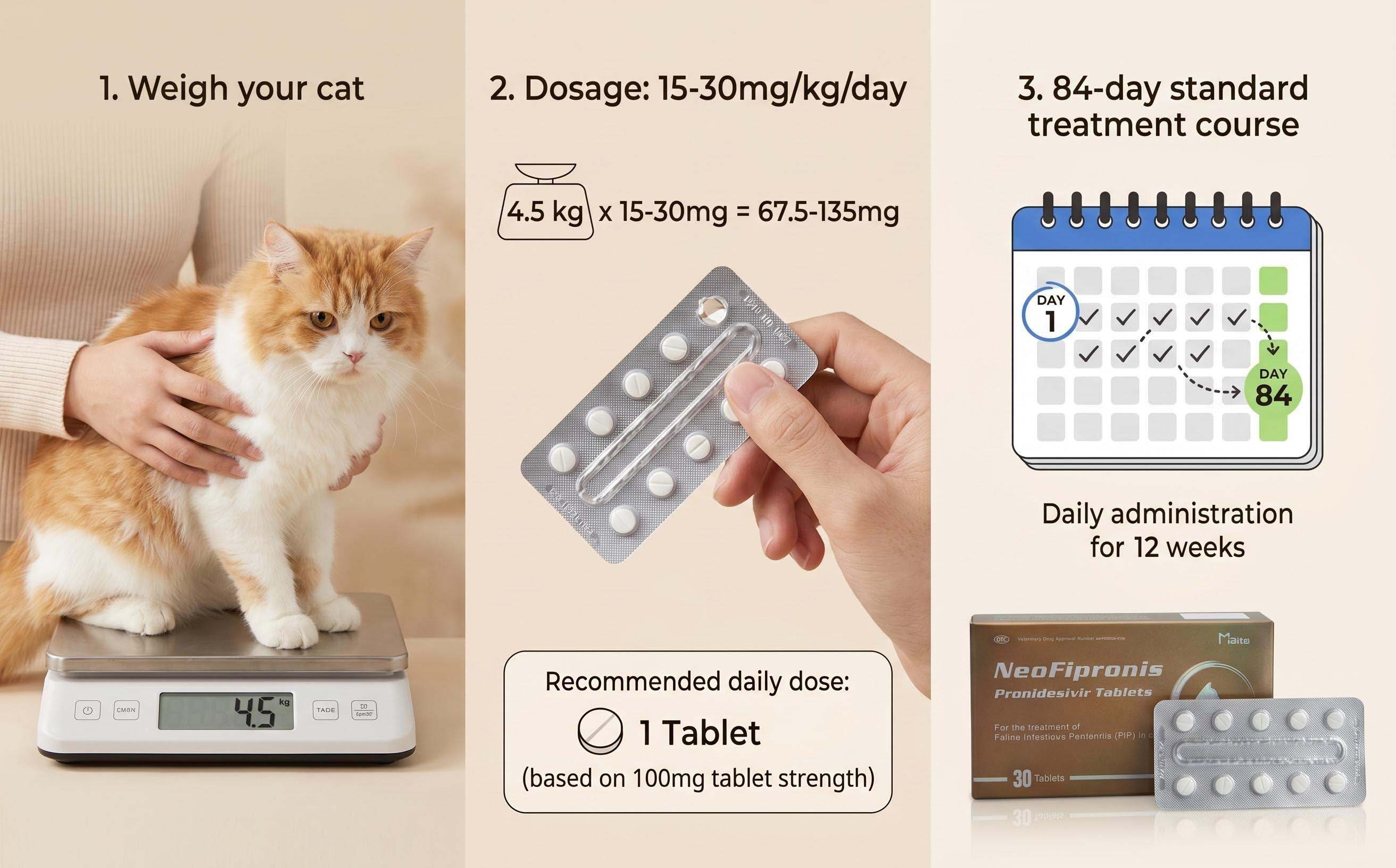
Supportive care for FIP cats includes pain management, nutritional support, and environmental modifications. Providing soft resting areas, easy-access food and water bowls, and minimizing the distance between litter box and resting spot can help mitigate movement aversion. Pain control with medications like buprenorphine, alongside antivirals if appropriate, can enhance quality of life.
Physical therapy is not commonly applied in feline medicine but gentle, passive movement and encouraging short, low-impact activity may prevent further muscle wasting in those cats not experiencing severe pain.
Behavioral Changes Versus Physical Limitations
Distinguishing between reluctance to move due to behavioral depression and physical incapacity is crucial. Some cats may withdraw due to emotional distress, whereas others are unable to move because of direct nerve or musculoskeletal involvement.
Veterinarians monitor both behavioral and physical manifestations via regular checkups, owner reports, and video observation, which can illustrate subtle improvements or worsening in movement aversion.
Educating Owners and Animal Professionals
Awareness campaigns, continuing professional education for veterinarians, and distribution of accessible educational materials for cat owners contribute significantly to improved recognition of early FIP symptoms — including reluctance to move. Feline rescue organizations have begun disseminating lists of early signs to watch for, particularly in high-risk shelters or catteries.
Future Directions for Research
While recent years have yielded advances in the treatment and understanding of FIP, movement aversion as a symptom remains underrepresented in published studies. Further observational studies and case series are warranted to better quantify its prevalence and underlying mechanisms. There is particular value in identifying whether movement aversion can serve as an independent predictor for severe forms or poor prognosis.
Genomics and proteomics may one day reveal specific markers associated with movement reluctance, paralleling the way effusion markers have become diagnostic. Longitudinal surveys tracking subtle behavioral changes before diagnosis may reveal even stronger correlations.
Quality of Life Considerations
Cats with FIP are often euthanized due to perceived poor quality of life, which can be difficult to judge subjectively. Attention to symptoms such as reluctance to move can guide veterinary recommendations regarding palliative care, treatment, or humane euthanasia. Increasing awareness of potential for improved outcomes with current therapies may reduce hastened decisions when movement aversion alone is observed.
Supporting Mental Wellbeing in FIP Cases
Movement reluctance may increase stress or depression in cats, particularly those accustomed to active routines. Behavioral enrichment, gentle interactive play, and maintaining beloved routines where possible can support mental health. For multi-cat households, helping the FIP-positive cat maintain social contact and avoiding isolation without risk to others can be essential.
Integrating Reluctance to Move into Clinical Algorithms
With growing evidence that movement reluctance is a notable—if not classic—symptom of FIP, veterinarians may benefit from formally including behavioral observations in diagnostic checklists. Electronic health record prompts and intake forms incorporating questions about energy and mobility can aid in identifying at-risk cats during primary care visits.
Conclusion
Reluctance to move is a legitimate symptom of FIP, reflecting the complex interplay of fever, pain, neurological involvement, effusion, systemic inflammation, and psychological impact. While not exclusive to FIP, its association with other relevant signs can guide earlier diagnosis, prompt sampling, and facilitate timely intervention. With ongoing advances in antiviral therapy and supportive care, recognizing movement aversion among the constellation of FIP symptoms is essential for improving outcomes for cats afflicted by this formidable disease.
References
1. Pedersen, N. C. (2014). "An update on feline infectious peritonitis: diagnostics and therapeutics." Veterinary Journal, 201, 133–141.
2. Hartmann, K. (2005). "Feline infectious peritonitis." Veterinary Clinics of North America: Small Animal Practice, 35(1), 39–79.
3. Kipar, A., & Meli, M. L. (2014). "Feline infectious peritonitis: Still an enigma?" Veterinary Pathology, 51(2), 505–526.
4. Addie, D. D., et al. (2009). "Feline infectious peritonitis: ABCD guidelines on prevention and management." Journal of Feline Medicine and Surgery, 11(7), 594–604.
5. Griffin, B., & Hester, S. (2020). "Management of feline infectious peritonitis: Clinical practice update." Journal of Feline Medicine and Surgery, 22(3), 219–230.
6. O’Brien, T. D. (1978). "Clinical and laboratory findings in cats with the noneffusive form of feline infectious peritonitis." Journal of the American Veterinary Medical Association, 172(1), 59–62.
7. Worthing, K., & Norris, J. (2023). "GS-441524 antiviral therapy for feline infectious peritonitis: Real-world case experiences." Veterinary Microbiology, 272, 109580.
8. FIP Warriors USA. (2023). "Early behavioral signs of FIP in cats: A support guide for owners." FIP Warriors USA Resources.
9. Stoddart, M. E., et al. (1988). "Clinical aspects of feline coronavirus." Veterinary Record, 122(23), 554–557.
10. Tanaka, Y., et al. (2021). "Muscle wasting and behavioral changes in cats with dry FIP: A retrospective study." Journal of Small Animal Practice, 62(12), 1049–1054.