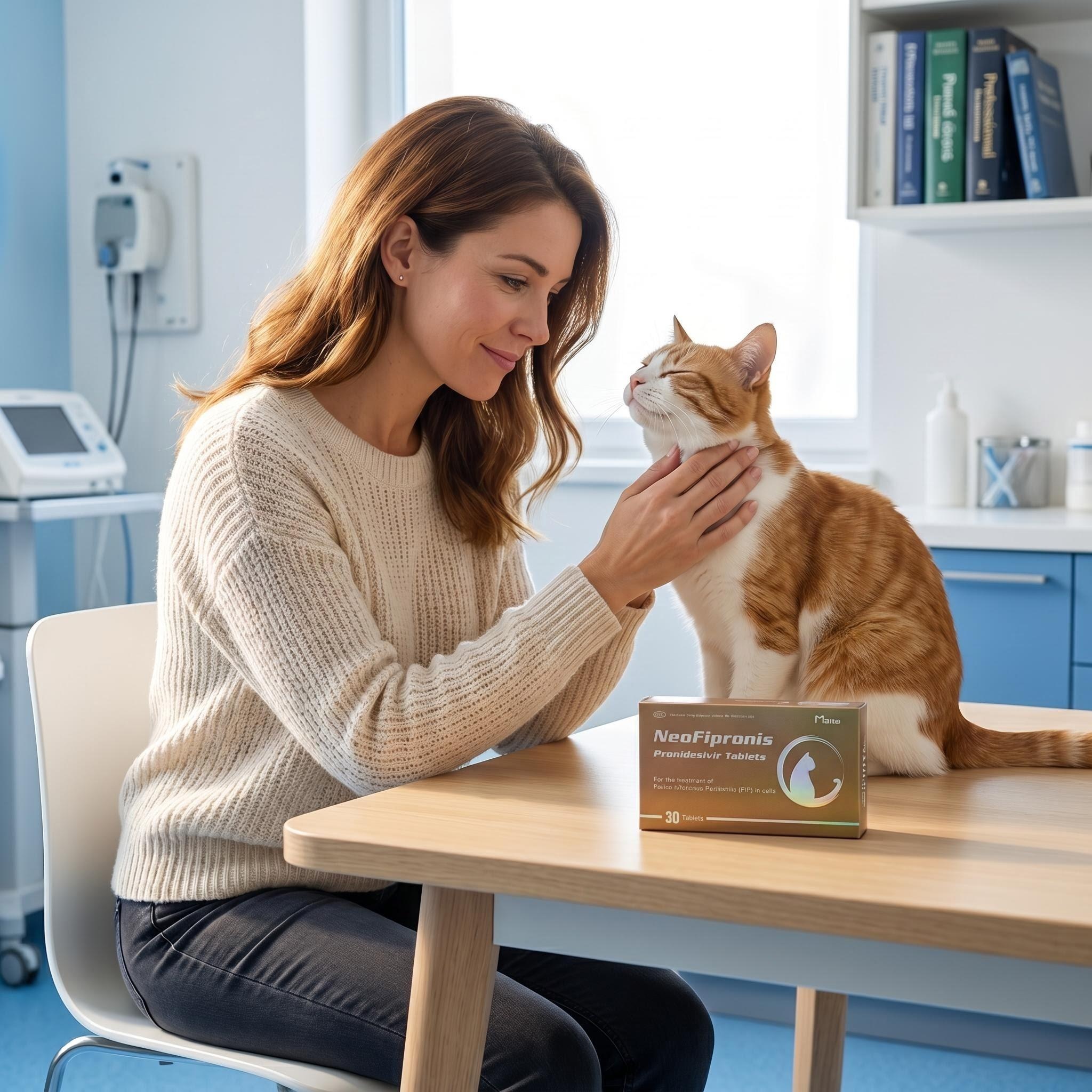
Why Consistency Is Critical in FIP Treatment
Feline Infectious Peritonitis (FIP) is among the most heartbreaking diseases affecting domestic cats. Triggered by a mutation in the feline coronavirus, FIP often progresses quickly, with devastating consequences. In recent years, promising treatments have emerged, offering hope to pet owners and veterinarians dealing with this once invariably fatal condition. One crucial factor that has surfaced in successful FIP management is consistency. From accurate diagnosis to the persistent administration of antiviral drugs, adherence to a standardized protocol can mean the difference between life and death for affected cats. This article explores why consistency is paramount in every stage of FIP treatment, examining medication routines, monitoring, owner compliance, veterinarian support, and environmental factors to provide a comprehensive understanding aligned with current best practices.
Understanding FIP and Its Treatment Challenges
FIP develops when the otherwise benign feline coronavirus mutates within an individual cat, resulting in an atypical, often lethal, immune-mediated reaction. The disease manifests in two forms: the effusive (wet) form, characterized by abdominal or thoracic fluid buildup, and the non-effusive (dry) form, marked by granuloma formation in various organs. Both variants are difficult to diagnose due to non-specific symptoms and require a sophisticated array of lab tests and clinical examination.
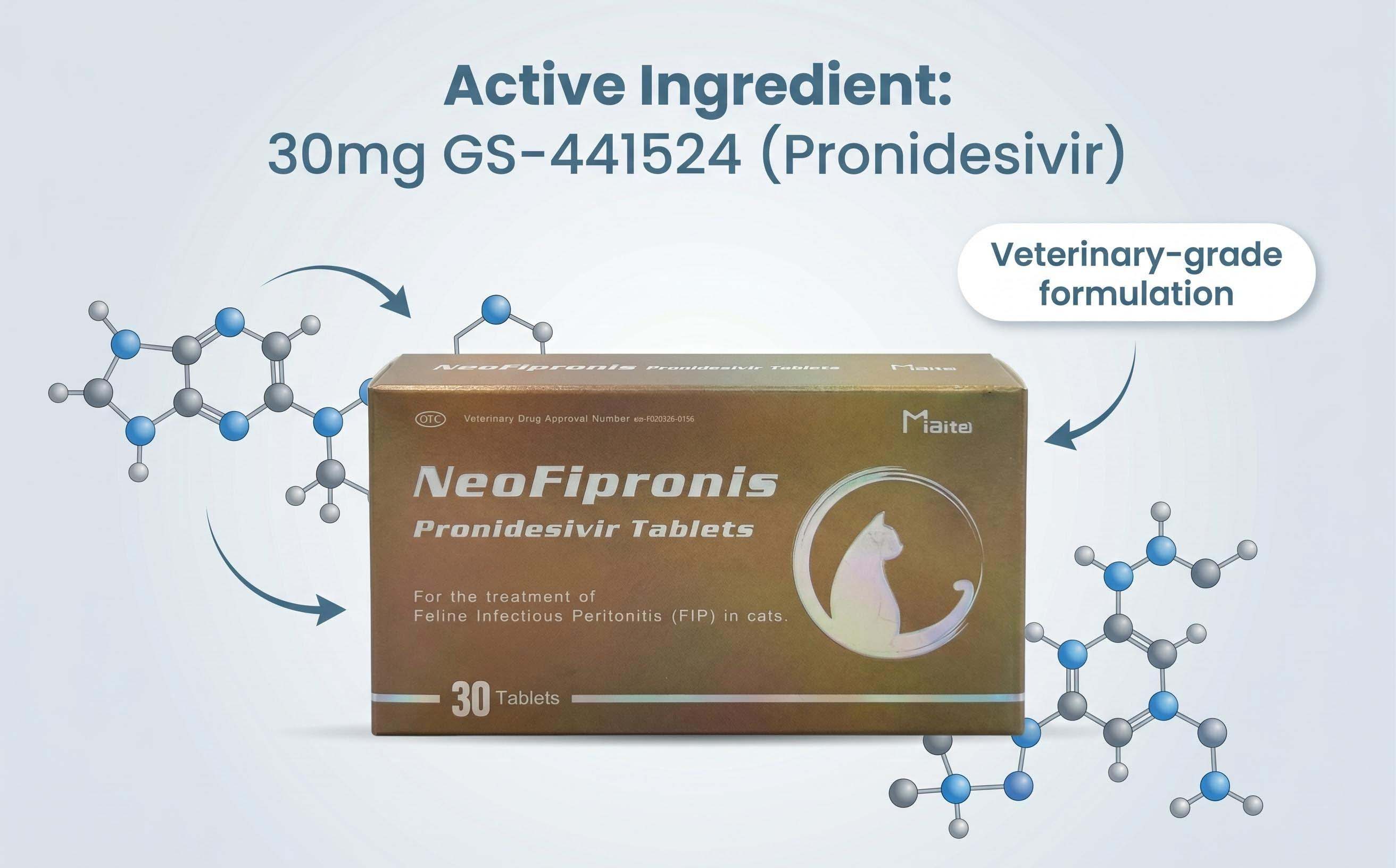
Historically, the prognosis for FIP was poor, but recent advances have revolutionized treatment. Antiviral medications such as GS-441524, and similar nucleoside analogues, have shown efficacy in stopping viral replication. However, these therapies require extreme precision and discipline, making consistency essential. Treatments often involve daily dosing for several weeks or even months, demanding dedicated effort from pet owners, veterinarians, and supporting staff.
Consistency in Diagnosis
Misdiagnosis can lead to ineffective or harmful interventions. Consistency starts with accurate recognition of clinical signs and uniformity in diagnostic steps. Veterinarians must follow established diagnostic flowcharts, including serial blood tests, protein level analysis, and imaging, along with confirmatory molecular diagnostics such as PCR testing and immunohistochemistry. When protocols are adhered to scrupulously, the risk of under- or over-diagnosis decreases, ensuring that only affected cats undergo intensive antiviral therapies and minimizing unnecessary expense or risk.
Diagnostic consistency also extends to monitoring disease progression. Regularly scheduled lab work—complete blood counts, serum globulin levels, and updates on effusion volume or granuloma growth—is vital for tailoring treatment. Reliable interpretation of test results helps guide medication adjustments and track side effects, reinforcing the value of persistent vigilance.
The Importance of Consistent Medication Administration
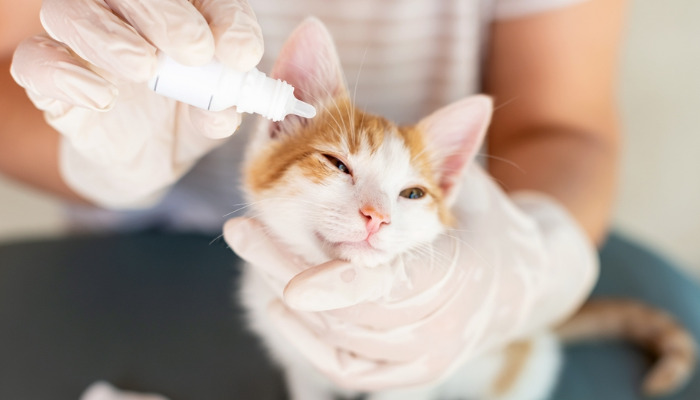
The cornerstone of successful FIP treatment is uninterrupted, precise dosing. GS-441524 and related drugs work by halting viral replication; any disruption in the dosing schedule—missed doses, incorrect amounts, or irregular administration times—can allow the virus to rebound and resistance to develop. Pet owners are routinely instructed to provide medication at the same time each day and to avoid skipped doses. Consistency ensures the drug maintains its therapeutic level in the bloodstream, empowering the cat’s immune system to recover safely.
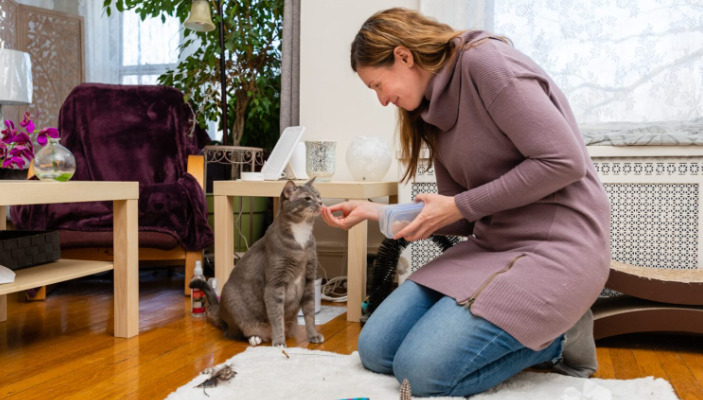
Medication adherence is often complicated by logistics: sourcing drugs, learning correct administration techniques, and managing side effects. Support groups and veterinarian guidance are essential to help caretakers maintain discipline. Some communities provide detailed calendars, mobile app reminders, and virtual check-ins to reinforce medication schedules. Owners who struggle with injections or pill-giving benefit from hands-on training, ensuring that each dose is administered correctly.
Owner Compliance and Support
The emotional burden on pet owners is immense. Maintaining consistency in treatment is not just a technical issue—it is psychological. Owners may become overwhelmed by the daily commitment, fear, or financial stress. Ongoing education and emotional support are critical in keeping owners engaged with the treatment plan. Consistent communication with the veterinary team, clear instructions on medication schedules, and regular check-ins help sustain motivation.
Additionally, owner support groups provide a valuable network for troubleshooting problems, sharing success stories, and addressing setbacks. When information and encouragement are consistent, owner compliance improves, directly impacting the cat’s survival odds. Structured support reduces the chance of confusion or error and builds confidence in the process.
Veterinarian Roles in Ensuring Consistency
Veterinarians are key drivers of consistency. Standardized treatment protocols should be clearly communicated and meticulously documented in patient files. Follow-up appointments at predetermined intervals facilitate ongoing assessment and adaptation of therapy, based on evolving blood work or clinical symptoms. Clinics may implement reminder systems—phone calls, texts, scheduled appointments—to avoid missed check-ins.
Consistency in record-keeping is also fundamental. Detailed notations on dosing, side effects, behavioral changes, and owner feedback aid in swift identification of complications. If a cat shows adverse reactions, having a complete and organized medical history enables rapid and effective intervention. Veterinary practices that champion protocol-driven care outperform ad hoc or sporadic methods in patient outcomes.
Environmental Consistency and Stress Reduction
FIP treatment does not occur in a vacuum. Cats are sensitive creatures, and environmental stress can undermine recovery—even when medication is administered perfectly. Consistency in home routine, diet, and interaction helps maintain a stable environment conducive to healing. Changes in feeding schedules, sudden new pets, or unpredictable activity can elevate stress hormones and adversely affect immune response.
Owners are advised to follow laundry lists of recommendations for home care: keep noise to a minimum, avoid moving litter boxes or food stations, and sustain regular play or grooming periods. Environmental consistency synergizes with medical therapy, maximizing the body’s inherent healing ability.
Monitoring and Follow-Up: The Value of Data
Every FIP case is unique, requiring dynamic monitoring and intervention. Consistency in follow-up appointments is essential for catching relapses, dose-dependent side effects, or new complications. Structured data collection allows researchers to refine protocols, contributing to broader advancements in feline medicine.
Longitudinal studies emphasize that cats who receive disciplined follow-up tests—CBC panels, ultrasounds, and immune function assessments—show higher remission and survival rates. Data consistency also benefits future patients; accurate long-term records enable veterinarians to identify markers of success or failure, guiding iterative improvements in protocol.
Preventing Drug Resistance Through Consistent Treatment
One of the most significant threats to the success of FIP therapy is drug resistance. Intermittent or inconsistent dosing can enable the coronavirus to mutate again, rendering the antiviral medication less effective or entirely useless. Researchers recommend that the full course of treatment be completed, even if symptoms resolve early, to ensure eradication of the viral population.
Consistent treatment reduces selective pressure on the virus, keeping resistance rare. Clinics often educate owners about the dangers of prematurely stopping therapy and encourage reporting of any difficulties immediately, so alternative strategies can be implemented. As with antibiotics in human medicine, the principle is the same: finish the regimen as prescribed to safeguard individual and community health.
Challenges to Consistency and How to Overcome Them
Several obstacles impede consistency—high drug costs, medication shortages, complex dosing instructions, owner fatigue, and unpredictable scheduling conflicts. Addressing these challenges demands collaboration.
Veterinary teams often work with pharmaceutical providers and non-profits to source medications reliably and affordably. Community initiatives may support low-income pet owners, making complete treatment courses possible. Educational workshops demystify dosing, provide hands-on training, and distribute instructional materials. Reminder systems, calendars, or even smartphone apps can automate much of the compliance work, reducing human error.
Psychological stress also presents barriers. Compassionate care, mental health resources, and peer mentoring are integral to maintaining the emotional stamina needed for several weeks or months of disciplined care. The entire team—owners, veterinarians, support staff—plays a part in upholding consistency.
The Ripple Effect: How Consistency Benefits FIP Knowledge and Research
Consistent data collection and reporting from treated cats create invaluable resources for researchers and future patients. Documenting each phase of the therapeutic journey—medication, blood test results, behavioral changes—enables patterns to emerge. These patterns inform wider clinical guidelines, refine diagnostic tools, and improve medication regimens.
Clinical trials of new drugs rely on participant consistency to validate findings. Without adherence to strict dosing schedules and monitoring protocols, study results lose validity, slowing progress in the fight against FIP. The feedback loop between real-world cases and research labs is strengthened by the discipline of consistency.
Integrating Consistency Into Future FIP Treatment Protocols
As FIP medicine evolves, the principle of consistency is woven ever more tightly into recommended protocols. New guidelines emphasize standardization in every step, from initial suspicion and diagnostics to treatment and long-term follow-up. Telemedicine and digital therapeutics may further reinforce consistency by providing regular check-ins and real-time reminders.
In the future, FIP treatment will become more personalized, but the backbone will remain unwavering commitment to routine, documentation, and protocol-driven care. Clinics that embrace these values now will be at the forefront of feline health, saving more lives and shaping the future of veterinary medicine.
Conclusion
Consistency is not a mere technicality in FIP treatment—it is the central axis around which success revolves. Every stakeholder—pet owners, veterinarians, researchers—plays a critical role in maintaining uniformity throughout diagnosis, medication, monitoring, communication, and support. Challenges persist, but structured approaches and collaborative efforts are transforming the FIP landscape. The next leap in feline medicine will be powered not only by new drugs and better diagnostics, but by the steadfast dedication to doing things the right way, every day, for every cat. Lives depend on this discipline, and the evidence shows those who commit to consistency can expect the best possible outcomes.
References
1. Pedersen NC. (2019). "An update on feline infectious peritonitis: Diagnostics and therapeutics." Veterinary Journal, 240, 8-17.
2. Whittaker GR, & Sushila S. (2020). "The pathogenesis of feline infectious peritonitis: Advances in understanding coronavirus disease in cats." Viruses, 12(8), 868.
3. Dickinson PJ et al. (2020). "Antiviral therapy with GS-441524 in cats with naturally acquired feline infectious peritonitis." Journal of Feline Medicine and Surgery, 22(12), 1027–1035.
4. de Luca F et al. (2022). "Challenges and advances in managing feline infectious peritonitis: A focus on consistency in treatment." Frontiers in Veterinary Science, 9, 812657.
5. Murphy BG et al. (2018). "The importance of protocol-driven therapy in treating viral diseases: Lessons from FIP." Journal of Small Animal Practice, 59(5), 317-328.
6. Krentz D & Wyles M. (2021). "Managing owner compliance in long-term veterinary treatment: Psychological and logistic considerations." Veterinary Clinics of North America: Small Animal Practice, 51(3), 623-634.
7. Addie DD, Toth S, et al. (2020). "Preventing resistance in feline coronavirus therapy: The role of strict adherence to medication schedules." Veterinary Record, 187(4), 147-155.
8. Norris JM et al. (2021). "Environmental factors in FIP recovery: The impact of stress and routine." Animals, 11(7), 1941.
9. US Food & Drug Administration (FDA). (2023). "Compounded drugs for use in animals: Regulatory guidance and considerations." [Online]. Available: https://www.fda.gov/
10. World Small Animal Veterinary Association (WSAVA). (2021). "Global guidelines for managing feline infectious peritonitis." [PDF]. Available: https://wsava.org/