What Should You Do if Your Cat Is Lethargic and FIP Is Suspected

Understanding FIP and Lethargy in Cats
Feline Infectious Peritonitis (FIP) remains one of the most misunderstood and heartbreaking diseases in domestic cats. Lethargy, or a noticeable reduction in activity and energy, is often a primary symptom noticed by owners, leading them to seek veterinary care. While lethargy can be common in cats due to various reasons, if it occurs alongside other suggestive symptoms, it warrants immediate attention, especially if FIP is suspected.
FIP develops from a mutation of feline coronavirus (FCoV), which is widely present but only rarely mutates to cause clinical disease. The mutated virus infects cells of the immune system, leading to severe clinical signs. Understanding the relationship between feline lethargy and FIP helps owners make timely decisions and comprehend the urgency of seeking medical attention.
Recognizing Lethargy: What Does It Mean for Your Cat?
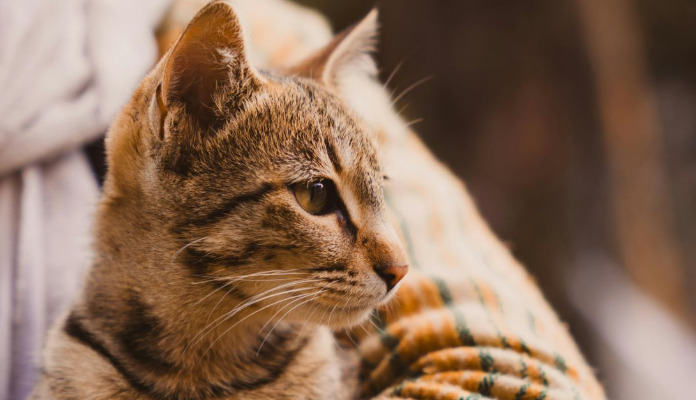
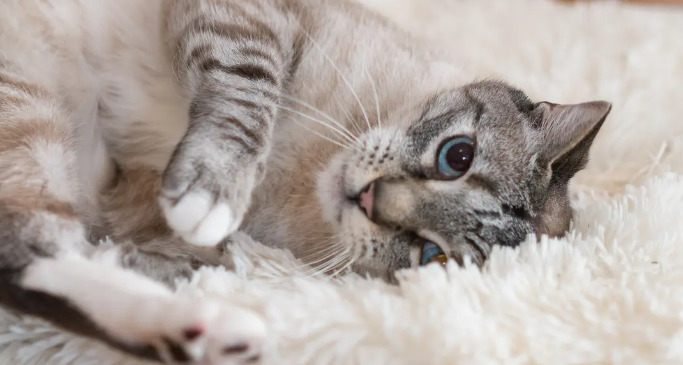
Cats are notorious for hiding illness. Lethargy typically manifests as excessive sleeping, reluctance to play, withdrawal, or hiding behavior. The usual energy and curiosity seem absent; your cat may hesitate to jump, groom less frequently, and avoid social interactions. For cats who develop FIP, lethargy is often persistent and worsening over a short span of days or weeks.
If lethargy is accompanied by additional symptoms like loss of appetite, weight loss, persistent fever, jaundice, abdominal swelling, or neurological signs, the likelihood of FIP increases. No single symptom confirms FIP, but a constellation of signs raises concern. Recognizing these connections allows cat owners to provide their veterinarian with comprehensive information when seeking a diagnosis.
Isolating FIP From Other Causes of Lethargy
Lethargy is common in feline illness and can result from infections, pain, metabolic disorders (e.g., diabetes, kidney disease), or emotional distress. It is tempting to attribute initial signs to routine causes such as parasite infections or diet changes. However, if lethargy persists or progresses, especially along with fever, breathing difficulties, or abdominal enlargement, FIP should be considered among possible diagnoses.
FIP exists in "wet" and "dry" forms—effusive FIP presents with fluid accumulation in the abdomen or chest, while non-effusive FIP primarily causes organ inflammation without obvious fluid. Wet FIP is generally easier to recognize since abdominal or thoracic swelling can be dramatic; dry FIP may only present as chronic lethargy and neurological or ocular symptoms. Understanding these distinctions is critical for early intervention and accurate diagnostics.
First Steps: Immediate Response at Home
If your cat becomes lethargic and FIP is suspected, the first and most important response is to avoid panic but act quickly. Remove environmental stressors, ensure access to fresh water and high-quality food, and observe for changes. Do not attempt to self-medicate or delay professional care on the premise that "cats sleep a lot." Document clinical signs: Record temperature, appetite, behavior, and physical changes. Many veterinarians recommend regular video or written observations to help provide an accurate timeline during evaluation.
Do not try over-the-counter medications or home remedies. Many substances safe for humans or dogs are toxic to cats. Avoid internet "miracle cures" or advice from non-veterinary sources; unverified treatments can cause suffering or mask symptoms.
Seeking Veterinary Diagnosis: What to Expect
Contact your veterinarian as soon as possible for a thorough examination. Be prepared to discuss your cat’s medical history, vaccine status, exposure to other cats, recent travel, appetite changes, weight fluctuations, and your observations of lethargy. Your veterinarian will conduct a full physical exam, sometimes with bloodwork, urinalysis, and imaging (X-rays or ultrasound).
For suspected FIP, key investigations often include:
Complete blood count (CBC)
Serum chemistry profile
Abdominal/thoracic ultrasound to detect fluid accumulation or enlarged organs
Analysis of any fluid collected (color, protein level, presence of coronavirus)
FIP-specific tests (immunohistochemistry, polymerase chain reaction for viral RNA)
Feline coronavirus antibody titers
These diagnostics allow vets to include or exclude other diseases, like lymphoma, bacterial infections, or metabolic disorders. Since FIP can mimic different illnesses, diagnosis is often a matter of ruling out alternatives while considering clinical context and history.
Owner’s Role During the Diagnostic Process
Owners are critical partners in their cat’s care. Maintain calm and provide accurate information to your veterinarian. Be honest about any potential exposures, underlying health conditions, and early symptoms, even if they seem minor. Resist the urge to compare your cat’s symptoms to those of others online, as each case is unique.
If hospitalization or further testing is needed, comply with advised protocols. Some cats may need intravenous fluids, nutritional support, or pain management. While waiting for laboratory results, owners may need to monitor water and food intake, litter box usage, and changes in physical activity.
If your veterinarian suspects FIP, you may be offered supportive care or experimental treatments. The newer antiviral drugs (like GS-441524 or its derivatives) have changed FIP’s outlook markedly in recent years, though availability and cost vary.
How FIP Is Treated and What to Expect
Until recently, the diagnosis of FIP was considered devastating. Advancements in antiviral therapies such as GS-441524, remdesivir, and related compounds now offer hope to many cats diagnosed with the disease. Treatment protocols for FIP depend on the cat’s overall health, the form of the disease (wet vs. dry FIP), and response to initial intervention.
If your veterinarian confirms FIP, discuss treatment options, including:
Antiviral therapy (GS-441524, remdesivir)
Supportive care: intravenous fluids, appetite stimulants, supplemental feeding, pain control
Nutritional management: high-calorie, easily digestible foods
Monitoring for complications: secondary infections, neurological symptoms, ocular issues
Early and aggressive intervention improves outcome. The success rate of antiviral therapy is significant, with many cats returning to normal life if treatment is started in clinically stable cases. However, cost and access are challenges in the United States; some medications may require special access or compounded formulations.
Owners should be prepared to commit to weeks or months of therapy, frequent check-ins, and strict medication schedules. Some cats may relapse or need dose adjustments. Your veterinary team will guide you through expected milestones and monitoring requirements.
Coping With the Emotional Challenges of FIP
Suspecting or diagnosing FIP is emotionally taxing, both for owners and veterinarians. The unpredictability of the disease, its rapid progression, and historical lack of viable treatments have led to profound grief in affected households. It is natural to feel distress, anxiety, or confusion as you navigate FIP.
Connect with reputable support networks, such as established online communities, veterinary social workers, or pet bereavement counselors. Seek trusted information; avoid misinformation often spread in informal forums. Building a relationship with your veterinary team, sharing concerns, and involving family members are steps that help alleviate isolation.
Owners may need to consider quality-of-life assessments, especially if treatment is not successful. Monitor pain, mobility, appetite, engagement, and overall comfort. Many veterinary practices provide guidance and compassionate end-of-life care if needed.
Prevention and Future Outlook of FIP
FIP cannot be prevented by standard vaccines; although feline coronavirus is common, only a small percentage of cats develop the disease. The risk is highest for young cats, shelter animals, purebred cats, and those stressed by environmental changes. Decreasing multi-cat crowding, maintaining good hygiene, minimizing stress, and routine health checks all reduce risk.
In multi-cat environments, segregate cats at risk and ensure cleaning protocols. Isolate sick individuals promptly. Efforts are underway in the veterinary community to improve diagnostic speed and access to antivirals, with U.S. regulatory progress continuing.
Ongoing studies may soon deliver new tools for identification, prevention, and treatment. Owners should stay informed through trusted veterinary channels and be prepared for changing recommendations. While FIP’s reputation has been bleak, the future is rapidly improving thanks to research and advocacy.
References
1. Pedersen, N. C. (2019). The diagnosis of feline infectious peritonitis: A review of the current literature. Frontiers in Veterinary Science, 6, 52.
2. Addie, D. D., et al. (2020). Antiviral treatment of GS-441524 for feline infectious peritonitis—A prospective, field study. Journal of Feline Medicine and Surgery, 22(6), 582-592.
3. Driscoll, J. M., & Johnson, R. J. (2022). Updates in the diagnosis and management of FIP. Veterinary Clinics of North America: Small Animal Practice, 52(1), 135-148.
4. Hartmann, K. (2021). Feline infectious peritonitis—Updated perspectives. Veterinary Quarterly, 41(1), 18-39.
5. American Association of Feline Practitioners (2023). FIP guidance and FAQs [Website]. Retrieved from https://catfriendly.com/owners/fip/
6. Hosie, M. J., et al. (2023). Feline coronavirus and FIP—What the cat owner needs to know. Companion Animal, 28(2), 78–86.
7. Barker, E. N., et al. (2020). GS-441524 and remdesivir: Novel antivirals reshaping FIP therapy. Veterinary Record, 187(13), 523-529.
8. Cornell University College of Veterinary Medicine (2024). FIP information for cat owners [Website]. https://www.vet.cornell.edu/fip-cat-owners