Is FIP Treatment Safe for Cats
Introduction to Feline Infectious Peritonitis (FIP)
Feline Infectious Peritonitis (FIP) is a devastating and complex viral disease that affects both young and adult cats. Caused by certain strains of feline coronavirus (FCoV), the illness almost always proves fatal without intervention. For decades, veterinarians and pet owners faced uncertainty and heartbreak, as effective treatments seemed impossible. Recent developments have given hope—antiviral therapies, particularly those centered on nucleoside analogs like GS-441524, have demonstrated surprising promise. However, as with any new medical intervention, questions about safety, accessibility, and long-term impacts abound. Understanding these concerns is essential for those considering FIP treatment for their beloved cats.
What Is FIP?
FIP develops when a benign coronavirus mutates within the cat, enabling it to evade the immune system and spread throughout the body. Two primary forms exist: the "wet" (effusive) form, which leads to fluid accumulation in the body cavities; and the "dry" (non-effusive) form, marked by granuloma formation affecting organs like the eyes, brain, and kidneys.
Traditional Outlook: Untreatable and Fatal
For most of the twentieth and early twenty-first centuries, FIP spelled certain death. Veterinary care was largely palliative: pain relief, nutritional support, and fluid therapy. Compassion and comfort were the focus, as no antiviral medications effectively fought the virus. That landscape has radically changed in recent years.
The Advent of Antiviral FIP Treatments
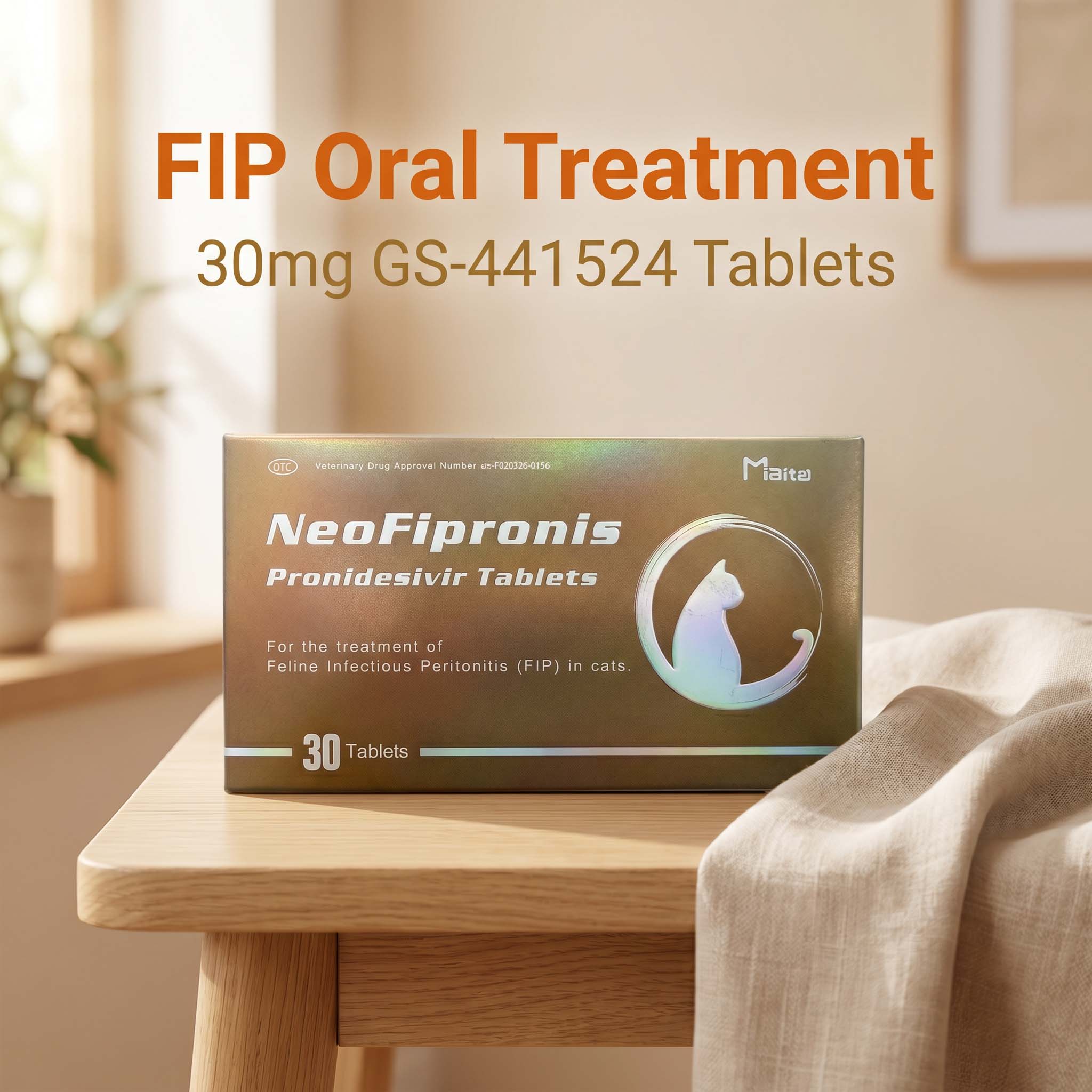
Innovative antiviral drugs have shifted the paradigm for FIP. Among these, GS-441524—a nucleoside analog—proved remarkably effective in initial studies. Related compounds like remdesivir (a prodrug of GS-441524) and molnupiravir have also entered the conversation, offering new therapeutic avenues. These drugs interfere with viral RNA replication, halting the virus, and allowing the cat’s immune system to regain control.
Legal Status and Approvals
Access to these treatments varies widely by country. In the United States, GS-441524 remains unapproved by the Food and Drug Administration (FDA) for veterinary use as of early 2024, but veterinarians sometimes prescribe remdesivir under compounding arrangements or off-label permissions. This legal gray area creates barriers to consistent, high-quality treatment. Owners may import medication or consult underground networks, which raises additional safety concerns.
Examining the Evidence: Efficacy and Remission Rates
Several published, peer-reviewed studies document the effectiveness of nucleoside analogs in treating FIP. Survival rates have approached or exceeded 80% in some clinical trials. Cats often show dramatic improvements within days: fever subsides, appetite and activity return, and effusions resolve. Recovery typically requires 12 weeks of daily medication, either via oral or subcutaneous routes. Such remission rates are unprecedented but do not guarantee universal success—some cats relapse or fail to respond.
Common Side Effects Observed
Like all medical interventions, FIP antivirals carry risks. The most frequently reported side effects are mild and manageable:
Pain at injection sites for subcutaneous medications
Transient lethargy
Decreased appetite or gastrointestinal upset
In oral formulations, vomiting, diarrhea, or taste aversion can occur. Most side effects resolve as the body adapts to medication or with symptomatic support (appetite stimulants, anti-nausea drugs, etc.).
Less Common and Serious Reactions
Though rare, more significant adverse effects have emerged. Elevated liver enzymes, jaundice, and blood count abnormalities are possible. Some cats have developed neurological signs, including seizures, during or soon after treatment. Whether these are directly linked to medication or residual FIP infection is unclear. These cases underscore the need for close veterinary supervision.
Dosage Considerations and Treatment Monitoring
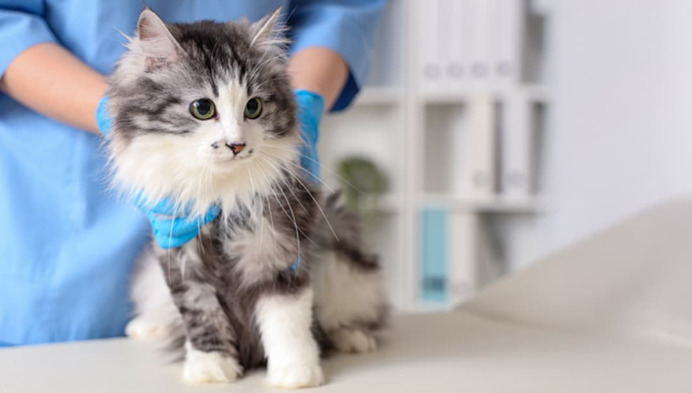
Accurate dosing is critical. Veterinarians calculate the daily dose based on the cat’s type of FIP, weight, and clinical response. Underdosing increases the risk of relapse and can foster drug resistance. Overdosing raises the likelihood of toxicity, liver dysfunction, or other complications. Throughout the 12-week protocol, cats should be monitored with regular bloodwork, physical assessment, and, when possible, imaging of affected organs.
Drug Quality and Counterfeit Concerns
Not all sources of FIP medication are trustworthy. The unregulated market includes counterfeit or contaminated products, leading to treatment failure or unexpected illness. Pet owners must vet their sources and work with veterinarians or established patient advocacy groups whenever possible. Laboratories in some countries produce pharmaceutical-grade GS-441524 and remdesivir, but buyers need to be cautious and informed.
Long-Term Side Effects and Unknowns
Because feline antiviral therapy is relatively new, long-term safety data remain sparse. Cases followed for three to five years suggest that most recovered cats remain healthy and do not suffer late relapses or organ damage attributed to the drugs. However, rare reports of chronic kidney or liver issues merit attention. These may relate more to the legacy of FIP itself than to the treatment administered.
Immune System Recovery and Relapse Risks
A subset of treated cats seems susceptible to relapse weeks or months after the initial protocol concludes. In such cases, the virus re-emerges—possibly in sanctuary sites like the brain or eyes, which are less accessible to certain drugs. A second or extended course of treatment is sometimes attempted, though outcomes are less certain than with first-time intervention.
Drug-Drug Interactions and Preexisting Conditions
Older and chronically ill cats may take multiple medications for other diseases (i.e., diabetes, kidney failure, heart issues). While clear evidence is limited, caution is advised when using FIP antivirals alongside drugs metabolized by the same liver pathways. Clinical monitoring helps detect harmful interactions early.
Importance of Supportive Care
Antiviral therapy works best when paired with comprehensive supportive care. This includes excellent nutrition, hydration, anemia management, and prevention of secondary infections. Owners must commit to regular follow-up and adjustments as dictated by changing clinical status. Cats with severe organ or CNS involvement may benefit from steroids, antibiotics, or other adjunctive treatments, tailored case by case.
Behavioral and Quality-of-Life Considerations
Treated cats often experience a dramatic improvement in activity and mood, giving families more quality time. Factors affecting quality of life include the stress of daily injections or pills, repeated veterinary visits, and the emotional toll of monitoring for relapse. Owners and veterinarians should consider both the clinical and psychological aspects when discussing treatment.
Financial Implications and Accessibility
Treating FIP is expensive. The cost of medication can reach thousands of dollars over the full course, not counting supportive medications, diagnostics, and follow-up appointments. Insurance coverage rarely applies, as therapies are unapproved and considered experimental. This reality forces difficult choices for many families and exacerbates the risk of cutting corners or seeking unreliable medication sources.
Comparing Risks: FIP Treatment vs. Untreated Disease
The untreated course of FIP is universally fatal and often includes severe pain, rapid decline, and respiratory or neurological distress. Antiviral treatment, even with potential side effects, offers most cats months or years of remission. For many, the risk-benefit analysis strongly favors attempting therapy, especially when initiated early in the disease process and under strict veterinary guidance.
Ethical and Regulatory Debate
The rapid spread of FIP antivirals outside regulatory approval channels has sparked debate among veterinarians, legal authorities, and advocates. Concerns include inconsistent quality control, lack of long-term population surveillance, and unequal access across socioeconomic groups. At the same time, widespread demand for these drugs reflects their life-saving impact—and the urgent need for official approval and oversight.
Veterinary Guidance and Shared Decision-Making
No two cases are exactly alike; the safety and appropriateness of FIP treatment depend on variables including the cat’s age, FIP form, comorbidities, and household context. The vet-client relationship is central to navigating these decisions. Honest discussion about risks and realistic outcomes ensures that treatment aligns with the family’s values and resources.
Emerging Therapies and Future Prospects
Research continues into next-generation antivirals, immunomodulators, and vaccines for FIP. These advances may reduce reliance on black-market drugs and expand options for approved veterinary care. The hope is that one day, safe and effective FIP treatment will be available—and affordable—for every cat who needs it.
References
Pedersen NC, Perron M, Bannasch M, et al. "Efficacy and Safety of the Nucleoside Analog GS-441524 for the Treatment of Feline Infectious Peritonitis."
Murphy BG, Perron M, Murphy D, et al. "The Nucleoside Analog GS-441524 Strongly Inhibits Feline Infectious Peritonitis (FIP) Virus In Vitro and in Vivo."
Addie DD, Belák S, Boucraut-Baralon C, et al. "Feline Infectious Peritonitis: ABCD Guidelines on Prevention and Management."
Izes AM, Kimble B, Norris JM, et al. "Treatment of Feline Infectious Peritonitis with GS-441524."
Foley JE, Poland A, Carlson J, et al. "Risk Factors for Feline Infectious Peritonitis among Cats in Multiple-Cat Environments."