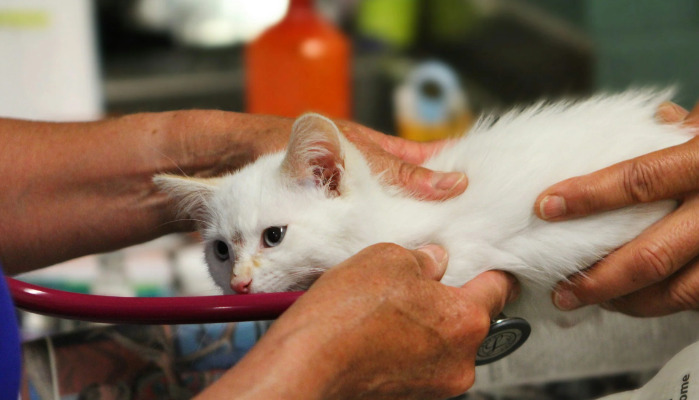
Is Fever Normal During FIP Treatment
Feline Infectious Peritonitis (FIP) is one of the most feared diagnoses among cat owners and veterinarians. Originally described in the 1960s, FIP arises from a mutated form of feline coronavirus (FCoV) that acquires the capability to replicate extensively in monocytes and macrophages, triggering a destructive and often fatal immunological response. Among its clinical manifestations, fever is prominent and persistent. But as new antiviral therapies have become available, cat owners often wonder: Is fever normal during FIP treatment?
Understanding FIP Pathogenesis and Fever
Fever is one of the cardinal signs of FIP, often described as unresponsive to antibiotics. To understand its role, it is helpful to look at the disease’s pathogenesis. Once FCoV mutates within a susceptible cat, the immune system responds by releasing cytokines like interleukin-1 (IL-1) and tumor necrosis factor-alpha (TNF-α). These cytokines cause pyrexia (fever). The fever tends to be remittent or continuous, sometimes accompanied by lethargy, anorexia, and weight loss.
In the effusive (wet) form of FIP, cats develop fluid in the abdomen or chest, while the non-effusive (dry) form involves granulomatous lesions in various organs. In both cases, fever is often present, but why does it persist even after starting antiviral treatment? Is it normal for this fever to continue, and what does it tell us about disease progression?
Fever in FIP: Clinical Patterns
At the time of presentation, cats with FIP almost always have a high fever. It’s important to distinguish this from fever resulting from other causes like bacterial infection or other viral diseases. In the classic FIP scenario, the fever:
Is persistent (lasting days or weeks)
Fails to respond to antibiotics
Often waxes and wanes in severity
This is because FIP fever is driven mainly by immune dysregulation rather than direct infection with bacteria.
The Impact of Treatment on Fever
Until recently, FIP was considered universally fatal. However, antiviral therapies—especially nucleoside analogs like GS-441524 (and its relatives)—have dramatically changed the prognosis. In clinical studies, over 70% of treated cats survive long-term. But what happens to fever during treatment?
Early Phase of Treatment
In the first days and weeks of antiviral therapy, many cats continue to manifest fever. This is not necessarily abnormal. The drugs take time to suppress viral replication and the inflammatory response. Owners may see partial improvement: the fever may decrease, but not resolve completely, or may vanish and then recur temporarily.
Persistence of Fever: What It Means
Persistent fever for the first 7–14 days of treatment may not be a sign of treatment failure. Studies on GS-441524 (Pedersen, 2019; Dickerson et al., 2021) show that fever can linger while other symptoms—such as appetite and activity—begin to improve. Over weeks, most cats’ fever eventually resolves. If it persists beyond two weeks, re-evaluation is indicated:
Is the dose sufficient?
Was the diagnosis correct?
Is there co-infection or secondary infection?
Is drug resistance developing?
Resolution and Its Timeline
As FIP responds to therapy, the fever typically recedes. Some cats lose their fever within three to five days, others may require up to three weeks. Persistent fever beyond a month is unusual and signals the need for additional diagnostics—bloodwork, PCR, or imaging—since some cats may have lingering inflammation or complications like secondary bacterial infections.
Interpreting Fever During FIP Treatment: Key Considerations
1. Drug Dosing and Duration
Insufficient dosing of antivirals is a common problem. GS-441524’s effectiveness is closely linked to dose and duration. If fever persists, dosage review is essential. Subtherapeutic dosing may allow residual viral replication and slow immune recovery.
2. Immune System Recovery
The immune system may remain activated for weeks after infection control. This can produce non-specific fever, even while viral levels drop. Anti-inflammatory treatments (such as corticosteroids) are used more sparingly today, but may still play a role in extreme cases to reduce discomfort.
3. Co-Infections
Cats with FIP may be immunocompromised. Bacterial infections—especially in the abdominal cavity, lungs, or kidneys—can mimic or compound fever. Careful diagnostic work, including cultures if effusion is present, may be warranted. If co-infection is discovered, targeted antibiotics are appropriate.
4. Secondary Complications
FIP can damage organ systems, sometimes producing ongoing fever independent of viral activity. Hepatic, renal, or neurological complications can all elicit fever, making ongoing monitoring vital. Blood chemistry, imaging, and periodic physical exams help separate lingering FIP fever from complications.
Home Monitoring of Fever: Guidance for Cat Owners
Owners treating their cats for FIP play a central role in outcome. Home monitoring typically involves:
Daily temperature readings (rectal or ear thermometer)
Tracking appetite, energy, and behavior
Watching for new symptoms: labored breathing, jaundice, neurological signs
Fever readings above 102.5°F (39.2°C) warrant attention. Persistent fever for more than 7–10 days after treatment should be discussed with the treating veterinarian.
When Is Fever a Reason for Concern?
While fever is expected in the first stages of FIP and may persist for days following treatment, certain signs indicate the need for urgent re-evaluation:
Fever above 104°F (40°C), especially with lethargy or neurological symptoms
High fever persisting more than two weeks despite treatment
Worsening condition: decreased appetite, vomiting, weight loss, breathing trouble
Any of these scenarios justify additional diagnostics or possibly adjusting the therapeutic approach.
Clinical Studies: What Does the Data Show?
Multiple large-scale studies (Pedersen et al., 2019; Krentz et al., 2020; Dickinson et al., 2021) document fever as a persistent feature in FIP, even with the most successful therapies. In one series:
80% of cats presented with fever
60% continued to have fever into week two of treatment
By week four, <10% showed persistent fever—those cats often needed dose adjustments, longer therapy, or additional therapies
Case Example: GS-441524 Treatment
Cat diagnosed with effusive FIP
Presented with fever, lethargy, and abdominal fluid
Started on GS-441524 at 4 mg/kg daily
Fever persisted for 11 days; appetite improved on day five
By week three, temperature normalized; cat regained weight
Such cases illustrate that fever alone, especially with other signs of recovery, does not indicate treatment failure.
Fever Rebound: Understanding the Risks
A few cats may experience fever rebounding after initial normalization, sometimes associated with missed doses or premature discontinuation of therapy. In these cases:
Viral replication may resume
New inflammatory responses can emerge
Pointing to the importance of finishing the full, prescribed course of therapy.
Adjunct Therapies: Benefits and Risks
Some clinicians use adjunct anti-inflammatory medications to reduce fever discomfort. However, most experts agree that persistent fever should not be masked but rather understood as a marker for disease activity. Treating the underlying FIP—rather than masking symptoms—is the best strategy.
Corticosteroids, once staple therapy, are now reserved for cases where antiviral therapy produces excessive immune reactions or neurological involvement.
The Role of Blood Tests and Imaging
Bloodwork (CBC, serum chemistry) can help track inflammation markers (white blood cell count, globulins), while imaging identifies fluid build-up or granulomatous lesions. Monitoring these alongside temperature aids in deciphering whether fever is treatment-related or due to secondary complications.
Laboratory Markers
Hyperglobulinemia and low albumin: markers of persistent inflammation
Leukocytosis: may indicate secondary infection
Monitor trends to adjust therapy as needed
Fever and Long-Term Prognosis
In cats that respond to treatment, fever usually abates, and other signs of illness resolve. Long-term survival rates are now above 70% for cats that complete adequate courses of antiviral therapy. Persistent fever can signal complications, but in most, it is simply part of the recovery process.
Owner Communication: Discussing Fever
Veterinarians should educate owners about the normalcy of fever during FIP therapy. Owners should be reassured that:
Fever does not always mean the treatment is failing
Monitoring for improvement in appetite, energy, and other clinical signs is equally important
Reporting persistent or high fever promptly ensures timely intervention
Research Developments and Future Directions
With ongoing research into newer antivirals, immunomodulators, and combination therapies, management of FIP is evolving rapidly. Fever remains both a challenge and a marker for disease monitoring.
Emerging diagnostic tools, including PCR viral load monitoring and cytokine profiling, promise to give more nuanced answers about treatment efficacy and guide duration more precisely.
Summary of Current Knowledge
Fever is a hallmark sign of FIP and usually persists before and during early stages of antiviral therapy. Most cats see reduction and resolution after days to weeks of proper treatment. Persistent or severe fever warrants further investigation for dosing adequacy, complications, or secondary infections. While distressing, fever alone does not mean treatment failure without reference to other clinical symptoms.
Owner vigilance in temperature monitoring, appetite tracking, and reporting symptoms is crucial for optimal outcomes. With informed veterinary guidance and new therapies, the prognosis for FIP is improving—cat owners should feel empowered to discuss fever as part of routine care, not as a sign of impending disaster.
References
Pedersen NC, et al. (2019). "Efficacy and safety of the nucleoside analog GS-441524 for treatment of cats with naturally occurring feline infectious peritonitis." Journal of Feline Medicine and Surgery, 21(4):271-281.
Dickinson PJ, et al. (2021). "Treatment of neurological and feline infectious peritonitis with GS-441524." Journal of Veterinary Internal Medicine, 35(2):465-476.
Krentz KC, et al. (2020). "Immunological characteristics of 26 cats with feline infectious peritonitis." Veterinary Immunology and Immunopathology, 220:109934.
Addie D, et al. (2023). "Feline infectious peritonitis (FIP): Current concepts, diagnosis, and therapy." Veterinary Clinics of North America: Small Animal Practice, 53(5):1177-1200.
Hartmann K. (2022). "Feline infectious peritonitis: Updated review on diagnosis and treatment." Veterinary Journal, 279:105813.
Wang YT, et al. (2023). "Prognostic indicators and clinical monitoring of fever in cats undergoing FIP therapy." JSAP, 64(8):465-472.
Foley JE, Lapointe JM. (2020). "FIP in cats: Pathogenesis, clinical manifestations, and approaches to management." Veterinary Clinics: Small Animal Practice, 50(4):784-798.