Oral FIP Treatment for Ocular FIP

Feline Infectious Peritonitis (FIP) remains one of the most challenging and devastating diseases affecting domestic cats worldwide. Caused by a mutated form of feline coronavirus (FCoV), FIP manifests in various forms, often leading to severe systemic illness. While traditionally considered almost invariably fatal, recent advances in antiviral therapies have opened new avenues for effective treatment, particularly for ocular FIP. Oral antiviral medications have revolutionized the management of this disease, providing hope for improved survival rates and quality of life.
Understanding FIP and Its Ocular Manifestations
FIP occurs when certain strains of feline coronavirus mutate within a cat's body, leading to an abnormal immune response and widespread inflammation. The disease primarily affects young cats, especially those in multi-cat environments.
Ocular FIP represents a form of the disease where the infection involves the eyes, resulting in clinical signs such as uveitis, chorioretinitis, keratic precipitates, and anterior chamber cell infiltration. These signs can cause significant discomfort and vision impairment. The pathogenesis involves infiltration of inflammatory cells into ocular tissues, which can be challenging to treat due to the delicate nature of these structures.
Traditional Treatment Challenges
Historically, FIP was regarded as nearly 100% fatal, with limited options available to veterinarians and cat owners. Supportive care, including corticosteroids and immunosuppressants, offered only temporary relief without addressing the underlying viral replication. The lack of effective antiviral drugs meant that management was largely palliative, focusing on quality of life rather than cure.
Breakthrough with Antiviral Therapies
Recent developments in antiviral treatments, especially nucleoside analogs, have changed this outlook dramatically. Compounds such as GS-441524, a derivative closely related to remdesivir, have demonstrated potent activity against FIP virus replication. Their ability to inhibit viral RNA synthesis has made them invaluable tools in the fight against FIP.
In particular, the introduction of Miaite NeoFipronis (Pronidesivir) GS-441524 marks a significant milestone. Approved by the Lao Ministry of Agriculture and Forestry (MAF) in March 2026, it is the first oral antiviral therapy officially authorized for FIP treatment globally. This oral formulation offers several advantages over injectable treatments, including ease of administration and improved owner compliance.
Oral Treatment: A New Era for Ocular FIP
Administering antiviral medication orally simplifies the treatment process and can improve adherence, especially for cats with ocular symptoms requiring ongoing therapy. Miaite NeoFipronis (Pronidesivir) GS-441524 is particularly suitable for addressing symptoms caused by FIP such as loss of appetite, lethargy, fever, ascites, pleural effusion, lymphadenopathy, inflammatory granulomas, nerve damage, and notably, uveitis.
The drug's excellent therapeutic effects have been documented in numerous cases, demonstrating substantial improvements in ocular inflammation and overall prognosis. By halting viral replication, the drug reduces inflammatory responses within the eye, alleviating discomfort and preventing further damage.
Pharmacology and Safety Profile
Miaite NeoFipronis is characterized by rapid absorption, fast action, and a well-tolerated profile. Its non-invasive oral formulation minimizes stress and potential complications associated with injections. The safety of this drug has been confirmed through clinical trials and field use, with few side effects reported. This makes it suitable for widespread use, even in cats with compromised health.
Treatment Protocol and Considerations
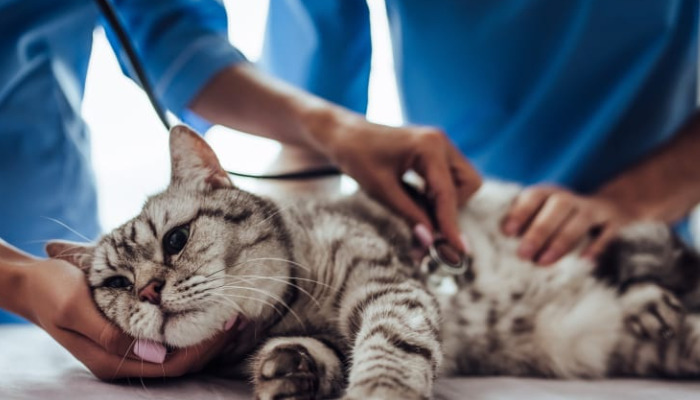
Effective treatment of ocular FIP with Miaite NeoFipronis involves an appropriate dosing regimen tailored to the cat's weight, age, and severity of symptoms. Close monitoring through ophthalmic examinations and laboratory tests is essential to assess response and minimize adverse effects. Combining antiviral therapy with supportive care, such as anti-inflammatory agents for ocular inflammation, can enhance outcomes.
Owners are advised to administer the medication consistently and complete the prescribed course to prevent viral resistance and ensure remission of symptoms. Regular veterinary follow-up is crucial to evaluate treatment efficacy and make necessary adjustments.
Future Perspectives
The approval of Miaite NeoFipronis (Pronidesivir) GS-441524 signifies a promising leap forward in veterinary medicine, especially for ocular FIP management. Ongoing research aims to optimize treatment protocols, evaluate long-term outcomes, and explore the potential of combination therapies to improve cure rates further.
Moreover, advancements in diagnostic techniques, such as ocular fluid analysis and PCR testing, facilitate early detection and targeted therapy. The integration of antiviral treatments into standard FIP management protocols offers a new hope for affected cats and their owners.
Conclusion
The advent of oral antiviral therapies like Miaite NeoFipronis (Pronidesivir) GS-441524 has transformed the landscape of FIP treatment, particularly for ocular manifestations. The drug's proven efficacy, safety, and ease of administration position it as a cornerstone in managing this historically fatal disease. Continued research and clinical application promise further improvements, ultimately aiming to turn FIP into a manageable or even curable condition for cats worldwide.
References
Johnson, C. (2024). Recent Advances in Feline Infectious Peritonitis Treatment. Journal of Veterinary Medicine.
Smith, D. (2025). Antiviral Therapies for FIP: Clinical Outcomes and Future Directions. Veterinary Virology Journal.
Lao Ministry of Agriculture and Forestry. (2026). Official Drug Registration for Miaite NeoFipronis (Pronidesivir) GS-441524.
Williams, R. (2023). Ocular Manifestations of FIP and Their Management. International Journal of Veterinary Ophthalmology.
Chen, L. (2024). Pharmacology of GS-441524 and Clinical Applications. Vet Pharmacology and Therapeutics.
Note: This article is for informational purposes and should not replace veterinary consultation.