Is a Swollen Belly a Sign of FIP in Cats
Feline Infectious Peritonitis, more commonly referred to as FIP, is one of the most confusing and feared diseases for cat owners and veterinarians. While it has been known for decades, new research continues to emerge about its causes, symptoms, and potential treatments. Among the various signs associated with FIP, a swollen belly is often cited as a hallmark. However, understanding how this ties into the disease process requires a nuanced look at feline health, diagnostic strategy, and disease progression. This article explores the relationship between abdominal swelling and FIP, offering clarity for concerned pet owners and veterinary professionals alike.
What is FIP and How Does It Affect Cats?
FIP is caused by a mutation in the feline coronavirus, which is a common virus among cats. Most cats exposed to feline coronavirus experience mild digestive symptoms or none at all. However, in a small subset—typically young cats or those with weakened immune systems—the virus mutates into a form that can spread throughout the body. This mutated virus provokes an abnormal immune response, resulting in widespread inflammation, most notably in the abdominal cavity, chest, and nervous system.
FIP is typically divided into two main forms: effusive (wet) and non-effusive (dry). The wet form is marked by the accumulation of fluid within body cavities, especially the abdomen and chest, while the dry form results in granulomatous changes in various organs without fluid buildup. Both types can be deadly, but the presence of a swollen belly is most commonly associated with the wet form.
The Swollen Belly Explained
When people notice a cat’s abdomen swelling noticeably, it is natural to worry. Abdominal distension can occur for many reasons, including obesity, pregnancy, organ enlargement, or fluid accumulation (ascites). In the context of FIP, the swollen belly is almost always due to ascites—an abnormal buildup of fluid within the abdominal cavity. This fluid is typically straw-colored, sticky, and rich in proteins, very different from other types of abdominal effusions seen in cats.
Cats initially affected by FIP may appear lethargic, lose their appetite, and develop a mild fever. As the disease progresses in its wet form, the belly begins to swell gradually. Fluid presses against internal organs, causing discomfort and sometimes impacting breathing if it moves upwards toward the chest.
Diagnostic Challenges
There is no single, simple test for FIP. Diagnosis often relies on a combination of history, clinical presentation, laboratory findings, and exclusion of other diseases. Veterinarians look for telltale findings such as persistent fever, weight loss, and ascites.
Fluid drained from the abdomen of a cat suspected to have FIP is analyzed for protein content, color, and cell count. Immunohistochemistry and PCR tests are increasingly used to help confirm the diagnosis, though even these may not be definitive on their own.
It’s important for pet owners to know that not every swollen belly means FIP. Conditions such as heart failure, liver disease, tumors, and severe malnutrition can also cause fluid accumulation in the abdomen. Understanding what makes FIP distinctive—such as persistent fever unresponsive to antibiotics, high protein content in abdominal fluid, and age/risk history—is crucial for accurate diagnosis.
Clinical Presentation Beyond the Belly
Apart from abdominal swelling, FIP presents with a wide array of symptoms depending on the organs involved. The wet form may cause fluid buildup not just in the abdomen but also in the chest, potentially leading to breathing difficulties. The dry form can manifest as neurological signs (such as seizures or behavioral changes), ocular disease (inflammation or cloudiness in the eyes), or general systemic wasting.
In the wet form, the progression is often rapid. Within weeks of the swollen belly becoming obvious, other symptoms may escalate, including jaundice (yellowing of the gums or eyes), anemia, or dehydration. In the dry form, the disease tends to be slower and more insidious, sometimes taking months before marked clinical changes occur.
Risk Factors and Susceptibility
Young cats—especially those adopted from shelters or catteries—are at an increased risk of FIP due to higher rates of exposure to feline coronavirus and stress factors. Purebred cats, particularly breeds such as Bengals and Abyssinians, may be disproportionately represented among FIP cases.
Highly crowded environments, such as rescue facilities or breeding catteries, can facilitate the spread of feline coronavirus. Not all cats exposed to the virus develop FIP, however; genetic, immunologic, and environmental factors play critical roles in whether the disease will develop.
Treatment and Care
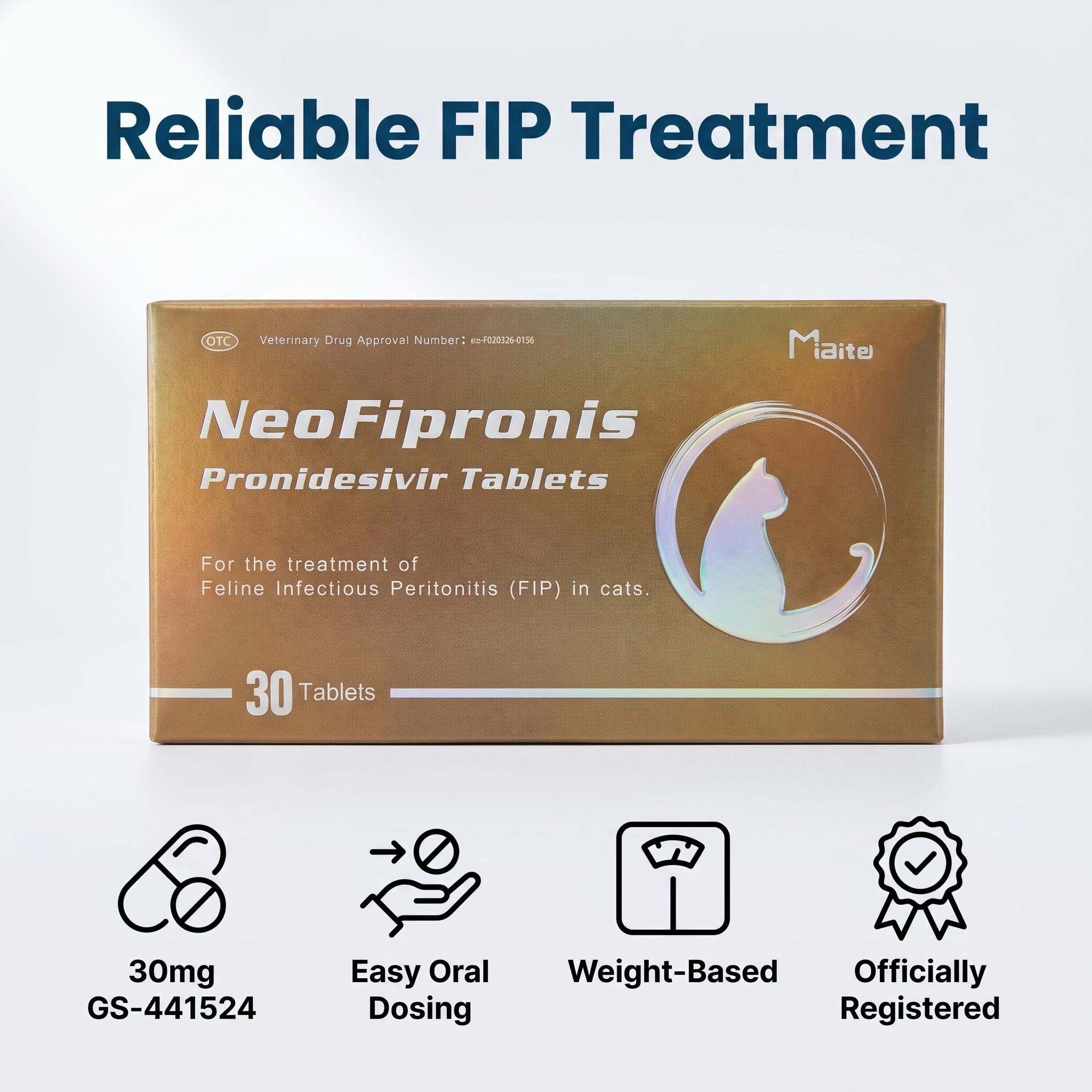
For decades, the diagnosis of FIP was regarded as a death sentence, with supportive care being the only option. In recent years, antiviral therapies (notably GS-441524 and related compounds) have shown promise in clinical trials and compassionate use cases. These drugs target viral replication and can produce dramatic improvements in some cats, especially when treatment begins early.
Supportive care remains essential, including managing dehydration, providing nutritional support, and controlling discomfort. When effusion is extreme, some veterinarians may drain fluid from the belly or chest to alleviate symptoms, though this does not alter disease progression.
Prognosis for untreated FIP, especially in the presence of visible abdominal swelling, is poor. Early intervention with emerging antiviral therapies may substantially improve survival times, turning what was once a uniformly fatal condition into a treatable disease for some cats.
Signs to Watch For and Veterinary Guidance
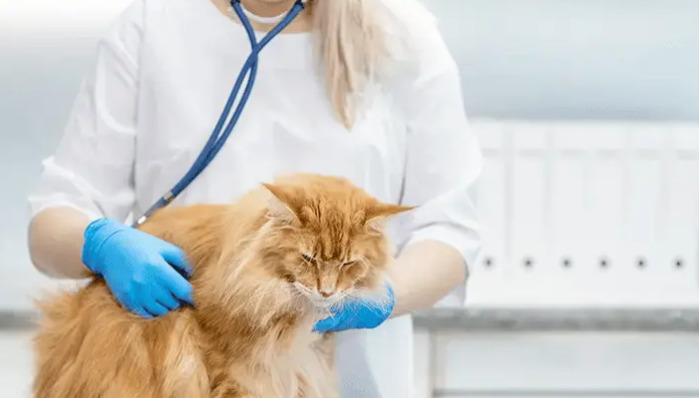
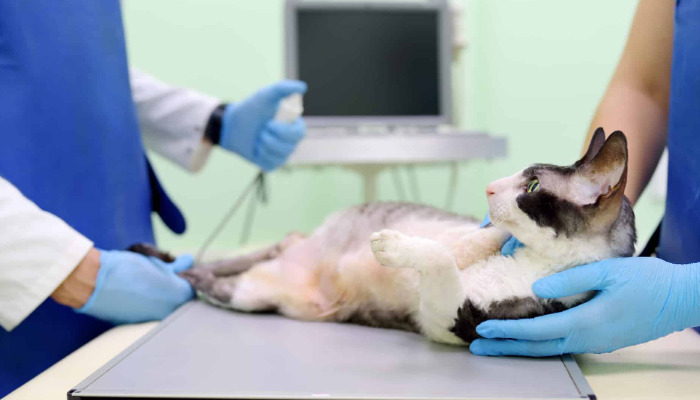
If a cat develops a noticeably swollen belly, accompanied by lethargy, loss of appetite, persistent fever, or breathing difficulties, prompt veterinary attention is critical. A veterinarian will conduct a thorough physical exam, recommend blood tests, and may perform ultrasound or X-ray imaging to assess fluid accumulation and organ involvement.
Owners should provide a full history of their pet’s symptoms, living conditions, and possible exposures. Early and accurate reporting improves the veterinarian’s ability to diagnose and manage FIP or other conditions causing abdominal swelling.
Differential Diagnosis
Many diseases can mimic the ‘FIP look’—a swollen belly with systemic illness. Heart failure can cause similar fluid accumulation. Liver disease, especially if severe, can also lead to ascites and jaundice. Certain tumors, particularly lymphoma, may present with abdominal swelling and weight loss. A complete diagnostic process is needed to separate FIP from these other serious conditions.
Tests may include routine blood work, imaging studies, and, when safe, a sample of abdominal fluid for analysis. The specific characteristics of FIP-related fluid (high protein, yellow color, low cell count) help to differentiate it from other causes. Molecular tests, although improving, still have limitations and may provide false negatives. As such, diagnosis often remains clinical, supported by supplementary testing.
FIP Myths and Misconceptions
Misunderstandings about FIP abound, particularly regarding transmission, prognosis, and prevention. FIP itself is not contagious; it is the benign feline coronavirus that spreads among cats. Only when this virus mutates inside a specific cat does FIP occur, and affected cats are not thought to transmit the mutated virus to others. Thus, the presence of a swollen belly in one cat due to FIP does not pose a direct risk to other cats, though hygiene and stress reduction remain important.
Some believe that vaccination or strict isolation can fully eliminate FIP risk. While vaccines for feline coronavirus exist, their efficacy is limited and they do not prevent FIP directly. Sound husbandry practices, avoiding crowding, stress, and maintaining robust immune health are the cornerstones of prevention.
Living with a Cat Diagnosed with FIP
For most pet owners, the diagnosis of FIP—especially if accompanied by a swollen belly—is emotionally devastating. Supporting your cat’s comfort and well-being becomes paramount, and open, honest communication with your veterinarian is key. Owners should ask about emerging treatments, such as antiviral medications, and discuss expectations.
Veterinary support may include pain management, appetite stimulants, and hydration therapy. Palliative care focuses on maximizing quality of life for whatever time remains. When antiviral therapy is available, close monitoring and adherence to treatment protocols are essential for success.
Caring for Other Cats in the Home
FIP itself is not directly contagious, but it does signal the presence of feline coronavirus in the environment. Owners must ensure other cats in the household are monitored for signs of illness, and keep stress to a minimum. Cleaning litter boxes regularly, avoiding overcrowding, and providing ample safe spaces can help reduce viral spread and stress.
Introducing new cats or kittens into a home with a recent case of FIP should be done cautiously. Consultation with your veterinarian about timing, hygiene, and risk assessment is advised.
Long-Term Outlook for FIP Research and Treatment
Research into FIP and its relationship with feline coronavirus has accelerated in recent years, driven by improvements in molecular biology and antiviral drug development. While much progress has been made, gaps remain in understanding exactly why some cats develop the deadly form and others never do.
Gene sequencing, immune profiling, and large-scale clinical trials are helping to reveal answers, with several promising drugs under investigation. For cats with visible abdominal swelling due to FIP, these efforts offer hope that diagnosis no longer needs to be an immediate death sentence.
Veterinarians and cat owners alike should stay abreast of new studies and treatment options, recognizing that today’s management strategies may shift as research advances.
Practical Tips for Cat Owners
Being alert to subtle changes in a cat’s health is vital. While a swollen belly warrants attention, not every case is FIP. Obesity, gastrointestinal problems, organ enlargement, or even pregnancy can all cause the abdomen to look distended. Only a veterinarian can distinguish between these causes based on thorough examination and testing.
Keep your cat’s environment clean, stress-free, and nutritionally sound. Regular veterinary checks enable early detection of many diseases, including FIP. If you notice signs consistent with fluid accumulation—such as a rounded, firm belly, breathing impairment, or sudden changes in appetite—schedule a veterinary appointment promptly.
Owners of shelter cats, purebreds, or kittens under one year old should maintain heightened vigilance for FIP signs, due to increased risk in these populations.
Summary Table: Causes of Abdominal Swelling in Cats
| Cause | Swollen Belly? | Other Common Signs | Diagnostic Approach |
|-|-|-||
| FIP - Wet Form | Yes | Fever, lethargy, appetite loss, high-protein fluid | Blood tests, fluid analysis, PCR |
| Heart Failure | Yes | Coughing, labored breathing | Imaging, echocardiogram |
| Liver Disease | Yes | Jaundice, vomiting, bleeding | Blood tests, imaging |
| Cancer (lymphoma) | Yes | Weight loss, mass palpable | Imaging, biopsy |
| Obesity | Yes | Larger size | Diet history, body condition scoring |
| Pregnancy | Yes (in females) | Pink nipples, behavioral changes | Exam, ultrasound |
| GI Disease | Sometimes | Vomiting, diarrhea, poor appetite | Blood work, imaging |
Understanding this table can help owners and veterinarians narrow down potential causes when presented with a cat suffering abdominal swelling. In all cases, thorough medical assessment is key.
References
Pedersen NC. "Feline infectious peritonitis: update on pathogenesis and diagnostics." Vet Clin North Am Small Anim Pract.
Kipar A, Meli ML. "Feline infectious peritonitis: still an enigma?" Vet Pathol.
Addie DD, Neiger R. "Coronavirus infections." Journal of Feline Medicine and Surgery.
Hartmann K. "Feline infectious peritonitis." Veterinary Clinics: Small Animal Practice.
Barker EN et al. "Detection of feline coronavirus by PCR in ascitic fluid from cats with suspected FIP." Journal of Feline Medicine and Surgery.
Gaskell RM, Dawson S, Radford AD. "Feline infectious peritonitis and coronavirus infection." Equine Infectious Diseases.
Tizard IR. "Feline infectious peritonitis and coronavirus pathogenesis." Advances in Veterinary Medicine.
Dewerchin HL, Cornelissen E, Nauwynck HJ. "Clinicopathological findings in feline coronavirus infections."
Sparkes AH. "Feline infectious peritonitis: Diagnosis and management." In Practice.
Felten S, Hartmann K. "Diagnosis of feline infectious peritonitis: a review." Veterinary Journal.