How to Manage the Side Effects of NeoFipronis (Pronidesivir)

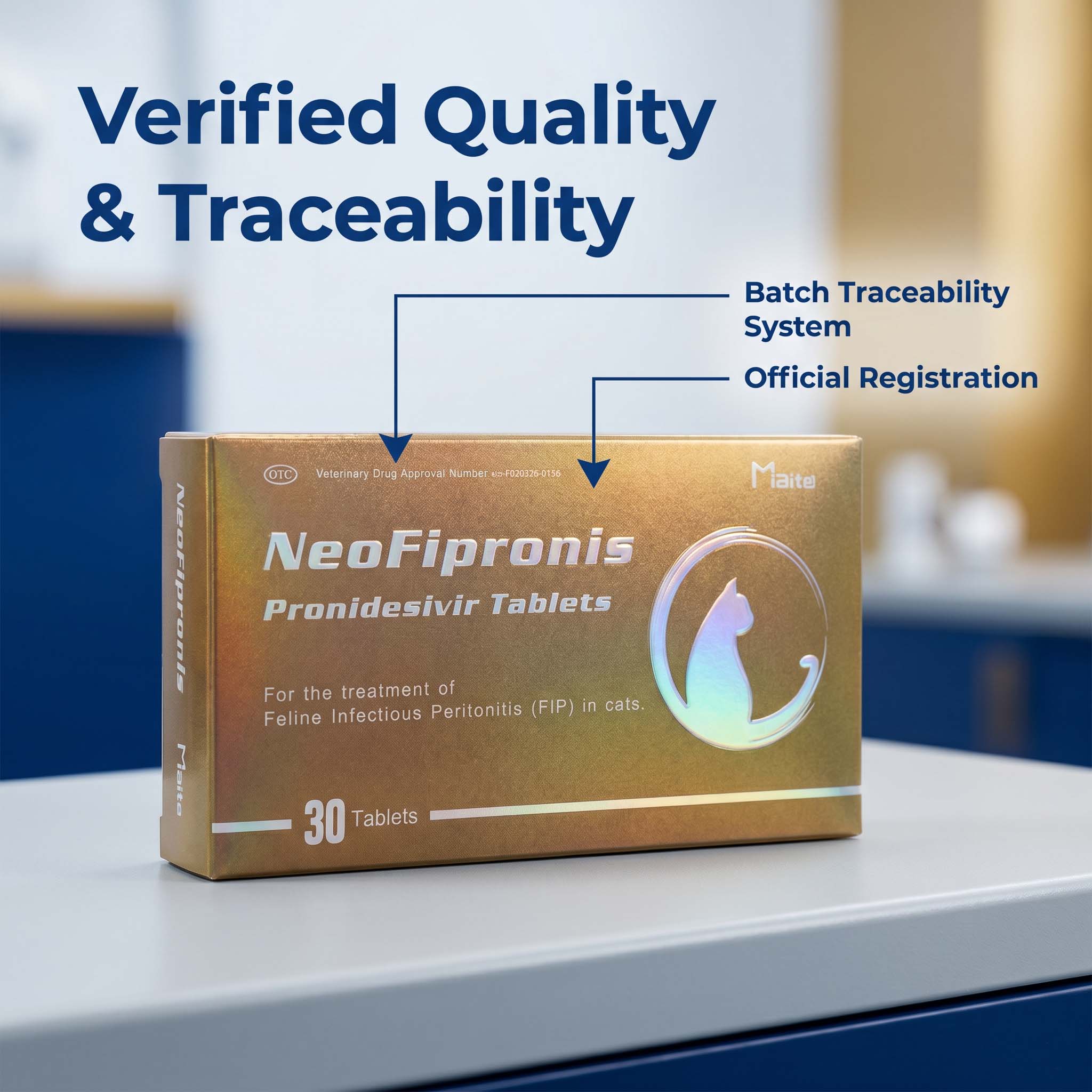
NeoFipronis (Pronidesivir), a GS-441524-based oral treatment used for feline infectious peritonitis (FIP), has become an important option for cats affected by this serious coronavirus disease. Many cats with FIP show symptoms such as poor appetite, lethargy, fever, abdominal fluid, chest fluid, enlarged lymph nodes, inflammatory granulomas, neurologic signs, and uveitis. While treatment is often well tolerated, some cats may still experience side effects during therapy. Knowing what to watch for can help owners respond quickly and keep treatment on track.
Common Side Effects to Watch For
Most side effects reported with GS-441524-type FIP therapy are mild and temporary. The most common concerns include decreased appetite, vomiting, soft stool, diarrhea, tiredness after dosing, and short-term gastrointestinal upset. Some cats may also show mild changes in liver enzymes or kidney values on bloodwork, especially if they are already weak or dehydrated from FIP. Less commonly, allergic-type reactions such as facial swelling, hives, or sudden breathing difficulty may occur and require urgent veterinary attention.
How to Reduce Gastrointestinal Upset
If your cat develops mild nausea or stomach discomfort, giving NeoFipronis exactly as directed is important, but supportive care can help. Offer fresh water at all times and keep the feeding routine consistent. If your veterinarian allows it, a small meal can sometimes ease nausea, although many treatment plans recommend dosing on an empty stomach for best absorption. For cats that refuse food, contact your vet early rather than waiting, because poor intake can worsen weakness and delay recovery. Never force a dose if your cat is actively vomiting without first asking a veterinarian for guidance.
Monitoring Appetite, Energy, and Body Temperature
Daily monitoring is one of the best ways to manage side effects during FIP treatment. Track your cat’s appetite, activity level, litter box habits, and temperature if you know how to check it safely. A cat that becomes more lethargic, stops eating, or develops a persistent fever may need a treatment review. Because FIP itself can cause dramatic changes, it is important to compare your cat’s current status with its usual baseline rather than guessing. Keeping a simple symptom log can make follow-up visits much more useful.
Bloodwork and Organ Function Checks
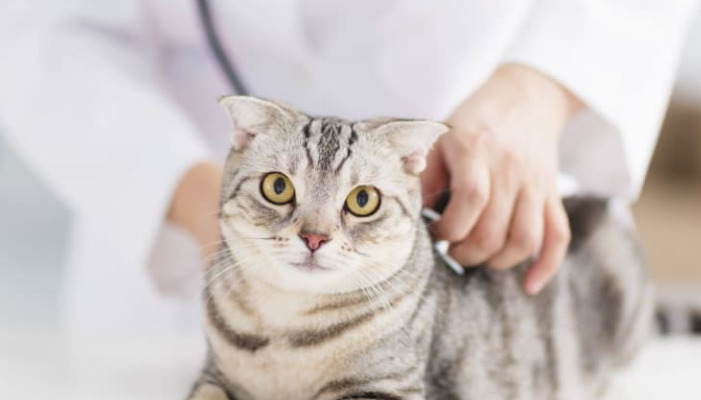
Regular veterinary monitoring is essential during NeoFipronis therapy. Blood tests help assess red and white blood cells, inflammation, liver values, kidney function, and overall response to treatment. If bloodwork shows rising liver enzymes, your veterinarian may recommend closer monitoring, nutritional support, hydration, or other adjustments. Cats with effusive, ocular, or neurologic FIP may need especially careful follow-up because their disease can be more complex and their response may change over time.
When to Seek Urgent Veterinary Help
Some reactions should never be ignored. Contact a veterinarian immediately if your cat has severe vomiting, repeated diarrhea, refusal to eat for more than a day, marked weakness, collapse, jaundice, facial swelling, difficulty breathing, or sudden worsening of neurologic or eye symptoms. These signs may indicate a significant adverse reaction, dehydration, or progression of disease. Fast intervention can prevent a manageable problem from becoming an emergency.
Safe Use During FIP Treatment
NeoFipronis should be used only in cats and only under veterinary supervision whenever possible. Do not skip doses, change the schedule on your own, or stop treatment early unless a veterinarian tells you to do so. Consistent dosing, careful monitoring, and prompt attention to side effects give cats with FIP the best chance of improvement. For product sourcing, always verify that the medicine comes from an official and reliable channel to protect quality and safety.
If you want, I can also turn this into a more blog-like SEO version with meta title, meta description, and H2/H3 keyword structure.