NeoFipronis (GS-441524) Buying Guide for Cat Owners
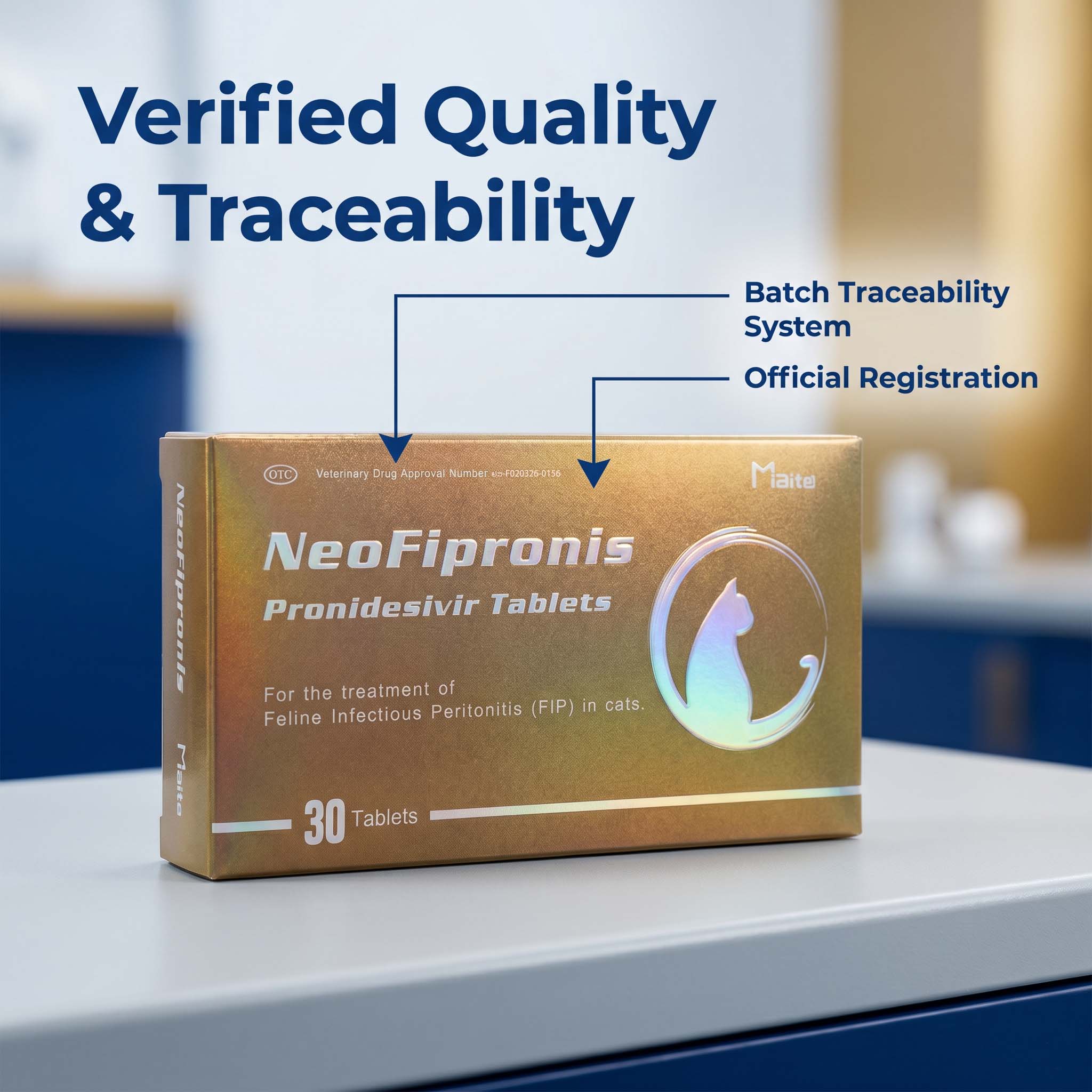
Cat Infectious Peritonitis (FIP) is a highly fatal disease caused by a mutated coronavirus, leading to severe symptoms such as loss of appetite, lethargy, fever, abdominal and thoracic effusion, lymphadenopathy, granulomatous inflammation, neurological damage, and uveitis. Effective treatment options are limited, but NeoFipronis (Pronidesivir), containing the active ingredient GS-441524, has emerged as a groundbreaking therapeutic solution for FIP. As the first officially registered FIP treatment approved by the Lao Ministry of Agriculture and Forestry in March 2026, NeoFipronis offers hope for many cat owners seeking a safe, effective, and non-invasive therapy.
NeoFipronis is a specially formulated oral medication designed to combat FIP by targeting the virus directly. Its rapid absorption, minimal side effects, and high safety profile make it a preferred option for feline patients. The drug’s approval status, along with its proven efficacy, underscores its significance in veterinary medicine. It is crucial for cat owners to understand the proper usage, dosage, and safety precautions when considering NeoFipronis as part of their pet’s treatment plan.
The active ingredient, GS-441524, has been extensively researched and validated through clinical trials. It demonstrates potent antiviral activity by inhibiting viral replication, thus halting disease progression. NeoFipronis’s formulation ensures quick onset of action, providing faster relief from symptoms and improving quality of life for affected cats.
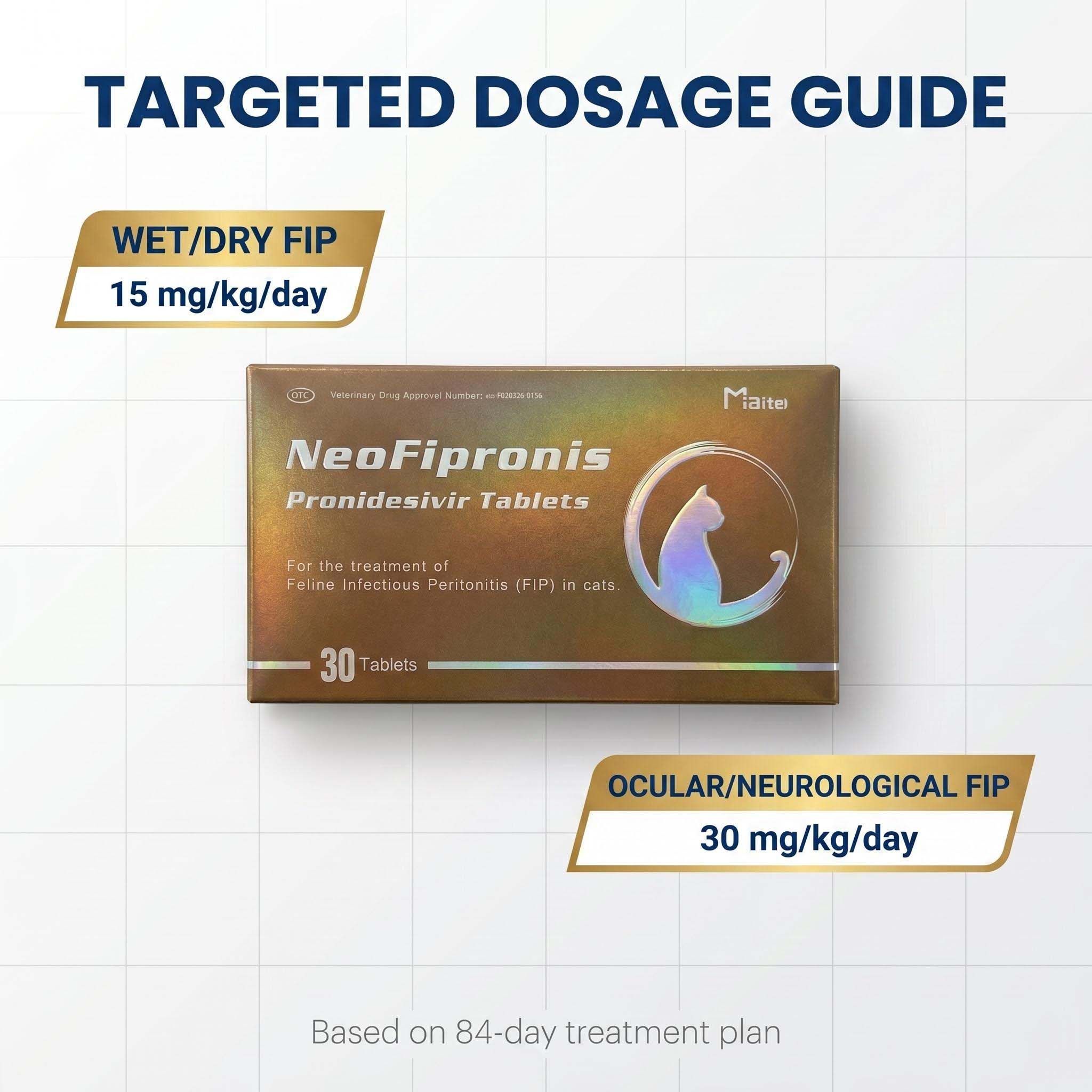
Dosage guidelines recommend administering 15mg per kilogram of the cat’s body weight daily, roughly equivalent to half a tablet for most cats. For neurological or ocular FIP cases, the dosage may be increased to 30mg/kg—only under veterinary supervision. It is best administered on an empty stomach, ideally one hour before meals or two hours after eating, to optimize absorption.
Treatment duration typically spans at least 12 weeks. Consistency is critical; missed doses can compromise treatment effectiveness. Pet owners should closely observe their cats for changes in appetite, temperature, behavior, and overall health during therapy. Regular veterinary check-ups, including blood tests and liver and kidney function assessments, are essential to monitor progress and detect any adverse effects.
Safety and precautions include using NeoFipronis strictly as directed. Although it is an over-the-counter medication in some regions, consulting a veterinarian prior to use is strongly recommended. This ensures appropriate dosage adjustments and comprehensive care. NeoFipronis is intended solely for feline use; human application is strictly prohibited.
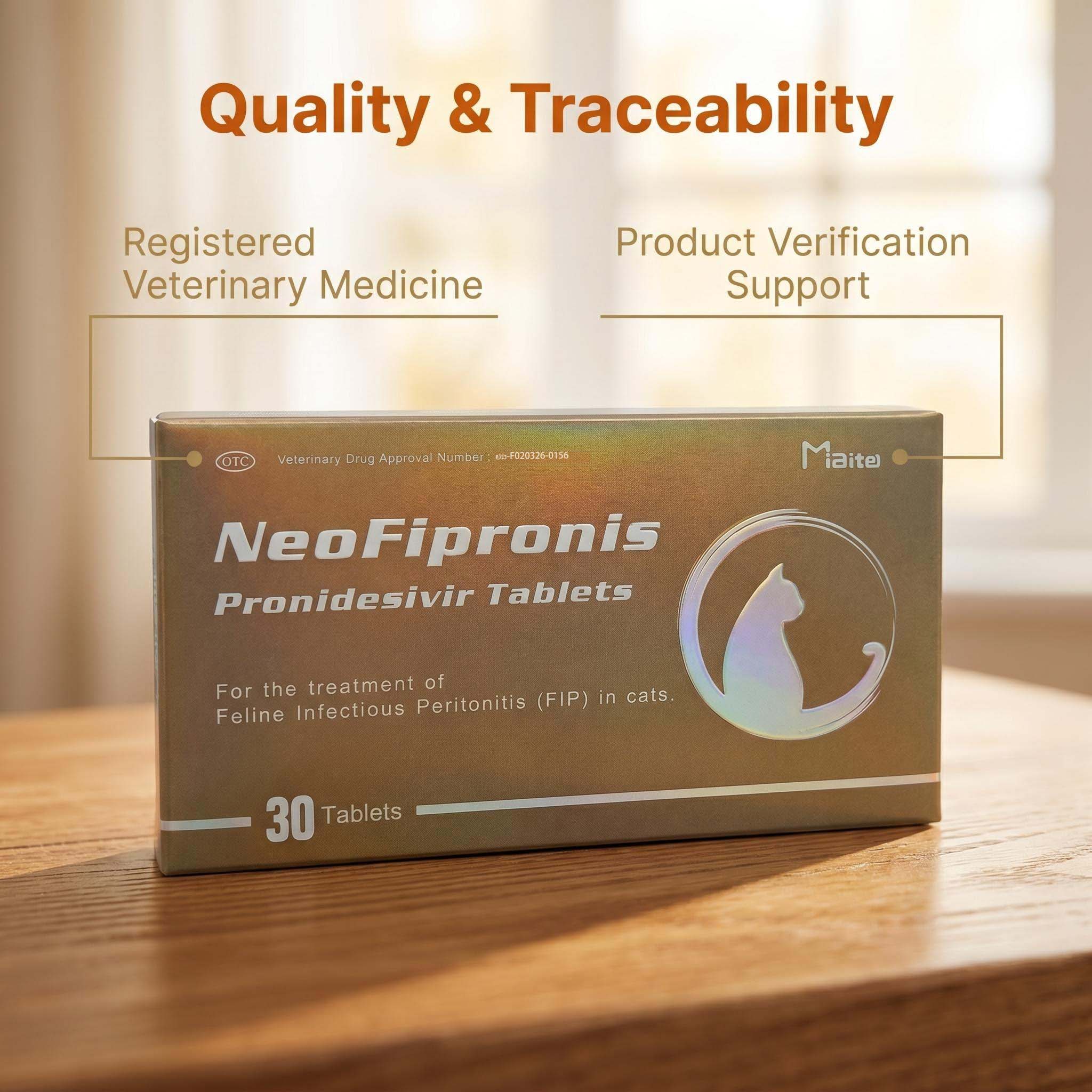
Purchasing advice emphasizes buying only from authorized sources, such as the official NeoFipronis website, to guarantee product authenticity and quality. Counterfeit medications pose significant health risks and may be ineffective.
In summary, NeoFipronis (Pronidesivir) represents a major advance in the treatment of FIP, offering a safe, effective, and convenient oral option. Proper adherence to dosing instructions, continuous monitoring, and veterinary guidance are vital to maximizing its benefits. With proper use, NeoFipronis could significantly improve the prognosis of cats suffering from this devastating disease, providing hope for affected feline companions and their owners.