How Long Should Cats Be Monitored After FIP Recovery

Feline Infectious Peritonitis (FIP) was once a universally fatal diagnosis in cats. Thanks to medical advances, novel antiviral treatments, and increased awareness among pet owners, recovery from FIP is now possible. Despite the optimism, questions remain regarding post-recovery care: particularly, how long should a cat be monitored after overcoming FIP? This article explores veterinary recommendations, understanding of FIP pathogenesis, the risk of relapse, health maintenance, and owner best practices for post-FIP care.
Understanding FIP and Its Recovery Process
FIP is a complex disease caused by a mutant strain of feline coronavirus. There are two major forms: wet (effusive) and dry (non-effusive). The symptoms range from abdominal distention to neurological signs, fever, weight loss, and lethargy. Antiviral treatments, notably GS-441524, have proven effective, but recurrence and complications can occur.
A cat considered “recovered” has completed a full course of medication, is clinically healthy with normalized laboratory values, and shows no signs of active FIP. However, FIP is an immune-mediated disease; thus, monitoring remains crucial. Determining the ideal duration for monitoring depends on several factors including the medication protocol used, the severity of infection, the presence of residual symptoms, age, genetic predispositions, and possible co-morbidities.
The Risk of Relapse After Recovery
Although most cats who recover from FIP live healthy lives, relapse can occur. Studies suggest that the first three to six months post-treatment are critical, as relapses most commonly manifest within this window. Relapses can present as recurrent fever, neurologic changes, or weight loss and may, in rare cases, indicate resistance to the antiviral medication or an underlying immunosuppressed state.
In addition to relapses, secondary issues may arise. These include weakened immunity, susceptibility to other infections, and potentially lingering neurological or ocular deficits if the central nervous system was involved during FIP.
Veterinary Monitoring Protocols
Veterinarians typically recommend close monitoring for at least six months following successful FIP treatment. This includes scheduled physical examinations, complete blood counts (CBC), chemistry profiles, and ultrasounds when indicated. Many protocols suggest monthly or bimonthly vet visits within the first six months, with gradual tapering to semi-annual checkups if the cat remains stable.
Blood tests are especially vital in the first weeks post-therapy, as many relapses reveal themselves in altered white blood cell counts, high globulins, or changes in liver/kidney enzymes. Monitoring coronavirus antibody titers can be useful for research or ongoing studies but is not always indicative of FIP recurrence. Owners should note subtle changes in behavior, appetite, and body condition score between veterinary visits.
Home Monitoring: Best Practices for Cat Owners
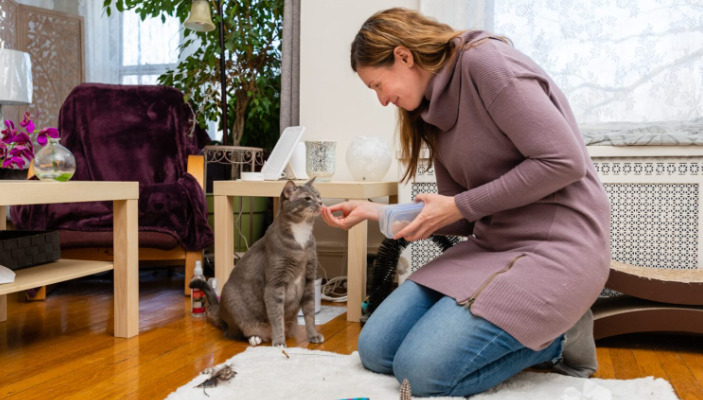
Owner vigilance is invaluable in the recovery phase. Daily observations of appetite, energy level, activity, and interactions are essential. Any shift towards lethargy, poor appetite, vomiting, diarrhea, abnormal breathing, neurological signs, or jaundice should prompt immediate veterinary consultation.
Regular weighing at home helps detect hidden weight loss and offers quantitative feedback. Grooming habits, stool consistency, urination patterns, and skin/coat condition should also be tracked. Technology now allows for mobile health logs—owners can record data and share with their veterinarian for real-time monitoring.
Environmental management is another aspect. To minimize stress and support immune function, maintain a clean, low-stress environment. Isolate the recovering cat from others if possible (especially those with weakened immunity) during the initial months. Ensure easy access to food, water, and litter boxes. Enrichment activities can help with cognitive recovery, particularly for cats recovering from neurologic FIP.
Timeframe for Post-FIP Monitoring
While most literature suggests a minimum of six months of close monitoring, some experts advocate for a full year of regular checkups for complicated FIP cases, especially those with neurological, ocular, or significant systemic involvement. After one year, if no signs of recurrence or secondary complications develop, routine annual or biannual wellness exams suffice, similar to any other healthy cat.
Monitoring beyond one year depends on individual health history, concurrent chronic diseases (like kidney or heart conditions), and age. Senior cats and those with underlying illnesses may need more frequent veterinary attention, even long after FIP recovery.
Laboratory and Imaging Follow-Up
Periodic laboratory evaluation is the cornerstone of monitoring. CBC, serum biochemistry, and total protein levels are critical. Some clinicians also recommend periodic abdominal ultrasounds, especially if there was effusive FIP or organ enlargement. Persistent abnormal blood values warrant more intense scrutiny and may necessitate further interventions.
If neurological FIP was present, routine neurologic examination and, when indicated, MRI imaging are advised. Ocular FIP necessitates regular slit-lamp exams and funduscopic assessment by a veterinary ophthalmologist.
The Psychological Impact on Cat Owners
Recovery from FIP is a joyous milestone, but anxiety regarding relapse can be profound. Education and communication from the veterinary team can help alleviate fears. Support groups, both in person and online, offer a community to share experiences and tips for ongoing care.
Owners are encouraged to maintain detailed records of their cat’s health, questions, and observations. Proactive communication with their veterinarian is key in the rare event of relapse or complications.
Preventing Future FIP Cases Among Household Cats
While there is no guaranteed prevention against FIP, awareness can limit spread and recurrence. Limit exposure of recovered cats to other feline coronavirus carriers. Litter hygiene, separate feeding areas, and minimizing overcrowding are recommended. New advances are underway in vaccine development, though none are universally effective or available as of this writing.
Breeders and shelters should use strict hygiene and population control, testing for coronavirus when possible. These strategies do not eliminate FIP risk but can minimize recurrence or re-infection.
Nutrition and Health Maintenance Post-FIP
Nutrition is foundational in supporting a recovering cat’s immune system. A high-quality diet tailored to the cat’s age and health status is recommended. Some veterinarians may suggest immune-supportive supplements, but these should only be used under professional guidance.
Adequate hydration, minimized stress, and proper weight maintenance are critical. If medications were used during treatment, monitor for any long-term side effects such as gastrointestinal symptoms or organ dysfunction.
Long-Term Outlook for Post-FIP Cats
A cat who has recovered fully from FIP and shows no signs of relapse after a year is likely to have a normal life expectancy. The long-term prognosis is excellent for most, although continued vigilance and periodic health assessments remain important.
Cases involving neurological or ocular FIP may retain some deficits, so long-term support and therapies are sometimes required. Regardless, the overwhelming majority of treated cats resume normal behavior and relationships.
Veterinary perspectives are evolving with ongoing research, so staying informed about new guidelines, treatment modalities, and monitoring recommendations benefits every pet owner.
Resources for Cat Owners
American Association of Feline Practitioners (AAFP) offers guidance for veterinary care and home monitoring.
Local veterinary clinics often provide post-FIP support services and can direct owners to local resources where available.
Online communities and non-profit organizations dedicated to FIP research and support networks can connect owners for information, fund-raising, or crisis management.
References
Pedersen, N.C., “Feline Infectious Peritonitis and GS-441524 Treatment,” Journal of Feline Medicine and Surgery, 2022.
Hartmann, K., “Feline Infectious Peritonitis: Advancements in Clinical Management,” Veterinary Clinics of North America: Small Animal Practice, 2023.
American Association of Feline Practitioners (AAFP), “Care and Monitoring of Recovered FIP Cats,” 2023.
Addie, D., “Feline Infectious Peritonitis: Diagnosis and Treatment Guide,” BSAVA Manual of Feline Practice, 2021.
Riemer, F.B., et al., “Clinical Outcomes and Risks in Cats Treated for FIP,” Veterinary Record, 2023.
Summers, B.A., “Pathology of Feline Infectious Diseases,” Saunders Comprehensive Veterinary Dictionary, 2022.