How Long Does FIP Treatment Take for Cats to Recover
Feline Infectious Peritonitis (FIP) is among the most devastating viral diseases for cat owners and veterinarians. Until recent years, a diagnosis of FIP was nearly always fatal. However, breakthroughs in understanding the disease and new treatments have significantly improved outcomes. Many cat owners now ask: How long does FIP treatment take for cats to recover? This question is crucial, as the timeline for therapy affects everything from prognosis to quality of life. Understanding the full scope of FIP, its treatments, and factors affecting recovery are essential for anyone caring for a cat diagnosed with this illness.
Understanding FIP and Its Impact
FIP is caused by a mutated form of feline coronavirus. While most cats infected with the non-mutated coronavirus show mild symptoms, the mutated virus triggers an intense immune response that leads to FIP. There are two primary forms: the "wet" (effusive) type and the "dry" (non-effusive) type. Wet FIP results in fluid accumulation in the abdomen or chest, while dry FIP affects organs and causes inflammatory lesions. Both forms can be rapidly progressive, often leading to death within weeks if left untreated.
For decades, FIP's diagnosis brought heartbreak since there were no proven treatments. Now, antiviral therapies—such as GS-441524 and others—have shifted the landscape, offering hope and real recovery to affected cats.
Typical Treatment Protocols for FIP
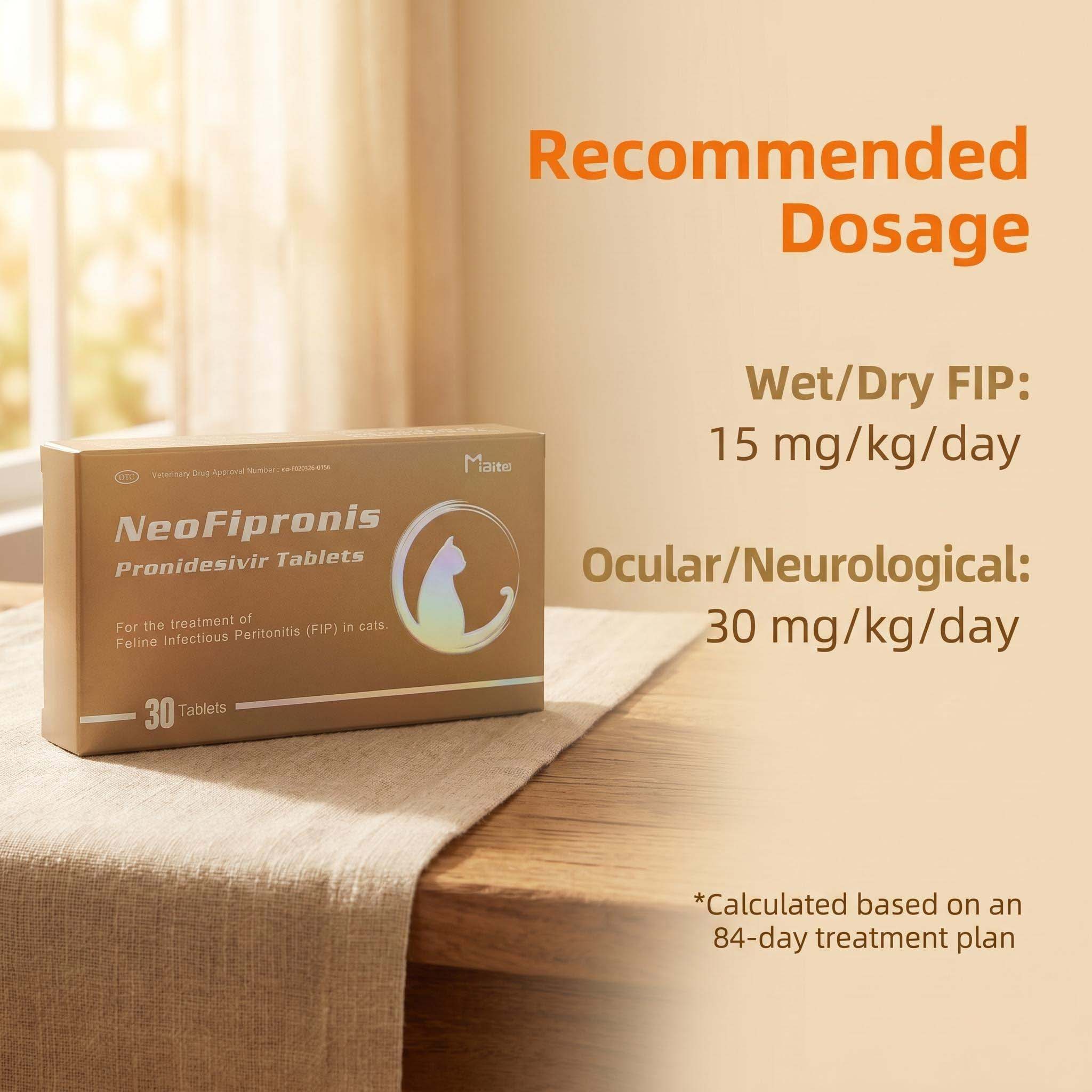
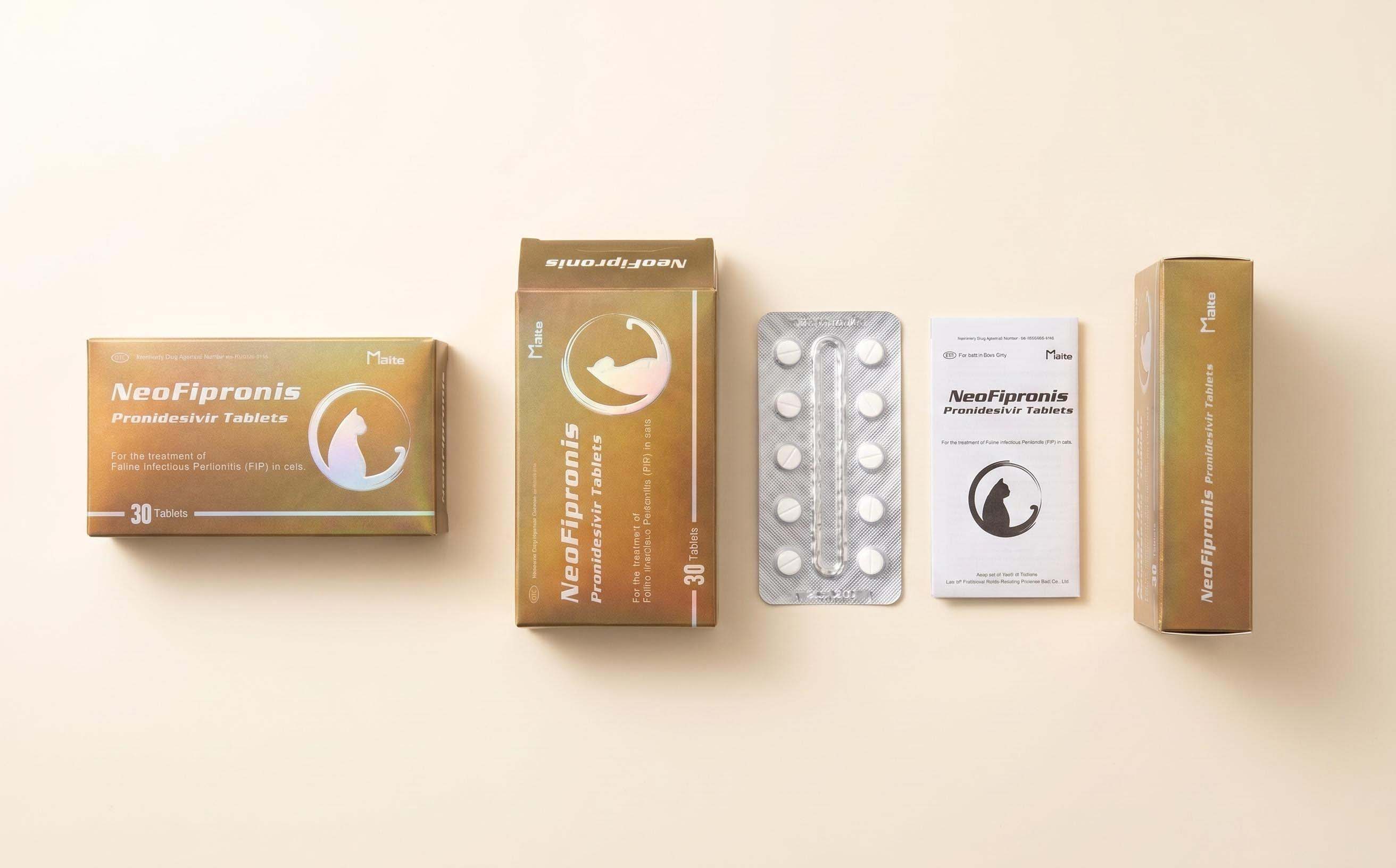
Most FIP therapies currently in use are based on antiviral medications, especially GS-441524, a nucleoside analog shown to halt viral replication. The standard treatment protocol involves daily administration of the drug for a set period. In the United States, this protocol often includes:
Daily oral or injectable GS-441524 (or similar drugs)
Treatment duration: typically 84 days (12 weeks)
Regular veterinary monitoring (bloodwork, physical exams)
Supportive care, including fluids, supplements, and nutritional support
The 84-day protocol is widely accepted because research has found it to be effective for most cases of FIP. If the cat demonstrates remission after this period, therapy may be stopped; otherwise, extension or adjustment may be necessary.
Factors Influencing Recovery Time
While the standard treatment duration is 84 days, several factors can influence the recovery timeline:
Form and Severity of FIP
Wet FIP often responds more quickly to treatment, as fluid accumulation can subside within weeks. Dry FIP may require longer treatment, as organ involvement takes more time to resolve.
Age and Health Status
Kittens and young cats may respond to therapy faster but may need careful monitoring due to their developing immune systems. Older cats or those with concurrent health conditions may require more time.
Response to Therapy
Some cats show dramatic improvement within days. Others, especially with severe disease or organ damage, may improve more gradually. Veterinarians will adjust treatment or supportive care depending on progress.
Relapses and Adjustments
A small percentage of cats may relapse after initial recovery, requiring repeated protocols. Recurrence can lengthen the total recovery time and necessitate further veterinary oversight.
After the 84-day course, blood tests are performed to check for lingering signs of infection or inflammation. Cats with normalized laboratory values and no symptoms are deemed to be in remission. Those with abnormal results may need additional weeks of therapy.
Timing for Recovery: What Owners Should Expect
Therapy for FIP is aimed at both curing the underlying infection and resolving clinical symptoms. Owners can expect the following:
Week 1-2: Rapid response is common. Many cats regain appetite, energy, and hydration quickly. Fever often subsides.
Week 3-8: Most symptoms (such as fluid buildup, lethargy, eye issues) continue to resolve. Veterinary visits focus on monitoring progress.
Week 9-12: Cats nearing the end of treatment often appear clinically normal. Final bloodwork ensures disease control before stopping therapy.
Post-treatment: Often, recovery is maintained and cats return to their previous health status. Some will need ongoing monitoring, as relapses are rare but possible.
Recovery is not instantaneous. Even after successful FIP therapy, some cats may experience lingering aftereffects—such as organ scarring or mild immune dysfunction—that resolve over subsequent months.
Critical Signs During Recovery
Monitoring your cat during FIP treatment is vital. Owners should watch for:
Appetite and weight changes
Energy and activity level
Fever or temperature spikes
Breathing changes (in wet FIP)
Neurological signs (uncoordinated movement, seizures)
Any relapse in symptoms should prompt immediate veterinary review. Early intervention can make a decisive difference in outcomes.
Role of Veterinarians During Recovery
Veterinary care remains central to FIP recovery. Labs, imaging, and physical exams assess progress and help adapt protocols. Owners should maintain open communication with their vets, and never adjust doses or stop treatment without guidance.
After completing therapy, most cats require follow-ups at set intervals—usually at one, three, and six months post-treatment. These visits check for delayed relapses, monitor residual health issues, and provide reassurance.
Prognosis After Treatment
The prognosis for FIP is dramatically improved compared to historic norms. Most cats completing the full treatment protocol and entering remission remain healthy, with life expectancy approaching normal.
Factors affecting long-term prognosis include:
Degree of organ damage prior to treatment
Type and severity of FIP
Overall immune function
Timeliness of intervention
Relapse rates are estimated at fewer than 10%. Survival after relapse depends on rapid reinitiation of therapy. The majority of cats treated with antiviral drugs return to their pre-FIP quality of life—active, healthy, and content.
Quality of Life During and After Treatment
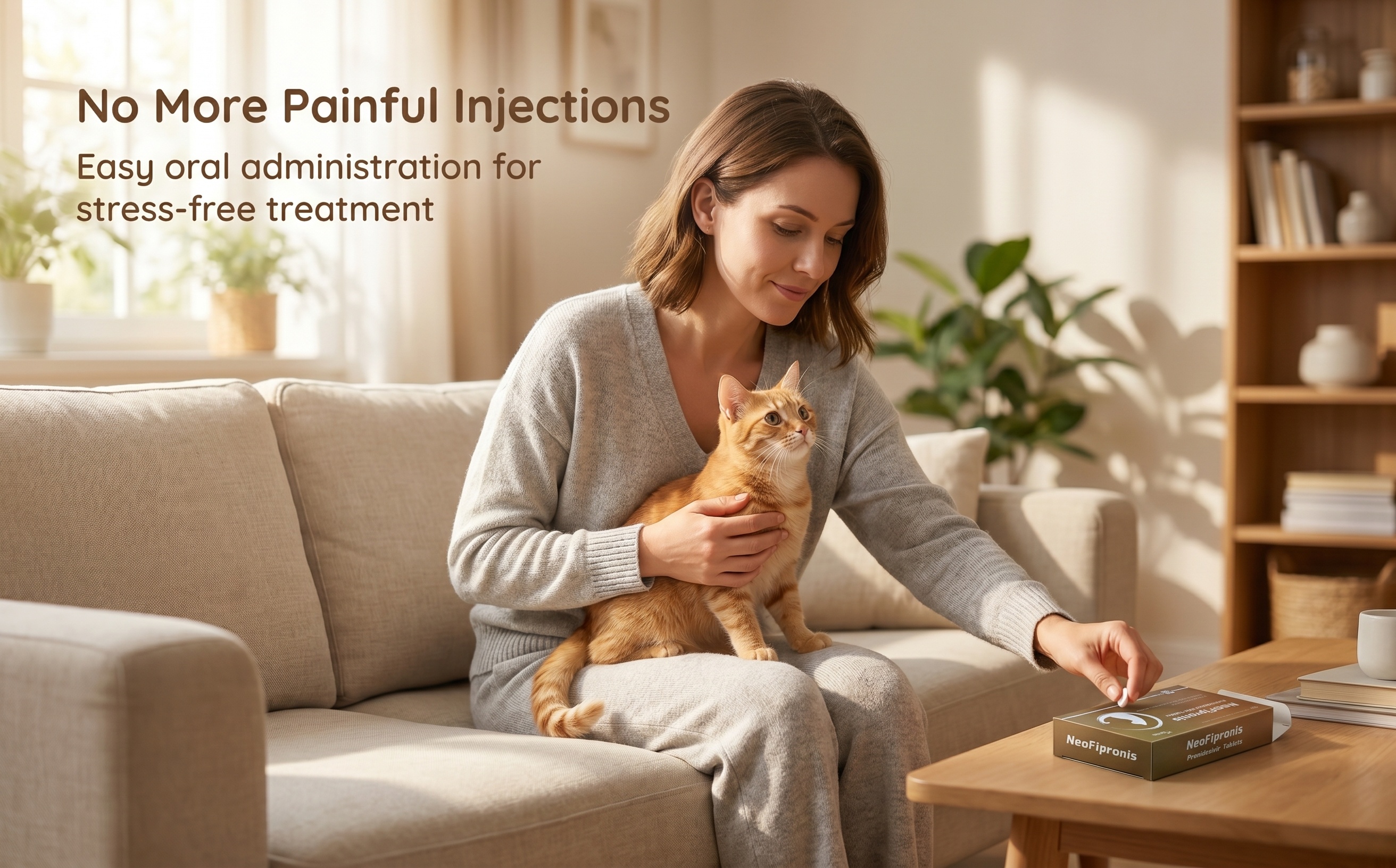
A major concern for cat owners is quality of life during treatment. The antiviral drugs used are generally well-tolerated, though injectable forms can be painful. Supportive care, such as anti-nausea medications or fluids, helps keep cats comfortable.
After recovery, most cats regain their normal behavior and vitality. Owners play a key role in monitoring and enriching their cat's life post-treatment, ensuring a full emotional and physical recovery.
Support Networks and FIP Communities
Navigating FIP treatment can be overwhelming. Community resources and online support networks (such as FIP Warriors and related groups) provide guidance, emotional support, and practical tips. Many families share their experiences and offer advice on managing daily care, medication schedules, and the emotional toll.
Research and Advances in Treatment
Ongoing clinical trials and studies are working to refine therapies and reduce treatment duration. New drugs and combination protocols may further improve outcomes and shorten recovery periods. Veterinarians stay up-to-date through continuing education and research publications, ensuring that cats benefit from the most current information.
Owners interested in clinical trials or cutting-edge therapies should consult veterinary specialists, especially those with expertise in infectious disease or feline medicine.
Practical Tips for Cat Owners
Prepare for the 12-week treatment commitment: organize medication schedules, set reminders, and arrange follow-up vet appointments.
Monitor your cat daily—track appetite, weight, activity, and symptoms.
Stay in touch with your veterinary team; report changes immediately.
Create a calm, enriched environment to reduce stress.
Seek emotional support from FIP communities, friends, and family.
Understand that gradual improvement is normal. Even after therapy, residual health issues may take months to resolve.
The Emotional Journey of FIP Recovery
Caring for a cat with FIP is emotionally challenging. The uncertainty, cost, and length of treatment can be stressful. Owners should acknowledge their feelings, seek support, and celebrate small gains as their cat improves.
Cats often respond to the compassion and care offered by their families. Many owners describe a deeper bond with their cat after recovery, shaped by the shared struggle and triumph.
Cost and Accessibility of Treatment
Financial considerations are a reality for many. Antiviral drugs for FIP, particularly GS-441524, can be expensive and are not always easily available. The total cost includes medications, veterinary visits, lab tests, and supportive care.
Some organizations offer financial support or discounted therapies. Owners should explore options and consult veterinarians about budgeting and access.
Current and Future Expectations
With current protocols, most cats recover within the 84-day timeline, though some may need additional weeks. Continued research may reduce necessary duration, increase cure rates, and make therapies more affordable.
For cats diagnosed with FIP, rapid action and commitment to therapy make all the difference. With proper medical care, support, and informed management, recovery is not just possible—it's increasingly expected.
References
Pedersen NC. "The History of Feline Infectious Peritonitis." Advances in Veterinary Medicine.
Addie DD, et al. "Feline Coronavirus—An Update." Veterinary Clinics of North America: Small Animal Practice.
Dye C, et al. "Antiviral Therapies for Feline Infectious Peritonitis: A New Hope." Journal of Feline Medicine and Surgery.
Izes AM, et al. "GS-441524 as Treatment for FIP: Clinical Outcomes." Veterinary Record.
Dai L, et al. "Clinical Use and Outcomes of GS-441524 for FIP." Frontiers in Veterinary Science.
Legendre AM, et al. "Treatment and Prognosis of FIP-Associated Neurologic Disease." Journal of Veterinary Internal Medicine.
Tasker S. "Advances in the Management of FIP." Veterinary Clinics of North America: Small Animal Practice.