Can Long-Term Health Management Reduce FIP Risk
Feline Infectious Peritonitis (FIP) remains one of the most challenging and concerning diseases among cats, causing considerable emotional and financial strain for pet owners. Despite advances in veterinary medicine, FIP is often fatal, making prevention a primary focus in feline health. This article explores the connection between long-term health management practices and the risk of developing FIP, drawing evidence from scientific research, veterinary recommendations, and real-world applications. The analysis covers environmental influences, nutrition, stress reduction, immunization protocols, genetics, and the importance of proactive veterinary care.
Understanding FIP and Its Impact
FIP is caused by a mutation of feline coronavirus (FCoV). While FCoV often leads to mild gastrointestinal issues or remains asymptomatic, the mutated form triggers a severe, systemic inflammatory response. Two primary forms exist: the wet (effusive) and dry (non-effusive) types, each presenting with distinct clinical symptoms, including fever, weight loss, abdominal fluid accumulation, jaundice, and neurological abnormalities.
The disease is most prevalent in multi-cat environments such as shelters, breeding catteries, and homes with several cats. Kittens and younger cats under two years are particularly susceptible, though FIP can affect feline of all ages. The high mortality rate and difficulty in diagnosis further intensify its impact on both pets and their owners.
Risk Factors and FIP Transmission
The transmission of FCoV occurs primarily through fecal-oral routes, with most cats exposed in environments where shared litter boxes, food bowls, and close contact are common. Stressful conditions, overpopulation, poor hygiene, and inadequate nutrition have been shown to contribute to higher rates of infection. However, not all cats exposed to FCoV develop FIP, suggesting additional factors—like immune function, genetics, and ongoing health status—play critical roles.
Role of Long-Term Health Management
Proactive health maintenance among cats centers around several key principles: anticipatory veterinary care, environmental control, nutritional balance, regular monitoring, stress minimization, and judicious use of vaccination and preventive medical interventions.
Environmental Management
Maintaining a clean, low-stress living environment is crucial for minimizing a cat’s risk of contracting FCoV and for reducing viral mutation rates. Key strategies include:
Regular cleaning and disinfection of litter boxes, food and water bowls, and bedding
Limiting population density in multi-cat households or facilities
Ensuring good air circulation, proper waste disposal, and frequent sanitization
Segregating sick or FCoV-positive cats from the rest of the population
Studies have shown that multi-cat environments with poor hygiene can have FCoV prevalence rates over 80%, whereas homes with rigorous cleaning routines and smaller populations display significantly lower infection rates. Isolation protocols during suspected FIP cases further minimize community spread.
Nutrition and Immunity
Nutrition plays a vital role in strengthening the immune system. Cats fed a balanced diet rich in high-quality protein, essential fatty acids, antioxidants, and vitamins are better equipped to fight off viruses. Some research suggests diets containing omega-3 fatty acids and antioxidants may help modulate inflammatory responses and provide enhanced cellular protection.
Vitamin E, selenium, and taurine also support immune resilience, making regular assessment of nutritional intake an important part of long-term management. Obesity and malnutrition are recognized risk factors for immune suppression; establishing a healthy feeding routine and monitoring weight helps mitigate these risks.
Stress Reduction
The feline stress response directly impacts immune function. Chronic stress—stemming from overcrowding, frequent changes, loud noises, and lack of enrichment—can precipitate immunosuppression and increase the likelihood that FCoV infection will progress to FIP. Preventive practices include:
Providing vertical space and hiding spots for each cat
Avoiding frequent introductions of new cats
Using pheromone diffusers or other calming agents
Creating predictable routines and reducing environmental instability
Research indicates that cats experiencing high-stress environments display increased rates of FIP compared to those in calm, stable homes.
Veterinary Monitoring and Early Intervention
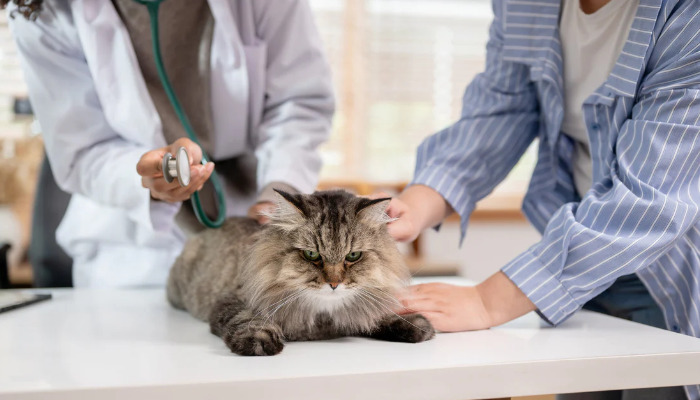
Routine veterinary care forms the backbone of feline health management. Regular check-ups facilitate early detection of FCoV exposure, monitor weight and immune parameters, and ensure prompt intervention if signs of disease appear. Testing for FCoV antibodies in high-risk settings allows targeted isolation or treatment.
Veterinarians can also advise on vaccination schedules, parasite control, and the best preventive medicines for individual cats. Tailored wellness plans help maintain overall health, lower infection risk, and provide owners with actionable strategies.
Genetic Selection and Breeding Programs
Genetic resilience to FIP has become a focus in breeding programs. Some breeds and lines display a lower tendency toward FCoV mutation, suggesting a hereditary component. Responsible breeders screen for susceptibility and minimize inbreeding, reducing the risk for future generations.
Utilizing genetically diverse breeding pools and avoiding mating of FIP-positive carriers lower the chances of passing vulnerability to offspring. Health registries and early genetic testing continue to improve outcomes.
Vaccination and Preventive Therapies
The current FIP vaccine is controversial and not universally recommended, especially in the United States. Some studies question its efficacy, as immunization may not offer comprehensive coverage against all FCoV variants. However, other proactive therapies are under investigation, including antiviral drugs and immune-modifying agents.
Veterinarians consider risk profiles and household circumstances when recommending preventive treatments. United efforts in research and technology are likely to increase options for prevention in the near future.
Real-World Outcomes and Owner Perspectives
Real-life data from shelters, breeders, and private homes reveal that sustained health management efforts consistently reduce the prevalence of FCoV, the incidence of FIP, and mortality rates. Owners who prioritize clean environments, individualized care, and early medical attention observe longer lifespans, higher quality of life, and reduced disease outbreaks.
Testimony from veterinary professionals further confirms the benefits of long-term strategies. The link between ongoing health monitoring, stress reduction, and robust immune function presents a practical roadmap for minimizing FIP risk. Literature reviews and case studies identify clear best practices, emphasizing that while FIP cannot be entirely prevented, diligent management substantially lowers the threat.
Challenges and Knowledge Gaps
Several hurdles remain, including the unpredictable nature of FCoV mutation, asymptomatic carriers, limitations in diagnostic testing, and regional variability in FIP prevalence. Balancing individual freedom for cats with optimal public health policies presents ongoing difficulties, especially in shelter environments.
Continued research aims to clarify:
Which nutritional and environmental factors best support immunity
How stress cascades molecularly into disease progression
Which genotypes offer greatest resistance to FIP
The most effective protocols for preventing and treating FCoV infections
Implications for Pet Owners, Breeders, and Veterinarians
Empowering all stakeholders with knowledge about FIP’s dynamics and proven management strategies fosters a community-wide reduction in risk. Owners can take manageable steps: regular cleaning, enrichment, veterinary visits, and nutritional assessment. Breeders can focus on genetic screening and low-density housing. Veterinarians champion education, ongoing monitoring, and research into better prevention.
Universal adoption of long-term health management increases the probability of keeping cats FIP-free. Evidence-based adjustments to daily practice, especially in high-risk environments, continue to make significant differences.
References
1. Pedersen NC. A Review of Feline Infectious Peritonitis Virus Infection: 1963–2008. J Feline Med Surg. 2009;11(4):225-258.
2. Addie DD, et al. Feline Coronavirus, Feline Infectious Peritonitis and Feline Enteric Coronavirus. Vet J. 2012;193(1):20-27.
3. Dewerchin HL, et al. Feline Infectious Peritonitis: Host Genetics and Management. Vet Immunol Immunopathol. 2005;108(1-2):1-7.
4. Cave NJ, et al. Nutrition and the Immune Response in Cats. JFMS. 2017;19(8):793-803.
5. Hartmann K. Feline Infectious Peritonitis. Vet Clin North Am Small Anim Pract. 2005;35(1):39-79.
6. Foley JE, et al. Feline Infectious Peritonitis: Epidemiology and Prevention. Vet Clin North Am Small Anim Pract. 1995;25(3):651-663.
7. Kipar A, Meli ML. Feline Infectious Peritonitis: Still an Enigma? Vet Pathol. 2014;51(2):437-456.
8. Tasker S, et al. Diagnosis and Management of FIP. JFMS. 2018;20(4):324-336.
9. Stoddard RA, et al. Genetics of Host Susceptibility to Feline Coronavirus and FIP. Vet Immunol Immunopathol. 2015;164(3-4):80-88.
10. Levy JK, et al. Shelter Practices Involving Feline Coronavirus and FIP. JFMS. 2017;19(8):797-806.