Can FIP Be Diagnosed Through Ongoing Observation
Feline Infectious Peritonitis (FIP) is a notorious disease among cat owners and veterinarians, known not only for its complexity but also for its potentially devastating impact. Caused by a mutation in the feline coronavirus (FCoV), FIP presents a unique diagnostic challenge. Many cat caregivers wonder if continuous observation of clinical signs and behaviors can lead to an accurate diagnosis. This question is particularly relevant as advanced diagnostic tools are not always accessible. Examining the role of ongoing observation in diagnosing FIP requires an understanding of the disease’s nature, the clinical signs it presents, and the limitations of non-laboratory methods.
Understanding FIP
To appreciate the challenges in diagnosing FIP through observation, it is crucial to recognize what FIP is and how it develops. FIP is usually the result of a mutated form of the relatively common feline coronavirus. While most cats exposed to FCoV show mild or no symptoms, a small subset experiences a mutation of the virus, triggering an aggressive inflammatory response. This can manifest in “wet” (effusive) and “dry” (non-effusive) forms. The wet form is characterized by fluid accumulation in the abdomen or chest, while the dry form involves organ-specific lesions without fluid buildup. The clinical variability is what makes FIP a diagnostic enigma.
Role of Ongoing Observation
Many cat owners and veterinarians begin with observation—daily scrutiny of a cat’s physical and behavioral state. This is a valuable first step, as FIP can initially resemble more common feline diseases. Subtle warning signs may include persistent fever unresponsive to antibiotics, weight loss, lethargy, poor appetite, and changes in coat quality. As the disease progresses, more distinct symptoms arise: abdominal distension, difficulty breathing due to fluid buildup, neurological signs, and ocular changes. The sequence and pattern of symptoms often prompt suspicion, leading to further diagnostics.
Ongoing observation also helps differentiate FIP from other illnesses. For example, a fever that does not resolve with antibiotics is a red flag. Continuous weight decline, even when feeding behavior remains unchanged, may point towards systemic illness. Neurological signs like loss of coordination, seizures, or abnormal eye movements indicate possible spread to the nervous system, as seen in some cases of dry FIP.
Limitations of Observation-Only Diagnosis
Despite its importance, observation has clear limits. The problem lies in the fact that the signs of FIP overlap considerably with those of other conditions, including lymphoma, bacterial infections, and autoimmune diseases. Thus, while observation allows the identification of patterns consistent with FIP, it cannot definitively differentiate it from other diseases presenting with similar features. For accurate diagnosis, correlation with laboratory findings is essential.
Diagnostic tools such as polymerase chain reaction (PCR), immunohistochemistry, and antibody testing can help confirm the presence of the mutated virus. Fluid analysis in cases of effusive FIP gives valuable information. The physical characteristics of the fluid—yellowish, viscous, and high in protein—can be suggestive. However, none of these laboratory markers is fully specific; there is no single blood test or imaging finding that alone can confirm FIP. Thus, ongoing observation remains a necessary part of a multifactorial approach.
Case Studies
In clinical practice, many diagnoses begin with ongoing observation. For example, a young cat recently adopted from a shelter presents with lethargy and a fluctuating fever. Initial blood work shows mild anemia and elevated liver enzymes, but no obvious cause emerges. Daily observation reveals progressive loss of appetite, then abdominal enlargement. Joint consultation between owner and veterinarian, based on extracted fluid findings and medical imaging, eventually leads to suspicion of FIP, which is later confirmed with advanced testing.
A more complex example involves a multi-cat household where one cat begins to show neurological symptoms—circling, vision changes, twitching—alongside weight loss. The owner notices subtle behavioral changes weeks before the neurological signs. Only after careful observation and correlation with laboratory tests does the veterinarian arrive at a probable diagnosis.
Integrating Ongoing Observation with Modern Diagnostics
While observation alone cannot yield a definitive diagnosis, its integration with other diagnostic methods enhances sensitivity and specificity. For example, a cat presenting with persistent fever, ascites, and marked lethargy strongly suggests FIP. If ongoing observation reveals the gradual onset of symptoms and worsening over days to weeks, the suspicion grows. Physicians then employ tools like abdominal ultrasound, analysis of effusion, PCR for viral RNA, and immunological testing to support their clinical impressions.
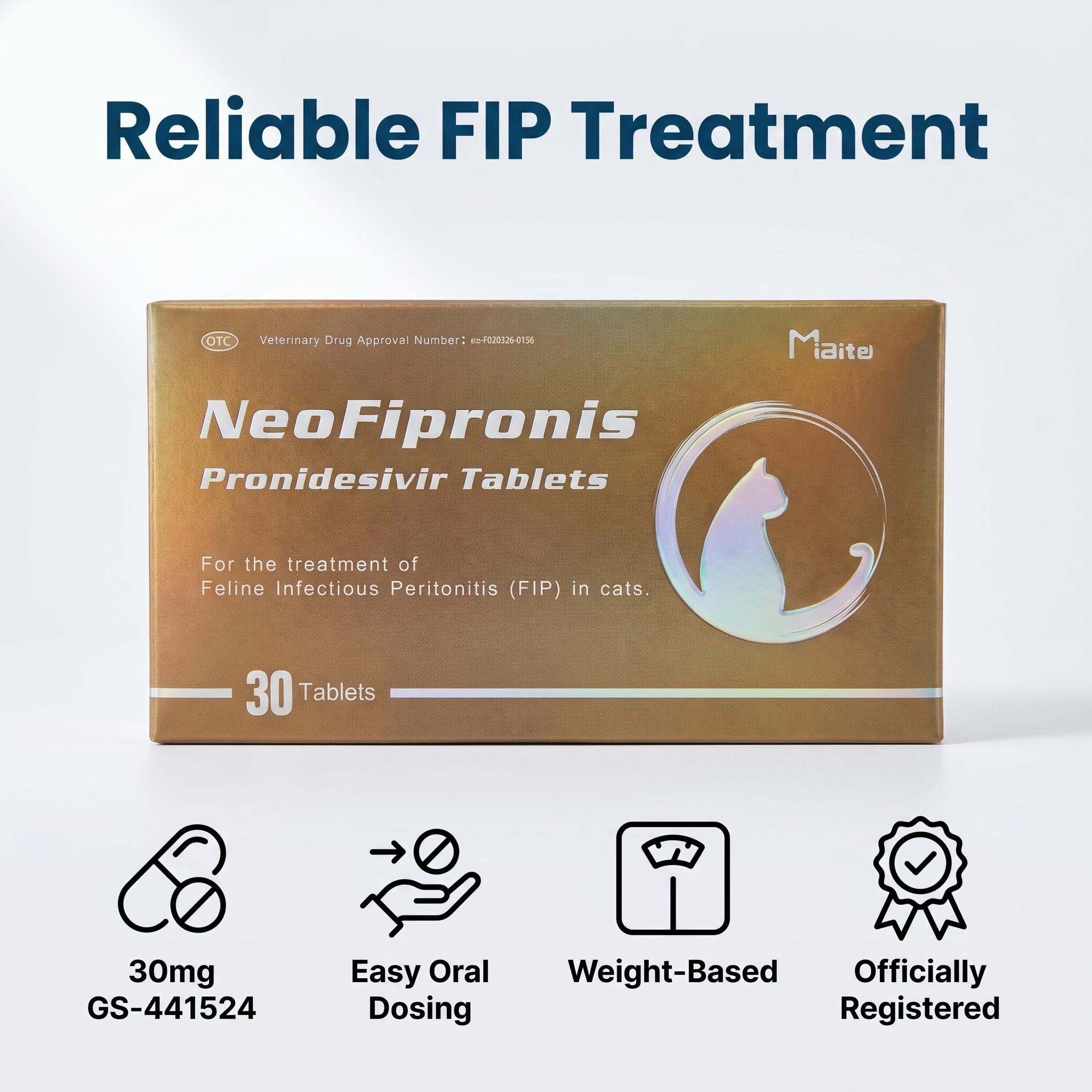
In recent years, newer therapies have made timely diagnosis more urgent, as antiviral drugs for FIP are increasingly available. Here, close ongoing observation can prompt earlier intervention but must be paired with laboratory confirmation before treatment is initiated.
Behavioral Signs
Aside from physical manifestations, changes in behavior serve as significant indicators during ongoing observation. Cats with FIP may become withdrawn, lose interest in play, or show avoidance behaviors. Some may vocalize more due to discomfort; others hide and sleep longer than usual. Owners familiar with their cat’s normal routines are often the first to notice these discrepancies. While not specific to FIP, behavioral signs are valuable clues that, when interpreted alongside clinical findings, can aid in the diagnostic process.
Fluid Dynamics and Observation
Observation of fluid accumulation is particularly pertinent in effusive FIP. Owners might notice a sudden increase in abdominal size or difficulty breathing. Veterinarians, upon examination, may palpate fluid or use medical imaging to confirm its presence. Observation of the rate of fluid accumulation, its color, and associated clinical decline helps distinguish FIP from other causes of effusion, such as heart failure or malignancy. Recurrent observation reveals the progressive nature of FIP, which can be a distinguishing feature.
The Role of Differential Diagnosis
Ongoing observation merits further discussion in the context of differential diagnosis. Many conditions, such as pancreatitis, liver disease, heart ailments, and even systemic fungal infections, mimic FIP’s presentations. By noting the progression, severity, and sequence of observed symptoms, veterinarians can narrow the list of potential diagnoses. For instance, if a cat with effusive symptoms does not show improvement after aggressive treatment for other probable causes, suspicion for FIP increases. Rather than relying solely on observation, its greatest value appears in clinical decision-making—periodic reevaluation, identification of new symptoms, and monitoring of therapeutic response.
Owner’s Role in Ongoing Observation
Veterinarians rely heavily on cat owners for accurate observation. Owners are uniquely positioned to monitor subtle changes in appetite, energy levels, grooming behavior, and interactions with other pets. Detailed reports of observations bolster the veterinarian’s ability to evaluate the situation. Owners who document symptoms in a diary, note medication responses, and communicate regularly can significantly aid in early detection and treatment.
Veterinary Challenges
For veterinarians, diagnosing FIP based primarily on observation can be fraught with uncertainty. Even with long-term monitoring, overlapping symptoms mean that many other diseases must be ruled out. Emergency situations, such as sudden onset breathing difficulties, may prompt quick action based on observed symptoms and risk factors, but laboratory confirmation remains best practice. The challenge lies in balancing the urgency of treatment with the need for certainty.
Technology and Future Prospects
Current advances in veterinary medicine seek to address the diagnostic ambiguity surrounding FIP. Real-time PCR, next-generation sequencing, and improved imaging technologies provide more accurate tools. Future progress may lead to a point where ongoing observation is supported with in-home therapeutic monitoring devices, granting both owners and veterinarians continuous clinical information. Improved understanding of FIP’s immunological and genetic underpinnings could also refine the observational cues we rely on.
Ethical Considerations
Some owners, restricted by finances or geography, may only have observation as their main diagnostic method. Ethical concerns arise when treatment decisions are made based on limited evidence. The veterinarian’s responsibility is to educate about the uncertainties and risks, balancing compassionate care with diagnostic rigor.
Therapeutic Implications
In recent years, antiviral therapies for FIP have shifted the landscape. Early recognition through careful observation can aid prognosis, but exact diagnosis ensures safety and efficacy of intervention. Misdiagnosis can be devastating; accidental use of potent antivirals in non-FIP conditions is both risky and costly. Thus, observation triggers further testing but never replaces it.
Community Perspective
Online communities and support groups for cat owners serve as platforms to share experiences and observational tips. These grassroots efforts advance collective understanding, but sometimes spread misinformation. Professional guidance is always paramount.
The Importance of Reassessment
Even after suspected FIP diagnosis, ongoing observation does not cease. Monitoring response to therapy, emergence of new symptoms, or relapse is vital for prognosis. Continuous observation post-diagnosis helps guide ongoing care and decisions about quality of life.
Practical Steps for Owners
For owners, several practical steps can optimize the diagnostic process when FIP is suspected:
1. Document all changes in appetite, behavior, weight, and appearance.
2. Record physical symptoms, including fever, swelling, breathing difficulty.
3. Communicate with veterinarians at regular intervals, providing clear and detailed reports.
4. Seek prompt medical attention if symptoms worsen.
5. Understand that observation may prompt additional testing and that laboratory confirmation remains the diagnostic gold standard.
Summary Table: Observation Guidelines
| Symptom | Notes on Observation | Indicative of FIP? | Next Steps |
||-|-|-|
| Unresolved fever | Lasts >1 week, despite antibiotics | Highly suspicious | Examine, consider lab work |
| Weight loss | Rapid and unexplained | Possible in FIP | Blood tests |
| Abdominal distension | Sudden onset | Suggests effusive FIP | Ultrasound, fluid analysis |
| Neurological signs| Gradual or sudden onset | Possible in dry FIP | Imaging, neurological exam |
| Behavioral change| Withdrawn, hiding, vocalizing | Non-specific | Comprehensive vet evaluation |
Conclusion
Ongoing observation remains central to the diagnosis of FIP, especially in contexts where advanced testing is delayed or unavailable. Clinical vigilance, detailed tracking, and caregiver-veterinarian teamwork form the basis for timely suspicion and management. Ultimately, laboratory diagnostics must supplement observations for an accurate and confident diagnosis. As medical technology and therapeutic options expand, the partnership between vigilant observation and scientific confirmation grows ever more essential.
References
1. Pedersen, N. C. (2014). An update on feline infectious peritonitis: Diagnostics and therapeutics. Veterinary Journal.
2. Kipar, A., & Meli, M. L. (2014). Feline infectious peritonitis: Still an enigma? Veterinary Pathology.
3. Addie, D. D., & Jarrett, O. (2012). Feline coronavirus infections. Infectious Disease Clinics of North America.
4. Hartmann, K. (2005). Feline infectious peritonitis: Recent advances in diagnostics and treatment. Laboratory Animal.
5. Stranieri, A., et al. (2018). Diagnostic Challenges of Feline Infectious Peritonitis: Clinical Approach and Potential Future Developments. Journal of Feline Medicine and Surgery.
6. Dewerchin, H. L., & Cornelissen, E. (2021). Advances in feline coronavirus diagnostics. Veterinary Microbiology.
7. Cave, T. A., Golder, M. C., Simpson, J., & Addie, D. D. (2004). Risk factors for feline coronavirus seropositivity in cats in the United Kingdom. Journal of Feline Medicine and Surgery.