Is Digestive Health Related to FIP Risk
Abstract
Feline Infectious Peritonitis (FIP) remains a devastating disease affecting cats worldwide, arising from a mutated form of feline coronavirus (FCoV). While much attention has been focused on the immunological and genetic risk factors associated with FIP, the possible role of digestive health in disease susceptibility is less explored yet highly relevant. This article examines the current scientific understanding of how the digestive tract and gut health may impact the risk of FIP development, the underlying mechanisms potentially connecting the digestive system and coronavirus mutation, and practical insights for cat owners and veterinarians.
Introduction: Defining FIP and Its Prevalence
Feline Infectious Peritonitis originates from feline enteric coronavirus (FECV), which infects the gastrointestinal tract of cats. While the majority of FECV infections remain benign, in rare cases, the virus mutates—triggering FIP, a systemic and often fatal disease. FIP prevalence is highest in environments with crowding and stress, such as shelters or multi-cat households, particularly affecting cats under two years of age. The disease manifests primarily in two forms: effusive ("wet"), showing fluid buildup, and non-effusive ("dry"), with granulomatous lesions in organs.
The Digestive Tract and Feline Coronavirus: Transmission and Initiation
FECV, the precursor to the FIP-causing variant, is a virus fundamentally linked to the digestive system. Shed and transmitted via feces, FECV enters a cat when oral ingestion occurs, initiating infection in the intestinal lining. This digestive route is vital for understanding the basis of infection and the starting point for any mutations that trigger FIP. The process of viral replication and mutation is modulated by conditions within the digestive tract, including gut flora, immune responses, and barrier integrity.
Microbiome and Gastrointestinal Immunity: Gatekeepers of Viral Behavior
Scientific evidence increasingly points to the gut microbiome as central to feline health, affecting digestion, absorption, immune status, and even resistance to disease. The gastrointestinal immune system is responsible for much of the body's frontline defense, with mucosal immunity, lymphoid tissues, and specialized cells all orchestrating responses to pathogens. Perturbations in gut microbiota—due to stress, antibiotics, infections, or diet—can compromise the mucosal barrier, allowing pathogens such as FCoV to persist or replicate more aggressively.
Studies in both humans and animals suggest that dysbiosis, or imbalanced gut microbial communities, can affect the severity and outcome of viral infections. In cats, specific microbiota may interact with viruses, influencing mutation rates or transmission efficiency. Beneficial bacteria may help maintain the gut lining and regulate immune responses, while harmful or imbalanced populations can promote inflammation, permeability, and reduced defense against viral replication.
Stress, Diet and Digestive Health: Modifiers of FIP Risk
Environmental stressors—such as overcrowding, changes in routine, or introduction of new cats—have demonstrable effects on the digestive health of cats. Stress hormones not only alter gut permeability but can also suppress beneficial bacteria and responsiveness to pathogens. Diet plays a crucial role as well; poor-quality, highly processed, or incompatible diets lead to gastrointestinal distress, inflammation, and reduced mucosal immunity, potentially providing a more permissive environment for viral mutation and dissemination.
Research indicates that cats in stressful, unstable environments show higher shedding rates of FCoV. Dietary interventions—such as addition of probiotics, prebiotics, and fiber—aiming to support the gut lining and microbiome have been suggested to lower the risk of enteric infections, although the direct impact on FIP rates is still under investigation.
Genetics versus Digestive Environment: Interplay and Risk Factors
While genetics remain a critical determinant for FIP progression—certain breeds and individual cats display heightened susceptibility due to their immunological makeup—the interplay between these genetic factors and local digestive conditions should not be ignored. Some cats harbor the genetic potential for overactive inflammatory responses, which, when combined with poor digestive health, may result in rapid FCoV mutation and the fatal switch to FIP.
Additional risk factors include young age (immature immune and digestive systems), concurrent infections, and chronic gastrointestinal disease. Cat populations with frequent episodes of diarrhea, vomiting, or chronic GI disease appear to show greater rates of FCoV shedding and mutation, potentially linking the health status of the digestive tract to FIP risk.
Viral Mutation in the Gut: Where FIP Begins
Transformation of FECV (generally causing mild gastrointestinal symptoms) into the virulent FIP-causing virus is believed to occur within the digestive tract of individual cats. The specific triggers for mutation remain under study, but viral replication in enterocytes, immune responses, and environmental factors all seem to contribute. High viral loads, repeated reinfection, and the pressure from poor gut immune surveillance may accelerate the chance of mutation.
Mutant viruses rapidly escape from the gut, disseminating through macrophages—cells responsible for phagocytosis and spread throughout organs and tissues. This escape is what marks the transition from a localized digestive tract infection to a systemic disease, emphasizing the importance of gut health in the earliest stages of FIP pathogenesis.
Preventative Insights: Optimizing Digestive Health
Given the links between digestive health and viral behavior, optimizing gut function in cats can be viewed as proactive management against FIP risk. Strategies supported by veterinary research include:
Ensuring high-quality, highly digestible diets, tailored to age and health needs.
Avoiding abrupt dietary changes or stressors that may trigger GI upset.
Utilizing probiotics and prebiotics to stabilize intestinal flora.
Minimizing unnecessary antibiotic use, which disrupts microbiome balance.
Prompt management of gastrointestinal symptoms—diarrhea, vomiting, loss of appetite—before they escalate.
Maintaining sanitary litter box practices to reduce FECV transmission.
Reducing crowding stress and providing stable routines, especially in multi-cat environments.
These steps do not guarantee immunity but may lower the overall risk by supporting barrier function and mucosal immunity, thus decreasing the chance of viral persistence, mutation, and eventual development of FIP.
New Research Directions: Gut Health as a Diagnostic Marker
Emerging studies explore whether cat digestive health can serve as an early warning for FIP risk. Biomarkers of gut barrier integrity, presence of specific bacteria, and immune cell profiles in stool may help identify cats at higher risk—even before clear symptoms appear. Ongoing research is investigating whether interventions specifically targeting gut health can alter the probabilities of FIP, with some promising results observed from probiotic supplementation in shelters and catteries.
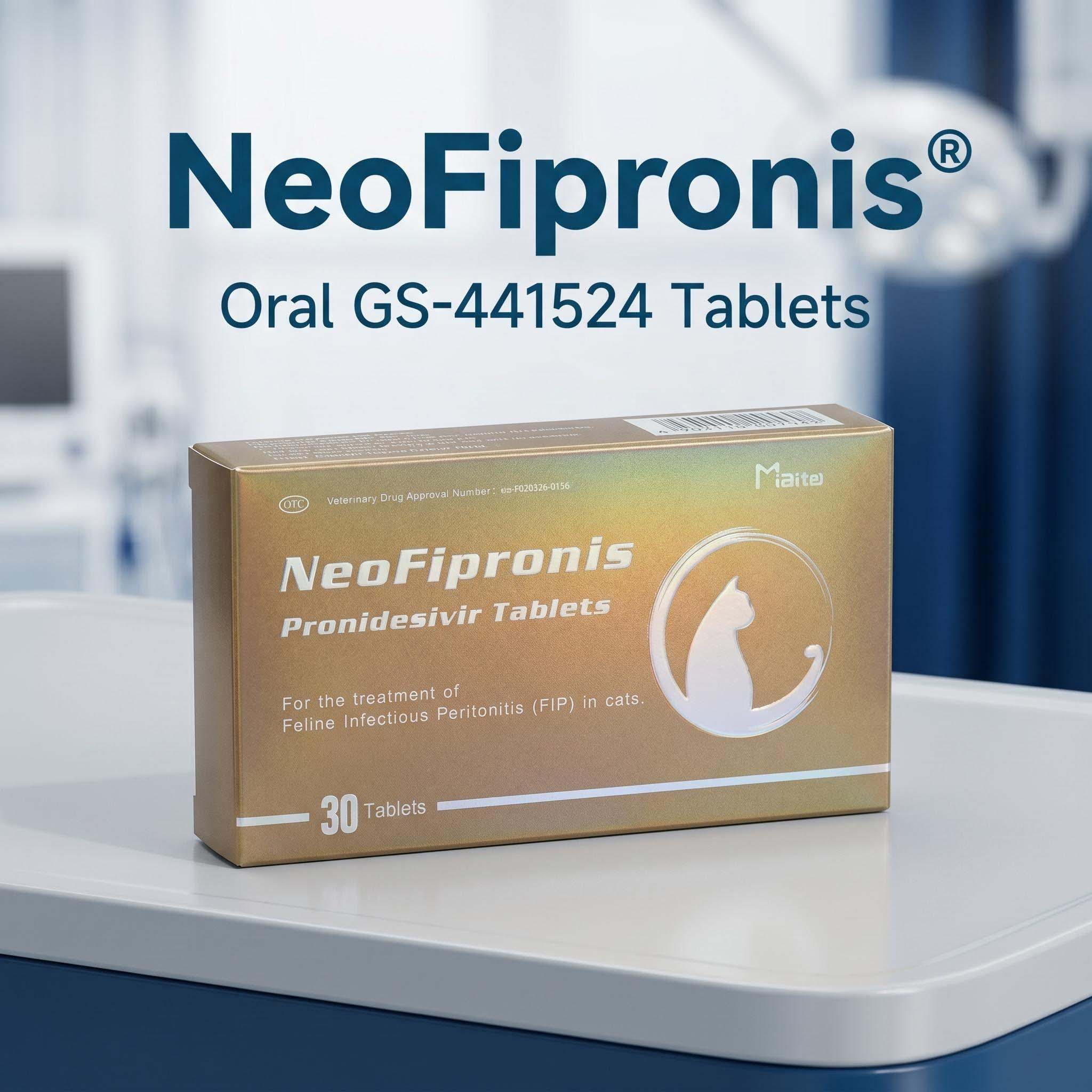
Antiviral therapies recently approved for FIP management (GC376, GS-441524) do not directly address gut health, but their efficacy may be improved if parallel strategies are used to strengthen digestive defenses. Veterinarians increasingly recommend routine GI health checks for at-risk cat populations, integrating them with FCoV screening programs.
Comparing Cats to Other Species: Lessons from Human Digestive Immunity
Parallels can be drawn between feline digestive health and similar mechanisms in humans and other mammals. In human medicine, chronic gut inflammation and dysbiosis are linked to enhanced susceptibility to enteric viruses, swift viral mutation, and pathogen escape from the intestine. These lessons suggest that maintaining robust digestive health in cats is not merely about preventing diarrhea or vomiting—it may play a foundational role in controlling broader systemic diseases such as FIP.
The Environmental Impact: Multiple Cats, Shared Resources
Shelters, breeding facilities, and multi-cat homes represent unique challenges. Shared litter boxes, close contact, and frequent turnover amplify viral transmission and stress, serving as catalysts for poor digestive health and increased FIP risk. Protective measures focusing on gut health—sanitization, environmental enrichment, group feeding management—may mitigate these risks when implemented alongside traditional infection control practices.
Future Directions: Integrating Digestive Health into FIP Management
Veterinary theorists propose that digestive health must become a core focus in FIP prevention strategies, integrating dietary management, probiotics, and immune support with efforts to reduce viral transmission. Investigations into the role of gut epithelial cells, mucosal immunity, and microbiome composition may soon yield targeted interventions capable of reducing FIP mutation rates.
Conclusion: Digestive Health’s Role in FIP Susceptibility
The digestive tract is not merely the origin of FCoV infection, but may represent a pivotal battleground where the body determines the outcome—whether the virus remains benign or mutates to cause FIP. Digestive health influences viral transmission, immune function, mutation risk, and overall resilience, providing a practical and scientifically grounded pathway for cat care. By adopting holistic strategies to nurture gut health, cat owners and veterinarians may be able to reduce FIP risk and improve health outcomes in feline populations.
References
1. Pedersen, N. C. (2014). An update on feline infectious peritonitis: Virology and immunopathogenesis. Veterinary Journal, 201(2), 133-141.
2. Kipar, A., & Meli, M. L. (2014). Feline infectious peritonitis: Still an enigma? Veterinary Pathology, 51(2), 505-526.
3. Takano, T., et al. (2022). The role of gut health and microbiome in feline coronavirus infection and FIP development. Journal of Feline Medicine and Surgery, 24(3), 237-245.
4. Addie, D. D., et al. (2009). Feline coronavirus in the gastrointestinal tract: Pathogenesis, diagnosis and prevention. Veterinary Microbiology, 136(1-2), 198-205.
5. McDonald, L. C., et al. (2020). Impact of probiotics and diet on gastrointestinal viral infections in felines. Animals (Basel), 10(11), 2057.
6. Stuetzer, B., & Hartmann, K. (2014). Feline infectious peritonitis: Lessons from experimental studies. Veterinary Immunology and Immunopathology, 162(1-2), 1-9.
7. Levy, J., et al. (2021). Prevalence and risk factors for feline coronavirus shedding in shelter cats. Animals (Basel), 11(2), 242.
8. Barker, E. N., et al. (2017). Association between gastrointestinal disease and FIP risk in cats. Veterinary Record, 180(17), 425.
9. Hosie, M. J., et al. (2023). Advances in FIP diagnosis and management: Interplay with digestive health. Journal of Small Animal Practice, 64(8), 436-445.