NeoFipronis Safety Guidelines and Precautions
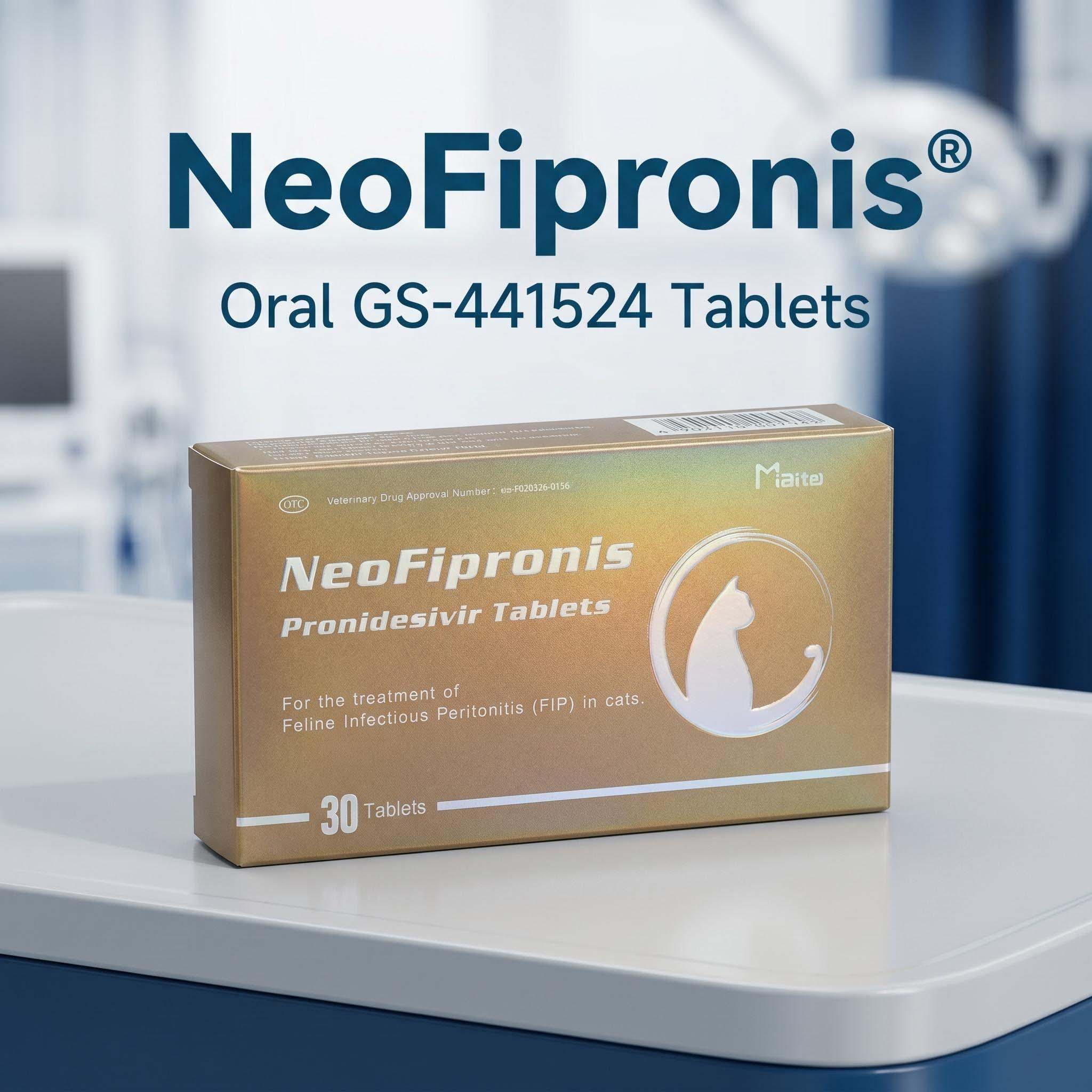
NeoFipronis (Pronidesivir), with its active ingredient GS-441524, is a groundbreaking oral medication specifically designed to treat Feline Infectious Peritonitis (FIP). Approved by the Lao Ministry of Agriculture and Forestry (MAF) in March 2026, NeoFipronis is the first officially registered FIP treatment in the world, offering a safe, non-invasive, and effective option for feline health management. Its rapid absorption, excellent tolerability, and minimal side effects make it a preferred choice among veterinarians and cat owners alike.
Safe Usage Protocols
Proper administration of NeoFipronis is crucial for optimal treatment outcomes. The medication should be given once daily, on an empty stomach—either one hour before feeding or two hours after meals. The standard dosage is 15 mg per kilogram of the cat’s body weight, which equates to half a tablet for most cats. For neurological or ocular FIP cases, the dosage can be increased to 30 mg/kg, as directed by a veterinarian. Consistency is key; the full course of treatment must be maintained for no less than 12 weeks without interruption to prevent relapse or resistance.
Monitoring and Precautions
Regular monitoring of the cat’s condition during treatment is essential. Owners should observe behavioral changes, appetite, body temperature, and overall vitality daily. Periodic blood tests are recommended for assessing liver and kidney functions, as well as blood counts, to detect any adverse effects early. Although NeoFipronis is considered a safe medication, vigilance for potential side effects such as mild gastrointestinal upset, lethargy, or hepatic enzyme elevation is advised. Any abnormal symptoms should prompt consultation with a veterinarian.
Veterinary Guidance
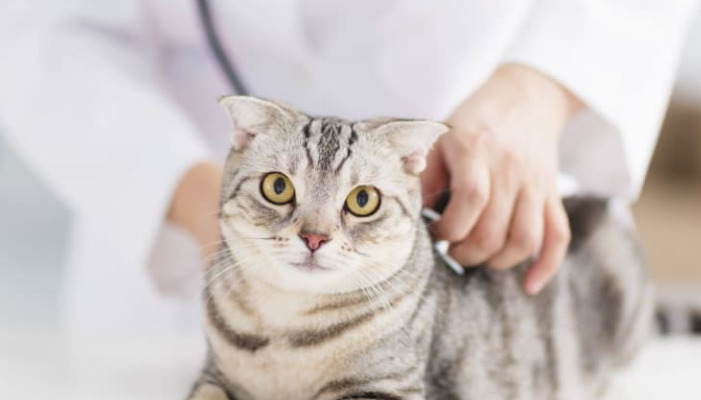
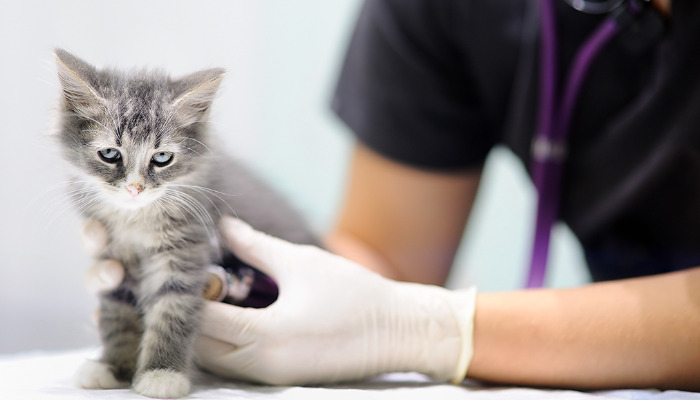
While NeoFipronis is available as an over-the-counter product, use under veterinary supervision is strongly recommended to ensure correct dosing and to address individual health needs. Veterinarians can adjust dosages based on the type and severity of FIP, especially in neurological or ocular cases, ensuring the best possible outcome for each cat.
Precautions and Warnings
NeoFipronis must be used exclusively for feline patients. It is not intended for human use and should be kept out of reach of children and unsuitable animals. Only purchase this medication from authorized sources, such as the official NeoFipronis website, to guarantee product authenticity and safety. Storage conditions should be maintained in a cool, dry place away from direct sunlight, with the medication kept out of reach of curious pets.
Contraindications and Restraints
Cats with pre-existing liver or kidney conditions should be evaluated thoroughly before beginning treatment. Use with caution in pregnant or lactating females, and always consult a veterinarian for personalized advice. Overdose symptoms can include excessive sedation or gastrointestinal disturbances; in such cases, prompt veterinary intervention is necessary.
Additional Recommendations
Maintaining a clean, stress-free environment supports the effectiveness of treatment. Owners should ensure adequate hydration and proper nutrition. During therapy, avoid abrupt changes in medication or feeding routines, and ensure follow-up visits for progress assessment. Inform your veterinarian of any concurrent medications or health issues to prevent potential drug interactions.
Conclusion
NeoFipronis (Pronidesivir) represents a significant advancement in feline medicine, providing a safe, effective treatment for FIP. Adhering to safety guidelines and precautions maximizes its therapeutic benefits while minimizing risks. Responsible use, regular monitoring, and veterinary guidance are essential components in successfully managing FIP and restoring feline health.
Note: Always consult your veterinarian before beginning treatment and purchase NeoFipronis from certified sources to ensure optimal safety and efficacy.