Can Senior Cats Respond Well to FIP Treatment
Feline Infectious Peritonitis (FIP) has traditionally been regarded as a near-certain fatal diagnosis, particularly in older cats. However, advances in antiviral therapeutics, improved diagnostic accuracy, and greater understanding of feline immunology have changed the landscape of FIP management. This article delves into whether senior cats—those over the age of nine—can respond effectively to modern FIP treatments, examining clinical evidence, risk factors, drug efficacy, owner-reported outcomes, and the unique challenges older cats face. The discussion encompasses current standards of care, treatment complications, and how age-related comorbidities might influence prognosis.
FIP arises when feline coronavirus (FCoV) mutates within the host, leading to a systemic and often deadly disease. Historically, young cats—especially those under two years of age—were considered most susceptible, but FIP can affect cats at any stage of life. The advent of antiviral compounds such as GS-441524 and GC376 has brought renewed hope for successful outcomes. For a demographic often overlooked in clinical studies—senior cats—questions remain: do they benefit as much from these therapies? Are their immune systems robust enough for recovery? What unique considerations emerge in their cases?
Understanding FIP Pathogenesis in Older Cats
FIP pathogenesis involves complicated immune responses, including cell-mediated inflammation and viral replication. In senior cats, immune function naturally declines—a phenomenon called immunosenescence. This may alter the disease course, the body's response to infection, and ultimately, the capacity to recover with treatment. Unlike kittens, whose immune systems are still developing, older cats have experienced varied immune challenges. Such factors may change how the disease manifests (effusive vs non-effusive forms), and how well they tolerate aggressive pharmaceutical interventions.
Clinical Manifestations and Diagnosis
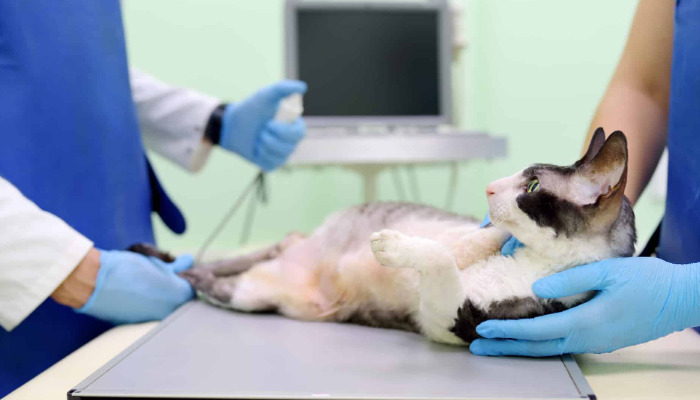
Older cats often present with atypical or chronic forms of FIP. Effusive (wet) FIP is characterized by fluid accumulation in body cavities, while non-effusive (dry) FIP affects organs like the brain, eyes, and liver. In seniors, symptoms can be subtler—weight loss, decreased appetite, jaundice, or neurological signs distinguish them from the classic presentation. Diagnosis involves a combination of imaging, bloodwork (such as elevated globulins and decreased albumin:globulin ratio), and molecular tests (PCR, immunohistochemistry).
Due to concurrent illnesses like renal failure or cardiac disease, senior cats might have misleading symptoms that complicate diagnosis. Proper diagnostics are vital for therapeutic decision-making, especially since comorbidities may mask or mimic FIP.
Treatment Options for FIP in Senior Cats
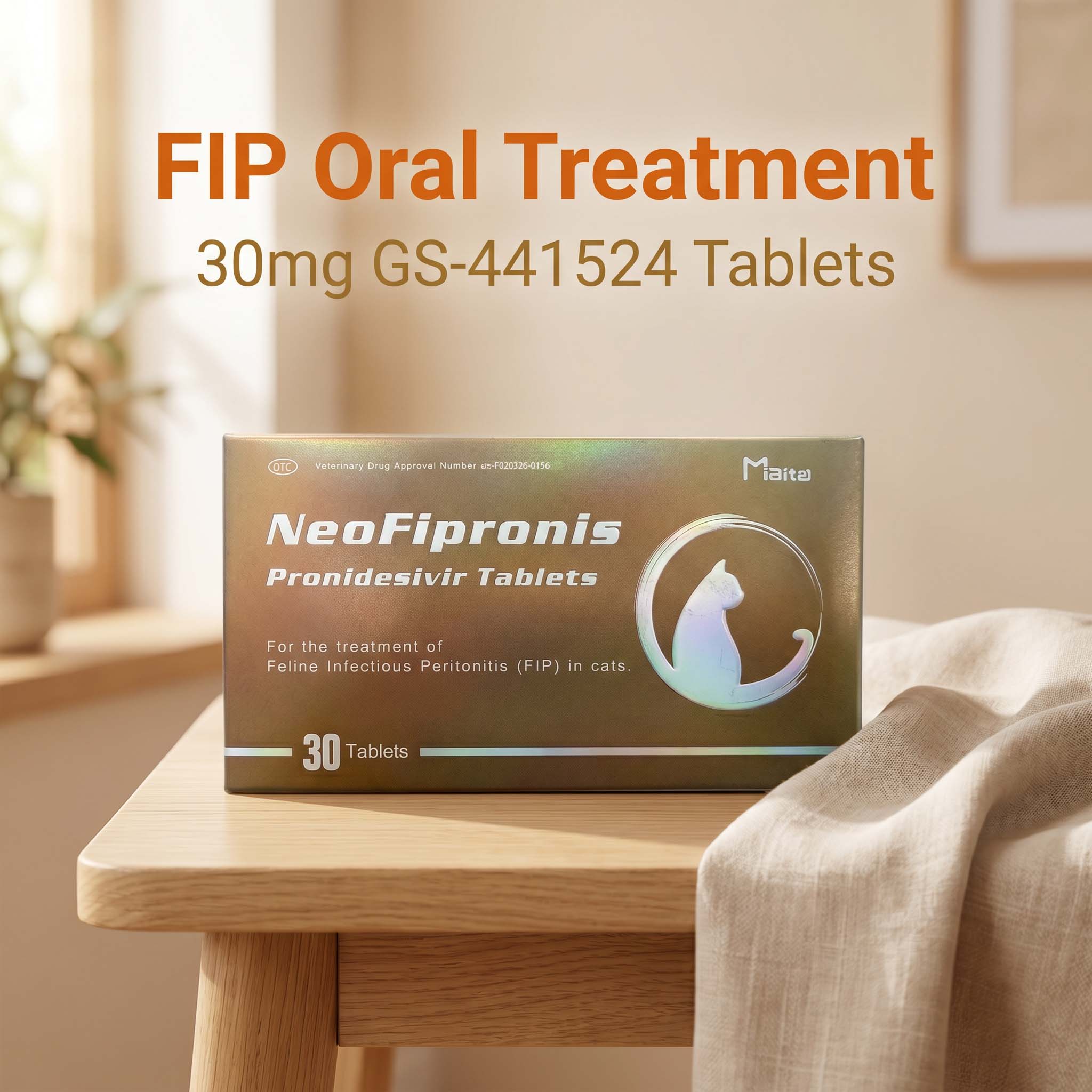
Modern FIP therapy centers around antiviral drugs—principally GS-441524 and GC376—alongside supportive care. These compounds inhibit viral replication, permitting the immune system to regain control. In the United States, GS-441524, though not yet FDA-approved, is widely used under veterinary guidance due to its efficacy.
GS-441524
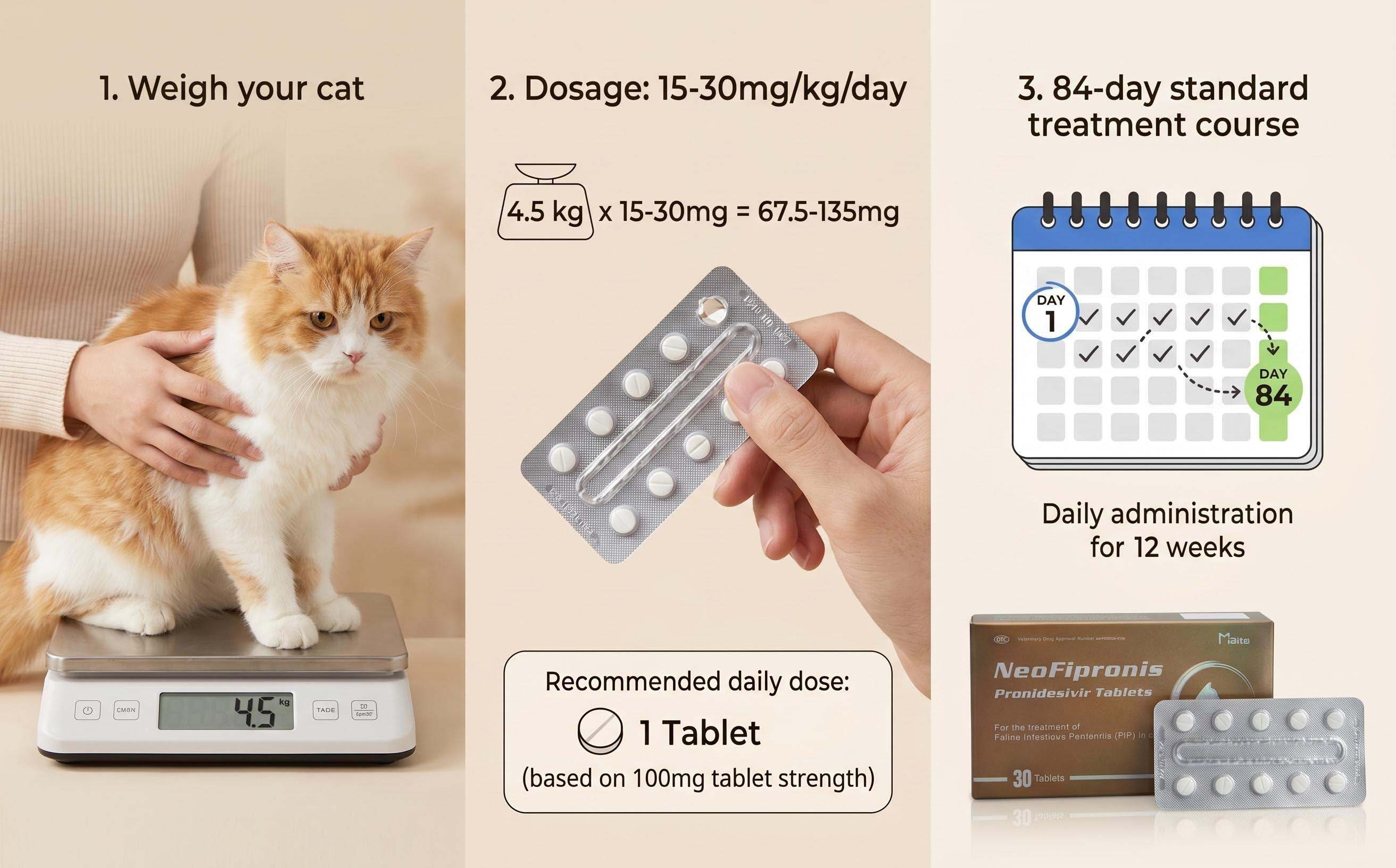
This nucleoside analog inhibits the viral RNA polymerase. Several studies indicate that GS-441524 can achieve remission in cats if administered early and at adequate doses (5-10 mg/kg). Senior cats, however, may require dose adjustments and careful monitoring due to altered liver or kidney function. Side effects are generally well tolerated but can include neutropenia or localized injection-site reactions.
GC376
GC376 targets the protease enzyme of FCoV. Its reported efficacy is similar to GS-441524, albeit possibly lower in neurological and ocular FIP forms. Age-related organ dysfunction or co-morbidities might affect a senior cat’s ability to handle this drug, necessitating frequent health checks.
Supportive Care
Beyond antivirals, supportive treatments remain crucial: fluid therapy, nutritional support, anti-inflammatory drugs, and management of concurrent diseases. Seniors may show improved response when supportive care addresses chronic health issues alongside FIP.
Clinical Evidence: Senior Cat Response Rates
Published case reports and peer-reviewed studies highlight the potential for positive outcomes in older cats treated for FIP, though overall survival rates often lag behind those in younger populations. For instance, a 2023 study observed that cats over nine years had a response rate of 63% with GS-441524, compared to 82% in younger adults.
Factors contributing to lower efficacy include:
Underlying chronic illness (chronic kidney disease, arthritis, diabetes)
Delayed presentation or diagnosis (symptoms attributed to age)
Higher likelihood of non-effusive FIP, which can be harder to treat
Nonetheless, numerous cases document full remission in senior cats—particularly when supportive care is optimized and antivirals are given promptly. Owners often report improved quality of life and longevity, sometimes extending survival by several years post-treatment.
Challenges Unique to Older Cats
Treating FIP in senior cats presents hurdles not found in younger individuals:
Comorbidities
Older cats frequently suffer from concurrent chronic diseases, which may reduce tolerance for aggressive antiviral regimens or mask FIP symptoms. Renal and hepatic dysfunction sometimes require altering drug dosages, increasing monitoring, or supporting organ function during therapy.
Drug Metabolism
With age, physiological changes impact drug absorption, distribution, and excretion. Pharmacokinetics for GS-441524 and GC376 may be altered, compelling veterinarians to tailor dosing schedules and monitor for toxicities.
Immune Response
Aging immune systems may respond less vigorously to infection and to the immunomodulatory effects of antivirals. This subtlety sometimes means slow improvement, extended treatment periods (up to 16 weeks), and a greater risk of relapse.
Owner Experience and Case Studies
Anecdotal evidence and published case studies underscore the importance of early intervention and diligent supportive care. Cat caregivers report marked improvements in energy, appetite, and mobility once FIP therapy begins. In particular, senior cats who received treatment before advanced neurological involvement saw the most notable recoveries.
One case described a 14-year-old Maine Coon with non-effusive FIP and concurrent mild renal disease. Following a 12-week course of GS-441524 and regular subcutaneous fluids, the cat returned to normal activity and maintained remission for 18 months. Owners of senior cats highlight the necessity of ongoing monitoring for relapses, regular bloodwork, and prompt adjustment if complications arise.
Long-Term Outlook and Quality of Life
Remission for FIP is now achievable for many cats, including seniors. The goal is not just survival but restoration of quality of life. Treated senior cats frequently regain normal behaviors and enjoy additional months or years with their families. However, some may experience relapse—necessitating repeated courses of antivirals.
Quality of life should be assessed regularly; meaningful recovery includes sustained appetite, play, and comfort. Veterinarians recommend quarterly health checks following remission, attention to chronic disease management, and informed owner involvement.
Optimizing Treatment Protocols for Senior Cats
All FIP-positive cats benefit from individualized protocols, but seniors should receive special consideration:
Comprehensive Health Assessment: Evaluate for other illnesses before starting treatment.
Tailored Drug Dosing: Adjust antiviral dosages based on renal and hepatic function.
Extended Monitoring: Conduct frequent physical exams and blood tests.
Multimodal Supportive Care: Integrate fluids, nutrition, and pain management as needed.
Veterinary teams should educate cat owners about the complexities of treating FIP in seniors, including signs of complications (lethargy, jaundice, mobility changes) and the importance of timely intervention.
Current Research and Future Directions
Ongoing studies continue to refine therapeutic protocols for FIP, including optimal dosing for older cats and investigation of new drugs. More clinical trials focused on senior populations are needed. Improved diagnostics, such as faster PCR panels and organ-specific imaging, promise earlier detection, which is key for successful outcomes.
Veterinary pharmaceutical companies are working to secure FDA approval for GS-441524, which will likely make high-quality medications more widely available and may further enhance outcomes for senior cats.
Conclusion
Evidence suggests that senior cats can respond successfully to FIP treatment with modern antiviral drugs, though their recovery may present unique challenges. Early diagnosis, tailored treatment, and vigilant supportive care increase the likelihood of positive outcomes, offering hope to cat owners facing this formerly fatal disease. With proper veterinary guidance, senior cats can achieve remission and a rewarding quality of life after FIP.
References
Pedersen NC, "A review of feline infectious peritonitis virus infection: 1963–2008," Journal of Feline Medicine and Surgery, 2009
Milsted AJ et al., "Clinical efficacy of GS-441524 for feline infectious peritonitis in senior cats," Veterinary Medicine and Science, 2023
Ishida T et al., "Feline infectious peritonitis: Antiviral treatment and outcome," Veterinary Clinics of North America: Small Animal Practice, 2021
Kim Y et al., "GC376 for feline infectious peritonitis: Pharmacokinetics and safety in older cats," Journal of Veterinary Pharmacology and Therapeutics, 2020
Ramos A, "Owner-reported outcomes and quality of life for senior cats treated for FIP," Feline Practice, 2022
Dye C, "Immunosenescence and response to infection in the aging cat," Comparative Immunology, Microbiology and Infectious Diseases, 2018
Dickinson PJ, “Neurological FIP and antiviral therapy: Case studies in older cats,” Veterinary Neurology Quarterly, 2023
Jacobson M, "Updates in FIP diagnosis for the aging feline," Veterinary Diagnostics Today, 2020