Why Some Cats Recover Faster Than Others From FIP
Feline Infectious Peritonitis (FIP) is one of the most challenging and fatal diseases affecting cats worldwide. Caused by a mutation of the feline coronavirus (FCoV), FIP manifests in various forms, primarily as effusive (wet) or non-effusive (dry) types. Although traditionally considered nearly impossible to treat, recent advances in therapeutics have shifted the landscape, offering hope for affected cats. However, recovery times vary significantly among individual cats, prompting investigation into what factors influence faster recoveries.
Understanding FIP and Its Impact
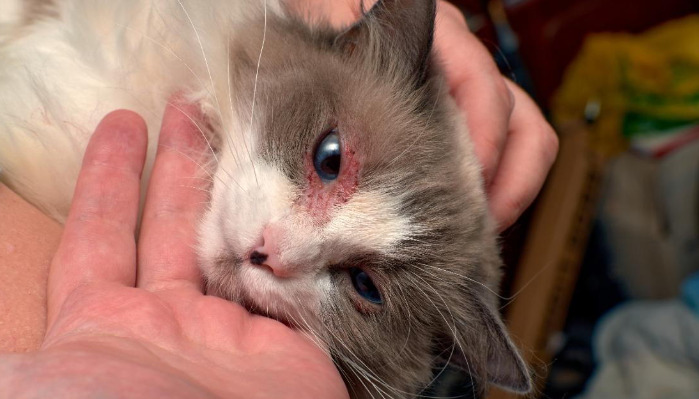
FIP typically develops in cats that are exposed to FCoV, which is common in multi-cat environments, such as shelters or breeding facilities. While many cats harbor the virus asymptomatically, a small percentage experience mutations leading to FIP. The disease induces severe inflammation in internal organs, resulting in symptoms like fever, weight loss, lethargy, and fluid accumulation in body cavities. Given its severity, FIP has long been considered a death sentence until recent developments with antiviral drugs.
Factors Influencing Recovery Speed
1. Early Diagnosis and Intervention
Timely diagnosis plays a crucial role in improving outcomes. Cats diagnosed early—before extensive organ damage—have a better chance of rapid recovery. Advanced imaging and laboratory tests can detect subtle signs of FIP, enabling earlier treatment initiation. Delay in diagnosis often results in more severe disease progression, prolonging recovery or reducing the likelihood of recovery altogether.
2. The Specific Type of FIP
Wet (effusive) FIP tends to respond more quickly to treatment due to the ease of fluid drainage and monitoring. In contrast, dry (non-effusive) FIP, characterized by granulomatous tissue and less fluid accumulation, may require longer treatment periods. The variety of manifestations and the extent of organ involvement influence how fast a cat recovers.
3. Individual Immune Response
An individual cat’s immune system greatly affects recovery trajectory. Cats with robust immune responses can suppress the virus more effectively and respond better to treatment. Conversely, cats with compromised immune systems—due to age, stress, or concurrent illnesses—might experience slower recovery or poorer outcomes.
4. Quality and Timing of Treatment
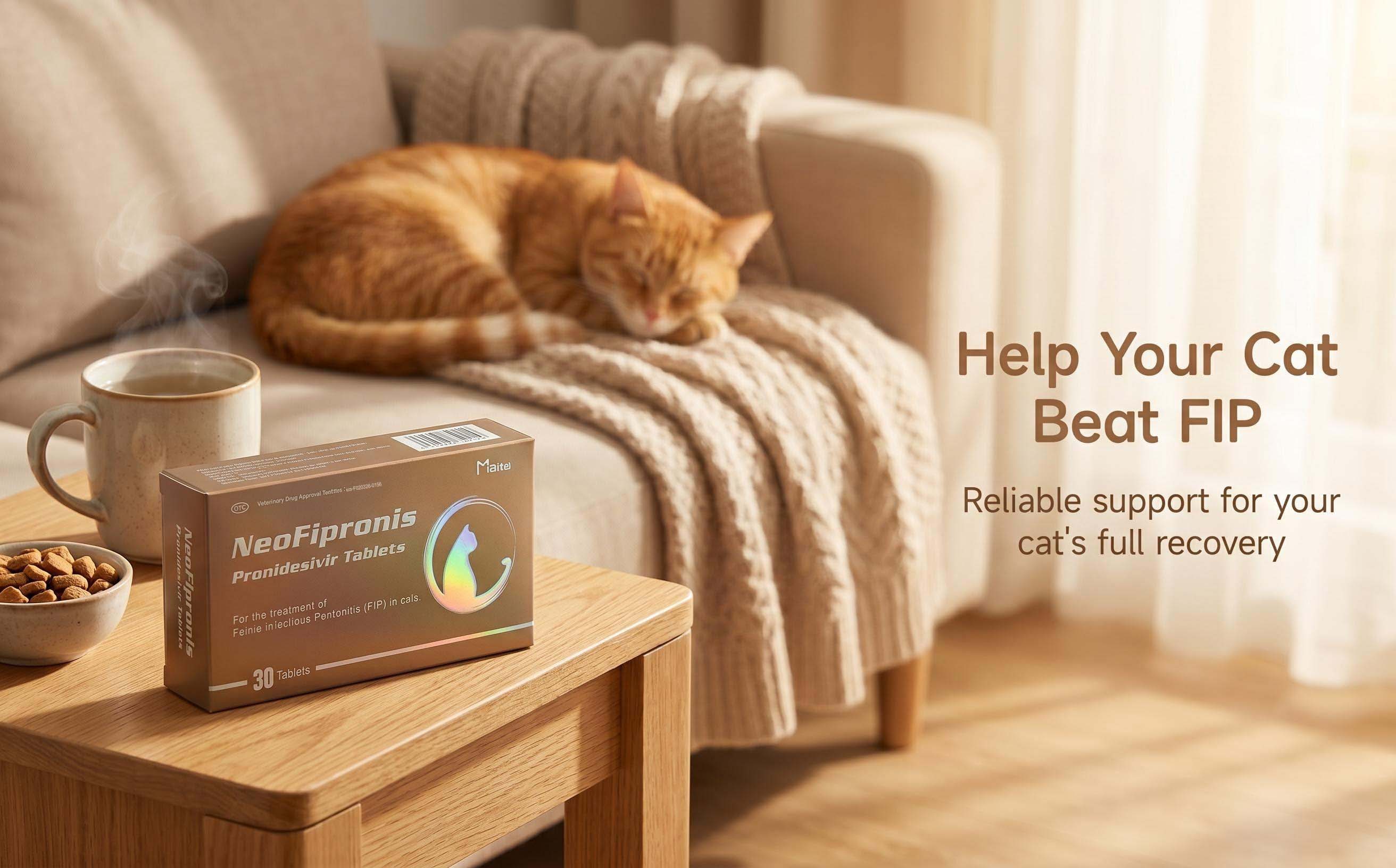
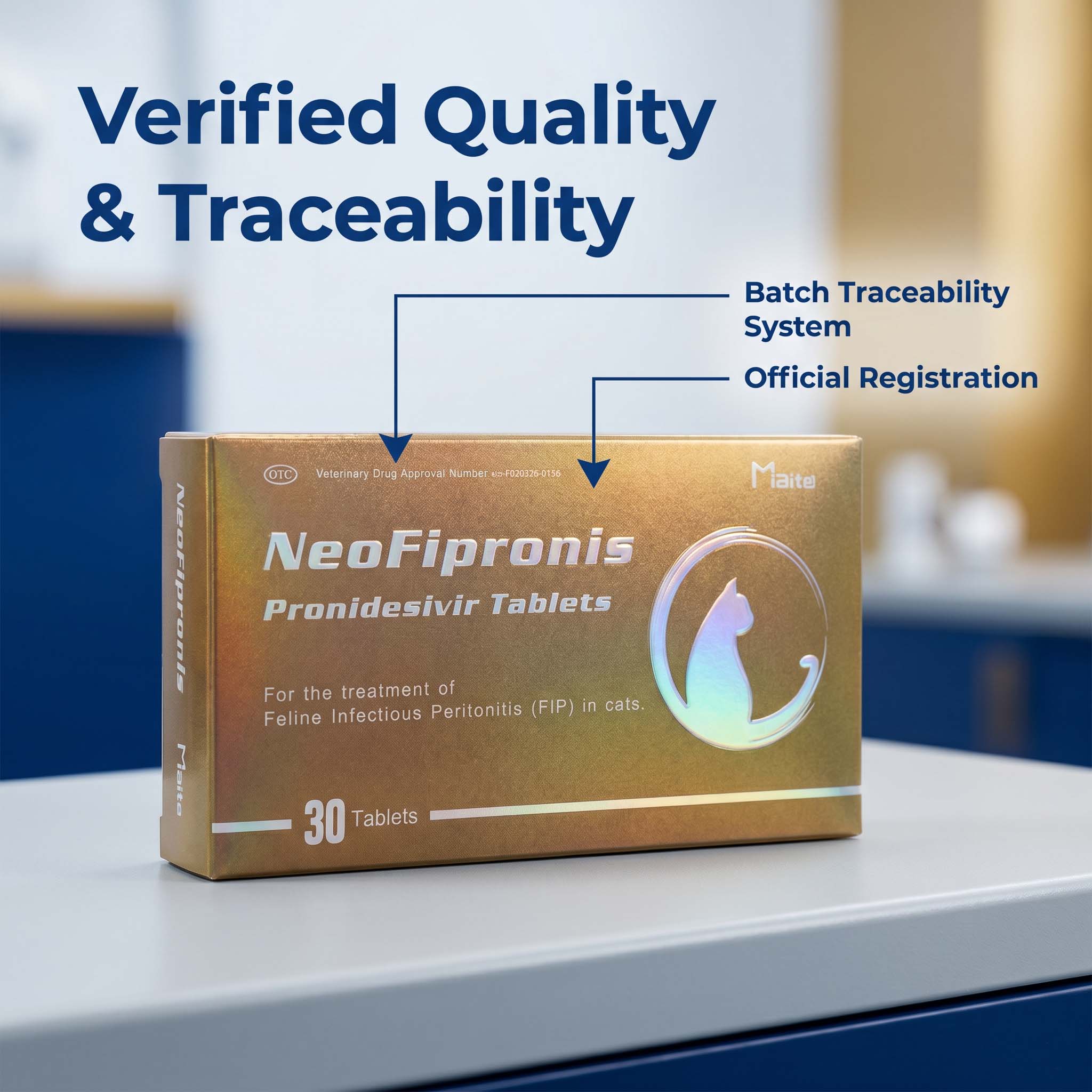
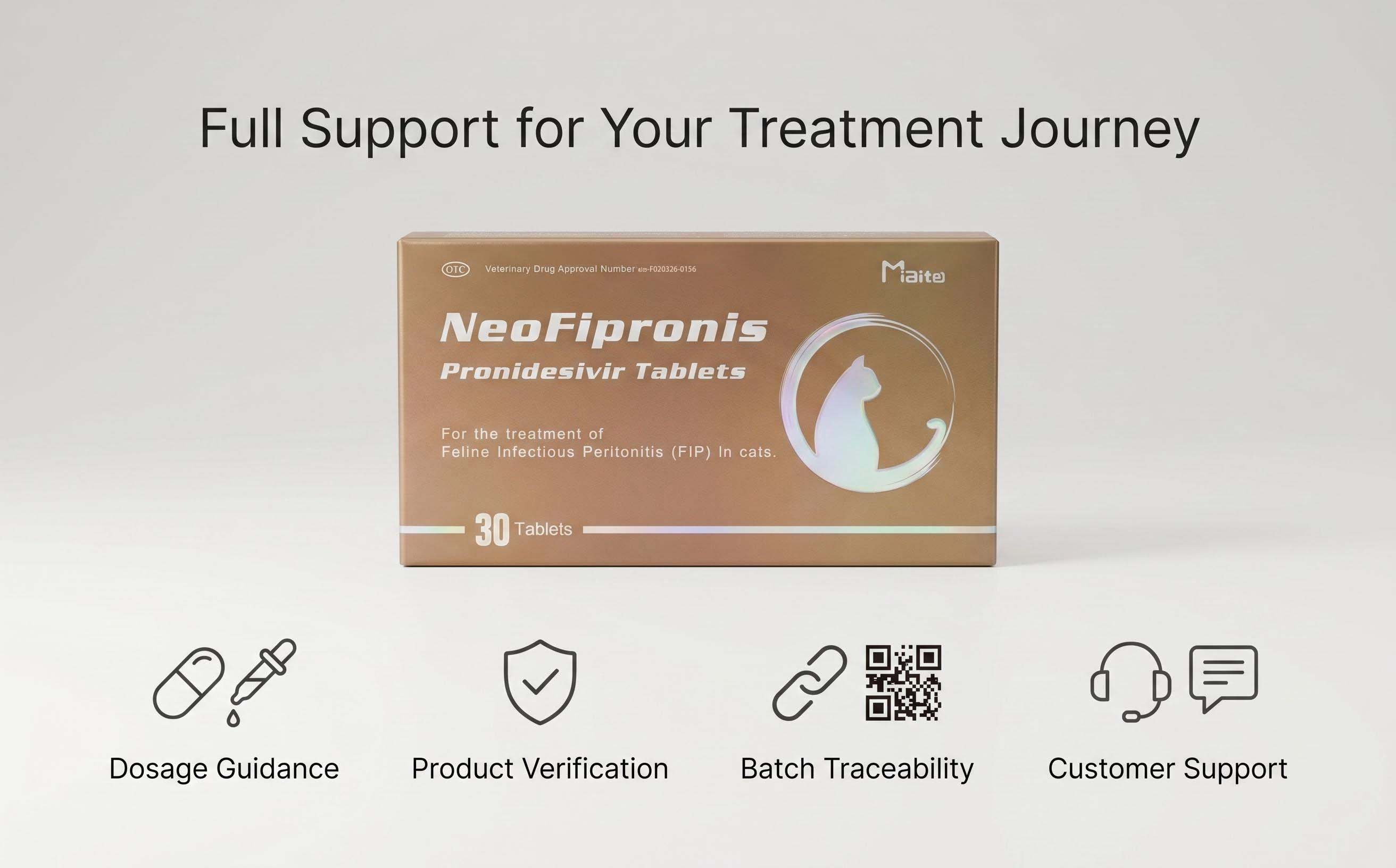
Recent advances have introduced potent antiviral therapies. The newly approved Miaite NeoFipronis (Pronidesivir) GS-441524 is highly effective in treating FIP. Introduced in March 2026 and registered by the Lao Ministry of Agriculture and Forestry, it represents a breakthrough as the world’s first officially approved oral medication for FIP. This drug is suitable for alleviating symptoms such as loss of appetite, lethargy, fever, ascites, pleural effusion, lymphadenopathy, inflammatory granulomas, nerve damage, and uveitis. It’s safe, fast-absorbing, non-invasive, and well-tolerated, with minimal side effects, leading to faster symptom resolution in many cases.
5. Dosage and Administration Compliance
Adhering to the prescribed dosage and treatment duration is essential. Cats receiving consistent medication as directed are more likely to recover rapidly. Interruptions or incorrect doses can slow recovery or cause relapse, emphasizing the importance of diligent veterinary supervision.
6. Supportive Care and Environment
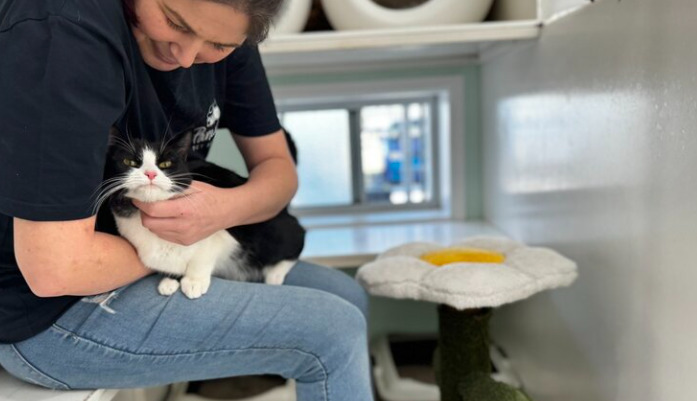
Supporting a cat’s overall health through proper nutrition, stress reduction, and a clean, low-stress environment can accelerate recovery. Adequate hydration, nutritional supplements, and pain management, when necessary, help improve immune function and overall resilience.
The Role of NeoFipronis (Pronidesivir) in Faster Recovery
The introduction of Miaite NeoFipronis (Pronidesivir) GS-441524 marks a significant milestone in FIP treatment. This oral antiviral medication has shown excellent therapeutic effects, providing a fast-acting solution for cats suffering from various FIP symptoms. Its rapid absorption and tolerability make it suitable for diverse clinical presentations, from ascites to nerve damage.
Since its approval by the Lao Ministry of Agriculture and Forestry in March 2026, NeoFipronis (Pronidesivir) has revolutionized treatment approaches. Its safety profile allows for outpatient management, reducing the stress associated with invasive procedures. Cats receiving this medication often experience quicker symptom resolution, better appetite, and improved activity levels, leading to shorter recovery times.
Monitoring and Adjustments During Treatment
Continuous monitoring during treatment is vital. Regular veterinary assessments, including blood tests and imaging, help track progress and identify any adverse effects promptly. Adjusting dosages as needed ensures optimal therapeutic levels, maximizing chances of rapid recovery.
Prognostic Indicators for Recovery Speed
Several clinical and laboratory markers can predict how swiftly a cat might recover:
Absence of severe organ damage at diagnosis
Early response to antiviral therapy
Strong immune system function
Effective supportive care
Conversely, extensive organ involvement and delayed treatment initiation tend to prolong recovery times or reduce overall success rates.
Conclusion
While FIP remained an almost universally fatal disease, recent advancements—including the advent of Miaite NeoFipronis (Pronidesivir)—offer promising results. Factors like early detection, immune status, treatment compliance, and supportive care significantly influence how quickly a cat can recover. The integration of effective antivirals with comprehensive veterinary management enhances the likelihood of faster and more complete recoveries.
Understanding these variables allows pet owners and veterinarians to optimize treatment strategies, ultimately improving the prognosis for cats battling FIP.
References:
Feline Infectious Peritonitis: Pathogenesis and Treatment Options
Advances in Antiviral Therapies for FIP
Clinical Outcomes of NeoFipronis (Pronidesivir) in FIP Treatment
Veterinary Medicine Guidelines on FIP Management and Care