What Should You Do if Different Clinics Give Different Diagnoses
Feline Infectious Peritonitis (FIP) stands among the most perplexing and distressing diseases encountered by cat owners and veterinarians. It is a complex immune-mediated disorder resulting from feline coronavirus mutation, with clinical manifestations and diagnostic challenges that often result in widely differing opinions, especially when diagnosing in early stages. When pet owners receive conflicting diagnoses from various clinics, it can provoke confusion, anxiety, and even mistrust toward veterinary professionals. To navigate this maze of medical opinions, it is critical to understand how FIP is diagnosed, why there may be inconsistencies, and actionable steps pet owners can take to ensure their feline companions receive appropriate and timely care.
Why Diagnoses Differ: The Complex Nature of FIP
FIP can present as either "effusive" (wet) or "non-effusive" (dry), with its clinical signs overlapping many other feline diseases. As of the early 2020s, the gold standard for FIP diagnosis remains elusive, primarily because antibodies to feline coronavirus are widespread in the cat population, yet only a small fraction of exposed cats develop FIP. Veterinarians depend on physical examination, history, laboratory tests (bloodwork, imaging), and sometimes advanced molecular diagnostics. Subjectivity often comes into play, especially since no single test can conclusively confirm or rule out FIP.
Laboratory Variability
Each veterinary clinic may utilize different equipment, protocols, and reference labs. For example, one clinic might rely on traditional blood tests that suggest inflammation (like elevated globulins or bilirubin), while another may incorporate PCR testing or immunohistochemistry. Variations in sample handling, technician experience, or even the stage of the disease during testing can yield divergent results.
Clinical Experience
Veterinarians possess varying levels of expertise. A feline-only clinic might be more familiar with subtle FIP signs than a general practice. Specialty clinics may access newer therapies and diagnostic technologies, increasing the chance of accurate identification.
Interpretational Differences
Veterinarians must interpret laboratory data within the broader clinical context. If a cat presents with vague symptoms—weight loss, fever, intermittent vomiting—but has no detectable abdominal fluid, one veterinarian might diagnose pancreatitis while another suspects FIP. Interpretation hinges on the individual's experience with the disease and their confidence in the diagnostic process.
Practical Steps When Opinions Clash
Request Clear Communication
Any diagnostic process should begin with candid discussion. Ask each veterinarian to clearly explain the rationale behind their diagnosis, the tests performed, the limitations involved, and the degree of certainty associated with their conclusions. Obtain written summaries of findings to compare later.
Second (and Third) Opinions
Don’t hesitate to seek multiple opinions. Gather all medical records, including test results, imaging, and physical exam notes, and provide them to each clinic. Clinics with board-certified internists or feline specialists often offer fresh perspectives and interpretations.
Consider Advanced Diagnostics
If feasible, submit samples (blood, effusion fluid, or tissue biopsies) to specialty labs for advanced molecular testing. PCR assays targeting FIP-associated mutations or immunohistochemical evaluation of affected tissue can offer greater specificity. Such tests must be interpreted cautiously and in combination with clinical evidence.
Seek Consistency in Testing
If two clinics have performed different panels or tests, consider repeating the most reliable or recommended tests at a single reference laboratory for consistency’s sake. This mitigates the likelihood that discrepancies are due to technical variability.
Emphasize Clinical Signs
Monitor and document your cat’s clinical signs (e.g., changes in appetite, behavior, activity level, physical symptoms like fluid buildup) closely and share these with your veterinarian(s). Sometimes the evolution of clinical disease over weeks or months clarifies its true nature, tipping the balance toward or away from an FIP diagnosis.
Understanding FIP’s Diagnostic Landscape
The Challenge of Coronavirus Antibodies
Many healthy cats test positive for coronavirus antibodies simply due to previous exposure. Antibody titers alone do not distinguish FIP from benign coronavirus infection. This causes confusion when two clinics offer contrasting interpretations based on serology results.
Bloodwork Nuances
Classical bloodwork findings seen in FIP include anemia, lymphopenia, hyperglobulinemia, and elevated liver enzymes. None are pathognomonic, and their presence must be balanced against other findings. If bloodwork from one clinic shows these features and another does not, timing may play a role, as FIP can wax and wane.
Imaging and Fluid Analysis
Ultrasound or radiographs may reveal abdominal or thoracic fluid in effusive FIP. Fluid analysis typically demonstrates high protein, low cellularity, and a straw-yellow color. A lack of fluid or inconclusive analysis can lead to different conclusions by various clinics. If a clinic lacks advanced imaging, subtle signs may be missed entirely.
Molecular Diagnostics
PCR-based tests targeting coronavirus RNA or specific FIP-associated mutations in fluid, tissue, or blood add specificity but are still not perfect. False positives can occur, especially in non-FIP carriers shedding benign strains. When clinics disagree about PCR results, focus on the test’s specificity, sample source, and method of interpretation.
When to Pursue Treatment
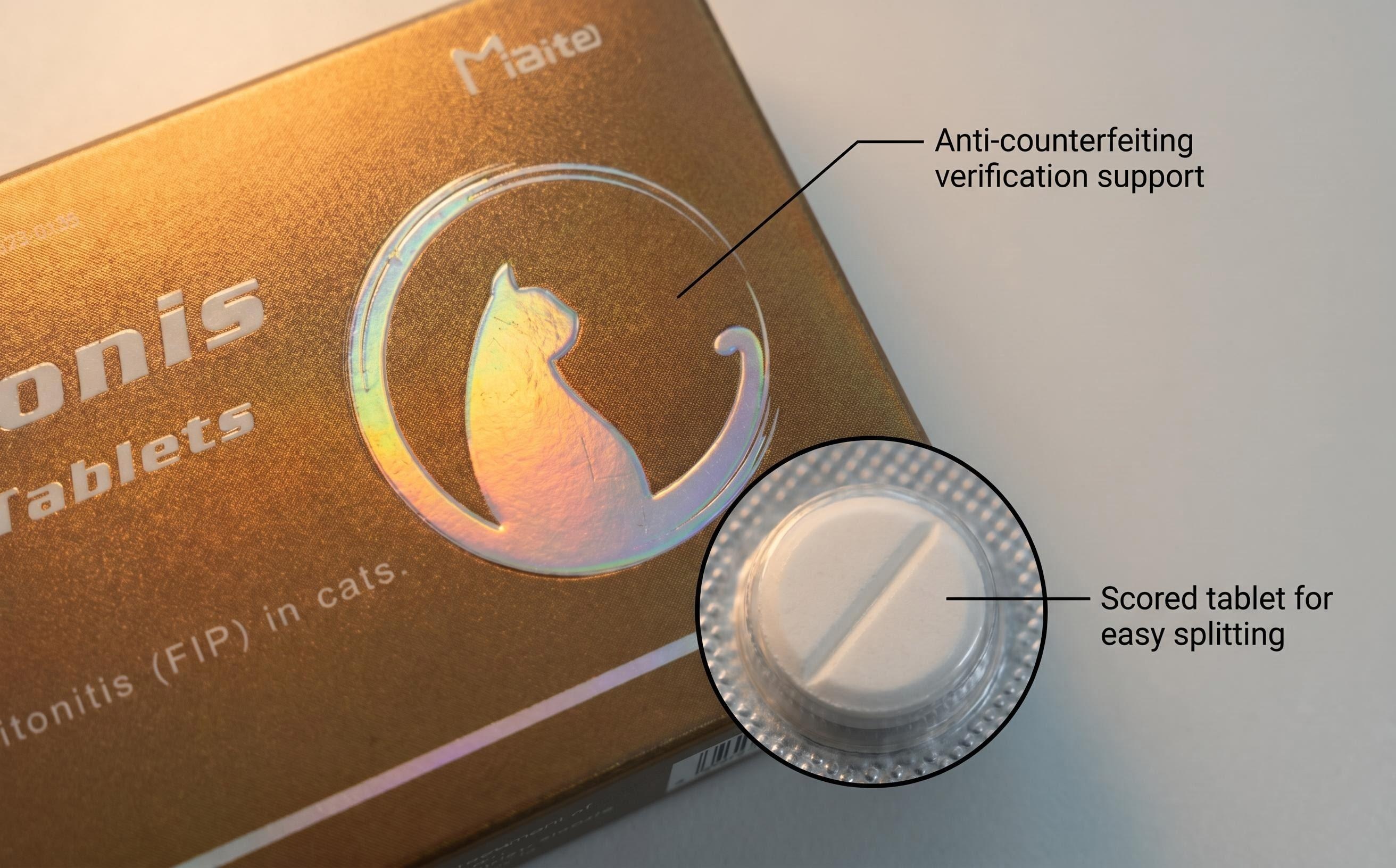
Modern therapies, like antiviral agents (e.g., GS-441524 and related drugs), can yield dramatic improvements but require a confident diagnosis due to cost, commitment, and risk of adverse reactions. If different clinics offer divergent diagnoses—one suggesting FIP with treatment, another recommending supportive or palliative care for a different disorder—understand the risks and benefits of immediate versus delayed intervention. In some cases, starting therapy may be justifiable if FIP is suspected and no other alternative fits the clinical picture.
Trusting Your Judgement as a Cat Owner
While veterinarians offer expertise, owners know their cats best. Noticing subtle changes—declining playfulness, new hiding behaviors, shifts in eating or drinking—often provides early clues. If you feel one clinic has neglected critical details in your cat’s history, seek out professionals who take your observations seriously.
Harnessing Online Resources and Support Groups
FIP-focused forums and social media groups have become rich sources of shared experiences, protocols, and success stories. While not substitutes for medical advice, these communities can support decision-making when diagnoses differ. Owners often share connections to skilled veterinarians, reputable labs, and up-to-date research, which can be vital if local clinics offer conflicting or outdated opinions.
Recordkeeping and Documentation
Meticulously compiling all records—test results, imaging findings, emails, and written summaries—streamlines communication between clinics. When opinions differ, presenting a clear medical timeline and comprehensive data enables specialists to reassess and detect potentially overlooked information.
Managing Stress During Diagnostic Uncertainty
Navigating juxtaposed opinions about your cat’s health is emotionally and mentally draining. Prioritize self-care: seek support from friends or family, talk openly with trusted veterinarians, and acknowledge that veterinary medicine is not always straightforward. Recognize that FIP, in particular, challenges even experienced professionals, and allow yourself time to come to terms with complex decisions.
Advocating for Your Cat
Take an active role during clinic visits. Prepare a list of questions and ask about alternative diagnoses, additional tests, prognosis, and recommended therapies. If you prefer aggressive diagnostics or wish to maximize comfort and quality of life, communicate your priorities clearly—different clinics may adjust their recommendations accordingly.
Staying Informed About FIP Research
FIP is a rapidly changing field. Therapies and diagnostic tools are evolving, with newer, more accurate tests and treatments emerging each year. Regularly consult reputable sources—academic veterinary schools, feline specialty organizations, and peer-reviewed journal articles—to stay abreast of scientific advances that may not be universally adopted across all clinics.
Long-Term Outlook
Not every diagnosis disagreement means something has been missed. Sometimes, FIP and other complex diseases evade clear categorization even with diligent testing and observation. Accepting moments of uncertainty, while continuing to push for clarity and appropriate care, elevates outcomes for your cat and preserves your peace of mind.
References
1. Pedersen NC. A review of feline infectious peritonitis virus infection: 1963–2008. Journal of Feline Medicine and Surgery. 2009;11(4):225-258.
2. Hartmann K. Feline infectious peritonitis. Veterinary Clinics of North America: Small Animal Practice. 2005;35(1):39-79.
3. Addie DD, et al. Feline coronavirus infection. ABCD guidelines on prevention and management. Journal of Feline Medicine and Surgery. 2015;17(7):570-576.
4. Felten S, Hartmann K. Feline infectious peritonitis – Diagnosis, prevention, and treatment. Veterinary Clinics: Small Animal Practice. 2020;50(5):1003-1021.
5. Kipar A, Meli ML. Feline infectious peritonitis: still an enigma? Veterinary Pathology. 2014;51(2):505-526.
6. Hosie MJ, et al. Feline infectious peritonitis: new perspectives on pathogenesis and diagnosis. Journal of Feline Medicine and Surgery. 2019;21(10):913-922.
7. Ives EJ, et al. Diagnosis of feline infectious peritonitis: utility of plasma protein electrophoresis. Veterinary Clinical Pathology. 2011;40(4):562-572.
8. Dempsey SM, Ewing PJ. A review of the pathogenesis, clinical diagnosis, and management of feline infectious peritonitis. Journal of Veterinary Internal Medicine. 2011;25(4):799-808.
9. Giori L, Giordano A, Giudice E, et al. Performances of different diagnostic tests for feline infectious peritonitis in challenging clinical cases. Journal of Small Animal Practice. 2011;52(3):152-157.
10. Murphy BG, et al. The diagnosis of feline infectious peritonitis by RT-PCR and immunohistochemistry. Veterinary Pathology. 2018;55(2):294-302.