Why FIP Treatment Varies From Cat to Cat
Feline Infectious Peritonitis (FIP) is one of the most challenging diseases veterinarians and cat owners face. Understanding why treatment pathways differ so widely between individual cats is crucial, not only for achieving the best outcomes but also for managing expectations. The unpredictable nature of the disease, differences in individual cats, and evolving therapeutic options all influence how veterinarians approach FIP. This article delves into the nuanced reasons behind the variability in FIP treatment and what it means for cat caretakers.
The Complex Nature of FIP
FIP is caused by a mutation of the feline coronavirus. While many cats carry feline coronavirus without problems, only a small percentage develop FIP. The mutated virus can trigger an immune-mediated reaction resulting in two main forms of the disease: effusive (wet) and non-effusive (dry). The wet form is characterized by fluid accumulation in the abdomen or chest, while the dry form presents with granulomatous lesions in various organs.
No single sign or symptom is definitive for FIP, leading to diagnostic ambiguity. Symptoms range broadly: lethargy, weight loss, fever, neurological problems, or eye inflammation. Because FIP’s presentation isn’t uniform, treatment must be tailored to the individual’s clinical picture.
Diagnostic Challenges and Individual Variations
Before treatment begins, veterinarians face significant hurdles in confirming the diagnosis. Definitive diagnosis often involves a combination of clinical signs, history, laboratory tests, and, in some cases, tissue biopsies. The time spent on diagnosis varies because different cats show different symptoms, some subtle and others dramatic.
Genetics and immune system differences further complicate matters. Certain breeds, such as Bengals or Birmans, appear more predisposed, and individual immune responses can influence both disease progression and how a cat responds to treatment. Age and underlying health conditions also matter—a young, otherwise healthy cat might have a better prognosis than an older cat with comorbidities, meaning their treatment regimens will differ in doses, medication choices, and monitoring.
Treatment Options and Evolving Protocols
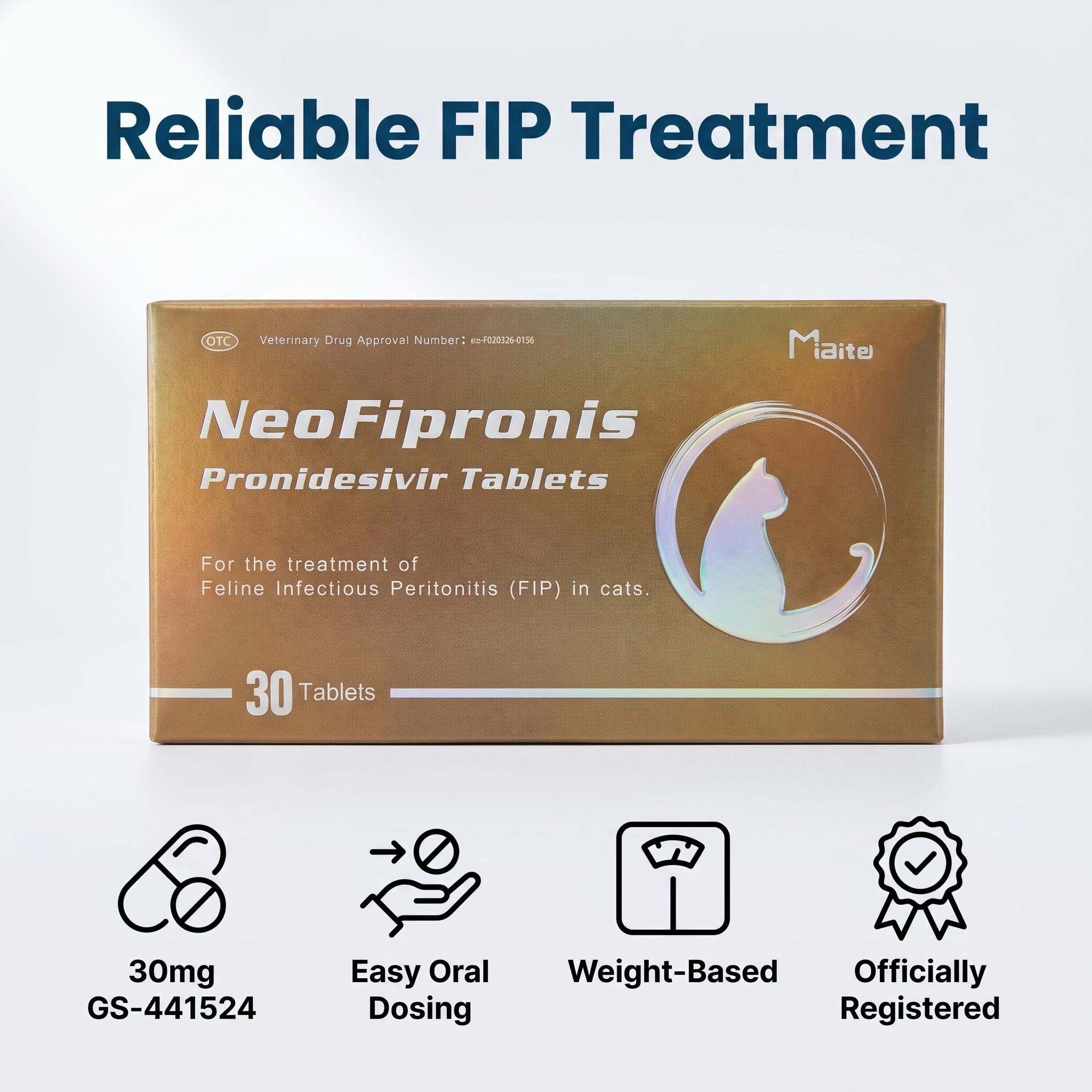
Historically, FIP was considered fatal, with treatment limited to supportive care: fluids, nutritional support, anti-inflammatories, and antibiotics to prevent secondary infections. However, in recent years, antiviral medications—most notably GS-441524 (a nucleoside analog related to remdesivir)—have transformed outcomes for many cats. Yet, the availability, legality, and cost of these drugs vary geographically, and not all veterinarians are equally experienced with their administration.
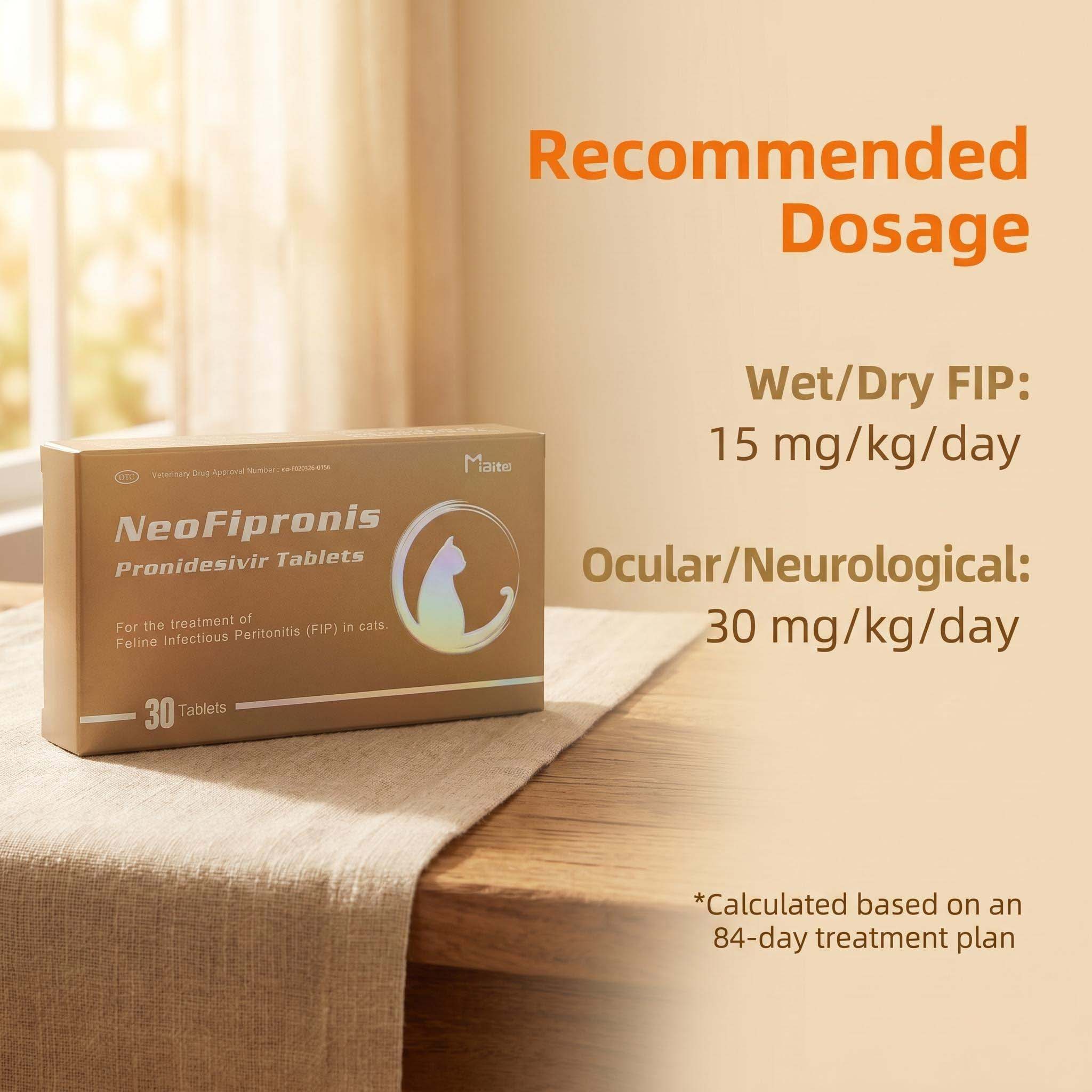
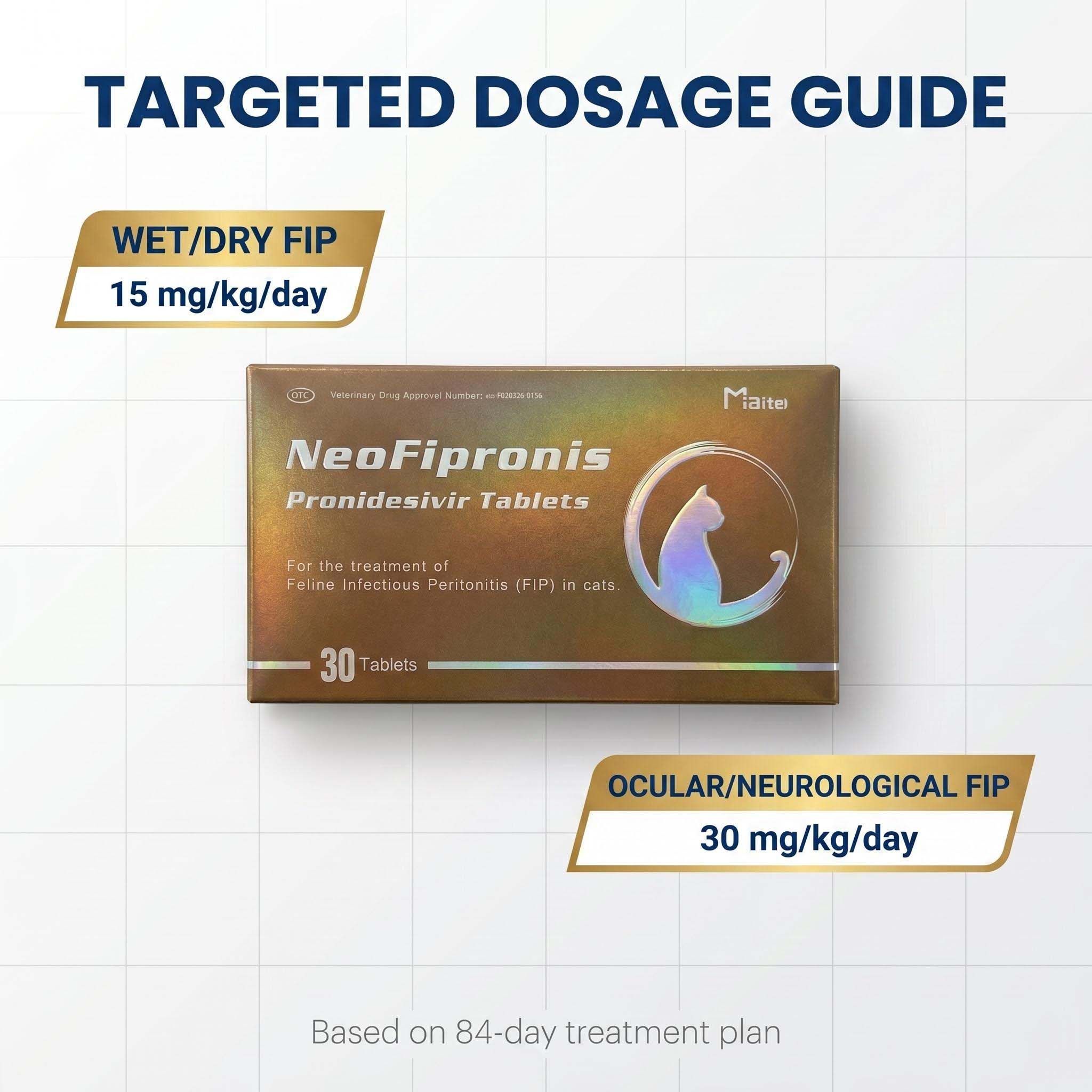
Dosage regimens are not one-size-fits-all. GS-441524 doses depend on several factors: the cat’s weight, the form of FIP, and the presence of neurological or ocular symptoms (which typically require higher doses). Some cats respond swiftly, while others need longer courses or adjunct therapies.
Adjunctive therapies (such as corticosteroids, immune modulators, or antibiotics) may be added based on the cat’s symptoms. For example, a cat with brain involvement may need additional drugs to cross the blood-brain barrier, while one with severe fluid buildup might need repeated drainage plus additional supportive therapy.
Response to Treatment and Ongoing Monitoring
Response to FIP treatment is never predictable. Some cats show rapid improvement, while others plateau or even deteriorate. Regular bloodwork, imaging, and physical exams help assess treatment effectiveness and guide adjustments.
Individual metabolism and genetics mean that drug plasma levels, responses, and tolerance will differ. Some cats metabolize GS-441524 quickly and require higher doses, while others suffer side effects like injection site reactions, nausea, or liver enzyme elevation, prompting alterations in protocol.
Every FIP journey is unique. Classes of drugs that work well for one cat may not be suitable for another. Some cats require extended treatment—sometimes up to 84 days or more—while others resolve symptoms much faster.
Prognostic Differences Among Cats
Prognosis hinges on several variables: form of FIP, duration and severity of illness before treatment, age, breed, immune competency, and comorbidities. Wet FIP tends to be more aggressive but sometimes responds more dramatically to treatment, while dry FIP often requires longer, more intensive regimens.
Cats with neurological or ocular involvement are particularly challenging, necessitating specialized dosing and monitoring. Their outcomes, while much improved since the introduction of targeted antivirals, vary widely. Thus, veterinarians must adapt management strategies in real time, sometimes mixing and matching drugs, adjusting dietary plans, or integrating additional supportive measures.
Owner Participation and Lifestyle Factors
Owner involvement can shape outcomes. Administering daily injections or oral medications requires commitment and precision. Some owners manage complex regimens well, while others struggle, leading veterinarians to modify recommendations based on what’s feasible for each family.
The home environment matters, too. Stress, nutrition, and exposure to other cats can affect immune function and disease progression. Multi-cat households may pose transmission risks for coronaviruses, requiring additional cleaning protocols and separation strategies.
Additionally, financial resources play a significant role. FIP treatment is expensive, especially when using antivirals not commercially licensed for veterinary use in the United States. Owners must weigh costs, future quality of life, and behavioral impacts when making decisions with their veterinarians.
Legal and Geographical Considerations
Access to cutting-edge FIP medications is not universal. GS-441524, widely successful in clinical trials and anecdotal reports, is not approved by the FDA for use in cats. Instead, drugs are obtained via online sources, personal importation, or through clinical studies. Regional differences mean that some cats receive gold-standard care, while others are limited to supportive management only.
Veterinarians must balance ethical and regulatory constraints, working within state and federal law and offering what’s accessible for each client and patient.
Conclusion: Why One-Size-Fits-All Rarely Works in FIP Treatment
The variability in FIP treatment is rooted in the unpredictable biology of the virus, the individual nature of each cat, the evolving armament of therapies, and the context in which care is delivered. While antivirals have revolutionized survival rates for many cats, the road to recovery is rarely linear. Each case demands a personalized approach that considers diagnosis, clinical presentation, response to medications, owner capacity, and legal realities.
This diversity in management is both a promise and a challenge, giving hope to once hopeless situations but also reminding caretakers that success in one cat may not guarantee similar outcomes in another. The future of FIP treatment will no doubt continue to evolve, but for today, tailored therapy is the cornerstone of care.
References
1. Pedersen, N. C. (2019). "Update on feline infectious peritonitis: diagnostics and therapeutics." Veterinary Journal, 248, 22-29.
2. Felten, S., & Hartmann, K. (2019). "Diagnosis of feline infectious peritonitis: a review of the current literature." Viruses, 11(11), 1068.
3. Addie, D. D., et al. (2020). "Feline infectious peritonitis (FIP): What can we learn from natural infection?" Veterinary Immunology and Immunopathology, 220, 108631.
4. Murphy, B. G., & Black, J. W. (2021). "Antiviral therapies for FIP: GS-441524 and beyond." Journal of Feline Medicine and Surgery, 23(7), 679-683.
5. Kipar, A., & Meli, M. L. (2014). "Feline infectious peritonitis: Still an enigma?" Veterinary Pathology, 51(2), 505-526.
6. U. S. Food and Drug Administration (FDA). "Animal Drugs @ FDA: Laws regulating animal drug use." www.fda.gov.
7. American Association of Feline Practitioners. (2023). "FIP guidelines and treatment recommendations." www.catvets.com