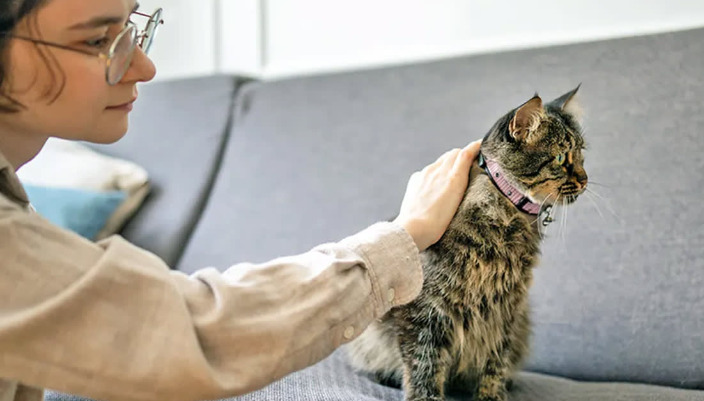
Are Temporary Setbacks During FIP Treatment Serious
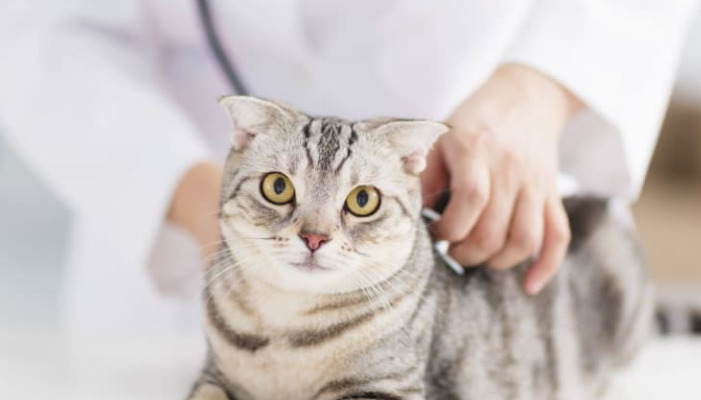
Feline Infectious Peritonitis (FIP) is a devastating disease caused by a mutated form of the feline coronavirus (FCoV). Traditionally considered nearly always fatal, recent advancements in veterinary medicine have offered hope through experimental treatments and supportive care. However, the course of FIP treatment can be unpredictable, and pet owners often worry about temporary setbacks. Understanding whether these setbacks are serious or manageable is crucial for making informed decisions about treatment and prognosis.
Understanding FIP and Its Treatment Challenges
FIP primarily affects young cats, especially those living in multi-cat environments or shelters. The disease occurs when the normally benign feline coronavirus mutates inside the host, leading to severe inflammation, particularly in the abdomen, chest, or brain. Classic signs include weight loss, lethargy, fever, and fluid accumulation in body cavities.
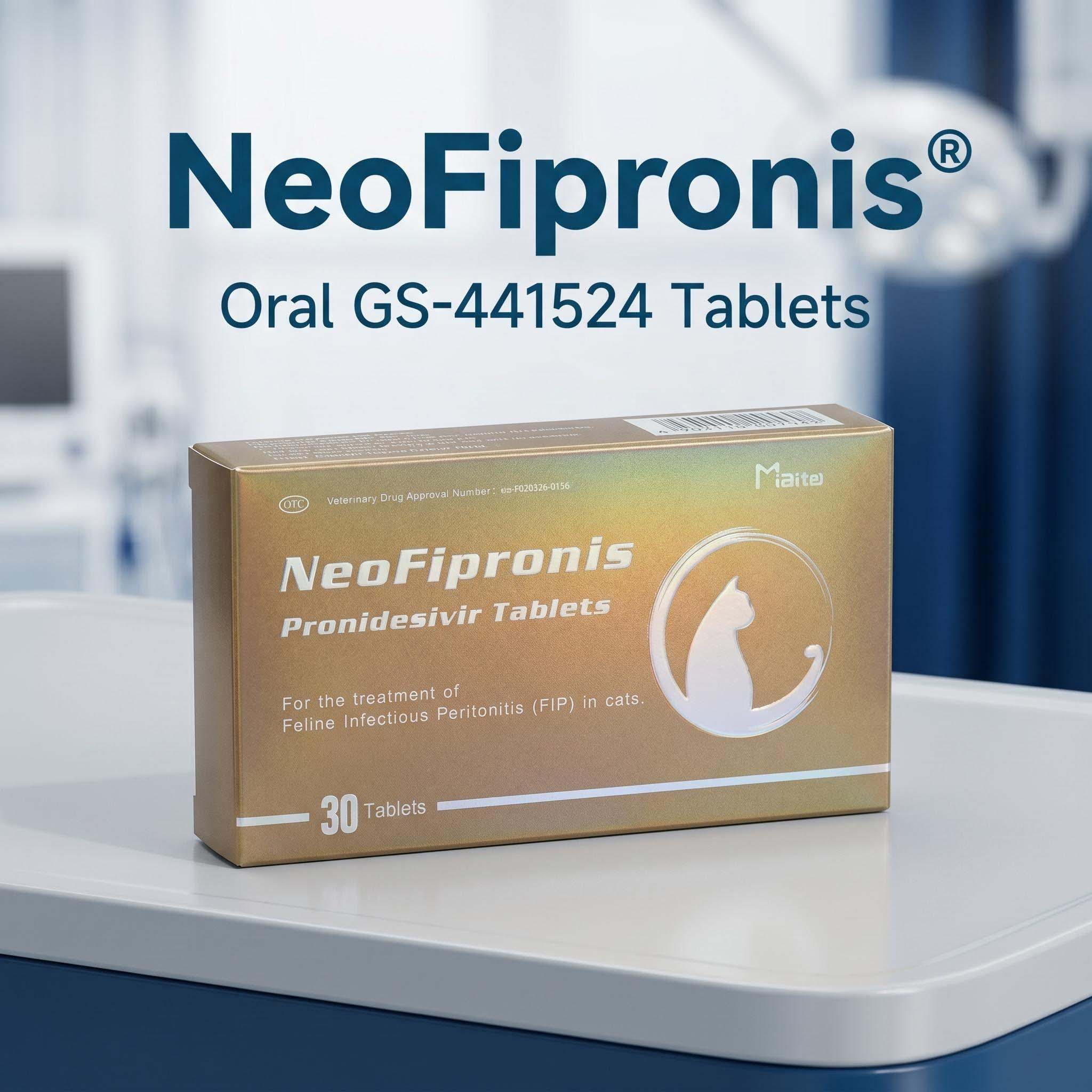
The traditional prognosis for FIP was grim, with most cats dying within weeks. Recently, antiviral drugs such as GS-441524 have demonstrated promising results, turning the tide in FIP management. Despite this, treatment remains complex, with variable responses, side effects, and occasional setbacks.
What Are Temporary Setbacks?
A setback during treatment refers to a transient decline or worsening of the cat's condition after initial improvement. Common examples include:
A resurgence of fever
Increased fluid accumulation
Loss of appetite
Sudden lethargy or behavioral changes
Not all setbacks are alarming; some can result from minor issues like stress, dehydration, or temporary side effects of medication. Others might indicate more serious complications, such as drug intolerance or disease progression.
Are All Setbacks Equally Serious?
The seriousness of a setback hinges on its cause, duration, and the cat's overall health status.
Minor setbacks: Often benign and manageable. For example, mild fever or slight weight loss may resolve with supportive care or dose adjustments.
Major setbacks: Indicate potential complications, such as drug resistance, secondary infections, or organ failure. These require prompt veterinary assessment and intervention.
Potential Causes of Setbacks
Understanding the root causes helps determine the level of concern.
1. Drug Side Effects or Toxicity: Some antiviral medications can cause adverse reactions, such as liver enzyme elevations or gastrointestinal upset. These are typically reversible upon dose adjustment or drug change.
2. Disease Progression: Despite treatment, some cats may experience worsening symptoms due to incomplete viral clearance or mutated virus variants.
3. Secondary Infections: Immunosuppression or side effects may predispose cats to bacterial or fungal infections, complicating recovery.
4. Stress and Environmental Factors: Environmental stressors can weaken immune responses, temporarily exacerbating symptoms.
Monitoring and Managing Setbacks
Vets usually recommend regular monitoring through blood tests, physical exams, and imaging to track progress. Recognizing early signs of setbacks enables timely intervention.
Management strategies include:
Adjusting medication dosages
Providing supportive therapies (e.g., fluids, appetite stimulants)
Addressing secondary infections
Minimizing stress and environmental changes
When to Seek Veterinary Attention
Any sudden or severe change in a cat's condition warrants immediate veterinary evaluation. Key signs include difficulty breathing, unresponsive behavior, severe lethargy, or significant fluid overload.
Prompt action can help stabilize the cat and prevent more serious complications. In some cases, a temporary setback does not mean the end of the treatment but necessitates a review and adjustment plan.
Prognosis and Outlook
While temporary setbacks can be distressing, they are not necessarily indicative of treatment failure. Many cats overcome initial setbacks with appropriate care, and some recover fully or semi-fully from FIP. The key lies in vigilant monitoring and proactive management.
Recent research suggests that early detection of setbacks and tailored treatment adjustments significantly improve outcomes. Despite the uncertainties, hopeful cases have increased thanks to advances in antiviral therapies.
Conclusion
Temporary setbacks during FIP treatment are common and not always a sign of serious trouble. They often reflect the natural course of illness management and can be effectively addressed with vigilant veterinary care. Owners should maintain close communication with their veterinarian, monitor symptoms carefully, and avoid panic at minor fluctuations in their cat's condition. With informed management, many cats can navigate these setbacks and achieve meaningful recovery.
References
1. Pedersen, N. C. (2016). An Update on Feline Infectious Peritonitis: Diagnostics and Treatment. Journal of Feline Medicine and Surgery, 18(7), 567–578.
2. Rizk, M. L., et al. (2020). Antiviral Therapy for Feline Infectious Peritonitis with GS-441524. Journal of Veterinary Internal Medicine, 34(4), 1652–1658.
3. Neale, C., & Halpin, R. (2019). Managing Side Effects in FIP Treatment Regimens. Veterinary Clinics of North America: Small Animal Practice, 49(2), 243–255.
4. Addie, D. D., & Jarrett, O. (2018). Feline Coronavirus and FIP: The Complex Relationship. Veterinary Immunology and Immunopathology, 102(3), 261–268.
5. Ho, Y., et al. (2019). Advances in the Treatment of FIP. Veterinary Medicine and Science, 5(4), 385–392.