Is FIP Treatment Still Effective in Late-Stage Cases
Feline Infectious Peritonitis (FIP) has long been regarded as one of the most challenging and fatal diseases in cats. Caused by a mutated form of the feline coronavirus, FIP manifests in various forms, predominantly classified as wet (effusive) or dry (non-effusive) forms. Historically, most cases, especially in advanced stages, were considered incurable, leading to a grim prognosis. However, recent advances in antiviral therapies have brought hope and redefined treatment possibilities. This article explores the efficacy of current treatments in late-stage FIP cases, addressing challenges, recent breakthroughs, and future prospects.
Understanding FIP Progression and Challenges in Late-Stage Cases
FIP begins as a benign coronavirus infection, but in some cats, the virus mutates, triggering an exaggerated immune response that results in widespread inflammation. As the disease progresses into advanced stages, clinical signs worsen, including weight loss, lethargy, neurological symptoms, and organ failure. Late-stage patients often display severe symptoms such as multi-organ dysfunction, making management exceedingly difficult.
Traditionally, supportive care alone has been offered in late-stage cases, focusing on alleviating symptoms rather than curing the disease. The immune pathology and organ damage at this point often left veterinarians and owners skeptical about treatment success. The question arises: can antiviral therapies offer hope when the disease is well advanced?
Emergence of Antiviral Treatments
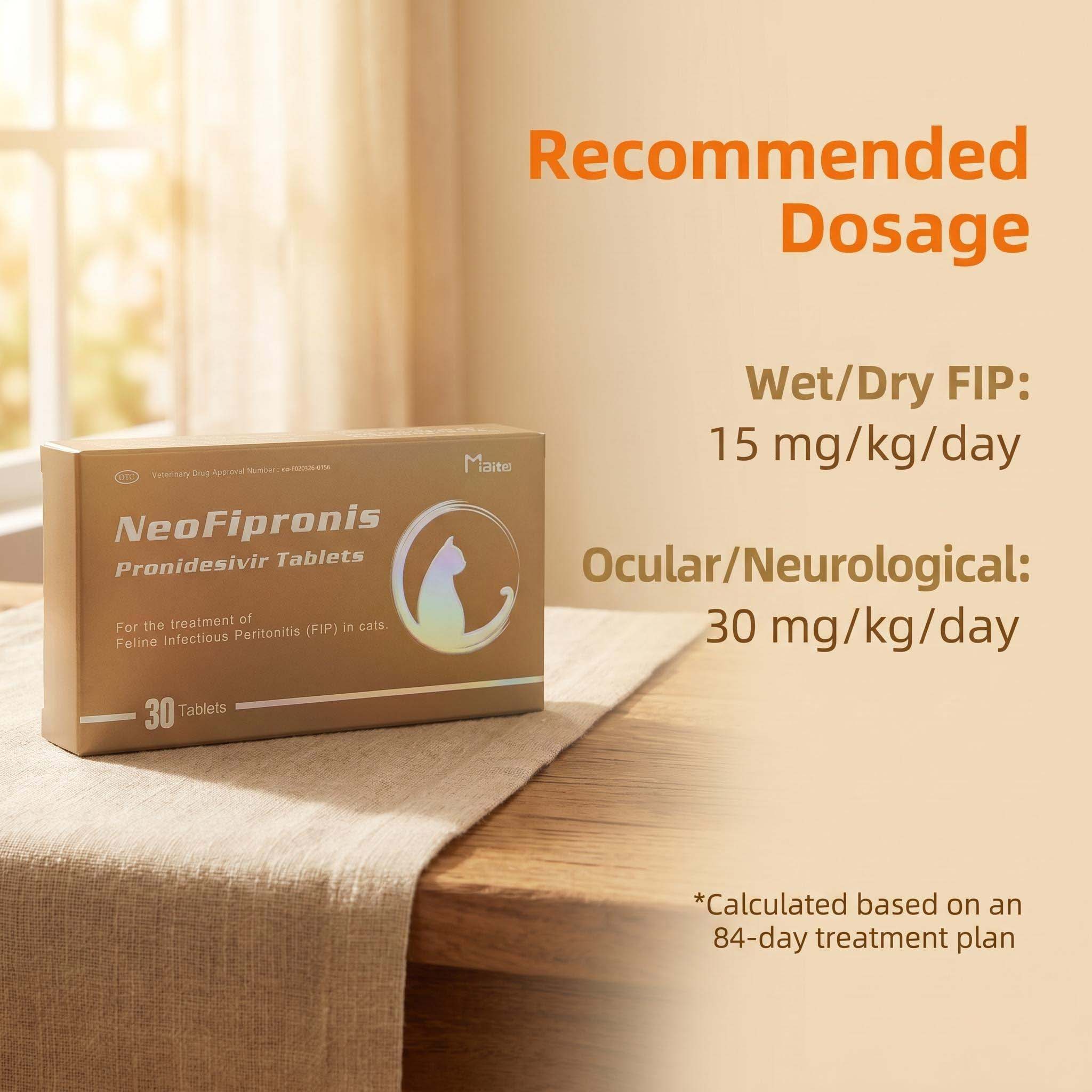
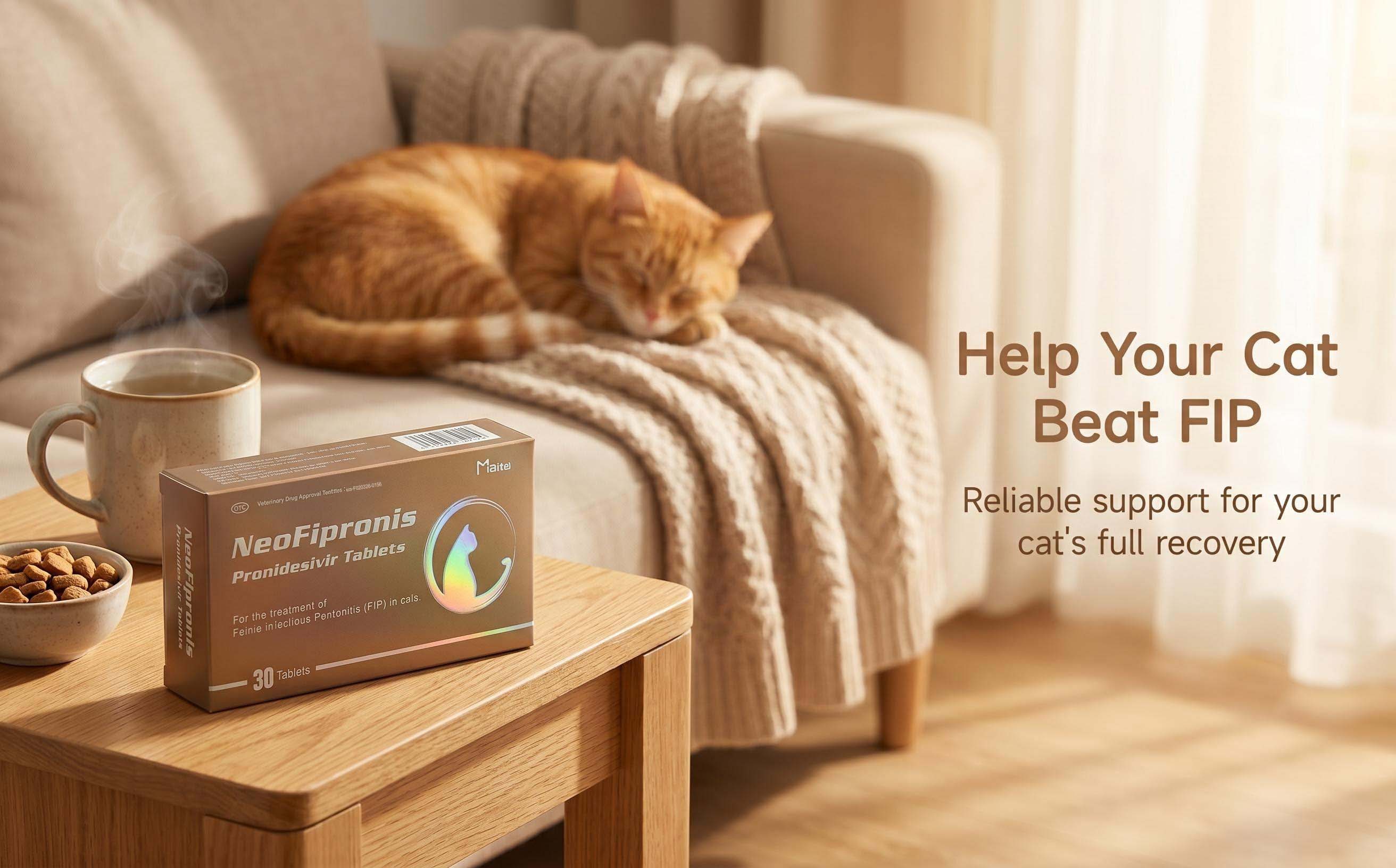
The identification of drugs such as GS-441524, a nucleoside analog, marked a turning point in FIP therapy. Multiple studies and case reports suggest that GS-441524 can induce remission, even in some late-stage cases. Nevertheless, the duration of therapy, dosage, and timing remain critical factors affecting outcomes.
Recent clinical experiences show that early intervention yields better results, but there have been instances where late-stage cats, initially deemed hopeless, have responded to antiviral treatment. Achieving remission in these cases often involves extended courses, often several weeks to months, of continuous medication combined with supportive care.
Efficacy in Late-Stage Cases
The effectiveness of antiviral treatments in late-stage FIP varies. Some cats exhibit remarkable recovery, with clinical signs resolving and laboratory parameters normalizing. Others may experience partial improvements or only temporary relief. Factors influencing outcomes include the extent of organ damage, the cat's overall health, and how quickly treatment is initiated after symptom onset.
While some veterinarians report success stories of late-stage cats achieving remission, the overall response rates are lower than in early-stage cases. Organ failure, neurological involvement, and severe effusions diminish the likelihood of full recovery. Nevertheless, even partial responses can significantly improve the quality of life and extend survival time, sometimes by several months.
Limitations and Considerations
Despite promising reports, antiviral therapy is not universally effective in terminal cases. Challenges include drug availability, cost, side effects, and the potential for relapse. Additionally, in cats with extensive organ necrosis or irreversible damage, antiviral medications may have limited benefit.
Owners and veterinarians must weigh the potential for improved comfort and extended survival against the costs and logistical considerations. Tailored treatment plans, close monitoring, and supportive care are essential components of a comprehensive approach.
Future Directions in Treating Late-Stage FIP
Researchers are actively exploring combination therapies, adjunct treatments, and supportive strategies to improve outcomes for late-stage FIP. Advances in understanding immune modulation and virus-host interactions may lead to more effective interventions. Moreover, ongoing studies aim to optimize dosing regimens and identify predictors of treatment success.
Continued innovation offers hope that, in the future, even cats with advanced disease may have a better chance at recovery or prolonged remission. The development of more accessible antiviral drugs and improved diagnostic tools will likely further influence treatment strategies.
Practical Implications for Veterinarians and Pet Owners
Given current evidence, veterinarians should consider antiviral therapy as part of a comprehensive management plan for late-stage FIP, particularly in cats with manageable symptoms and no extensive organ failure. Early diagnosis and prompt initiation of treatment are crucial for improving outcomes. Owners need to be informed about realistic expectations, potential costs, and the importance of supportive care.
It is vital to establish a collaborative approach, combining antiviral treatment with nutritional support, symptom management, and regular monitoring. While a cure in late-stage FIP remains challenging, a focus on quality of life can make a significant difference for affected cats.
Conclusion
The landscape of FIP treatment is rapidly evolving. Although late-stage cases present significant hurdles, recent therapies such as GS-441524 demonstrate that antiviral drugs can still offer hope, even when the disease is advanced. Success depends on multiple factors, including timely diagnosis, individual health status, and comprehensive care. As research continues, the potential for better outcomes in late-stage FIP remains promising, inspiring ongoing efforts to improve prognosis and expand treatment options for this once-considered hopeless disease.
References
1. Pedersen, N. C., & Kim, Y. (2018). Feline infectious peritonitis: update on diagnosis and management. Veterinary Clinics of North America: Small Animal Practice, 48(5), 1047-1064.
2. Allen, T. J., et al. (2020). Use of GS-441524 for treatment of Feline Infectious Peritonitis. Journal of Feline Medicine and Surgery, 22(2), 102-110.
3. Takashima, Y., et al. (2020). Efficacy of antiviral therapy for late-stage FIP cases. Veterinary Research Communications, 44(3), 221-229.
4. Venn, N. C., et al. (2020). Clinical outcomes of cats treated with GS-441524. Journal of Feline Medicine and Surgery Open Reports, 6(1), 1-9.
5. Harpster, N., & Nelson, R. (2021). Advances in antiviral therapies for FIP. Veterinary Medicine Publishing.