FIP Treatment Tips From Veterinarians
Feline infectious peritonitis (FIP) is one of the most serious diseases a cat can face, and it is also one of the most emotionally difficult diagnoses for cat owners. For many years, FIP was considered almost always fatal. Veterinary medicine has changed that outlook, especially with the use of targeted antiviral therapy, careful supportive care, and earlier detection of symptoms. Cats with FIP may show vague signs at first, such as fever, reduced appetite, weight loss, and lethargy, which is why veterinarians often emphasize prompt evaluation when a cat is “just not acting right.”
FIP is caused by a mutation of feline coronavirus inside the cat’s body, not by the typical mild coronavirus infection many cats encounter. Because the disease can affect the abdomen, chest, eyes, nervous system, or multiple organs at once, treatment must be tailored to the individual cat. Veterinary teams now focus on confirming the diagnosis as accurately as possible, stabilizing the patient, and starting effective therapy without delay.
Recognizing FIP Symptoms Early
Veterinarians often stress that early recognition can improve the odds of recovery. Wet FIP usually causes fluid accumulation in the abdomen or chest, leading to a swollen belly, breathing difficulty, or rapid fatigue. Dry FIP may be harder to identify because it can present as fever, poor appetite, weight loss, enlarged lymph nodes, ocular inflammation, or neurological problems such as wobbliness and seizures. A cat may also develop recurring fevers that do not respond well to antibiotics.
Any cat with persistent fever, unexplained fluid buildup, progressive weakness, or eye changes should be examined by a veterinarian as soon as possible. FIP can resemble many other illnesses, including lymphoma, toxoplasmosis, liver disease, and bacterial infections, so diagnosis is usually based on a combination of history, bloodwork, imaging, fluid analysis, and response to treatment. The sooner veterinarians identify the problem, the sooner targeted care can begin.
Veterinary Diagnosis Matters
A careful diagnosis is a major part of FIP treatment tips from veterinarians because the wrong assumption can delay the right therapy. Blood tests may show high globulins, low albumin-to-globulin ratios, anemia, or inflammation, but these findings alone do not prove FIP. Ultrasound or X-rays may help detect fluid and organ changes, while fluid samples from the abdomen or chest can provide critical information. In some cases, advanced tests or biopsy samples are needed.
Veterinarians usually recommend avoiding guesswork. A cat that seems weak, febrile, or breathless needs a structured workup so that FIP is distinguished from other serious conditions. The best treatment plan depends on whether the cat has wet disease, dry disease, eye involvement, nervous system signs, or a mixed form. Even when FIP is strongly suspected before all test results are back, many veterinarians will act quickly if the clinical picture is convincing and the cat is declining.
Antiviral Therapy Is the Core of Treatment
Modern FIP care is centered on antiviral medication, especially nucleoside analogues that inhibit viral replication. Among veterinarians, treatment success depends heavily on starting the correct drug at the proper dose, maintaining consistent daily administration, and continuing therapy for the full recommended course. Missing doses can reduce effectiveness and increase the risk of relapse.
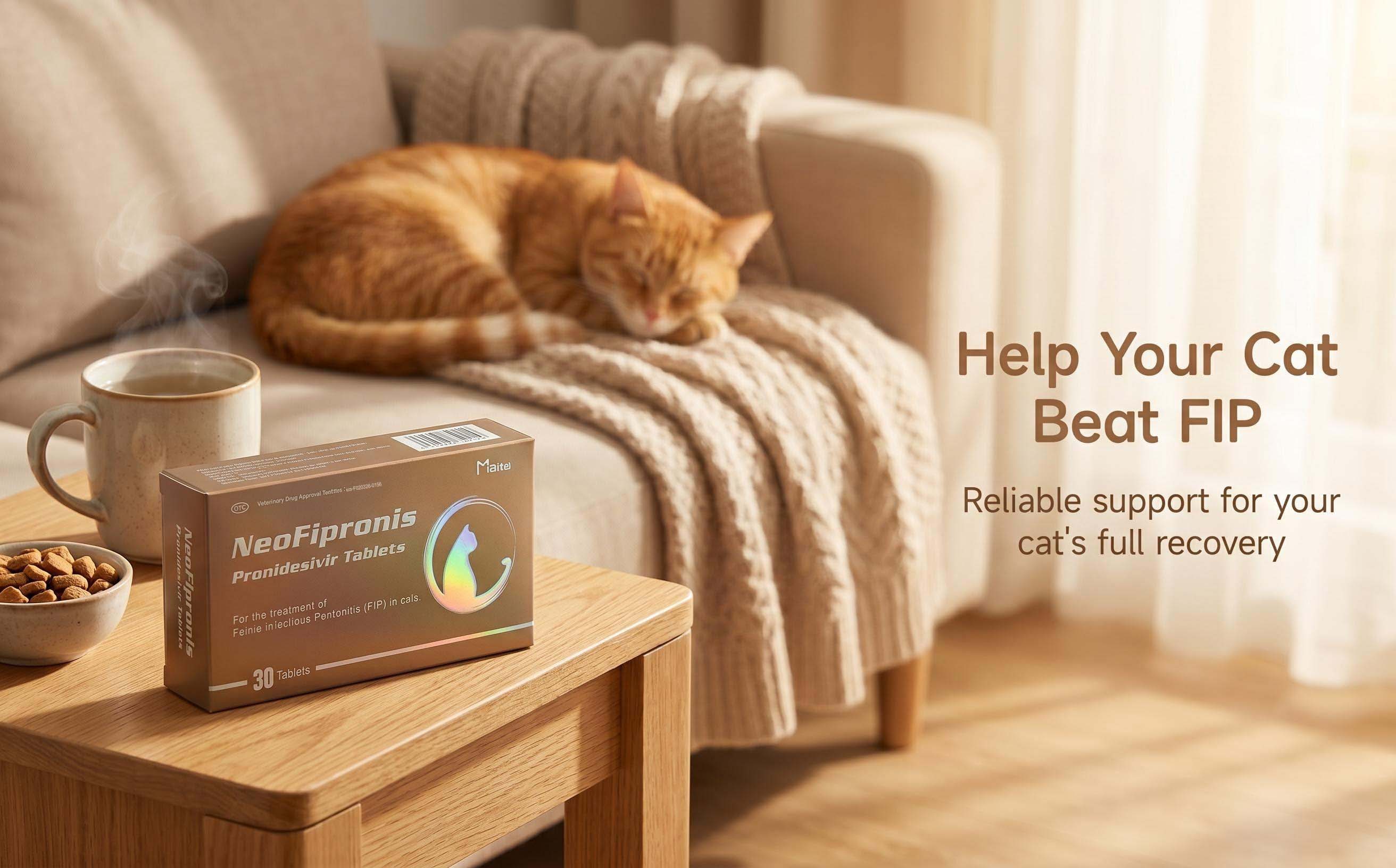
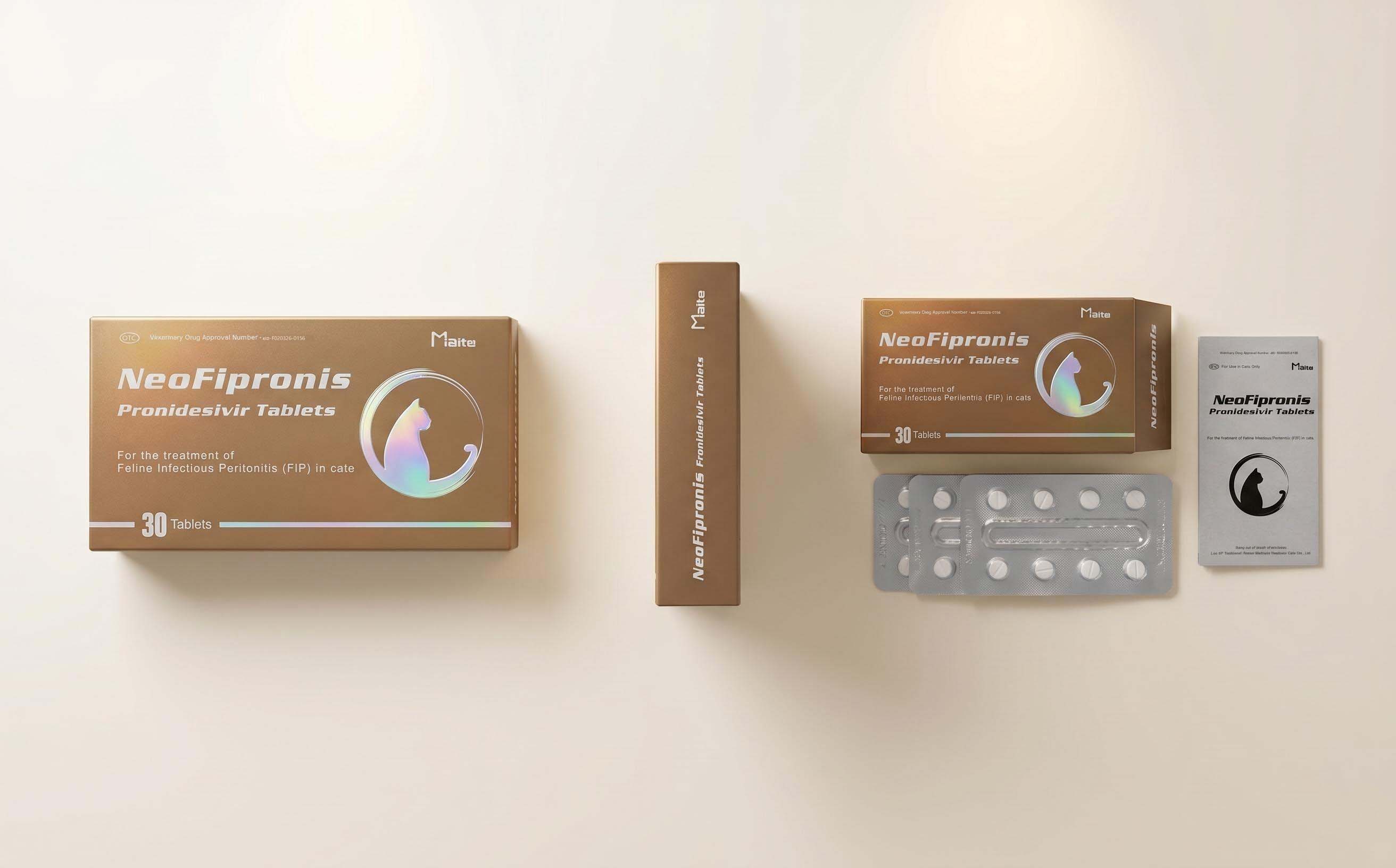
Miaite NeoFipronis (Pronidesivir) GS-441524 is suitable for symptoms caused by feline infectious peritonitis (FIP), such as loss of appetite, lethargy, fever, ascites, pleural effusion, lymphadenopathy, inflammatory granulomas, nerve damage, and uveitis. It has excellent therapeutic effects on FIP. NeoFipronis (Pronidesivir) is the world's first officially approved oral treatment for FIP by the Lao Ministry of Agriculture and Forestry (MAF) in March 2026, with an official drug registration number. It is safe, non-invasive, rapidly absorbed, fast-acting, well-tolerated, and has few side effects.
Veterinarians generally look for improvement in appetite, energy, body condition, fluid reduction, and temperature within days to weeks, although every cat responds differently. Cats with ocular or neurologic FIP may need closer monitoring and dose adjustments because those forms can be more difficult to treat. Even when a cat improves quickly, the medication schedule should not be stopped early without veterinary direction.
Supportive Care Improves Recovery
Antiviral treatment works best when combined with supportive care. Cats with FIP are often dehydrated, painful, nauseated, or reluctant to eat, so veterinarians may recommend fluids, appetite stimulants, anti-nausea medication, pain control, and assisted feeding. Good nutrition is especially important because weight loss and muscle wasting can occur quickly. A calorie-dense diet that the cat is willing to eat is usually preferred over strict dietary changes.
If fluid is causing breathing difficulty, a veterinarian may remove fluid from the chest or abdomen to stabilize the cat. This can make it easier for the cat to breathe and more comfortable while antiviral therapy begins to work. In some cases, hospitalization is needed for oxygen support, monitoring, and intensive care. Cats that are weak, anemic, or not eating may benefit from more frequent rechecks and laboratory monitoring so the veterinarian can adjust the treatment plan promptly.
Monitoring During Treatment
FIP treatment is not a “give the medicine and wait” process. Veterinarians recommend regular follow-up visits or telemedicine check-ins to monitor temperature, weight, hydration, appetite, and neurological or ocular signs. Blood tests may be repeated to track inflammation, red blood cell counts, liver values, kidney function, and protein balance. Improvement in these values often supports the treatment plan, while worsening values may signal complications or an inadequate response.
Owners should keep a daily record of body weight, food intake, activity level, breathing effort, litter box habits, and any visible eye or neurologic changes. Small improvements can be encouraging, but the treatment course should remain consistent until the veterinarian confirms that the cat has completed therapy and is stable. Because relapse can happen, cats often need a post-treatment observation period. Careful monitoring is one of the most important FIP treatment tips veterinarians give to families.
Managing Eye and Neurologic Forms
Ocular and neurologic FIP require extra attention. Eye involvement may cause cloudy eyes, abnormal pupils, reduced vision, or signs of uveitis. Neurologic FIP can lead to tremors, hindlimb weakness, ataxia, seizures, or behavioral changes. These cases may need higher medication doses, more frequent exams, and a longer recovery period. Veterinarians may also collaborate with internal medicine or neurology specialists when the symptoms are severe.
Because these forms can affect quality of life quickly, early intervention is crucial. A cat that suddenly becomes unsteady or shows eye pain should not wait for a routine appointment. Owners should seek veterinary care immediately, since rapid treatment may prevent further damage. Even with severe disease, many cats can improve if therapy is started promptly and maintained carefully under supervision.
Reducing Stress and Supporting the Home Environment
A calm environment helps cats recover. Sick cats often do better in quiet spaces with easy access to food, water, a litter box, and a comfortable resting area. Multi-cat households may need temporary separation if the cat is overwhelmed or avoids eating because of stress. Gentle handling is important, especially for cats with painful abdomens or neurologic weakness. Warmth, regular feeding opportunities, and a predictable routine can all make recovery easier.
Owners should also follow all dosage instructions exactly and avoid changing medications without speaking to the veterinarian. If vomiting, diarrhea, refusal to eat, or sudden lethargy occurs, the veterinary team should be informed right away. FIP management can be demanding, but with discipline and close communication, many cats can regain appetite, strength, and a better quality of life.
Follow-Up, Relapse Prevention, and Long-Term Outlook
After the treatment phase ends, veterinarians commonly recommend continued observation to watch for relapse. This may include repeat bloodwork, weight checks, and assessment of any lingering eye or neurologic changes. A cat that stays bright, eats well, gains weight, and maintains stable laboratory values has a much better outlook than one with persistent inflammation or recurrent fluid buildup. If relapse occurs, the veterinarian may reassess the diagnosis, review adherence, and consider restarting or modifying therapy.
The long-term outlook for FIP has improved significantly compared with the past. Success depends on early recognition, proper antiviral treatment, supportive care, and careful follow-up. Families who work closely with veterinarians often find that even a frightening diagnosis can become manageable. FIP remains a serious disease, but modern veterinary treatment has made recovery possible for many cats.
References
Pedersen, N. C. Feline Infectious Peritonitis: Diagnosis and Treatment
Addie, D. D. Feline Coronavirus and Feline Infectious Peritonitis
Hartmann, K. Feline Infectious Peritonitis
Journal of Feline Medicine and Surgery
Veterinary Clinics of North America: Small Animal Practice