NeoFipronis (GS-441524) Indications, Precautions, and Contraindications
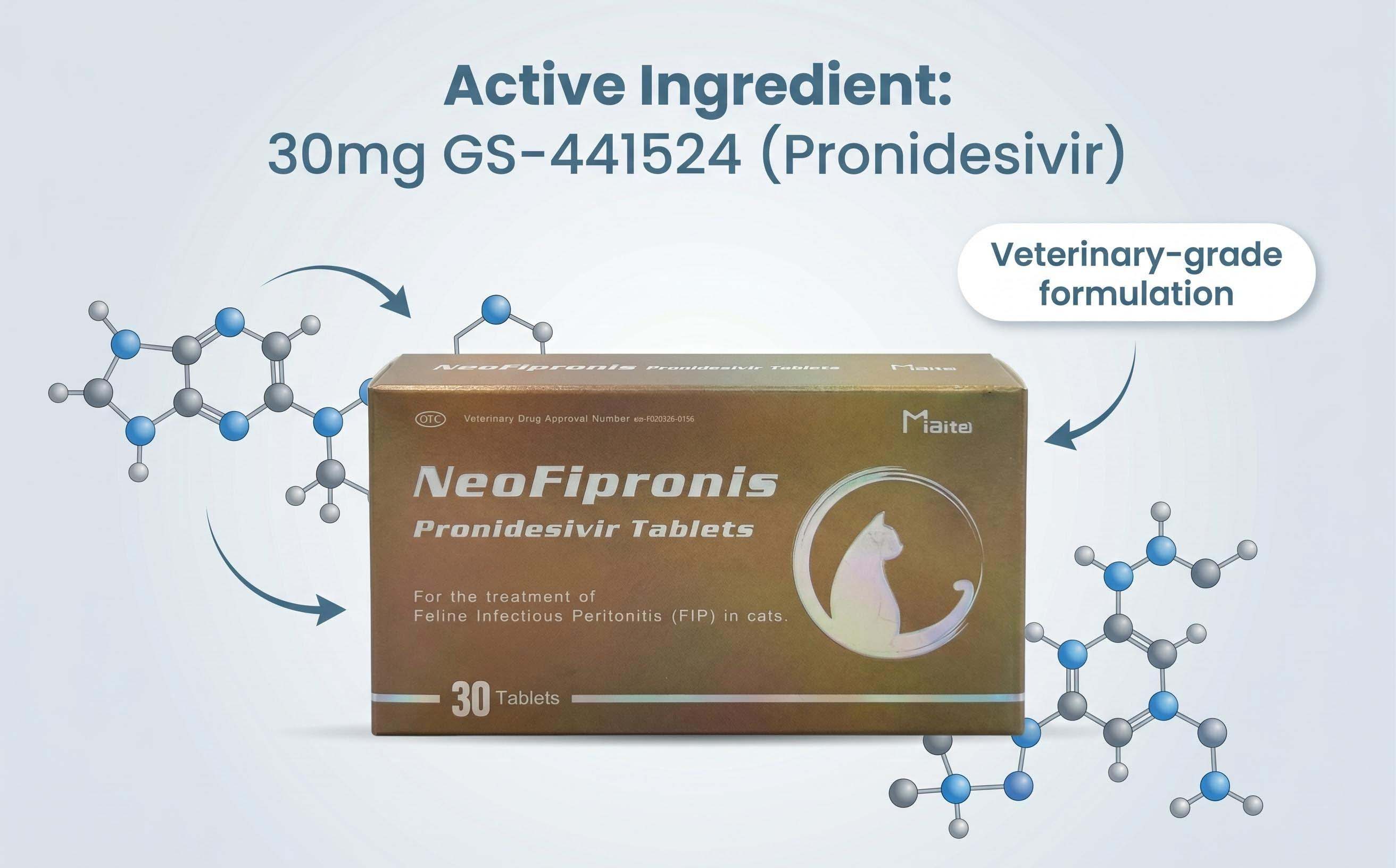
NeoFipronis (Pronidesivir) GS-441524 represents a groundbreaking oral treatment specifically developed for cats suffering from Feline Infectious Peritonitis (FIP). As the first officially registered FIP therapy authorized by the Lao Ministry of Agriculture and Forestry (MAF) in March 2026, NeoFipronis offers a safe, non-invasive, and highly effective option for managing this often fatal disease. Its rapid absorption, minimal side effects, and proven efficacy make it a preferred choice among veterinarians and cat owners worldwide.
Indications
NeoFipronis is primarily indicated for cats diagnosed with FIP exhibiting symptoms such as anorexia, lethargy, fever, ascites, pleural effusion, lymphadenopathy, inflammatory granulomas, neurological damage, and uveitis. The therapy has demonstrated remarkable success in alleviating these clinical signs, significantly improving survival rates. It is suitable for various FIP forms—including effusive (wet), non-effusive (dry), and neurological FIP—when administered under veterinary supervision. The active compound, GS-441524, inhibits viral replication effectively, targeting the root cause of FIP virus proliferation within infected feline tissues.
Precautions
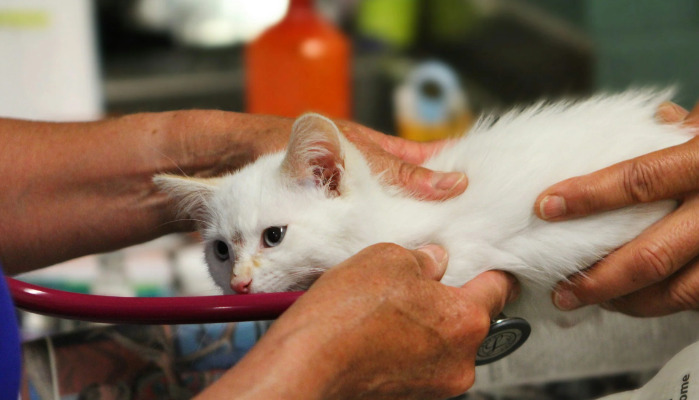
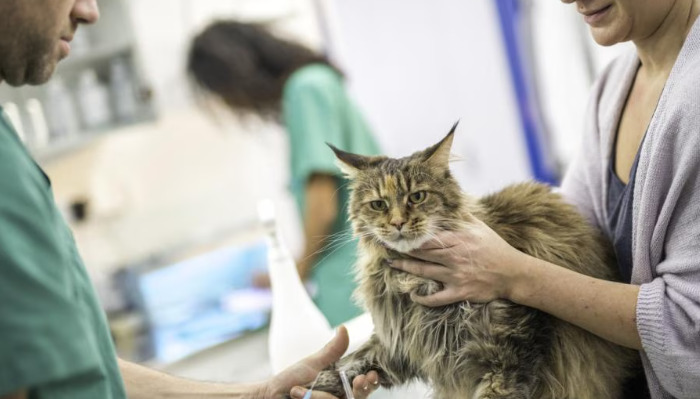
While NeoFipronis is generally well tolerated, certain precautions are essential. The medication should be administered under veterinary guidance to ensure proper dosing and treatment duration. Continuous therapy for at least 12 weeks is crucial to achieve complete viral clearance. Missing doses may compromise treatment efficacy; hence, adherence to prescribed schedules is vital. During treatment, owners should monitor cats closely for changes in appetite, activity, and body temperature. Regular blood tests assessing liver and kidney functions help detect potential adverse effects early. Though NeoFipronis is available over-the-counter, consulting a veterinarian before use is highly recommended to optimize outcomes and minimize risks.
Contraindications
NeoFipronis is contraindicated in cats with known hypersensitivity to GS-441524 or related compounds. It should not be used in cats with severe hepatic or renal impairments unless directed by a veterinarian. Pregnant or nursing cats require careful evaluation before treatment, as safety data in these groups are limited. The medication is strictly intended for feline use; human administration is prohibited. Additionally, NeoFipronis is not suitable for cats that have concurrently received incompatible medications, especially immunosuppressants or other antivirals, without professional guidance.
Usage and Dosage
The recommended dosage is 15 mg per kilogram of body weight once daily, administered on an empty stomach—either one hour before feeding or two hours after. For cats with neurological or ocular FIP, the dosage may be increased to 30 mg/kg based on veterinary assessment. The medication should be given consistently without skipping doses to ensure optimal antiviral activity. Pet owners must adhere to the full course, which typically lasts no less than 12 weeks, to prevent relapse or resistance development.
Safety and Quality Assurance
NeoFipronis (Pronidesivir) is developed with stringent quality controls to ensure safety and efficacy. Despite being an over-the-counter product in certain regions, sourcing from official channels or authorized distributors is essential to guarantee authenticity and quality. Though generally safe, potential side effects are rare but may include mild gastrointestinal upset or transient elevation of liver enzymes. Owners are advised to consult their veterinarian promptly if adverse reactions occur.
Conclusion
NeoFipronis (GS-441524) signifies a significant advancement in feline medicine, providing a safe, effective, and easy-to-administer treatment for FIP. Its proven clinical benefits, combined with minimal side effects, make it an invaluable tool in combating this devastating disease. Proper usage, under veterinary supervision, ensures optimal outcomes for affected cats, offering hope for many pet owners battling FIP.