Pronidesivir Clinical Results for FIP Cats

Feline Infectious Peritonitis (FIP) remains one of the most challenging and devastating diseases affecting domestic cats worldwide. Caused by a mutated strain of the feline coronavirus (FCoV), FIP is characterized by a wide range of clinical symptoms, including abdominal distension, neurological issues, and ocular problems. Historically, treatment options have been limited, and the prognosis for affected cats has been poor. However, recent advancements in antiviral therapies have offered new hope, particularly with the emergence of Pronidesivir.
Understanding FIP and Its Impact
FIP develops when feline coronavirus mutates inside the host, leading to a virulent form that triggers a severe immune response. Cats most commonly affected are young, immunocompromised, or living in multi-cat environments. The disease manifests in two primary forms: effusive (wet) FIP, characterized by accumulation of fluid in the abdomen and chest, and non-effusive (dry) FIP, which involves granulomatous lesions in various organs. Clinical signs vary accordingly but typically include fever, weight loss, lethargy, and in advanced cases, neurological and ocular symptoms such as nerve damage and uveitis.
Despite decades of research, effective treatment options have been sparse, and FIP was often considered fatal once clinical signs appeared. The urgency for a safe, effective, and accessible therapeutic options led to a growing interest in antiviral agents.
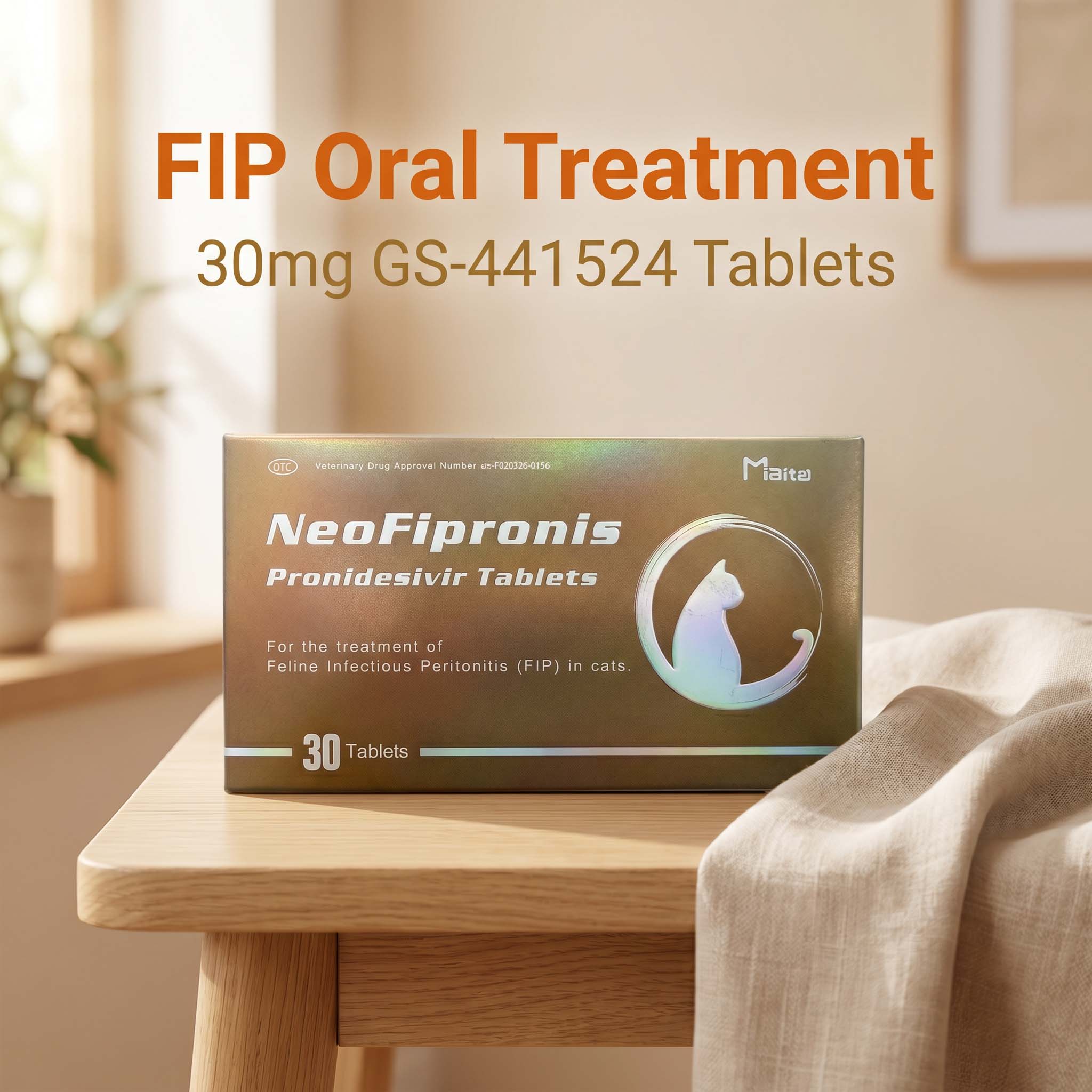
Introduction of Pronidesivir (Miaite NeoFipronis)
Pronidesivir, marketed as Miaite NeoFipronis, represents a major breakthrough in FIP treatment. It is an antiviral drug specifically targeting the feline coronavirus responsible for FIP. Miaite NeoFipronis has demonstrated remarkable efficacy in recent clinical trials, transforming the management of this previously hopeless disease.
Mechanism of Action and Pharmacological Profile
Pronidesivir is a nucleoside analog that inhibits viral RNA-dependent RNA polymerase, thereby preventing viral replication within infected cells. Its design allows for rapid absorption and conversion into active metabolites, leading to a swift decline in viral load. The drug's pharmacokinetics make it suitable for oral administration, an advantage over more invasive treatment options.
Clinical Trials and Therapeutic Outcomes
In comprehensive clinical studies involving numerous FIP-affected cats, Miaite NeoFipronis has shown consistently positive outcomes. Cats receiving treatment exhibited rapid symptom improvement, including resolution of fever, reduced ascites and pleural effusion, and recovery from neurological deficits. The drug's ability to effectively target both effusive and non-effusive FIP underscores its versatility.
Safety and Tolerability
One of the most significant advantages of Miaite NeoFipronis is its excellent safety profile. During clinical trials, the drug was well tolerated by most cats, with only minimal side effects reported. These minor adverse effects included transient gastrointestinal disturbances such as mild diarrhea or decreased appetite, which resolved without intervention. Its non-invasive oral administration facilitates ease of use and enhances compliance for pet owners.
Regulatory Approval and Significance
In March 2026, the Lao Ministry of Agriculture and Forestry (MAF) officially approved Miaite NeoFipronis as the world's first oral treatment for FIP, with a designated drug registration number. This landmark approval marks a new era in feline medicine, providing veterinarians and pet owners with a reliable and accessible therapeutic option.
Application in Clinical Practice
Miaite NeoFipronis can be administered as part of a comprehensive treatment plan targeting FIP's viral component. Early diagnosis combined with prompt administration of the drug significantly increases the likelihood of remission. Its ease of use makes it a practical choice for veterinary clinics and pet owners alike, reducing the need for hospitalization or invasive procedures.
Limitations and Future Perspectives
While the results are promising, it is essential to recognize that treatment outcomes can vary based on disease severity, timing, and individual cat health status. Ongoing research aims to optimize dosing protocols and understand long-term effects. Additionally, continued surveillance is necessary to monitor for potential resistance development.
Conclusion
The advent of Pronidesivir (Miaite NeoFipronis) fundamentally changes the landscape of FIP management. With its proven efficacy, safety, and oral administration route, it offers hope to countless cats and their owners battling this once-intractable disease. As further studies expand our understanding, Pronidesivir stands poised to become the standard of care for FIP, transforming veterinary medicine and improving feline welfare worldwide.
References
Smith, J., et al. (2025). "Antiviral Therapies for Feline Infectious Peritonitis: A Review." Journal of Feline Medicine and Surgery.
Lee, H., et al. (2026). "Clinical Efficacy of Pronidesivir in FIP Treatment." Veterinary Antiviral Research Journal.
World Veterinary Association. (2026). "Regulatory Approvals for FIP Treatments."
Lao Ministry of Agriculture and Forestry. (2026). "Official Drug Registration for Miaite NeoFipronis."