Can Improving a Cat’s Immune System Help Prevent FIP
Feline Infectious Peritonitis (FIP) stands as one of the most devastating diseases affecting domestic cats. Caused by certain strains of feline coronavirus (FCoV), FIP can rapidly progress, leading to severe illness and, in most cases, death if untreated. The disease manifests in two primary forms: "wet" and "dry" FIP, characterized by fluid accumulation or organ inflammation, respectively. Veterinarians and researchers continue to search for effective prevention and treatment strategies. One area attracting growing attention is whether bolstering a cat’s immune system can reduce the risk of developing FIP. The question is pivotal for both cat owners and animal health professionals: Does enhancing immunity truly offer a shield against this fatal disease?
Understanding FIP and Its Origins
To grasp the potential of immune system modulation, it is crucial first to understand FIP’s nature. Not all feline coronaviruses result in FIP; FCoV commonly infects cats worldwide, with many displaying mild gastrointestinal symptoms or remaining asymptomatic. However, in some cases, the virus mutates inside the cat, creating a strain capable of invading white blood cells and spreading throughout the body. The cat’s immune response is key in this process. If the immune system reacts abnormally, it triggers widespread inflammation, leading to either the effusive ("wet") or non-effusive ("dry") form of FIP.
Studies suggest FIP is not directly contagious, but the underlying coronavirus is easily transmitted via feces, especially in multi-cat environments. This means FCoV infection is widespread, and the development of FIP depends on several factors, particularly a susceptible immune system and a mutation-prone viral strain. Cats under stress, young kittens, or those with compromised immune responses are statistically more likely to experience viral mutation leading to FIP.
The Cat’s Immune System: Shield and Double-Edged Sword
Immunity in cats is built on numerous components: antibodies, white blood cells, cytokines, and physical barriers such as skin and mucous membranes. An optimal immune system helps cats defend against everyday pathogens and malignant cells. However, with FIP, the immune response can become a double-edged sword. FIP results from an inappropriate immune response to mutated FCoV. Instead of fighting off the infection efficiently, the immune system triggers a cascade of inflammatory reactions, damaging tissues and organs.
Key individual factors include genetics, age, nutrition, and stress, which influence the immune system’s balance. Thus, it’s not just a matter of having a ‘stronger’ immune system, but one that is properly regulated, enabling it to identify and attack genuine threats without causing collateral damage. Interventions aimed at immune support must therefore focus on optimal regulation, not indiscriminate stimulation.
Scientific Insights: Can Immunity Prevent FIP?
Current research indicates that cats with resilient and well-regulated immune responses are generally better equipped to ward off severe consequences of FCoV infection. Some studies have shown that kittens, especially those less than 18 months old, are at highest risk—attributed to immature immune responses. Additionally, cats with underlying conditions that suppress immunity or those under chronic stress also demonstrate increased vulnerability to FIP.
For decades, immunomodulatory therapies, like interferon (an immune signaling molecule) and polyprenyl immunostimulant, have been explored to both prevent and treat FIP. Polyprenyl immunostimulant, for example, shows promise in cats with the dry form of FIP, potentially prolonging life and improving quality of life (Pedersen NC et al., 2016). Nevertheless, results are often variable, and no therapy has conclusively proven to prevent FIP outright. The reason is complex: FIP is largely an immune-mediated disease, so stimulating the immune system indiscriminately can sometimes exacerbate inflammation.
Practical Immune Support for Cats
While definitive prevention via immune enhancement remains unproven, supporting healthy immune function is a best practice in overall feline health. Various strategies exist:
Nutrition: A balanced diet rich in amino acids, trace minerals, omega-3 fatty acids, and vitamins is crucial for strong immunity. Taurine, arginine, vitamins E and C, and zinc have direct roles in immune system competence.
Stress Management: Chronic stress triggers hormonal changes that suppress immune function. Maintaining a safe, enriched environment with predictable routines and opportunities for play, scratching, and hiding helps cats avoid stress-induced immunosuppression.
Vaccination: Although no vaccine is currently available that reliably prevents FIP, routine vaccination against other infectious agents helps maintain overall immune strength.
Parasite Control: Regular deworming and flea control reduce the likelihood of chronic infections that can sap immune resources.
Preventive Healthcare: Regular veterinary examinations enable early detection of illness and prompt intervention—minimizing periods of immune compromise.
Social Structure: Avoid overcrowding; stress and frequent introduction of new cats can increase FCoV transmission and challenge immune balance.
Genetics and Immune Susceptibility
Increasing evidence points to genetic factors in FIP risk. Specific breeds, including Bengals, Ragdolls, and British Shorthairs, may be more susceptible, possibly due to inherited immune system traits. Breeders are therefore advised to screen queens and toms for FCoV shedding and minimize inbreeding.
Some ongoing studies are investigating genetic markers for FIP susceptibility, which may lead to future interventions targeting not just the immune system but its regulation and genetic blueprint. In the meantime, understanding familial histories and avoiding breeding lines with recurring FIP is essential.
Current Treatments: Focus on Immunity
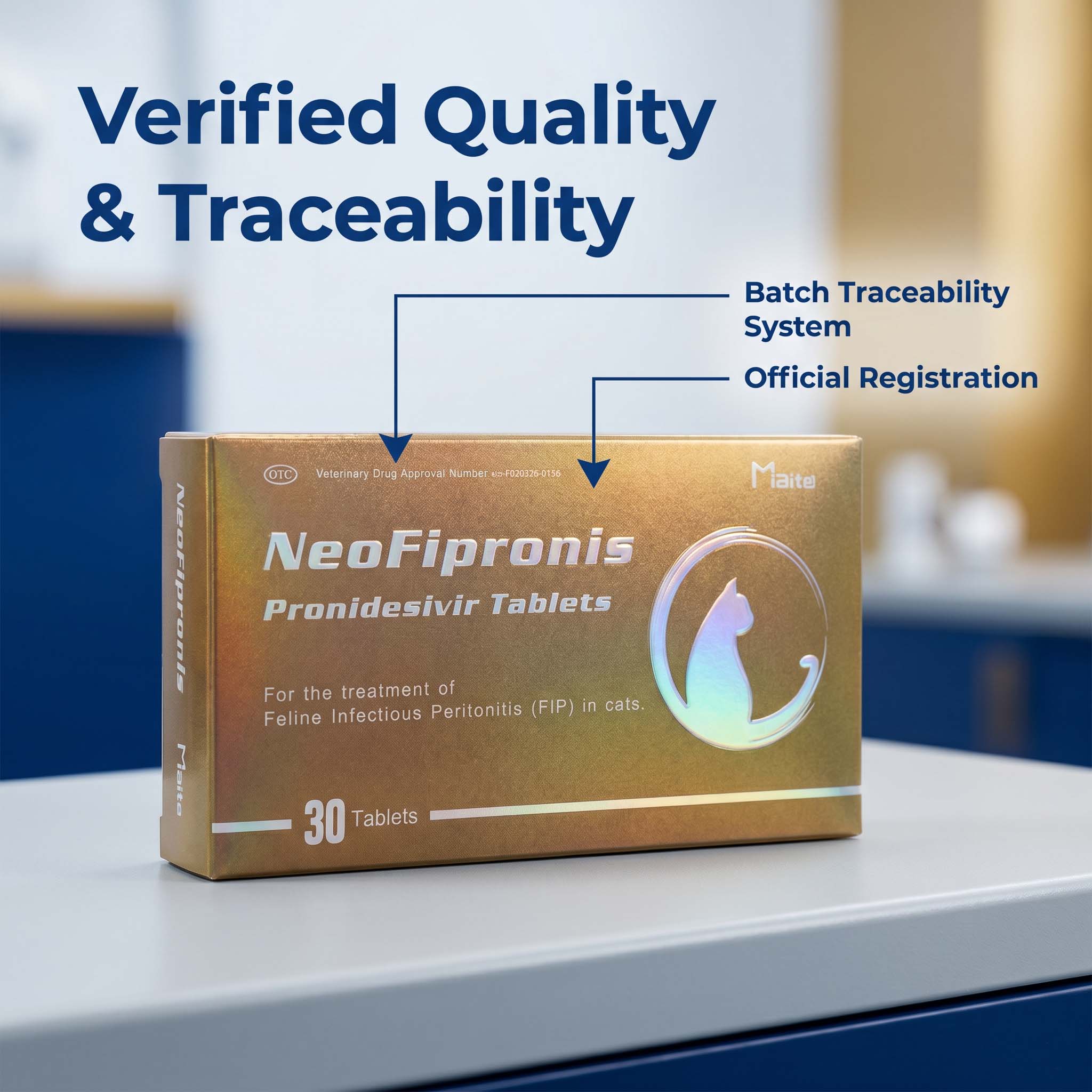
While preventing FIP outright remains elusive, the recent introduction of antiviral therapies such as GS-441524, a nucleoside analog, has revolutionized FIP treatment since 2019 (Pedersen NC et al.). These drugs, while primarily targeting viral replication, also work in conjunction with the cat’s immune response, allowing the body to clear the infection more effectively. Supportive care, including immunomodulatory drugs and anti-inflammatory agents, remains standard practice for cats undergoing treatment.
A healthy immune system can optimize recovery chances when these therapies are applied early. However, FIP’s progression is often rapid, emphasizing the importance of maintaining immune health before any hint of disease.
Environmental Management and Outbreak Prevention
Because FIP originates from mutated FCoV, controlling viral spread and environmental contamination is vital. Litter boxes should be scooped daily, cleaned with effective disinfectants, and placed in well-ventilated areas. Ideally, food and water bowls should be kept separated from litter areas. High-density catteries or shelters must implement stringent hygiene protocols and minimize stress, which is highly correlated with FCoV activation and subsequent immune challenges.
Cats newly introduced to multi-cat households should be quarantined for at least two weeks and tested for FCoV via fecal sample PCR tests. While not infallible, these strategies support both immunological and environmental defense against FIP.
Immunonutrition: What Should You Feed Your Cat?
Diet influences every cell in a cat’s body, including immune cells. High-quality, animal-based proteins are vital for antibody production and white blood cell health. Fatty acids like DHA and EPA (from fish oils) reduce inflammatory reactions while supporting immune readiness. Probiotics and prebiotics help maintain gut health; since most of the immune system resides in the gastrointestinal tract, a stable gut microbiome translates into robust defense mechanisms.
Avoid processed foods high in fillers and artificial additives, which offer little nutritional value and may even compromise immunity over time. Fresh water should be provided at all times, as dehydration can impair immune cell function.
Supplements and Immune Boosters: Do They Work?
Many products claim to ‘boost’ feline immunity, but scientific support is frequently lacking. Promising research exists for specific supplements:
L-Lysine: Once recommended, recent studies have shown mixed results, particularly regarding feline herpesvirus prevention rather than FIP.
Beta-Glucans: Found in yeast and mushrooms, beta-glucans may modulate immune reactions and have shown promise in small studies.
Probiotics: Species-specific probiotics can foster healthier gut and immune interactions.
Discuss all supplement plans with a veterinarian before starting; some substances may interact negatively with other therapies or be inappropriate for certain age groups.
FIP Vaccine: Where Do We Stand?
An intranasal FIP vaccine exists but remains controversial. Its efficacy is debated, and most feline practitioners in the United States do not recommend its use, especially for cats already exposed to FCoV. The vaccine may stimulate antibody production, but given FIP’s immune-mediated nature, this can occasionally increase disease risk rather than prevent it.
Future developments may yield more effective vaccines, but currently, preventing FCoV transmission and supporting immune regulation are seen as safer approaches than relying solely on vaccination.
Can Immune Status Predict FIP Outcomes?
Not all cats exposed to mutated FCoV succumb to FIP. Some produce a balanced, effective immune response that clears the infection without harmful inflammation. This phenomenon offers hope: understanding and measuring cellular and humoral immune responses may identify cats at lower risk. Recent advances in diagnostic testing—including flow cytometry and cytokine panels—give researchers insight into immune profiles of cats before and during FIP development.
For individual pet owners, regular veterinary wellness exams and periodic blood work (including complete blood counts and protein panels) can identify subtle shifts in immune status. While these cannot fully predict FIP, they arm owners with data to respond swiftly to early abnormalities.
Case Studies: Immune Health and FIP Prevention
A number of anecdotal cases offer insights. For instance, breeders employing immunonutrition programs (probiotics, omega-3s, and quality proteins) often report lower FIP incidence—a correlation but not causation. Shelters with rigorous stress-reduction protocols and hygiene guidelines note fewer cases, even when FCoV exposure remains high.
In veterinary clinics, cats recovering more successfully from upper respiratory or enteric infections also tend to avoid FIP following FCoV exposure. Though direct prevention by immune strengthening is unproven, the indirect benefits are evident: healthier immune systems yield healthier cats.
Barriers to Immune Enhancement: Social and Biological Challenges
Increasing immune strength is not without hurdles. Immunosuppression due to age, chronic illness (especially FeLV and FIV), environmental toxins (like tobacco smoke), and genetic predisposition present ongoing challenges. Furthermore, overcrowding—seen in rescue situations—amplifies both viral exposure and stress. Over-supplementation or inappropriate ‘immune boosting’ can lead to autoimmune reactions, further heightening FIP risk. Thus, immune support must be tailored to individual conditions, not approached as a one-size-fits-all solution.
Emerging Therapies: What’s Next?
Research into feline stem cell therapy, monoclonal antibodies, and precision immunomodulation offers hope. As scientists tease apart genetic signatures and immune markers correlated with FIP, new drugs may specifically target destructive inflammatory cascades without hampering beneficial immune functions. Meanwhile, gene editing could potentially correct high-risk alleles in breeding programs.
Some promising treatments include:
GS-441524: Targets viral replication, giving the immune system time to heal.
Polyprenyl Immunostimulant: Modulates specific innate immune pathways.
Stem Cell Therapy: Potential future intervention, not yet clinically available.
These efforts exemplify the ongoing shift: support healthy, well-regulated immunity without ramping up indiscriminate defense mechanisms.
Lifestyle Factors: Owners Have a Role
Cat owners play a pivotal role. Clean environments, high-quality food, regular veterinary care, and minimal stress all synergistically protect against both common infections and the immune dysregulation central to FIP. Responsible breeding practices, prompt isolation of new or sick cats, and transparent communication with veterinarians extend this protection even further.
Education is critical. Understanding FIP risk factors and management options empowers owners to make informed choices about nutrition, healthcare, and socialization—all of which can fortify their cat’s immune landscape.
A Future Without FIP: Is It Possible?
While the ideal of absolute FIP prevention remains distant, incremental advancements in understanding and supporting feline immune systems are changing lives. No single intervention negates FIP risk, yet the convergence of nutrition, environment, genetic awareness, and medical innovation points towards a world where the disease is drastically reduced.
Continuous research, collaborative breeding, and widespread owner education are key. As new therapies and diagnostic tools emerge, the hope is to transform FIP from a dreaded, unpredictable threat into a manageable, rare condition—achieved through robust immune health.
References
1. Pedersen NC. Pathogenesis and therapy of feline infectious peritonitis. Feline Infectious Peritonitis. Vet Clin North Am Small Anim Pract. 2012;42(2):345–360.
2. Pedersen NC, Black JW, Boyle JF, et al. Pathogenic and host variations in coronavirus-induced feline infectious peritonitis. Am J Vet Res. 1984;45(11):2226–2232.
3. Pedersen NC, Liu H, Scarlett J, et al. Polyprenyl immunostimulant in treating feline infectious peritonitis (FIP). J Feline Med Surg. 2016;18(5):387–396.
4. Legendre AM, Bartges JW, Rohrbach BW, et al. Efficacy of polyprenyl immunostimulant in cats with non-effusive feline infectious peritonitis: a randomized controlled clinical trial. J Feline Med Surg. 2017;19(10):911–919.
5. Kipar A, Meli ML. Feline infectious peritonitis: still an enigma? Vet Pathol. 2014;51(2):505-526.
6. Porter E, Tasker S, Day MJ, et al. Investigation into the genetic background of susceptibility to feline infectious peritonitis in cats. Vet Immunol Immunopathol. 2014;162(1–2): 45–54.
7. Addie DD, Jarrett O. Feline coronavirus infections. In: Greene CE, editor. Infectious Diseases of the Dog and Cat. 4th ed. St. Louis, MO: Elsevier; 2012: 92–108.
8. Cave NJ. Nutritional modulation of the feline immune system. Vet Immunol Immunopathol. 2010;146(2): 125–130.
9. Felten S, Hartmann K. Diagnosis of feline infectious peritonitis: a review of the current literature. Viruses. 2019;11(11):1068.
10. Hosie MJ, Addie D, Belák S, et al. Feline infectious peritonitis: ABCD guidelines on prevention and management. J Feline Med Surg. 2009;11(7):594–604.