NeoFipronis (Pronidesivir) Usage, Contraindications, and Precautions
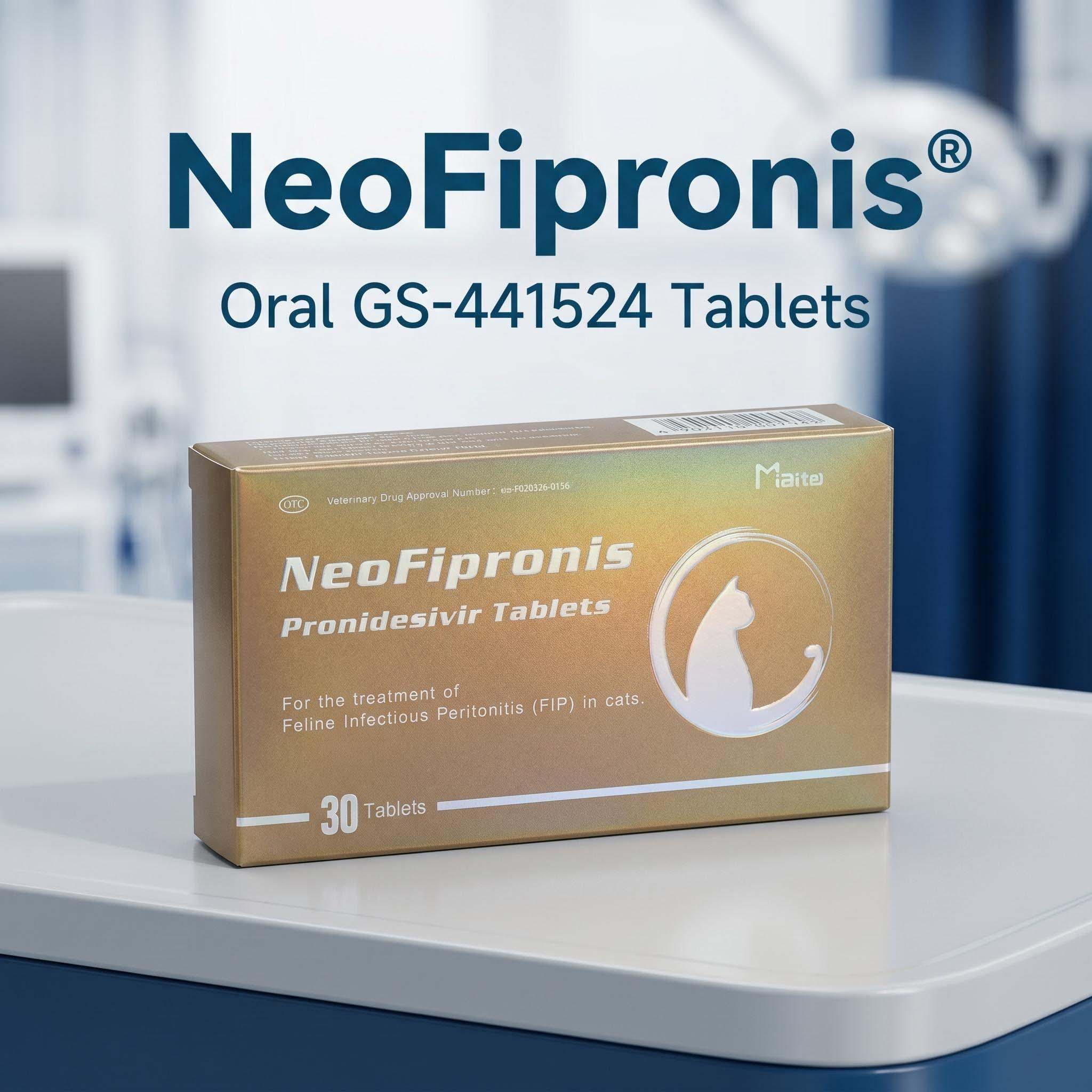
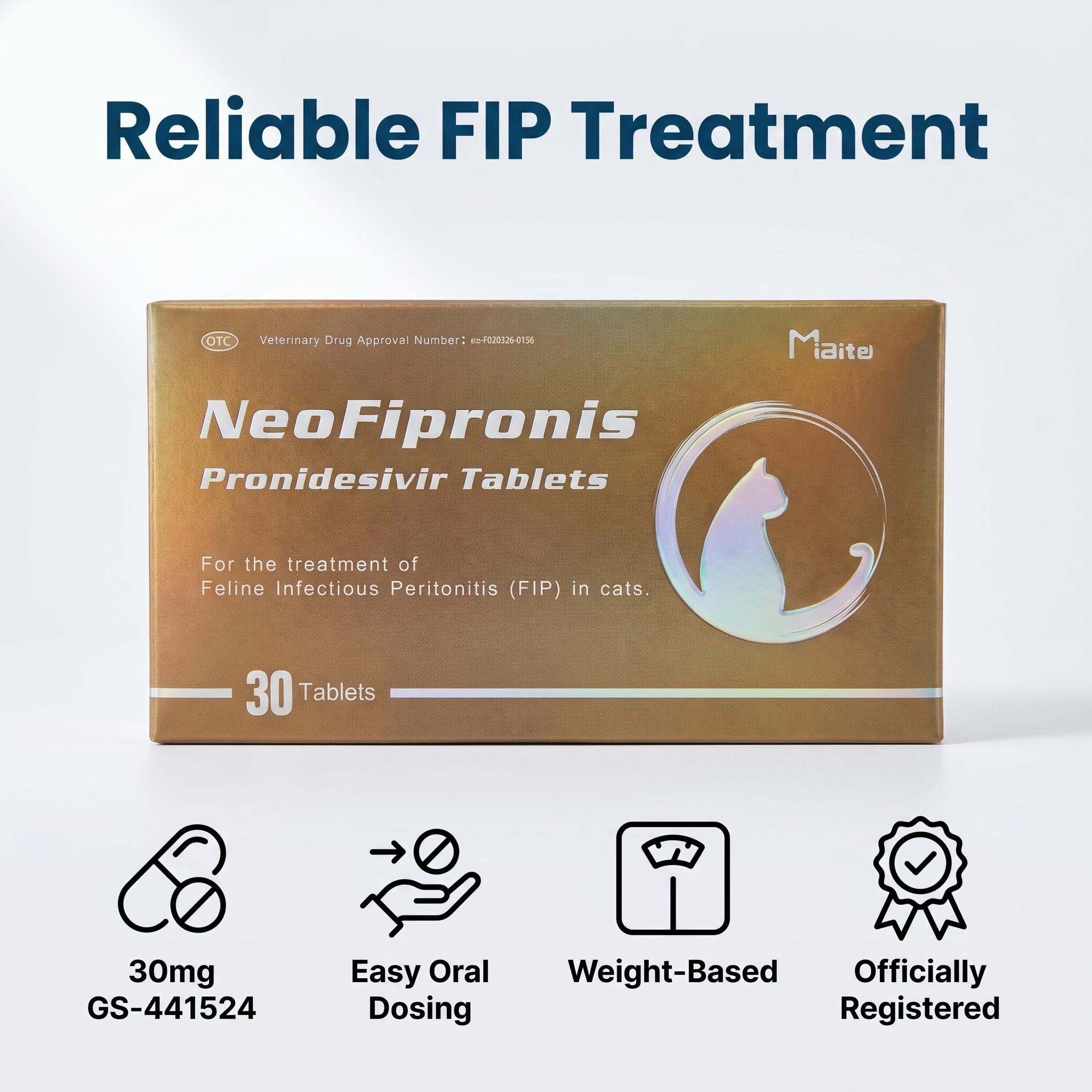
NeoFipronis (Pronidesivir) is an oral FIP treatment designed for cats diagnosed with feline infectious peritonitis, a serious and often life-threatening viral disease associated with symptoms such as poor appetite, lethargy, fever, abdominal fluid buildup, pleural effusion, enlarged lymph nodes, inflammatory granulomas, neurological signs, and uveitis. Its active ingredient, GS-441524, has been widely studied and used in clinical settings for its strong antiviral activity against the feline coronavirus responsible for FIP. For cat owners searching for an effective FIP medicine, NeoFipronis is positioned as a fast-absorbing, well-tolerated, and non-invasive option that supports recovery while minimizing stress during treatment.
How NeoFipronis (Pronidesivir) Works
GS-441524 works by interfering with viral replication, helping reduce the ability of the FIP virus to multiply within the cat’s body. Because FIP can progress quickly, early and consistent treatment is critical. NeoFipronis offers an oral dosing format that is especially convenient for long treatment courses, and it may be suitable for cats that are difficult to medicate with injections. In many cases, owners and veterinarians value oral GS-441524 therapy because it can help maintain steady daily administration and improve adherence during the full treatment period.
Recommended Usage and Dosage
The usual dosage is based on body weight: 15 mg per kilogram of cat weight daily, which is approximately half a tablet for standard dosing. For neurological FIP or ocular FIP, a higher dose of 30 mg per kilogram may be recommended under veterinary supervision. NeoFipronis should be given once daily, ideally on an empty stomach, either one hour before meals or two hours after eating, to support absorption. Treatment should be continued for no less than 12 weeks, and missed doses should be avoided because consistency is essential for controlling the infection effectively.
Contraindications and Warnings
NeoFipronis is intended for cats only and must never be used in humans. Cats with known hypersensitivity to any ingredient in the product should not receive it. Extra caution is advised in kittens, pregnant or nursing cats, and cats with significant liver or kidney impairment, unless a veterinarian specifically approves the treatment plan. Although NeoFipronis is described as an over-the-counter product, FIP is a complex disease, and professional guidance can help ensure correct dosing, monitoring, and response assessment.
Precautions During Treatment
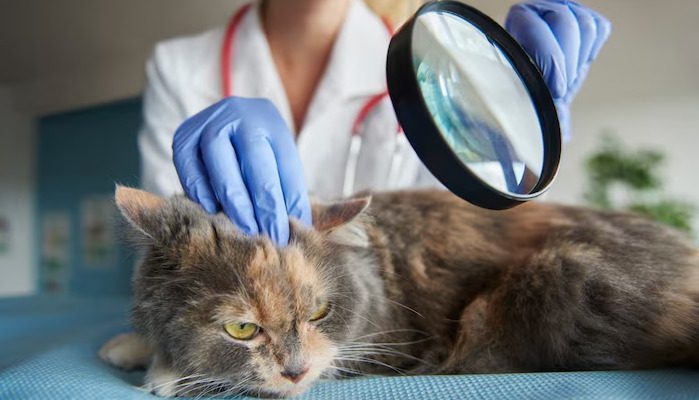
During therapy, monitor appetite, body temperature, energy level, breathing, and neurological or eye-related changes. Regular blood tests are recommended to follow red blood cell status, inflammation markers, and liver and kidney function. These checks help confirm that the cat is responding well and allow early detection of any issues. If vomiting, severe weakness, worsening symptoms, or unusual behavior occurs, contact a veterinarian promptly. Buying from the official NeoFipronis website is also important to help ensure product authenticity and quality.
NeoFipronis (Pronidesivir) has become an important oral option for FIP management because it combines convenience, strong antiviral potential, and generally good tolerance when used correctly. For cats diagnosed with FIP, especially those with abdominal, chest, neurological, or ocular involvement, timely treatment and close monitoring can make a meaningful difference.