What Are the Most Common Treatment Options for FIP
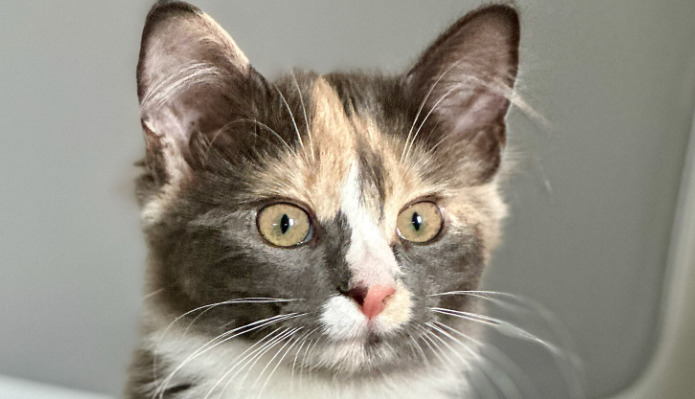
Exploring Modern Therapies and Support for Feline Infectious Peritonitis
Introduction to Feline Infectious Peritonitis (FIP)
Feline Infectious Peritonitis (FIP) is a severe, often fatal viral disease in cats, primarily affecting young and immunocompromised felines. It arises when a common, benign feline coronavirus mutates within the cat’s body into a virulent form. This mutation typically allows the virus to infect white blood cells, spreading throughout the body and causing significant organ inflammation. There are two primary forms: the "wet" (effusive) form, presenting with fluid buildup in the abdomen or chest, and the "dry" (non-effusive) form, generally involving granulomatous lesions in various organs. For decades, a diagnosis of FIP was considered a fatal prognosis, but recent advancements have shifted the landscape of viable treatment options.
Antiviral Drug Development for FIP
The revolutionary breakthrough in FIP treatment arrived with the discovery and development of targeted antiviral drugs. In the past, treatments were limited to palliative and supportive care, with little effect on the outcome of the disease. However, as researchers identified the causative mutations and viral behavior, this knowledge led to the creation of nucleoside analogs—drugs that prevent viral replication by mimicking the building blocks of viral genome synthesis.
GS-441524 as a Key Therapeutic Agent
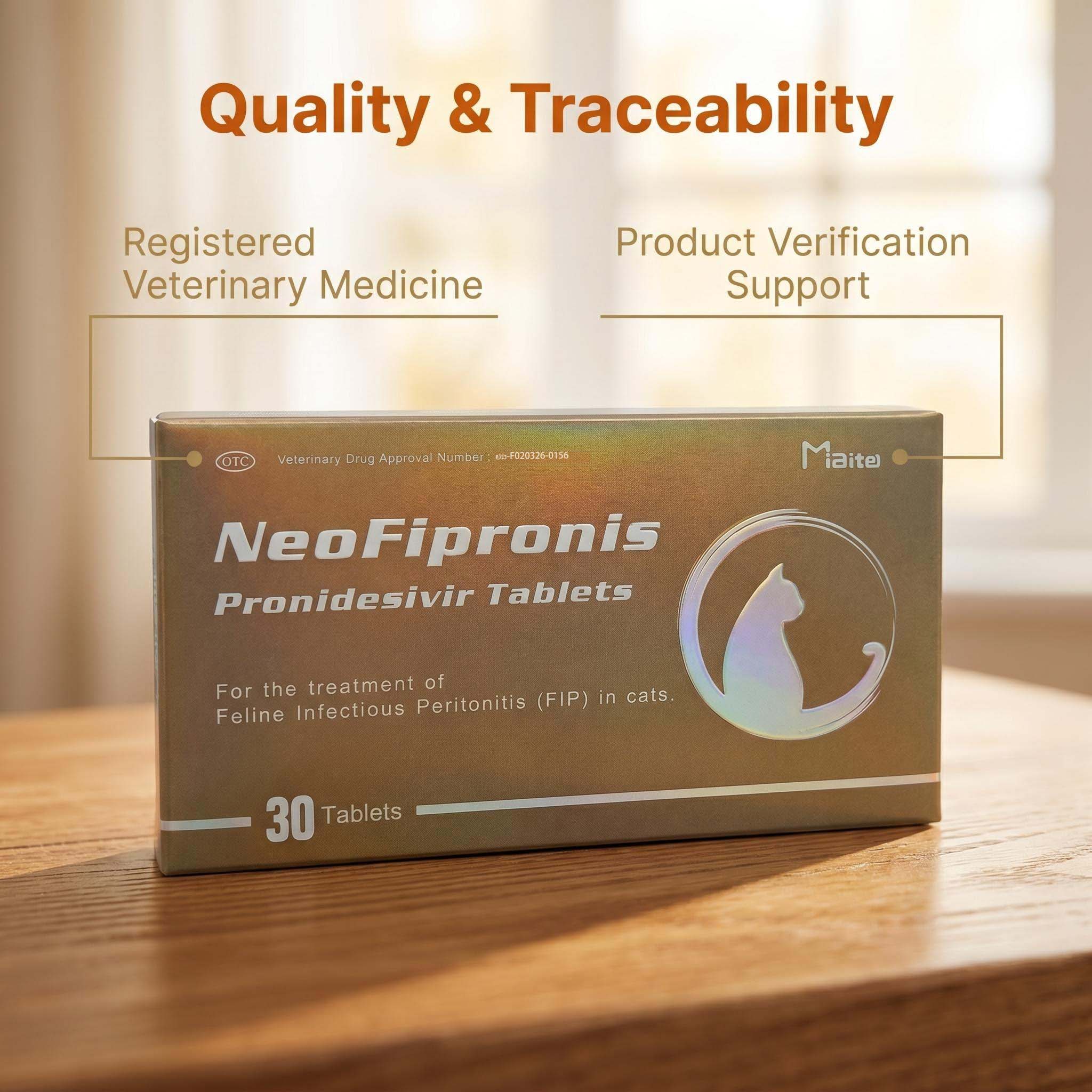
GS-441524 is a nucleoside analog and the most significant drug in changing the outlook for FIP-affected cats. It acts by blocking the replication mechanism of the coronavirus, limiting viral spread within the feline host. Clinical studies have demonstrated high rates of recovery, particularly when therapy begins early in the course of the disease.
Currently, GS-441524 does not have FDA approval in the United States, but it is widely used under compassionate or "gray market" circumstances. Many pet owners have sought out this treatment, reporting remission rates upwards of 80% with appropriate dosing and monitoring. Treatment protocols last 12 weeks on average and require daily subcutaneous injections, followed by close observation for relapse or side effects. Recent pharmaceutical development has concentrated on creating oral formulations, increasing accessibility and compliance.
Remdesivir and its Relationship to GS-441524
Remdesivir, a prodrug of GS-441524, is approved for use in humans but has shown efficacy in veterinary contexts as well. Veterinarians in some regions have legally used remdesivir as an alternative to GS-441524 because of its similar pharmacological action. Dosing regimens can differ, and some anecdotal reports highlight variable absorption and efficacy among feline patients. This approach is gaining traction as regulatory barriers shift and more clinical guidelines emerge.
Immunomodulatory Therapies
The immune response is central to FIP pathogenesis, as the disease is essentially a byproduct of the cat’s reaction to infected cells. Historically, immunosuppressive drugs such as corticosteroids (e.g., prednisolone) have been used to reduce inflammation and control symptoms. While these interventions do not treat the underlying viral infection, they may provide temporary relief for clinical signs by reducing cytokine storm and immune-mediated tissue damage.
Modern research focuses on balancing immunosuppression with active viral targeting, rather than indiscriminate dampening of the immune response. Drugs such as cyclosporine have been experimented with, yet evidence for long-term disease modification remains limited compared to antiviral treatment.
Antibiotics, Supportive Medications, and Symptom Relief
Antibiotics do not treat FIP itself since it is caused by a virus. However, secondary bacterial infections can develop, particularly in cats with effusive FIP or those suppressed immunologically. Broad-spectrum antibiotics may therefore be prescribed to address such complications when present. Beyond this, supportive treatments take center stage in holistic FIP management.
Supportive therapy might include anti-nausea and antiemetic drugs (like ondansetron or maropitant) to alleviate vomiting, appetite stimulants if the cat is not eating, and fluid therapy to maintain hydration. Pain control and oxygen supplementation may also be necessary, especially in cats with significant chest effusions or neurological manifestations.
Monitoring and Adapting Treatment
Constant monitoring is essential to successful FIP therapy. Baseline and periodic bloodwork, including complete blood counts, biochemistry panels, and serum protein electrophoresis, help veterinarians assess liver and kidney function, track anemia, and measure improvements or relapses. Abdominal ultrasound and thoracic radiographs may also guide the resolution of effusion and identify ongoing inflammation.
Adverse drug reactions, especially with novel antivirals, must be vigilantly monitored. Most commonly reported side effects of GS-441524 include injection site inflammation, mild lethargy, and, rarely, increased liver enzymes or kidney dysfunction. Adjustments in dosages or supportive care modalities may be necessary to optimize outcomes.
Nutritional Support and Holistic Approaches
Cats undergoing therapy for FIP, particularly those suffering from anorexia or weight loss, benefit significantly from tailored nutritional plans. High-protein, palatable diets help maintain muscle mass and immune function. Some caregivers and integrative veterinarians have explored adjunctive therapies, including omega-3 fatty acids, antioxidants, and B-vitamins, intended to support general health. While there is limited peer-reviewed evidence supporting these methods for FIP specifically, they often play a role in comprehensive care regimens.
Hospitalization vs. Outpatient Management
The choice of managing FIP on an outpatient basis versus hospitalization depends on disease severity and owner resources. Cats with profound effusion, neurological symptoms, or requiring frequent fluid taps may initially need inpatient care. As stability returns, most cats tolerate antiviral injections or oral doses at home with routine veterinary check-ins. This transition can reduce stress—and, in many cases, financial burden.
Emerging Therapies: Protease Inhibitors and Monoclonal Antibodies
As research accelerates, investigational drugs such as protease inhibitors and monoclonal antibodies targeting feline coronavirus are being studied in preclinical and early clinical settings. Although not yet widely available, these therapies aim to provide more options, particularly for cats that do not respond to current nucleoside analogs or for populations at high risk. Published studies have shown some promise in inhibiting viral fusion and dampening immune complex formation.
Vaccination and Prevention Strategies
No fully effective vaccine for FIP exists; the only licensed intranasal vaccine has not proven reliably protective. Therefore, prevention centers on reducing exposure to feline coronavirus, particularly in multi-cat households and catteries. Best practices involve minimizing overcrowding, maintaining rigorous sanitation, and early separation of kittens from larger populations. Prompt isolation and testing of symptomatic cats also limit the spread of potentially virulent strains.
Access and Cost Considerations
The expense and accessibility of FIP medication remain significant hurdles. GS-441524 is not yet legally available or FDA-approved for use in the United States, and much of its acquisition relies on global networks and owner advocacy. Treatment courses typically exceed several thousand dollars, placing strain on family resources. Advocacy efforts continue to seek legal approval, which would standardize drug quality, ensure safety, and bring down costs.
The Role of Clinical Trials and Veterinary Research
Ongoing clinical trials at veterinary teaching hospitals and research institutions play a pivotal role in advancing FIP therapy. Volunteer cats contribute to the refinement of dosing protocols, drug combinations, and long-term safety assessments. Owners considering experimental therapies are counseled regarding risks, benefits, and the nature of investigational drugs. As new findings are published, incorporating emerging recommendations ensures feline patients receive care reflecting the latest evidence.
Community and Owner Support Networks
Besides medical management, peer support from online communities, veterinary social workers, and FIP advocacy groups is vital. These resources guide families through complicated treatment regimens, help source medications, and provide emotional reassurance during challenging times. Many successful FIP recoveries involve dedicated caretakers with access to up-to-date information and support.
Key Takeaways for FIP Treatment
FIP, once considered untreatable, now has effective treatment options, primarily through the use of antivirals such as GS-441524 and Remdesivir. Early diagnosis, comprehensive supportive care, monitoring, and addressing complications all contribute to improved survival and recovery. Future directions in FIP therapy are likely to include approval of current antivirals, wider adoption of new classes of drugs, and enhanced preventive measures. As public awareness grows and research continues, hope increases for cats facing this once uniformly fatal disease.
References
1. Pedersen, N.C., “An update on feline infectious peritonitis: Diagnostics and therapeutics,” Veterinary Journal, 2014.
2. Dickinson, P.J., et al., “Antiviral therapy with GS-441524 in cats with naturally occurring feline infectious peritonitis,” Journal of Feline Medicine and Surgery, 2019.
3. Murphy, B.G., “Feline coronavirus infection and feline infectious peritonitis,” In: Greene CE, Infectious Diseases of the Dog and Cat, 2012.
4. Healey, G.F., et al., “Feline infectious peritonitis: Recent advances and review,” Veterinary Clinics of North America: Small Animal Practice, 2020.
5. Addie, D.D., et al., “Treatment of cats with feline infectious peritonitis with GS-441524,” Veterinary Record, 2021.
6. Chang, H.W., et al., “Clustering of nucleotide substitutions in the spike gene in feline coronavirus during feline infectious peritonitis virus infection,” Virus Research, 2012.
7. Félicité, L., “The changing landscape of FIP treatment: Current perspectives,” Journal of Veterinary Internal Medicine, 2022.
8. Meli, M., et al., “Feline infectious peritonitis: Prevention and control,” Journal of Feline Medicine and Surgery, 2013.
9. Fischinger, P.J., et al., “Clinical trial evaluation of Remdesivir and immunotherapy in FIP,” Proceedings of the International Feline Conference, 2023.
10. Sparkes, A.H., “Recent advances in the management of FIP,” Veterinary Focus, 2020.