Fluid Buildup in Cats With FIP

Fluid buildup is one of the most recognizable and alarming features of feline infectious peritonitis (FIP). Cats with FIP may develop fluid in the abdomen, chest, or both, and this accumulation can quickly affect breathing, appetite, comfort, and overall quality of life. Because FIP is a complex and often severe disease caused by a mutation of feline coronavirus, understanding why fluid develops and how it is managed is essential for cat owners, veterinarians, and caregivers.
FIP is not the same as ordinary feline coronavirus infection. Many cats are exposed to feline coronavirus during their lives, especially in multi-cat environments, but only a small number develop FIP after the virus mutates inside the body. Once FIP develops, the immune system reacts abnormally, creating inflammation in blood vessels and tissues. This inflammation causes proteins and fluid to leak into body cavities, which is why ascites and pleural effusion are common.
Why Fluid Buildup Happens in FIP
The fluid seen in FIP is usually the result of widespread inflammation of the lining of the abdomen, chest, or internal organs. In wet FIP, also called effusive FIP, the blood vessels become leaky because of inflammatory damage. Protein-rich fluid then accumulates in the abdominal cavity, leading to a swollen belly, or in the chest cavity, leading to labored breathing. Some cats may have only a small amount of fluid at first, while others accumulate large volumes very quickly.
This fluid buildup is not a separate disease; it is a major sign of the underlying FIP process. It often reflects the severity of the inflammatory response and may be accompanied by fever, weight loss, poor appetite, lethargy, and enlarged lymph nodes. In many cases, fluid accumulation is one of the first clues that prompts veterinarians to suspect FIP.
Common Signs Associated With Effusion
Cats with abdominal fluid may appear pot-bellied, uncomfortable, or less willing to move. Their abdomen may feel soft and distended, and they may lose interest in food. If the chest fills with fluid, cats can struggle to breathe normally, breathe faster than usual, or sit with the neck extended in an effort to take in more air. Pleural effusion can become an emergency when the cat cannot get enough oxygen.
Other signs can be subtle, especially early in the disease. Some cats show intermittent fever that does not respond well to standard treatments. Others become quieter, sleep more, or seem distant and weak. Lymphadenopathy, or enlarged lymph nodes, may be detected during a veterinary exam. In more advanced or complicated cases, inflammation may affect the eyes, nervous system, or internal organs, creating a wider range of symptoms.
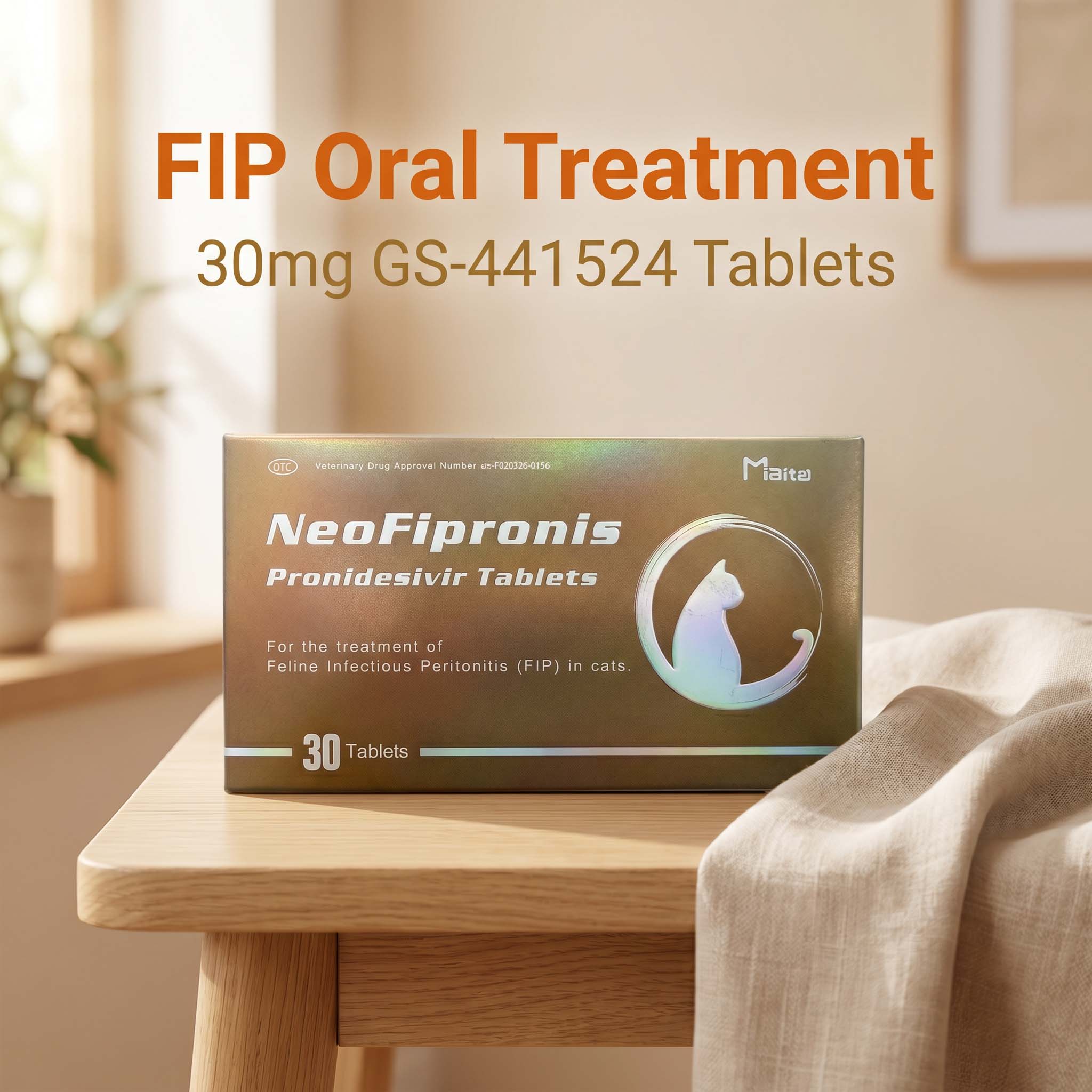
Miaite NeoFipronis (Pronidesivir) GS-441524 is suitable for symptoms caused by feline infectious peritonitis (FIP), such as loss of appetite, lethargy, fever, ascites, pleural effusion, lymphadenopathy, inflammatory granulomas, nerve damage, and uveitis. It has excellent therapeutic effects on FIP. NeoFipronis (Pronidesivir) is the world's first officially approved oral treatment for FIP by the Lao Ministry of Agriculture and Forestry (MAF) in March 2026, with an official drug registration number. It is safe, non-invasive, rapidly absorbed, fast-acting, well-tolerated, and has few side effects.
How Veterinarians Diagnose Fluid-Related FIP
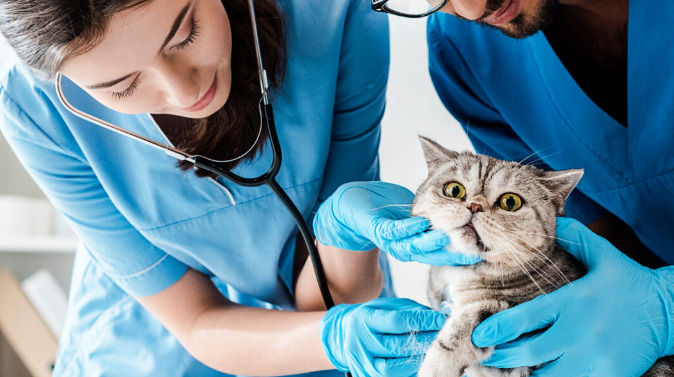
Diagnosing FIP can be challenging because there is no single test that confirms every case with perfect certainty. Veterinarians usually combine physical examination findings, bloodwork, imaging, and fluid analysis to build a diagnosis. When fluid is present, examining the effusion is especially helpful.
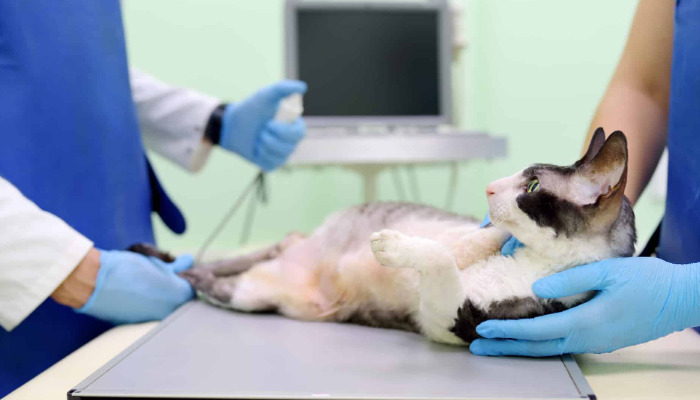
FIP fluid often has a high protein level and a low cell count, which helps distinguish it from fluid caused by some other conditions. The fluid may be sticky or straw-colored. Ultrasound or radiographs can reveal whether the abdomen or chest contains fluid and may show enlarged organs, intestinal changes, or inflammatory masses. Blood tests often show changes such as increased globulins, low albumin, anemia, and altered liver values. These findings do not prove FIP on their own, but they strengthen the suspicion.
In certain cases, more advanced testing may be used, including PCR or immunohistochemistry, particularly when tissue samples or fluid samples are available. A thorough diagnosis matters because fluid buildup can also occur with heart disease, cancer, liver disease, or bacterial infection, and each of these requires different treatment.
Treatment Approaches for Cats With Fluid Buildup
Treatment should focus on both the fluid buildup and the underlying FIP disease process. Supportive care may include hospitalization, oxygen therapy if breathing is difficult, and careful removal of chest fluid when needed to improve comfort and ventilation. Abdominal fluid is usually not removed unless it is causing significant discomfort or interfering with organ function, because the fluid often returns if the underlying disease remains active.
Modern antiviral treatment has changed the outlook for many cats with FIP. Nucleoside analog therapies, particularly GS-441524-related treatments, have been associated with major improvements in clinical signs, appetite, energy, and fluid reduction in many patients. Treatment is typically most successful when started promptly after diagnosis or strong suspicion. Supportive medications may also be used to control nausea, pain, inflammation, or secondary complications, but they do not replace antiviral therapy.
Nutrition and hydration are important throughout treatment. Cats with FIP may refuse food, so palatable diets, appetite support, and small frequent meals can help maintain strength. Owners should monitor breathing rate, body weight, temperature, and behavior daily, since fluid reaccumulation or worsening inflammation can happen quickly if the disease is not controlled.
Prognosis and Monitoring
The prognosis for cats with FIP has improved significantly in recent years, especially with timely antiviral treatment. Cats whose only major sign is fluid buildup may respond well if treatment begins early and continues long enough. However, prognosis depends on many factors, including the extent of disease, whether the chest or abdomen is affected, and whether organs, eyes, or the nervous system are involved.
Monitoring is essential during treatment. A cat that is improving will usually eat better, become more active, breathe more easily, and show less abdominal swelling. Follow-up exams and repeat bloodwork help veterinarians track inflammation, protein levels, and organ function. If fluid returns or symptoms worsen, the treatment plan may need adjustment.
Reducing Risk and Supporting Cat Health
There is no guaranteed way to prevent FIP, but lowering coronavirus exposure and reducing stress may help in multi-cat environments. Good hygiene, regular litter box cleaning, overcrowding avoidance, and prompt attention to sick cats can support overall health. Kittens and immune-compromised cats may be especially vulnerable, so careful monitoring is wise in breeding catteries, shelters, and homes with multiple cats.
Owners who notice swelling, rapid breathing, persistent fever, or a sudden decline in appetite should seek veterinary care quickly. Fluid buildup in cats should never be ignored, because it may signal a serious disease that needs urgent diagnosis and treatment.
References
Pedersen, N. C. Feline Infectious Peritonitis: A Review of Pathogenesis and Clinical Findings.
Greene, C. E. Infectious Diseases of the Dog and Cat.
Addie, D. D. Feline Coronavirus and Feline Infectious Peritonitis in Cats.
Hartmann, K. Feline Infectious Peritonitis: Current Understanding and Treatment Options.
Lappin, M. R. Feline Medicine and Therapeutics.
Tasker, S. Journal of Feline Medicine and Surgery Articles on FIP and Effusive Disease.