Can Cats Have Treats During FIP Treatment

Feline Infectious Peritonitis (FIP) is a complex, life-threatening disease in cats. Once considered almost universally fatal, recent advances have brought hope, yet treatment remains intensive and recovery is fragile. Cat owners often seek ways to comfort and support their pets through challenging medical journeys. One common question is whether it is safe to give treats to cats undergoing FIP treatment. This document examines the complexities of treating FIP, the role of treats in feline care, and clinical recommendations for treating cats battling FIP.
Understanding FIP and Its Treatments
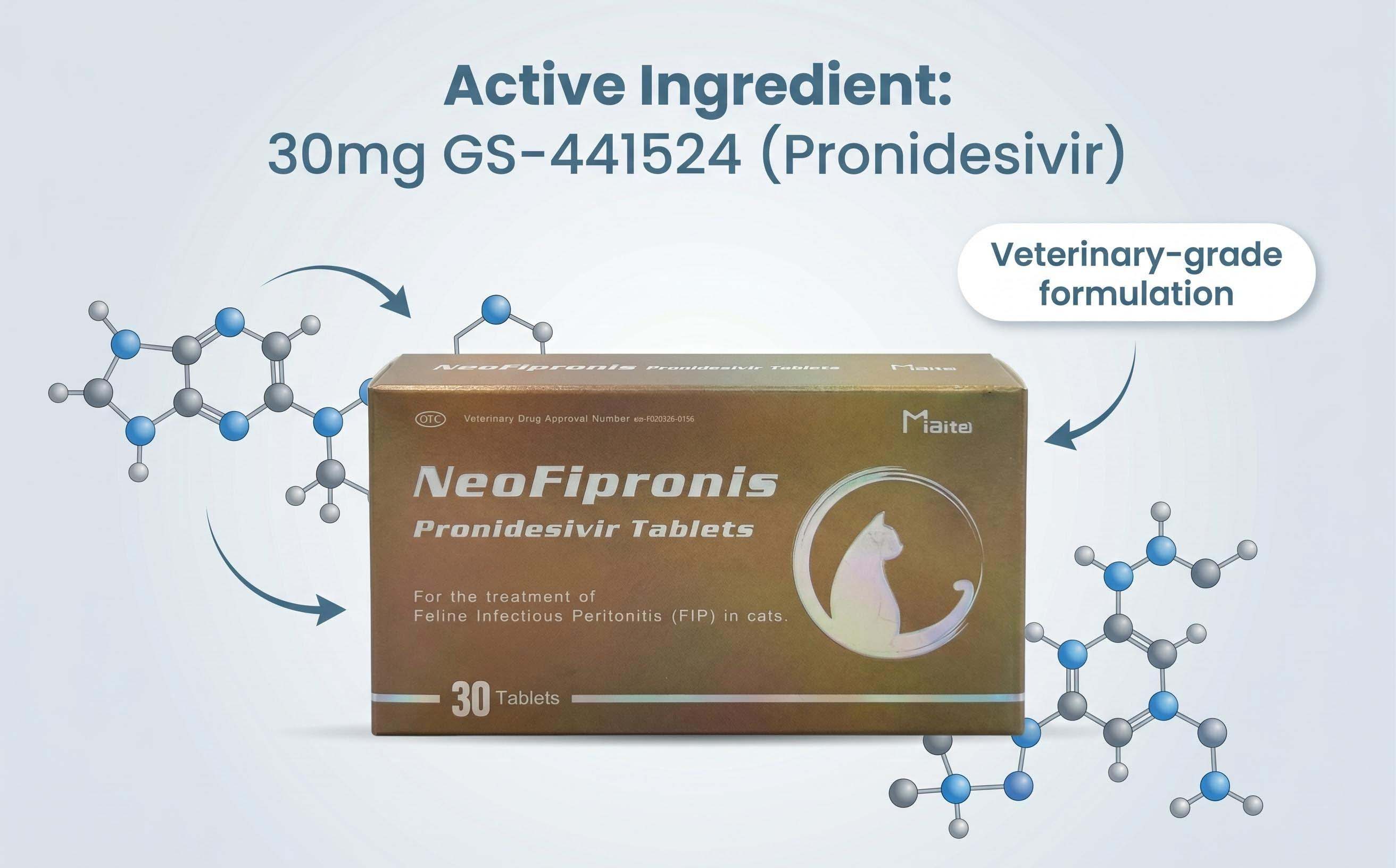
FIP arises from feline coronavirus mutations, leading to an aggressive immune response. Clinical signs vary widely—effusive forms present with abdominal or thoracic fluid accumulation, while non-effusive types affect organs like the eyes, liver, and brain. Historically, FIP's prognosis was grim, but antiviral drugs such as GS-441524 and remdesivir have shown dramatic efficacy.
These antivirals act by interfering with viral replication. Treatment duration usually spans several weeks. Supportive care also remains vital: nutritional support, hydration, pain control, and immune modulation. Given the systemic nature of FIP, the gastrointestinal system can be affected, resulting in reduced appetite, vomiting, or diarrhea.
Nutrition and Appetite in FIP-Affected Cats
Maintaining good nutrition is pivotal—the cat's body is under stress from infection and the energetic demands of healing. Malnourished cats recover more slowly and are at greater risk for complications. Cat food during FIP treatment should address caloric needs, protein requirements, and palatability.
Appetite in FIP cats can be unpredictable. Some cats become finicky due to nausea or general malaise, while others retain a normal appetite for periods. Owners intuitively turn to treats to encourage food intake or as a gesture of comfort. Understanding whether this practice is advisable requires consideration of the cat's clinical status and the pharmacology of the treatment regimen.
Can Cats Have Treats During FIP Treatment?
The answer is not black and white. Several factors determine whether treats are appropriate:
Drug Interactions: GS-441524 and remdesivir are not known to interact with common pet treat ingredients. However, some compounded treatments require dosing with an empty stomach. Always verify instructions from your veterinarian regarding food timing and medication.
Gastrointestinal Sensitivity: Cats with FIP may suffer from nausea, vomiting, or diarrhea. Treats, especially those high in fat or unfamiliar to the cat, might exacerbate symptoms. Mild, single-ingredient treats such as freeze-dried chicken are less likely to upset digestion than heavily processed snacks.
Palatability and Stress Reduction: Some treats may entice ill cats to eat, raising caloric intake during recovery. Small, frequent positive experiences, such as treat time, can help reduce a cat’s stress, which is beneficial to overall recovery.
Nutritional Content: Treats should be balanced and, ideally, contribute to overall nutrition. Over-reliance on treats or feeding excessive treats may lead to imbalanced diets or gastrointestinal upset.
Underlying Conditions: Some cats with FIP may have renal, hepatic, or pancreatic involvement. In these cases, treats must be selected with care to avoid aggravating organ dysfunction.
Owner Considerations and Safe Treat Practices
For cats being treated for FIP, treats can sometimes be part of supportive care but must always be offered with caution.
Consult Your Veterinarian
Before introducing or continuing treats, consult your veterinarian. Recommendations may change depending on laboratory results, stage of illness, or treatment protocol changes.
Choose Safe Ingredients
Avoid treats with artificial flavors, additives, excess salt, or chemicals. Plain boiled chicken, pure freeze-dried fish, or commercial treats labeled for sensitive stomachs are safer choices.
Monitor for Adverse Reactions
After offering a treat, watch for signs of vomiting, diarrhea, or decreased appetite. Immediate gastrointestinal upset warrants discontinuing the treat.
Use Treats as Motivational Tools
For cats reluctant to eat, use treats crushed and sprinkled over regular meals to encourage eating without replacing a balanced diet.
Avoid Human Foods
Foods toxic to cats, such as onions, garlic, chocolate, or grapes, must always be avoided, especially during periods of disease and medical treatment.
Special Cases: Treats as Medication Delivery Aids
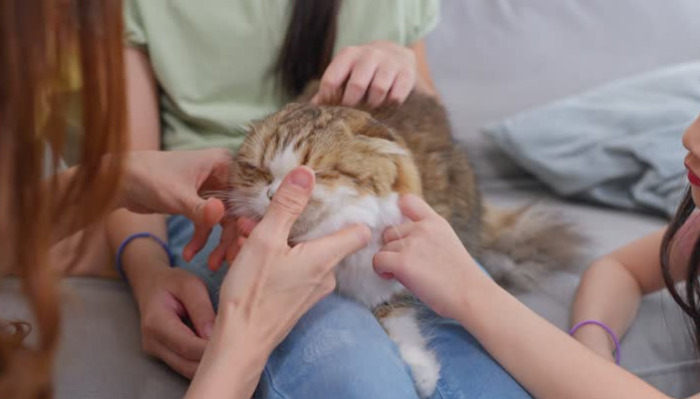
Some cats resist oral medications. Wrapping a pill in a treat or using pill pockets—commercially available soft treats designed to hide medicine—can be an effective way to ensure compliance. Discuss this strategy with your veterinarian, as some medications must be given alone or on an empty stomach for full absorption.
Common Treat Types and Their Suitability During FIP
Freeze-Dried Single Protein Treats
Generally well-tolerated and low-risk, especially if the cat already enjoys them.
Dental Treats
May be too firm or challenging if oral ulcers are present.
Soft Chews with Supplements
Only if approved by the veterinary team; some supplements may interact with medications or not suit the cat’s condition.
Milk-Based Treats
Many adult cats are lactose intolerant, risking gastrointestinal upset.
Homemade Treats
Safe if simple and unseasoned (e.g., plain boiled chicken breast), but always consult on recipe safety.
Risks of Overfeeding Treats During FIP Treatment
Ill cats are prone to malnutrition, and treats—while sometimes tempting—can inadvertently replace or crowd out nutritionally complete food. Excess treats lead to an imbalanced intake of nutrients and, in cats with FIP, may worsen digestive symptoms. Treats should never comprise more than 10% of daily caloric intake. For cats with organ involvement such as kidney or liver disease, excess treats can worsen clinical status.
Emotional Benefits of Treats and Human-Animal Bond
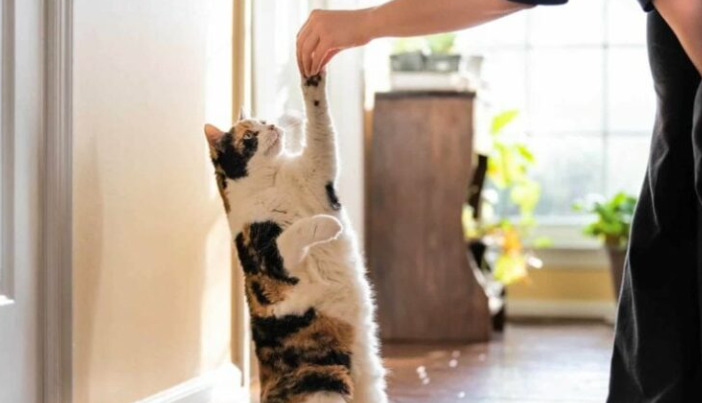
Treat time can have meaning beyond nutrition. The act of giving a treat, gentle petting, and quiet reassurance helps strengthen bonds and can make an ill cat’s day more positive. These emotional benefits should never replace sound medical practice but can supplement comprehensive care.
When to Avoid Treats During FIP Treatment
Persistent vomiting or regurgitation
Severe diarrhea
Dramatic weight loss or cachexia
Prescription medications requiring fasting
Diagnosed food allergies
Organ system involvement leading to dietary restrictions
In such cases, focus on palatable, balanced foods designed for ill cats rather than treats.
Veterinary Guidance Is Essential
No article or guideline substitutes for consultation with a feline practitioner. Every FIP case differs, and recommendations shift as clinical status changes. Veterinarians can help select the right treat, determine timing and quantity, and integrate treat-giving into a broader care plan.
Supporting Your Cat Through FIP Treatment
Support goes beyond medications—environmental enrichment, stress reduction, and emotional support contribute to healing. Treats, when thoughtfully offered, can be part of this supportive care. The key principle is to prioritize safety and nutritional needs while never risking medical outcomes for the sake of temporary pleasure.
Considerations for Recovery and Long-Term Health
Cats that survive FIP treatment may have lingering sensitivities or organ damage. Transitioning from recovery to prevention of relapse includes nutritional management. As the cat stabilizes, occasional treats may resume, but dietary care remains foundational to ongoing health.
Frequently Asked Questions
Can I use treats to hide medication for my FIP cat?
Only if allowed by your veterinarian; some medications must be given alone or with specific dietary protocols.
What if my cat refuses all regular food but eats treats?
Seek veterinary advice urgently; complete diets are essential, and nutritional supplements or support feeding may be required.
Are there treats that help FIP recovery?
No treats cure FIP, but those that support appetite without upsetting digestion can help recovery indirectly.
Can treats cause FIP to get worse?
No treat will worsen the viral process, but inappropriate choices can cause additional health issues.
General Principles for Treats in FIP Treatment
Vet consultation is always the first step.
Treats should supplement, not replace, balanced food.
Watch for adverse effects.
Avoid risky or unfamiliar treats.
Emotional support through treat-giving can help, but safety comes first.
References
1. Pedersen NC. Treatment of feline infectious peritonitis with antiviral drugs. Veterinary Clinics: Small Animal Practice. 2020;50(5):1001-1033.
2. Addie DD, et al. Feline infectious peritonitis—an update. Journal of Feline Medicine and Surgery. 2021;23(3):211-229.
3. Driscoll JW, et al. GS-441524 therapy for feline infectious peritonitis: Practical considerations and outcomes. Journal of Veterinary Internal Medicine. 2023;37(1):85-97.
4. U.S. FDA. Animal Food and Drug Safety: Medications and Treats. (2024)
5. Little SE (Ed.). The Cat: Clinical Medicine and Management. Saunders. 2012.
6. Lappin MR. Feline infectious diseases: Principles of supportive care. Veterinary Clinics: Small Animal Practice. 2018;48(1):65-79.
7. Graves TK. Nutritional management of cats with infectious diseases. Journal of Feline Medicine and Surgery. 2019;21(5):426-435.
8. Sparkes AH, et al. ISFM consensus guidelines on feline feeding and treats. Journal of Feline Medicine and Surgery. 2022;24(7):601-617.