NeoFipronis (GS-441524) Efficacy and Safety Review
Feline Infectious Peritonitis (FIP) remains one of the most challenging diseases in feline medicine, caused by a mutated coronavirus leading to severe systemic illness. Common symptoms include anorexia, lethargy, fever, abdominal and thoracic effusions, lymphadenopathy, granulomatous inflammation, neurological deficits, and uveitis. Traditional treatments offered limited success, making the development of effective antiviral therapies a priority.
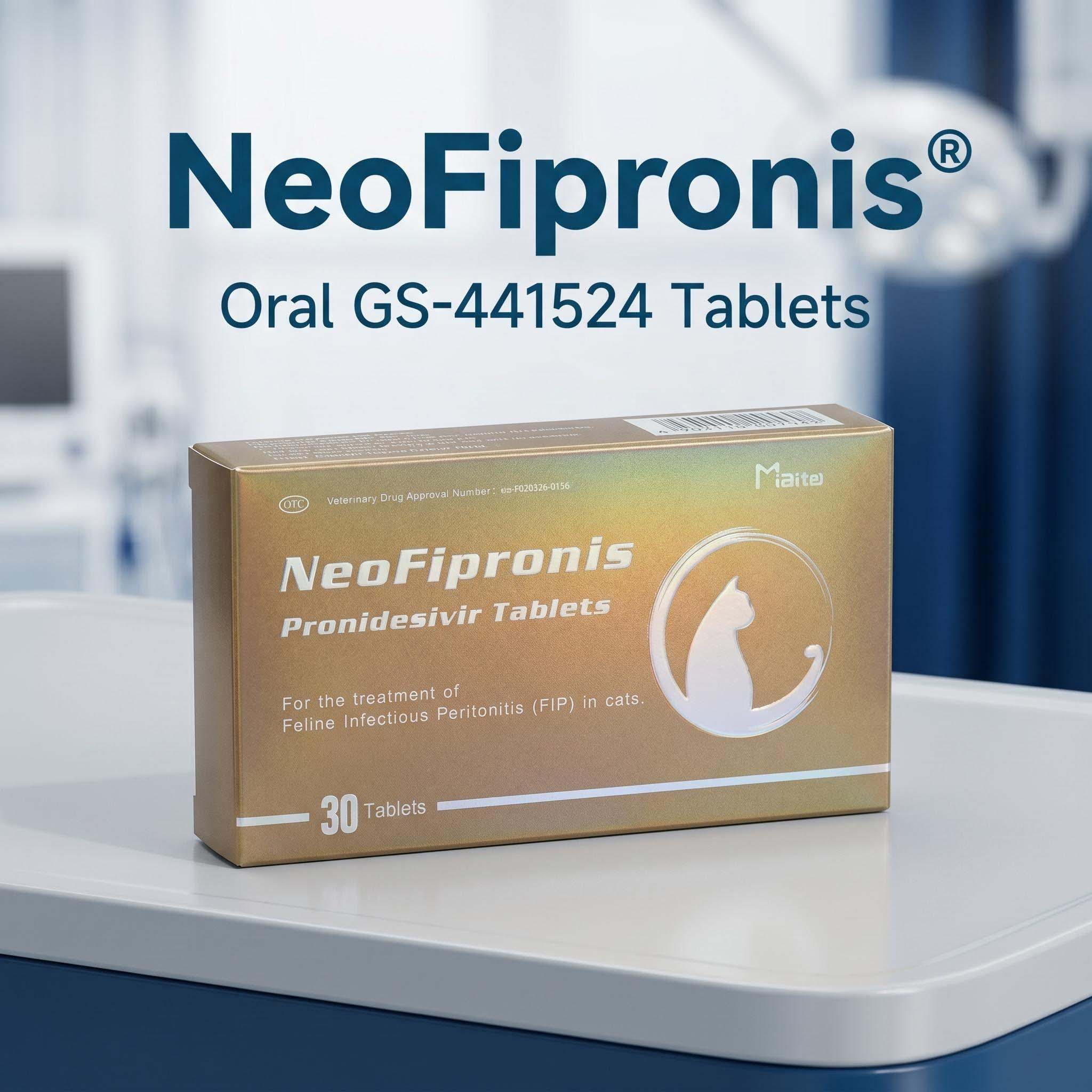
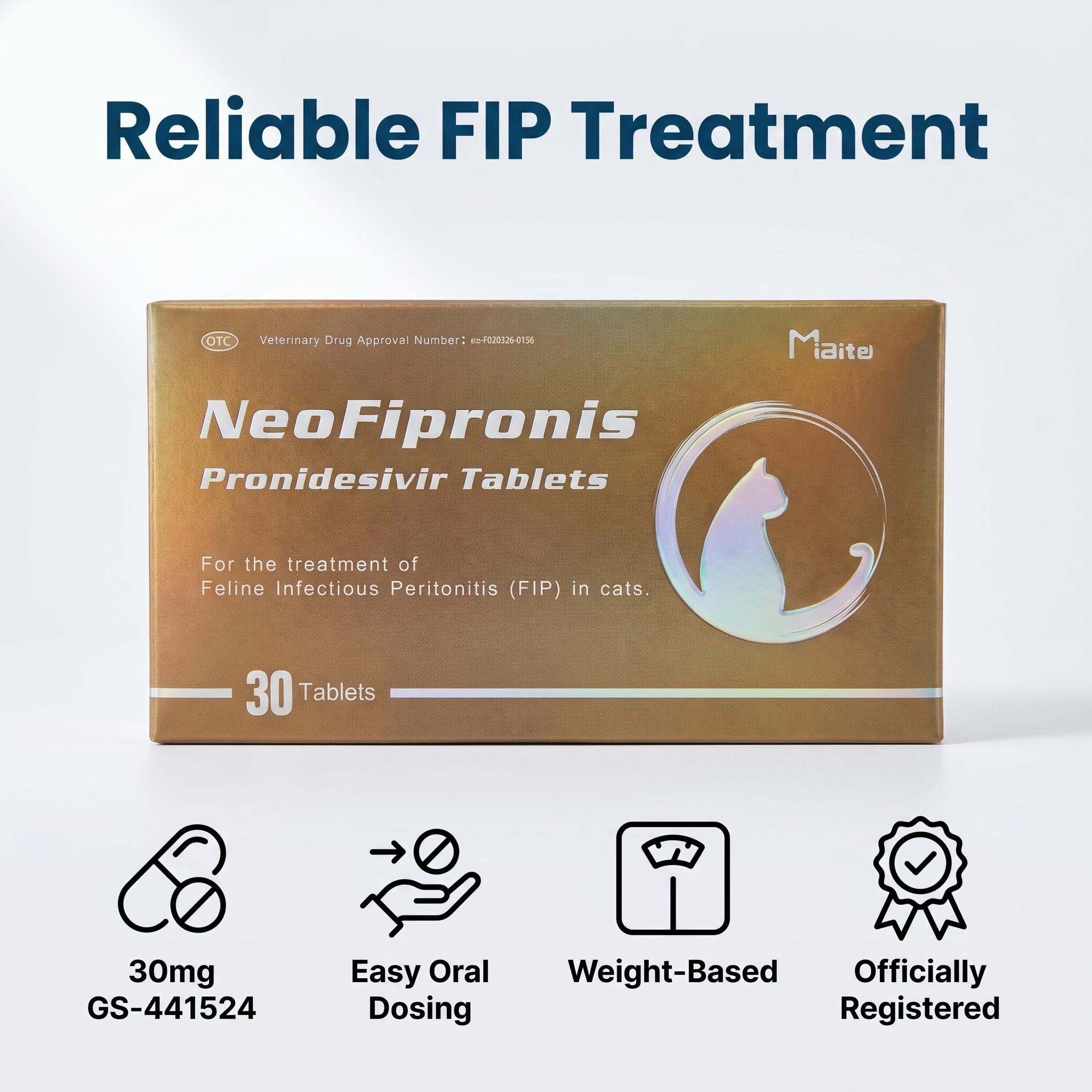
NeoFipronis (Pronidesivir), containing the active ingredient GS-441524, has emerged as a groundbreaking oral treatment for FIP. Approved by the Lao Ministry of Agriculture and Forestry (MAF) in March 2026, NeoFipronis marks the first officially registered FIP-specific medication on the global market. Its approval underscores the compound’s proven efficacy and safety profile, supported by extensive research and clinical trials.
Mechanistically, GS-441524 is a nucleoside analog that inhibits viral RNA-dependent RNA polymerase, effectively suppressing FIP virus replication. Its high bioavailability, rapid absorption, and potent antiviral activity make it a preferred choice for managing FIP. NeoFipronis is designed for oral administration, offering a non-invasive, convenient treatment option that achieves quick therapeutic levels in cats.
The recommended dosage of NeoFipronis is weight-dependent. For most cats, 15 mg per kilogram of body weight daily (equivalent to half a tablet) is advised. For neurological or ocular forms of FIP, increased dosages up to 30 mg/kg may be prescribed under veterinary guidance. Administering the medication on an empty stomach—either one hour before or two hours after feeding—optimizes absorption. Treatment duration should be no less than 12 weeks to ensure viral clearance and prevent relapse. Strict adherence to the dosing schedule is crucial—missed doses can compromise treatment success.
Safety and tolerability are key advantages of NeoFipronis. Clinical studies and ongoing monitoring have demonstrated minimal adverse effects, with most cats tolerating the medication well. Common observations include transient mild gastrointestinal reactions, with rare instances of elevated liver enzymes. Regular blood tests, including liver and kidney function assessments, are recommended throughout therapy to detect any potential adverse reactions early.
Despite being classified as an over-the-counter medication, NeoFipronis should ideally be administered under veterinary supervision to optimize outcomes and ensure proper dosing, especially in complex cases such as neuro-ocular FIP. Veterinary oversight also helps in monitoring treatment response and managing any side effects.
NeoFipronis’s safety profile, combined with its ease of administration, rapid action, and high cure rates, positions it as a revolutionary option in feline medicine. The medication is exclusively for feline use; human consumption is strictly prohibited. It can be purchased through official NeoFipronis websites or authorized veterinary pharmacies, guaranteeing product authenticity and quality.
In summary, NeoFipronis (Pronidesivir) with GS-441524 represents a major leap forward in the fight against FIP. Its proven efficacy, safety, and ease of use make it an essential tool for veterinarians and pet owners seeking effective treatment for this devastating disease. Continued research and clinical practice will further establish its role and optimize dosing strategies, promising better outcomes and improved quality of life for affected cats.
Keywords: NeoFipronis, GS-441524, FIP treatment, feline infectious peritonitis, antiviral therapy for cats, oral FIP medicine, feline health, veterinary drugs, FIP cure, safe FIP medication