Does FIP Affect a Cat’s Eyes or Vision
Feline Infectious Peritonitis (FIP) is a devastating disease affecting cats worldwide. Though initially associated with abdominal and thoracic symptoms, ophthalmic manifestations are increasingly recognized. Understanding how FIP impacts the eyes and vision is crucial for early detection, accurate diagnosis, and proper management. This article explores the underlying mechanisms, clinical signs, latest research, and therapeutic considerations regarding FIP-associated eye involvement.
Introduction to FIP and Its Relevance to Ocular Health
Feline Infectious Peritonitis (FIP) arises from a mutated form of the feline coronavirus (FCoV). Most cats exposed to FCoV either clear the infection or remain asymptomatic carriers. In a small proportion—often young or immunocompromised cats—the virus mutates inside the body, triggering an immunologically mediated, systemic disease. Traditionally, FIP is divided into effusive ("wet") and non-effusive ("dry") forms. Yet, both forms may feature eye involvement, which can serve as an important clue in diagnosis.
The role of FIP in feline ophthalmology is profound, given that inflammation can affect any tissue within or around the eyes. The presence of eye changes may provide crucial hints leading to diagnosis, especially in cases where classical abdominal fluid is absent.
Pathophysiology: How FIP Impacts the Eye
FIP predominantly causes vasculitis—excessive inflammation of blood vessels—due to the immune system’s response to mutated FCoV. In the eye, this leads to diverse and sometimes subtle manifestations. FIP-induced ocular lesions generally fall within the category of granulomatous or pyogranulomatous inflammation.
The tissues commonly affected are:
Uveal tract (iris, ciliary body, choroid)
Retina
Optic nerve
Conjunctiva
The mechanism is rooted in the immune complex deposition inside fine blood vessels. Disruption of the blood-ocular barrier leads to leakage of cells and proteins, generating visible inflammation.
Clinical Signs of Ocular FIP
When FIP affects the eyes, it may cause a variety of signs. Not all affected cats will display each feature. Common symptoms include:
1. Anterior Uveitis
This refers to inflammation of the anterior part of the eye, especially the iris and ciliary body. Owners might notice:
Cloudiness or change in eye color
Redness
Sensitivity to light
Squinting or blinking more than usual
2. Chorioretinitis
Inflammation of the retina and choroid may present as:
Visual impairment or blindness
Dilated, unresponsive pupils
Loss of the "bright, shining" appearance in the back of the eye
3. Keratic Precipitates
White or gray spots may be visible on the inner surface of the cornea, observable with veterinary ophthalmoscopy.
4. Hyphema
Bleeding into the front chamber of the eye is another sign. The eye may appear reddish or filled with blood.
5. Retinal Detachment
Resulting from inflammatory exudates, the retina may pull away from underlying tissues, leading to abrupt blindness.
6. Optic Neuritis
Swelling or inflammation of the optic nerve may occur, sometimes causing vision loss.
Less specific signs include conjunctivitis, discharge, and discomfort.
Diagnosis: Linking Eye Signs to FIP
Ocular manifestations are not exclusive to FIP, so other causes such as toxoplasmosis or lymphoma must be ruled out. Diagnosis typically involves:
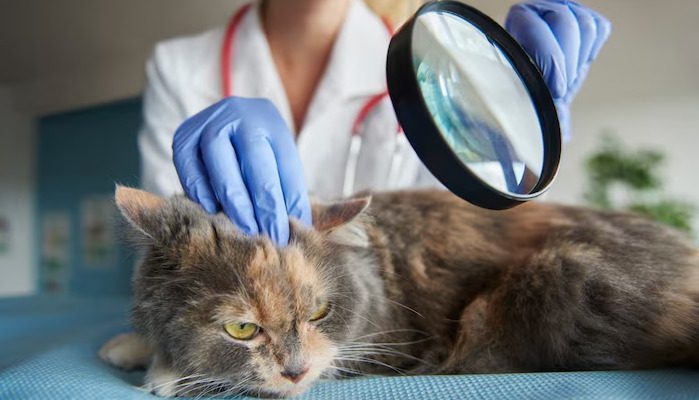
Thorough ophthalmic examination by a veterinarian
Use of slit lamp, tonometry, or ophthalmoscopy
Bloodwork, including complete blood count, serum biochemistry
FCoV antibody titers and PCR tests on fluids
Imaging, such as ultrasound or MRI (if neurologic involvement is suspected)
Sometimes, sampling fluid from the eye’s anterior chamber for cytology
Characteristic ophthalmic signs, when combined with systemic symptoms such as fever, lethargy, weight loss, and abdominal changes, make the diagnosis more likely.
Prognosis of Vision in FIP-Affected Cats
The prognosis for vision in cats with FIP relies on several factors:
Severity of ocular inflammation
Speed of diagnosis and management
Underlying immune status
Form of FIP (ocular involvement is more common in the non-effusive form)
Without treatment, vision loss can become permanent. Even with intervention, some cats may not recover ocular function due to irreversible retinal damage or optic nerve involvement.
Differentiating FIP-Related Ocular Lesions from Other Causes
Eye disease in cats can have many root causes. Other infectious or inflammatory conditions can act similarly. For instance, feline leukemia virus, toxoplasmosis, and neoplasia may all cause uveitis or retinal changes. Thus, careful differential diagnosis is essential.
A combination of eye findings, patient history (young age, multi-cat environments), laboratory diagnostics, and response to treatment helps in reaching the correct conclusion.
Treatment and Management Strategies
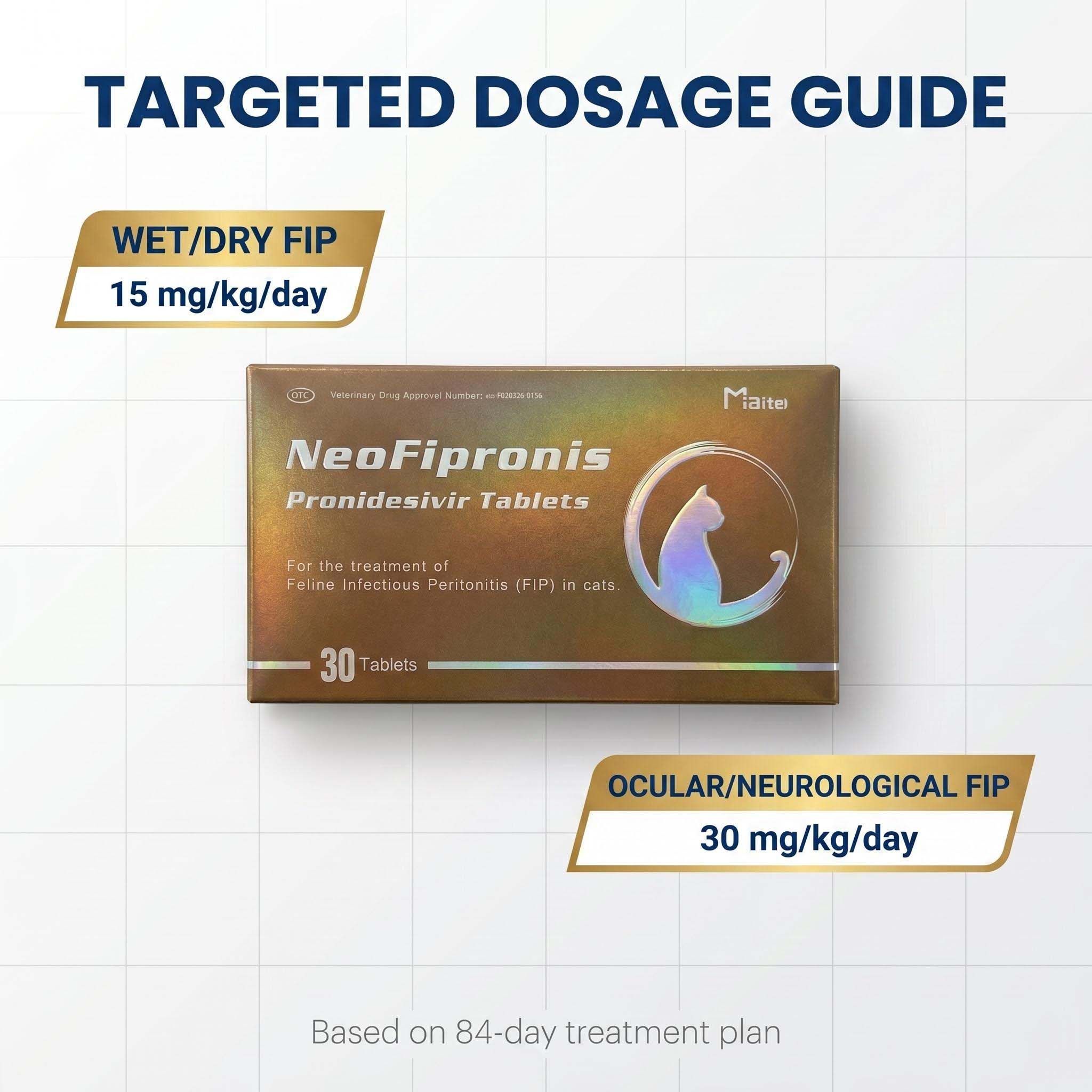
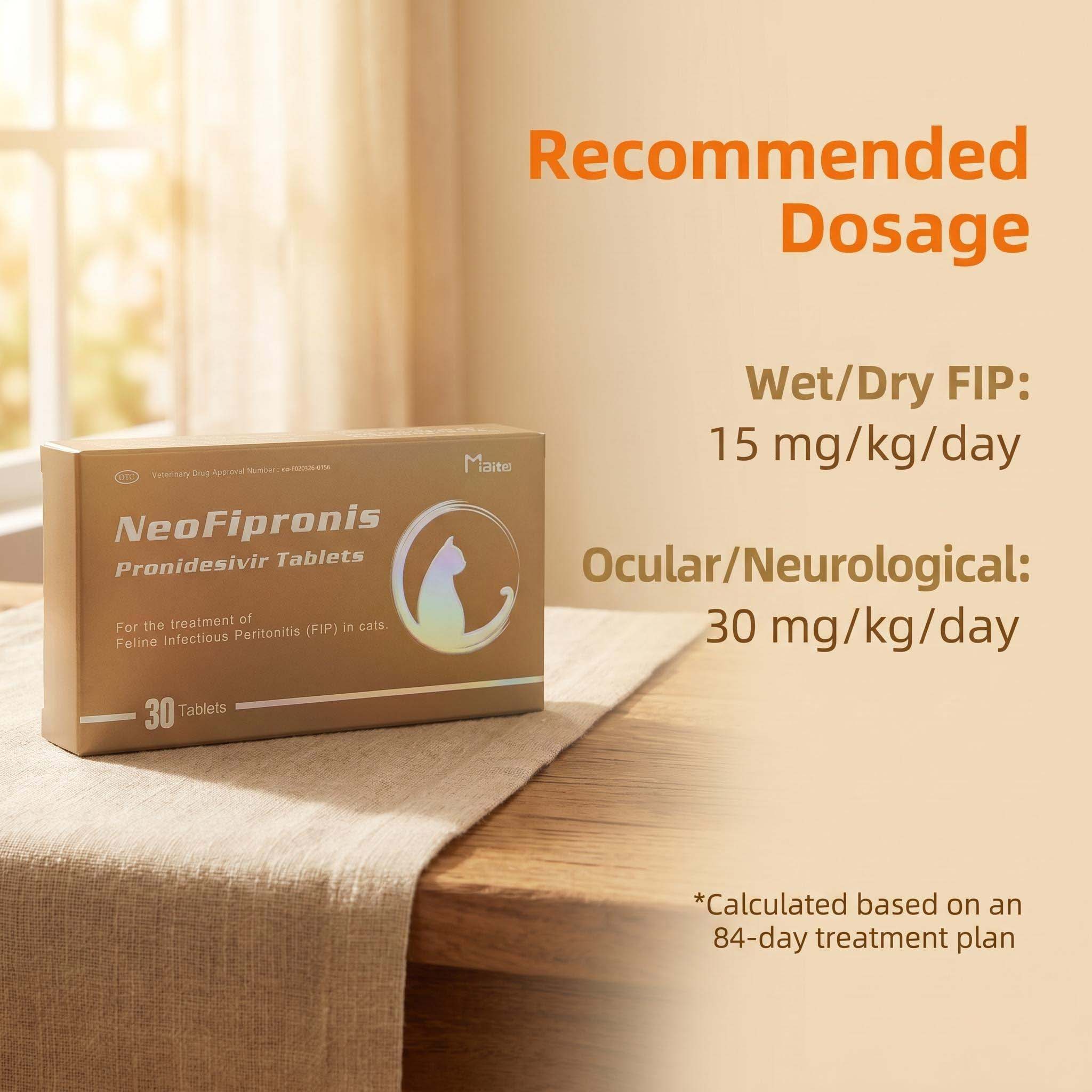
In recent years, promising antivirals, such as GS-441524 and related compounds, have been shown to induce remission of FIP, including ocular forms. Supportive care includes:
Topical corticosteroids or nonsteroidal anti-inflammatory drops
Systemic anti-inflammatories (with caution, under veterinary guidance)
Control of secondary infections or complications
Pain control with appropriate medication
Monitoring for glaucoma or increased pressure
Specific antiviral therapy, delivered systemically, appears to be the only method that addresses the underlying disease, while ocular symptoms may be treated symptomatically.
It is essential for eye therapy to be closely coordinated with systemic treatment under the supervision of a veterinary ophthalmologist.
Implications for Cat Owners
Early recognition of changes in a cat’s eyes, such as cloudiness, squinting, redness, or sudden vision changes, should prompt immediate veterinary attention. Because FIP is a rapidly progressive disease, swift diagnosis and intervention can make a significant difference in outcome.
Owners should monitor their cat’s behavior, looking for signs of vision loss such as bumping into objects, difficulty navigating familiar spaces, and reluctance to jump or play.
Supporting a cat with visual impairment involves adaptation—providing safe environments, minimizing obstacles, and maintaining consistency in the home.
Recent Advances in FIP and Ocular Involvement
Since the development of new drugs targeting the mutated virus, survival rates have improved markedly. Studies show that many cats with ocular FIP respond to treatment, with resolution of inflammation and partial to full restoration of vision. The role of molecular diagnostics, improved imaging, and understanding of viral behavior provide new hope against this once-fatal condition.
Research continues to explore the optimal duration and dosing of antiviral therapy, particularly for cases with neurologic and ocular involvement. Monitoring for relapse, side effects, and drug resistance is part of ongoing care.
Prevention Strategies
Preventing FIP—and thus its ocular complications—is best achieved through minimizing exposure to the virus. Keeping multicat households clean, minimizing stress, and isolating suspected cases are all recommended. No effective vaccine exists at this time.
Genetic factors may play a role, as some breeds seem more predisposed. Responsible breeding and the avoidance of overcrowding add another layer of protection.
Veterinary Perspectives: When to Suspect FIP Involving the Eye
Veterinarians encountering non-resolving uveitis, hyphema, or retinal lesions, especially in young cats, should consider FIP as a differential. A systematized approach—combining eye findings with overall health, history, and laboratory results—is critical for accurate diagnosis.
Veterinary ophthalmologists play a vital role in identifying these cases and guiding therapy.
Conclusion and Future Directions
FIP has emerged as a complex disease with significant ocular involvement in many cases. Recognizing the ways in which FIP can affect a cat’s vision points toward earlier and more effective treatments. Ongoing research and collaboration between general practitioners and veterinary ophthalmologists will continue to improve quality of life and survival for affected cats.
References
Addie, D. D., & Jarrett, O. (1990). Feline coronavirus infections. Veterinary Medicine.
Foley, J. E., & Poland, A. (1989). Feline infectious peritonitis and uveitis. Comparative Immunology, Microbiology and Infectious Diseases.
Gunn-Moore, D. A., & Brown, D. C. (1998). Observations on FIP and associated ocular abnormalities. Journal of Feline Medicine and Surgery.
Hartmann, K. (2005). Feline infectious peritonitis: Diagnosis, prevention, and treatment. Journal of Feline Medicine and Surgery.
Pedersen, N. C. (2009). A review of feline infectious peritonitis virus infection: 1963–2008. Journal of Feline Medicine and Surgery.
Peters, S., & Wolfensberger, T. J. (2002). Ocular manifestations of feline infectious peritonitis. Veterinary Ophthalmology.
Rissi, D. R. (2018). Diagnostic features of feline infectious peritonitis-associated extraocular lesions. Veterinary Pathology.
Wills, J. M., & Kipar, A. (2014). Pathogenesis and ocular manifestations of FIP. Veterinary Record.