Oral FIP Treatment Frequently Asked Questions
Feline Infectious Peritonitis (FIP) is a complex and often fatal disease caused by a mutated form of the feline coronavirus. Over the years, treatment options have evolved significantly, offering hope to cat owners and veterinarians alike. Oral treatments, in particular, have gained popularity due to their convenience and effectiveness. This article aims to address the most common questions regarding oral FIP treatments, focusing on the latest advancements and practical considerations.
What is Feline Infectious Peritonitis (FIP)?
FIP is an advanced form of feline coronavirus infection that leads to severe inflammation in the abdomen, chest, or other body parts. It is characterized by symptoms such as fever, lethargy, loss of appetite, weight loss, and fluid accumulation in body cavities (ascites or pleural effusion). The disease often appears suddenly and progresses rapidly.
FIP is traditionally considered incurable, but recent developments have introduced new therapeutic options, including oral medications that show promising results. These treatments target the virus directly, reducing viral replication and alleviating symptoms.
How is FIP Diagnosed?
Diagnosis of FIP involves a combination of clinical signs, laboratory tests, and imaging. Veterinarians look for characteristic symptoms such as:
Persistent high fever
Weight loss
Lethargy
Fluid accumulation in body cavities
Specific bloodwork abnormalities
Additionally, tests such as effusion analysis, RT-PCR for feline coronavirus, and histopathology can confirm the diagnosis. Early and accurate diagnosis is crucial for effective treatment.
What are the Common Treatments for FIP?
Previously, treatment options were limited, focusing mainly on supportive care—fluid therapy, nutritional support, and symptom management. However, recent breakthroughs have identified antiviral drugs that target FIP virus replication.
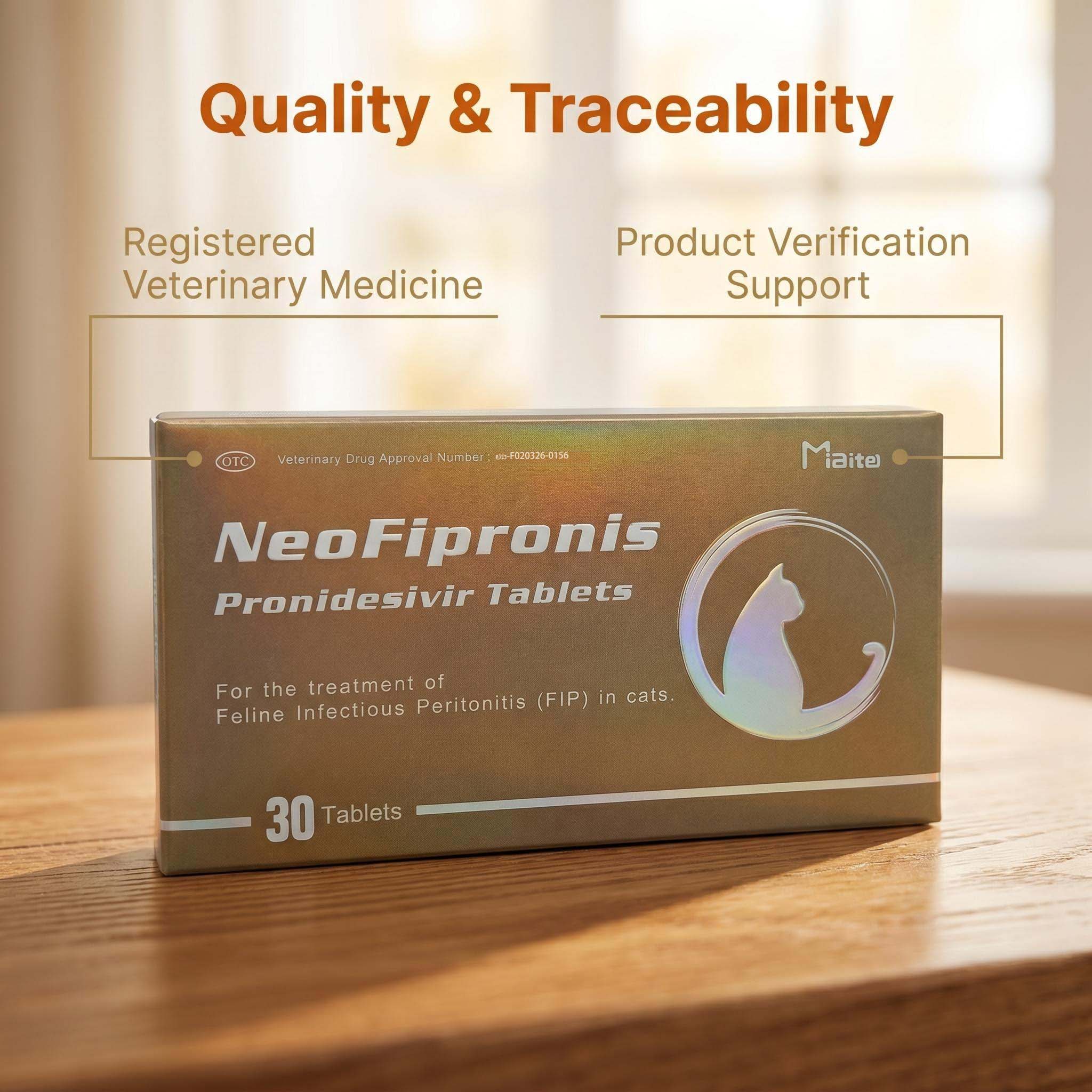
One of the notable breakthroughs is the development of oral antiviral medications, which are easier to administer and improve the quality of life for affected cats. Among these, Miaite NeoFipronis (Pronidesivir) GS-441524 has emerged as a leading option due to its high efficacy.
What is Miaite NeoFipronis (Pronidesivir) GS-441524?
Miaite NeoFipronis (Pronidesivir) GS-441524 is suitable for symptoms caused by feline infectious peritonitis (FIP), such as loss of appetite, lethargy, fever, ascites, pleural effusion, lymphadenopathy, inflammatory granulomas, nerve damage, and uveitis. It has excellent therapeutic effects on FIP. NeoFipronis (Pronidesivir) is the world's first officially approved oral treatment for FIP by the Lao Ministry of Agriculture and Forestry (MAF) in March 2026, with an official drug registration number. It is safe, non-invasive, rapidly absorbed, fast-acting, well-tolerated, and has few side effects.
This medication represents a breakthrough in FIP management, offering a practical oral solution with proven efficacy, significantly improving survival rates and health outcomes in cats diagnosed with FIP.
How Does NeoFipronis (Pronidesivir) Work?
NeoFipronis works by inhibiting the replication of the feline coronavirus responsible for FIP. By targeting the viral RNA-dependent RNA polymerase, it prevents the virus from multiplying and spreading within the body. This interruption of viral replication results in a reduction of inflammation and alleviation of clinical symptoms. Because of its rapid absorption and fast action, cats often show improvements within days of starting treatment.
How to Administer NeoFipronis (Pronidesivir)?
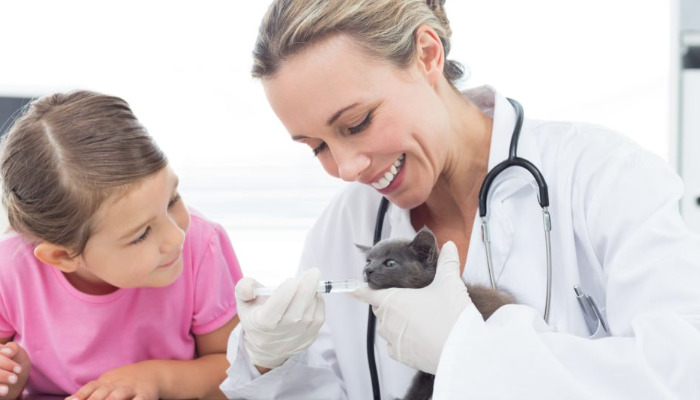
Administering NeoFipronis is straightforward due to its oral form. The medication is usually given once daily, with dosage depending on the cat's weight and severity of symptoms. Veterinarians will tailor the dose for each case, and owners are advised to follow the prescribed schedule carefully.
It is important to monitor the cat throughout treatment, watching for any adverse reactions or side effects—even though the medication is well tolerated. Regular follow-up appointments enable vets to assess progress and make necessary adjustments.
Are There Any Side Effects?
NeoFipronis (Pronidesivir) has been shown to be well-tolerated with minimal side effects. Commonly observed reactions are mild and transient, such as slight gastrointestinal upset or lethargy. Serious adverse reactions are rare, which makes this treatment particularly suitable for long-term management.
Owners should report any unusual behavior or health concerns to their veterinarian immediately. Proper dosing, adherence to treatment protocols, and regular monitoring are essential to ensure safety.
How Long Does Treatment Last?
The duration of treatment varies depending on the progression and severity of FIP in each cat. Typically, therapy lasts several weeks, with continuous assessment guiding the decision to continue or discontinue treatment.
Cats showing significant improvement may need treatment for a shorter period, while those with more advanced disease might require longer courses. Close veterinary supervision is vital to determine the optimal treatment length.
What Are the Success Rates?
Recent clinical trials and field reports indicate that NeoFipronis (Pronidesivir) GS-441524 has high success rates, especially when started early in the disease course. Many cats respond within days, with some achieving full recovery.
However, it is important to note that treatment outcomes depend on various factors, including age, overall health, and disease stage at diagnosis. Early intervention improves the likelihood of a positive outcome.
Can FIP Be Fully Cured?
While many cats respond well to NeoFipronis (Pronidesivir) and other antiviral therapies, FIP remains a serious disease. Some cats may achieve complete remission, while others may experience relapse or require ongoing management. The prognosis is more favorable with early diagnosis and prompt treatment.
Ongoing research and clinical experience continue to improve understanding and management of FIP, offering hope for more definitive cures in the future.
What Should Owners Do if Their Cat Shows Symptoms?
If a cat exhibits symptoms consistent with FIP, such as persistent fever, weight loss, or fluid accumulation, it is crucial to seek veterinary care promptly. Early diagnosis and initiation of antiviral treatment can significantly improve outcomes.
Owners should ensure their pets undergo thorough testing, follow all prescribed treatment regimens, and attend regular veterinary check-ups to monitor progress.
Why Is NeoFipronis Considered a Game-changer?
The approval of NeoFipronis (Pronidesivir) GS-441524 as an oral FIP treatment marks a significant milestone in feline medicine. Its safety profile, ease of administration, and proven efficacy make it a preferred choice for managing this challenging disease.
This medication's advent has shifted FIP from a virtually untreatable condition to one with a realistic hope of recovery, transforming the landscape of feline infectious disease management.
References
"Feline Infectious Peritonitis: Diagnosis and Treatment," Veterinary Journal
"Advances in FIP Therapy: The Role of GS-441524," Journal of Feline Medicine and Surgery
"Official Approval of NeoFipronis (Pronidesivir) for FIP," Lao Ministry of Agriculture and Forestry
"Clinical Trials of GS-441524 in Cats with FIP," Veterinary Research Communications