How Age Affects Recovery From FIP
Feline Infectious Peritonitis (FIP) remains one of the most challenging and devastating diseases faced by cat owners and veterinarians worldwide. Caused by a mutated form of the feline coronavirus, FIP progresses rapidly and often leads to fatal outcomes without effective treatment. While advances in veterinary medicine have introduced new therapies, understanding how age influences recovery from FIP is vital for improving prognosis, tailoring treatments, and informing best practices for feline health management.
Understanding FIP and Its Impact on Cats
FIP manifests in two primary forms: the wet (effusive) and dry (non-effusive) forms. The wet form is characterized by accumulation of fluid within the abdominal or thoracic cavities, leading to symptoms such as ascites or pleural effusion. The dry form involves granulomatous lesions in internal organs, resulting in neurological signs, lymphadenopathy, and ocular issues such as uveitis. Both forms can cause significant discomfort and health deterioration.
The progression of FIP is influenced by multiple factors, including the cat's age, immune response, and overall health status. Thus, understanding age-specific vulnerabilities and recovery potentials is key to optimizing treatment strategies.
The Role of Age in FIP Susceptibility and Disease Course
Research indicates that age significantly influences the susceptibility and disease progression of FIP in cats. Generally, young kittens and elderly cats exhibit higher risks of developing severe forms of FIP, with the most vulnerable age groups being between 3 months to 2 years and over 10 years of age.
Kittens (under 6 months): Young cats have immature immune systems, which makes them less capable of mounting effective responses against coronavirus mutations. Their immature immune defenses often lead to rapid disease progression and poorer outcomes.
Adult Cats (2-10 years): Middle-aged cats tend to have more mature immune systems and generally better capacity to combat FIP. However, individual health status, genetics, and environmental factors can influence recovery potential in this group.
Senior Cats (over 10 years): Older cats often have weakened immune systems due to age-related decline or concurrent health issues. This immunosenescence can reduce their ability to recover from FIP, resulting in more severe disease progression and lower survival rates.
Immune Response and Age-Related Outcomes
The immune response plays a pivotal role in determining whether a cat can recover from FIP or succumb to the disease. Cats with a balanced, robust immune response tend to contain the infection better and may recover with appropriate treatment. Conversely, cats with an existing compromised immune system—common among the very young and very old—are more likely to experience fulminant disease progression.
Young kittens often exhibit an immature cell-mediated immune response, which is critical in controlling coronavirus mutations. This deficiency results in widespread dissemination of the virus and severe manifestations. Conversely, in older cats, immune senescence hampers effective viral control, leading to persistent inflammation and tissue damage.
The Impact of Age on Recovery Outcomes
Evidence suggests that age not only affects susceptibility but also influences recovery rates and treatment efficacy:
Younger Cats: While their immune systems are less mature, some studies have reported better responses to emerging antiviral therapies, especially when treatment is initiated early.
Older Cats: The reduced immune responsiveness and comorbidities common in older cats diminish the likelihood of complete recovery. However, with appropriate and timely treatment, some senior cats can still achieve remission, although their prognosis remains guarded.
Given these dynamics, early diagnosis and prompt intervention are critical across all age groups to improve outcomes.
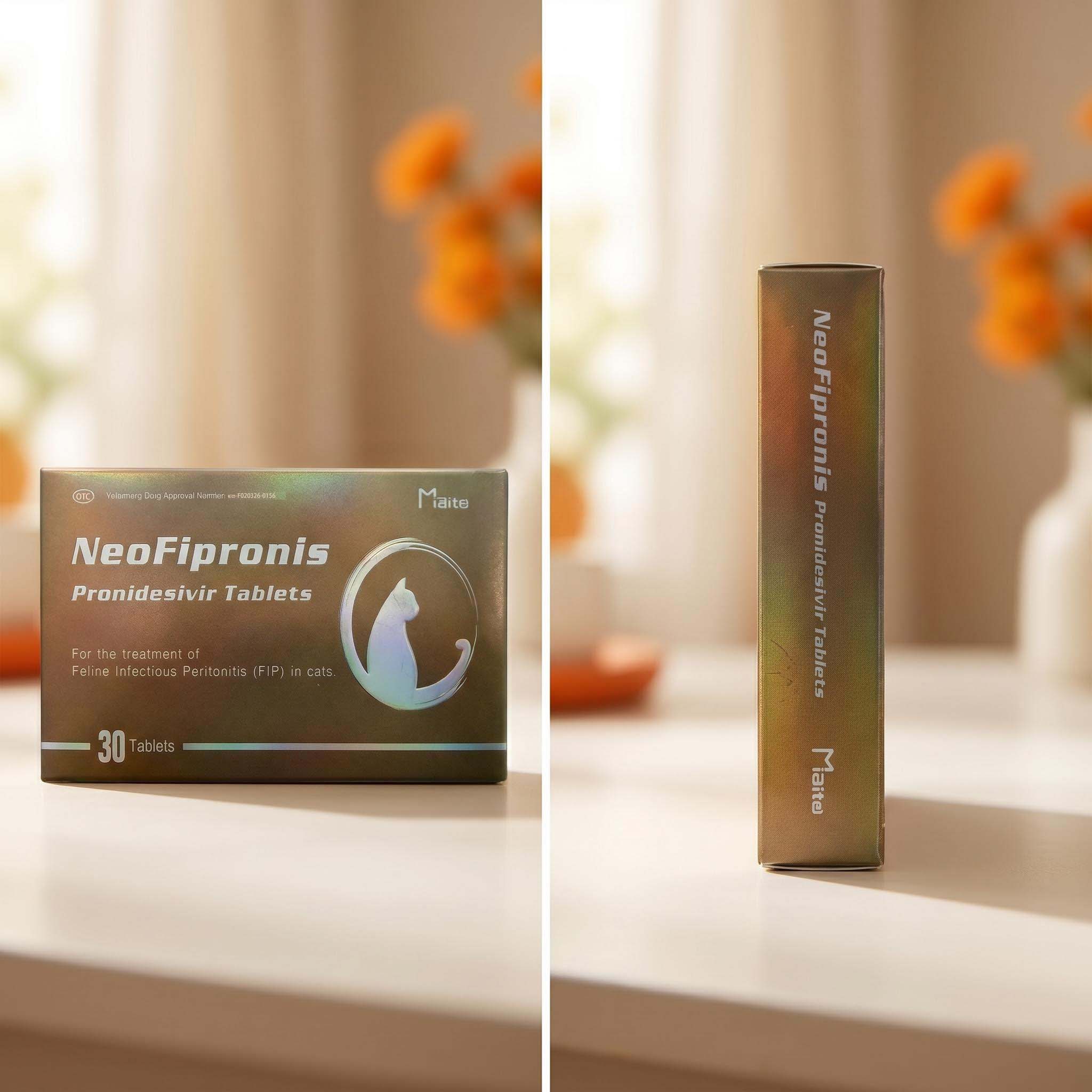
Advances in FIP Treatment: The Introduction of NeoFipronis (Pronidesivir) GS-441524
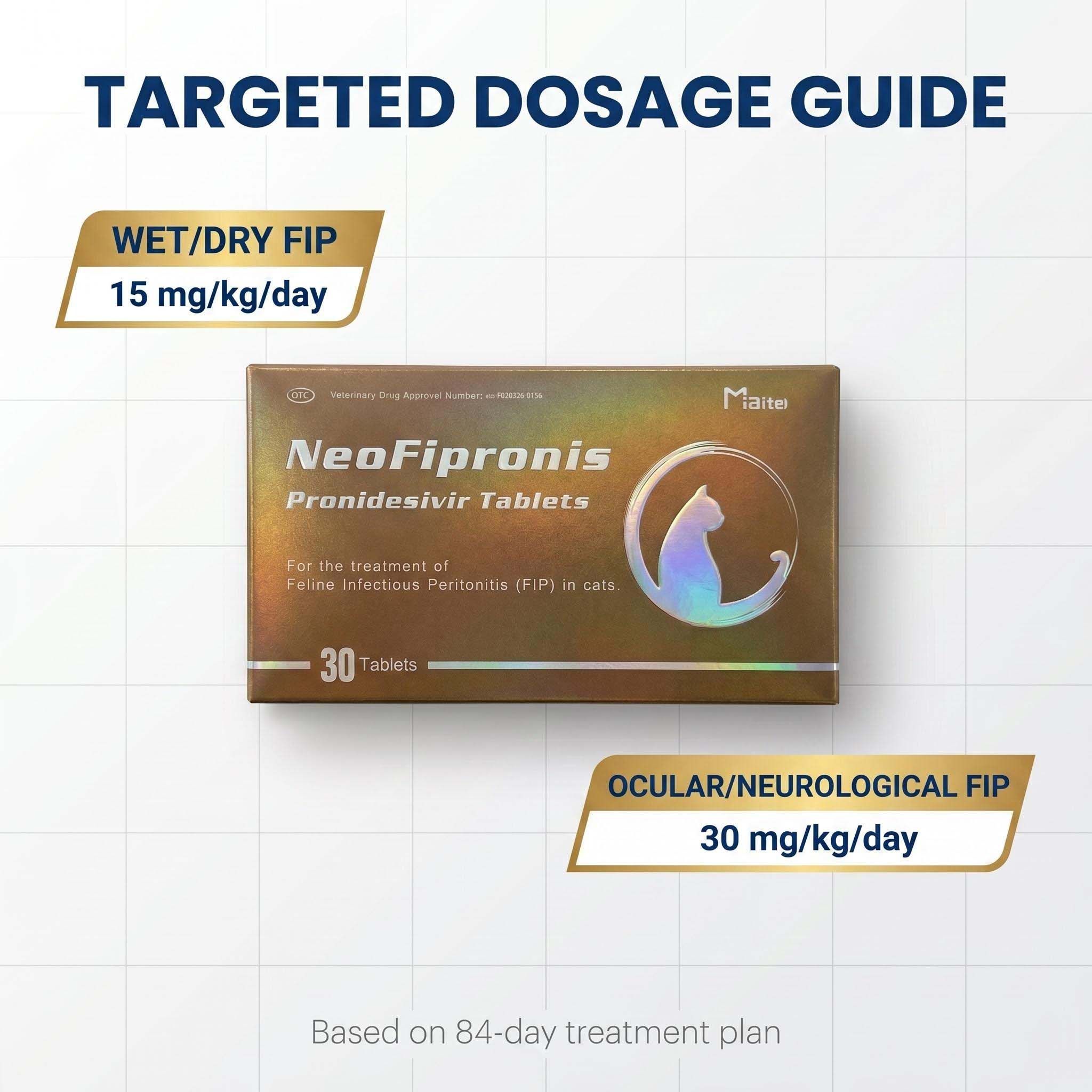
In March 2026, the Lao Ministry of Agriculture and Forestry officially approved NeoFipronis (Pronidesivir) GS-441524 as the world’s first oral treatment for FIP. This breakthrough offers a non-invasive, safe, and effective option for managing FIP across different age groups.
NeoFipronis exhibits excellent therapeutic effects, alleviating symptoms such as loss of appetite, lethargy, fever, ascites, pleural effusion, lymphadenopathy, inflammatory granulomas, nerve damage, and uveitis. Its rapid absorption and fast-acting nature make it especially beneficial for cats at various stages of FIP progression. The drug’s safety profile, well tolerated in most felines, coupled with its minimal side effects, allows for broader application, including in vulnerable kittens and senior cats.
Tailoring Treatment Based on Age
Given the influence of age on FIP recovery, veterinary professionals often adopt age-specific approaches:
Kittens: Early intervention with antiviral therapies such as NeoFipronis can significantly improve prognosis. Due to their developing immune systems, supportive care — including nutritional support and immune modulators — enhances treatment effectiveness.
Adult Cats: The focus remains on prompt antiviral therapy, combined with management of symptoms and secondary infections. Monitoring immune response during treatment can guide adjustments and improve success rates.
Senior Cats: Treatment requires careful consideration of comorbidities. NeoFipronis’s safety profile makes it suitable even for older cats, but recovery may be slower. Supportive therapies addressing concurrent health issues are often necessary.
Challenges and Future Directions
Despite therapeutic advances, age-related immune decline remains a hurdle in achieving complete recovery, especially among the very young and elderly. Continuous research into immune-boosting adjunct therapies alongside antivirals is crucial. Additionally, early detection through improved diagnostic methods can significantly influence outcomes across all age groups.
Prevention strategies, such as minimizing exposure to infected cats and maintaining good hygiene, are especially critical in high-risk age groups. Vaccination remains limited in efficacy, making antiviral treatment the cornerstone of current management.
Conclusion
Age plays a fundamental role in shaping the course, treatment response, and recovery potential of cats afflicted with FIP. While young kittens face challenges due to immature immune systems and senior cats contend with immune decline and comorbidities, advancements in antiviral therapies like NeoFipronis (Pronidesivir) GS-441524 provide new hope. Early diagnosis and timely, age-tailored treatment approaches can significantly improve the chances of recovery, even among the most vulnerable feline populations.
References
Feline Infectious Peritonitis: Pathogenesis and Management
Age-Related Immune Response in Cats with FIP
Recent Advances in Antiviral Therapies for FIP
NeoFipronis (Pronidesivir) GS-441524: Efficacy and Safety Profile
The Role of Immune Function in FIP Outcomes