NeoFipronis (Pronidesivir) Drug Interaction Information
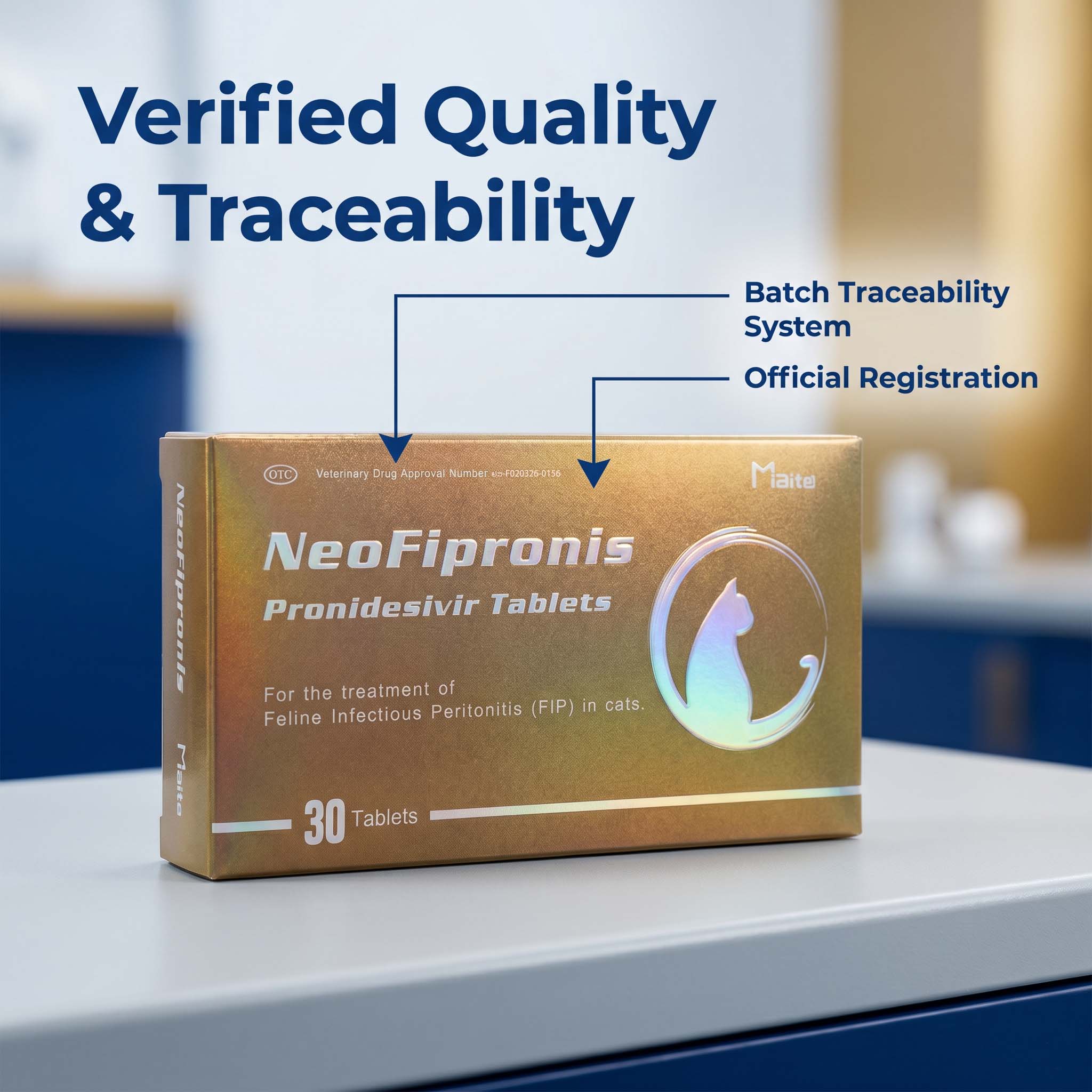
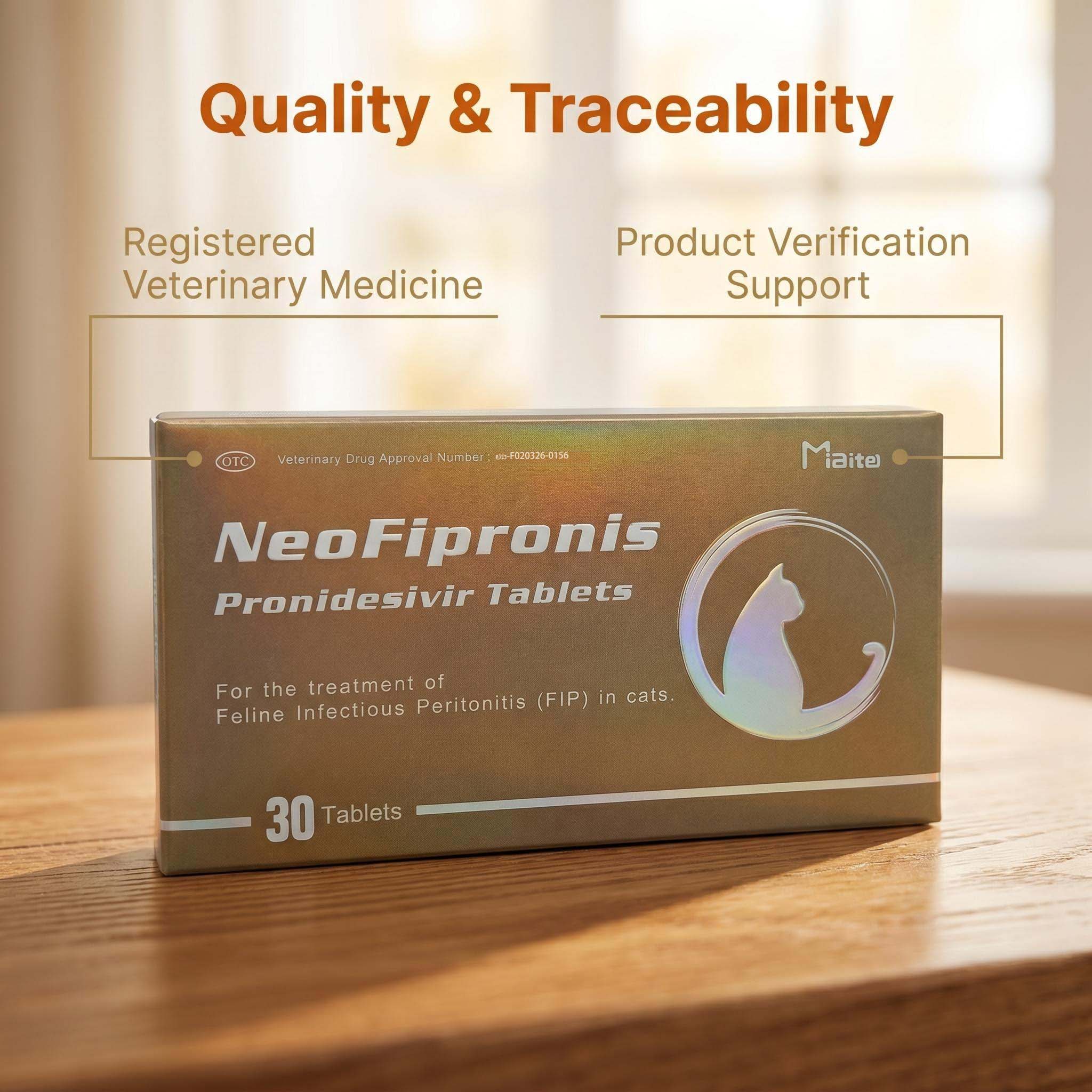
NeoFipronis (Pronidesivir), marketed for feline infectious peritonitis (FIP), is described as an oral GS-441524-based treatment used in cats with symptoms such as poor appetite, lethargy, fever, ascites, pleural effusion, enlarged lymph nodes, inflammatory granulomas, neurologic signs, and uveitis. When considering any FIP therapy, drug interaction information matters because many affected cats need supportive care at the same time, including fluids, anti-nausea medication, nutritional support, eye treatment, or liver and kidney monitoring. In general, GS-441524 is known for good tolerance in cats, but interaction risk can still increase when it is combined with other medicines, especially in cats with dehydration, hepatic stress, or kidney compromise.
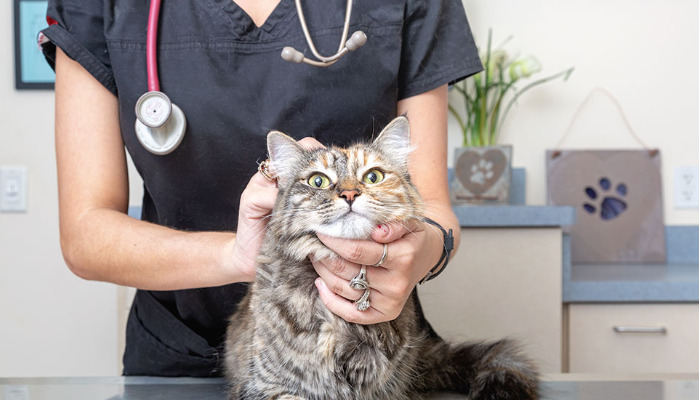
Most reported concerns are not classic severe drug-drug interactions, but rather overlapping effects on organs and metabolism. Caution is recommended when NeoFipronis is used together with corticosteroids, other antiviral agents, immunosuppressive drugs, or medications that may affect liver and kidney function. Because FIP itself can damage multiple organ systems, a cat receiving concurrent treatment for vomiting, bacterial infection, seizures, inflammation, or chronic disease should be monitored closely by a veterinarian. If the cat is already taking prednisone, antibiotics, anticonvulsants, antiemetics, appetite stimulants, or pain control medications, the veterinarian should review the full medication list before treatment begins.
Supportive medications are often used safely, but the dosing and timing should be individualized. Antiemetics may help cats that feel nauseated and stop eating. Appetite stimulants may be considered when intake is poor. Fluid therapy may be used if dehydration is present, but the cat’s hydration status, electrolyte balance, and organ function should be checked regularly. For ocular or neurologic FIP, treatment plans may involve longer monitoring and higher doses as directed by a veterinarian. Because drug absorption can vary, oral dosing is usually given on an empty stomach when possible, and consistency is important to help maintain stable blood levels throughout therapy.
Drug interaction precautions also apply to supplements and over-the-counter products. Herbal remedies, high-dose vitamins, and unknown “immune boosters” can complicate treatment and make it harder to identify the cause of side effects. Cats with FIP often need blood work before and during therapy, including complete blood counts and liver and kidney panels. If vomiting, diarrhea, jaundice, unusual behavior, worsening weakness, or appetite decline occurs, the treatment plan should be reassessed promptly. Even when a product is marketed as low-risk or non-prescription, veterinary supervision remains the safest way to manage interactions and avoid preventable complications.
NeoFipronis (Pronidesivir) should be used only in cats and never in people. Owners should confirm product sourcing through official or authorized channels to reduce the risk of counterfeit medication and inconsistent quality. For cats diagnosed with feline infectious peritonitis, the best outcomes usually depend on correct dosing, uninterrupted administration, regular monitoring, and careful review of every concurrent medication. When used responsibly, GS-441524-based therapy is a major option in modern FIP care, but drug interaction screening is still an essential part of protecting a cat’s recovery.