How Should NeoFipronis (Pronidesivir) Be Taken

NeoFipronis (Pronidesivir) is an oral FIP treatment for cats containing GS-441524, a compound widely studied for its antiviral activity against feline infectious peritonitis virus. It is designed for cats showing common FIP symptoms such as poor appetite, lethargy, fever, ascites, pleural effusion, enlarged lymph nodes, inflammatory granulomas, neurologic signs, and uveitis. For many cats, early and consistent treatment is the key factor in recovery and long-term control.
The recommended dosage is based on body weight. For standard wet FIP or effusive FIP cases, NeoFipronis is generally given at 15 mg per kilogram of body weight once daily, which is described as half a tablet per kilogram. For neurologic FIP or ocular FIP, the dose may need to be increased to 30 mg per kilogram, but this should only be done under veterinary guidance. Because each cat’s condition is different, accurate weight measurement is important before every dose adjustment.
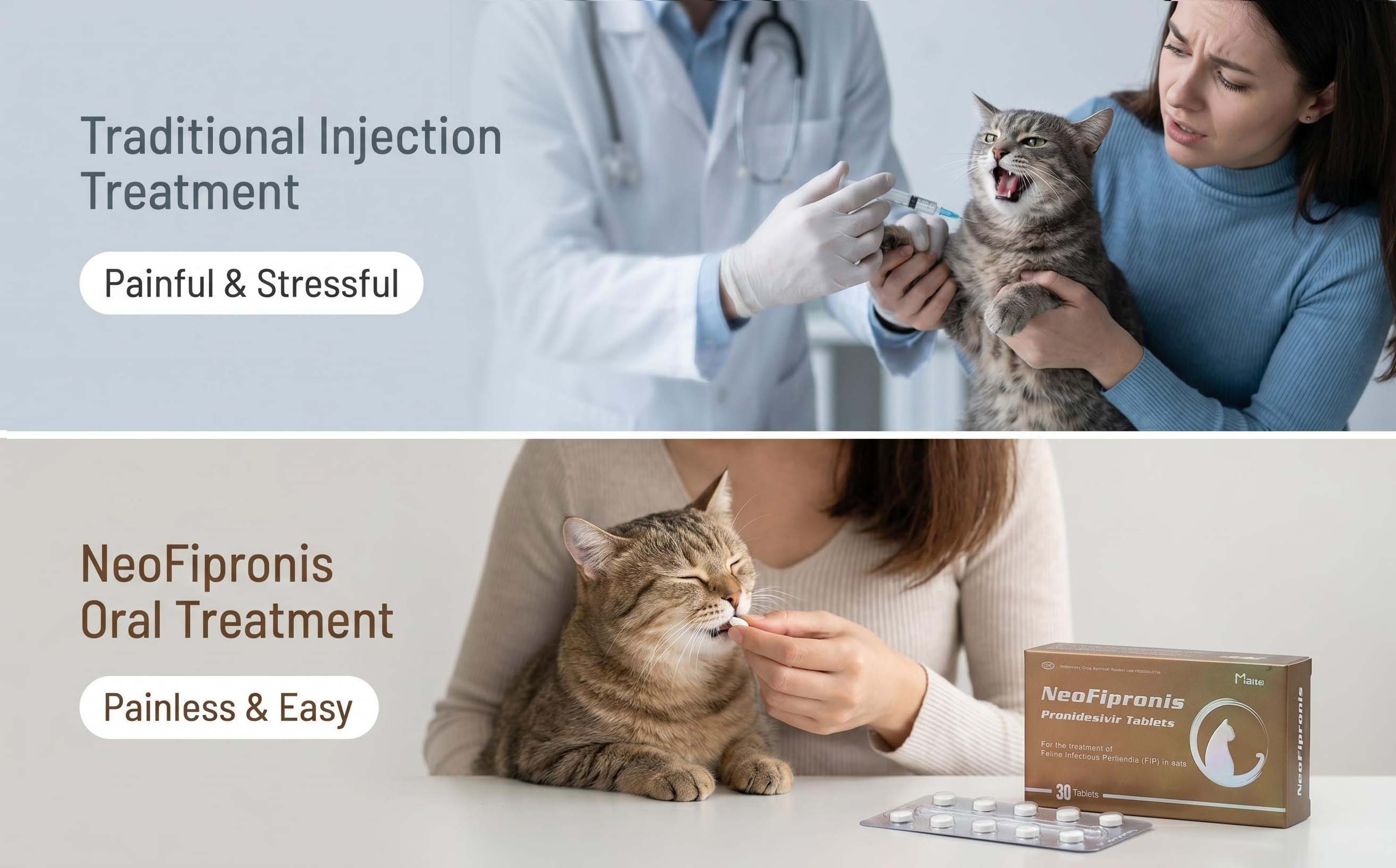
NeoFipronis should be administered once daily, ideally on an empty stomach for better absorption. The preferred timing is one hour before a meal or two hours after a meal. Giving the medicine at the same time each day helps maintain steady drug levels in the body, which supports more consistent antiviral activity. If a cat resists swallowing tablets, owners should follow veterinarian-approved methods to ensure the full dose is taken safely and completely.
Treatment should not be interrupted. A full course of at least 12 weeks is typically required, and missing doses can reduce effectiveness and increase the risk of relapse. Cats receiving NeoFipronis should be monitored closely throughout treatment. Important signs to observe include appetite, body temperature, energy level, breathing, abdominal swelling, eye changes, and neurological behavior. Regular blood tests, along with liver and kidney function checks, are strongly recommended to track response and safety during therapy.
NeoFipronis is described as an oral, non-invasive, fast-absorbing, and well-tolerated option for FIP management. Reported benefits include rapid onset, low side effect rates, and good overall tolerance in many cats. Even though it is marketed as an over-the-counter product, veterinary supervision is still highly recommended, especially for kittens, severely ill cats, or cases involving the nervous system and eyes.
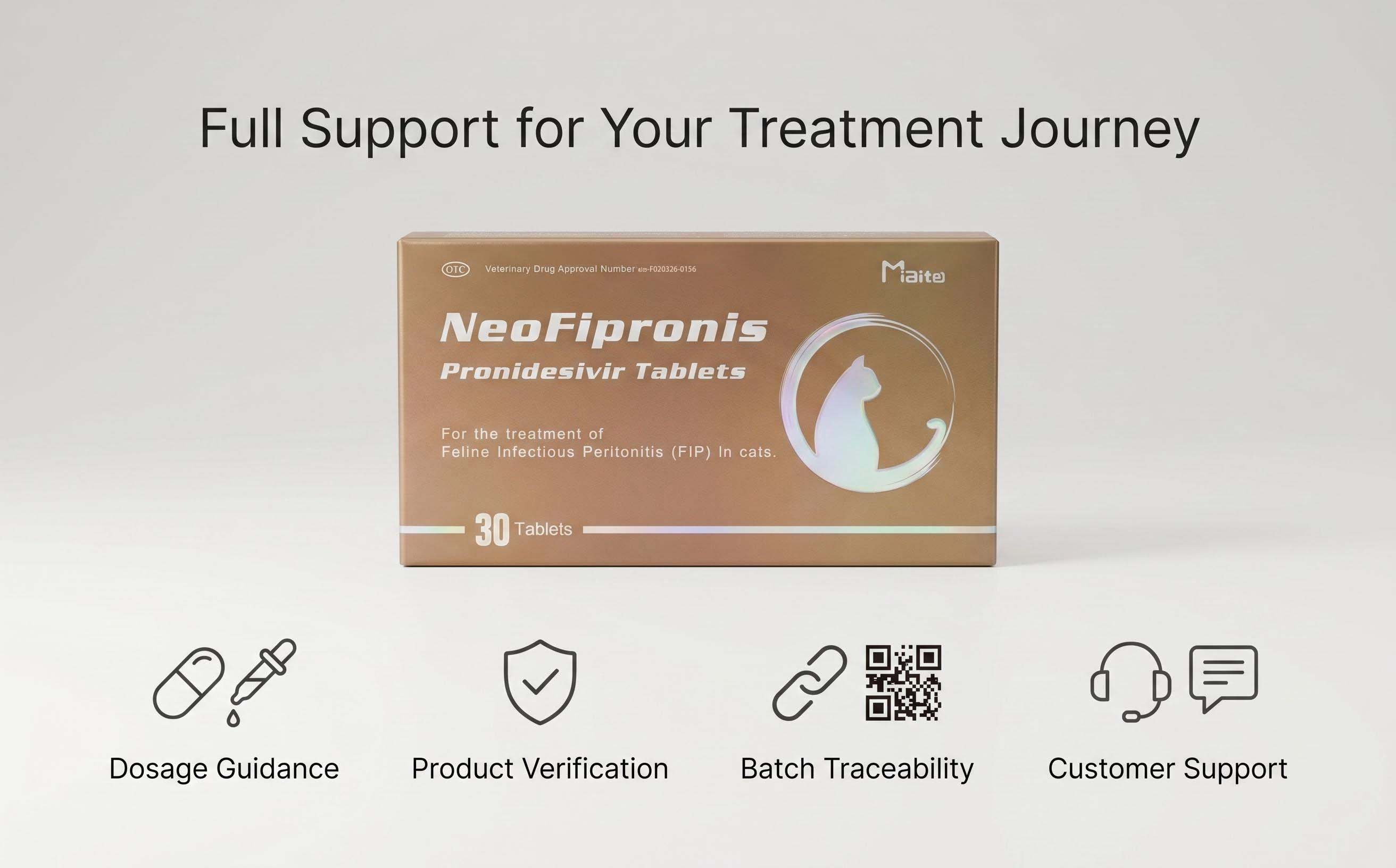
This product is intended only for cats and must not be used in humans. To help ensure product quality and authenticity, purchase should be made through the official NeoFipronis website or approved channels. When used correctly and consistently, NeoFipronis (Pronidesivir) offers a practical oral treatment option for feline infectious peritonitis and its associated symptoms.