What Does NeoFipronis (Pronidesivir) Look Like
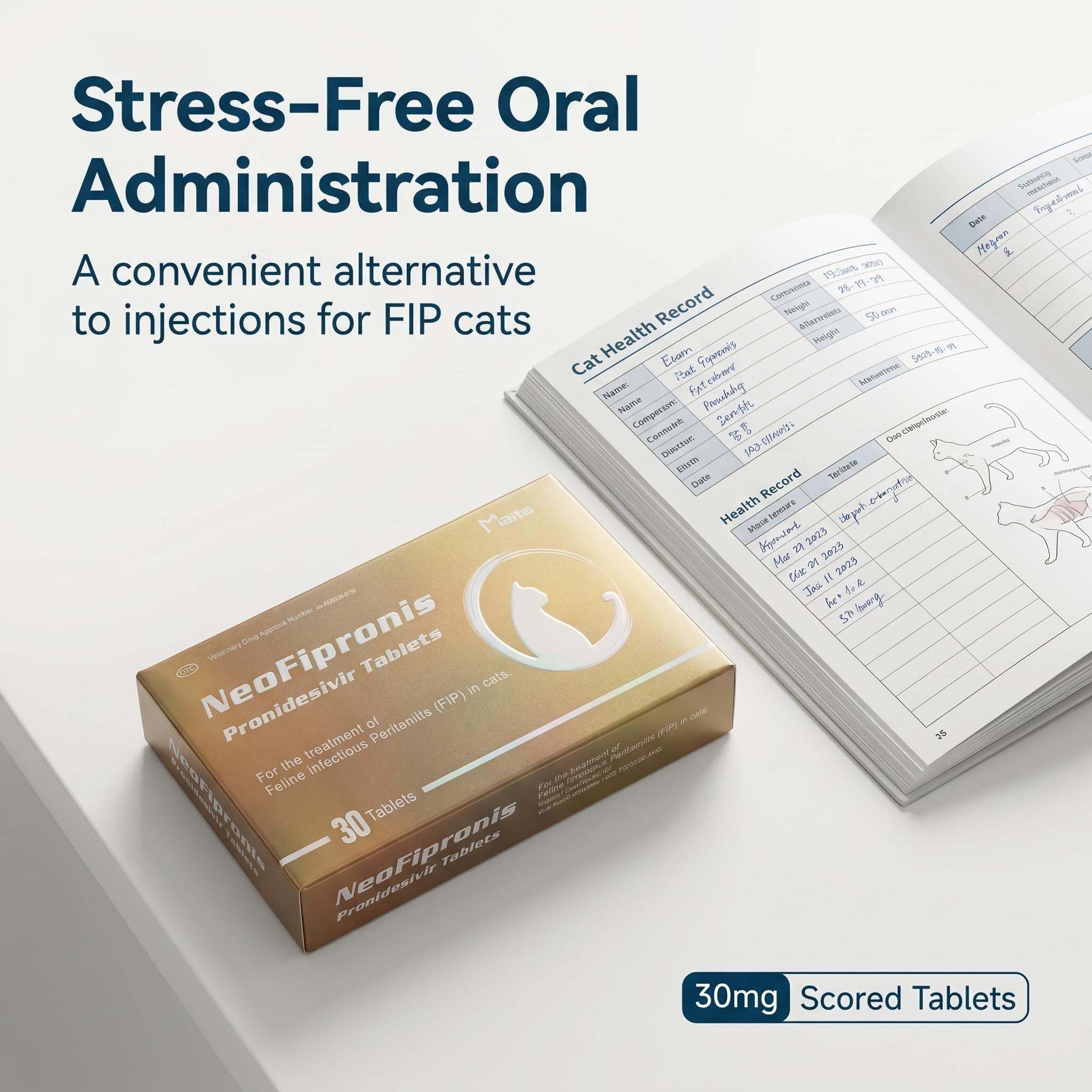
NeoFipronis (Pronidesivir) is an oral FIP medicine for cats that is designed around GS-441524, a well-known antiviral compound used in feline infectious peritonitis care. If you are asking what NeoFipronis looks like, the most important point is that it is typically presented as a cat-friendly oral tablet product, with the exact color, shape, and imprint depending on the official manufacturer batch and packaging.
For cat owners searching for FIP treatment options, NeoFipronis is often discussed because it is intended for cats showing common feline infectious peritonitis signs such as poor appetite, lethargy, fever, ascites, pleural effusion, enlarged lymph nodes, inflammatory granulomas, neurologic problems, and uveitis. In practice, the product is valued for being non-invasive, easy to administer, and suitable for daily oral use under veterinary guidance.
When people want to identify NeoFipronis (Pronidesivir), they usually look at the outer box, bottle, blister, and tablet markings. A legitimate product should come with clear labeling, batch details, dosage information, and sealed packaging. Because appearance can vary by production lot, cat owners should compare the product they receive with the official website or the manufacturer’s published photos before use.
GS-441524 is the active ingredient associated with NeoFipronis, and it has been widely studied for its role in managing FIP in cats. The product is generally described as fast-absorbing, well tolerated, and convenient for long-term use. For many owners, the appeal is not only the oral format, but also the possibility of consistent dosing without injections, which can reduce stress for both the cat and the caregiver.
The usual dosing guidance is based on body weight. A common starting dose is 15 mg per kilogram of body weight, which is described as half a tablet in many product instructions. For neurologic or ocular FIP, veterinarians may recommend a higher dose, often up to 30 mg per kilogram, depending on the cat’s condition and response to treatment. NeoFipronis is typically given once daily, preferably on an empty stomach, such as one hour before food or two hours after eating.
Treatment should not be interrupted. Continuous dosing for at least 12 weeks is commonly recommended, and missed doses should be avoided whenever possible. During therapy, cat owners should monitor appetite, body temperature, energy level, stool quality, and overall behavior. Regular blood tests, along with liver and kidney function checks, are important for tracking recovery and making sure the cat is tolerating treatment well.
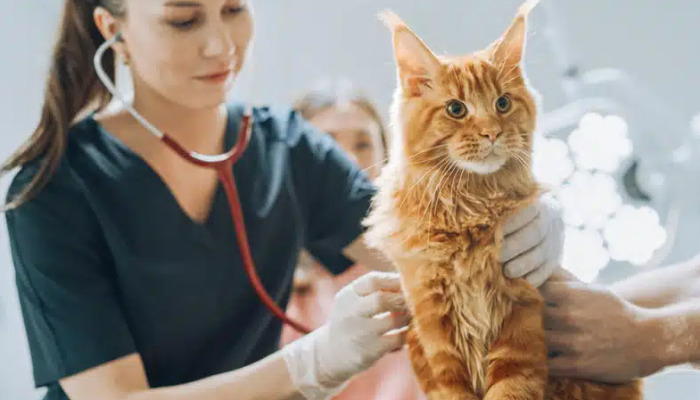
Although NeoFipronis is often described as an over-the-counter cat medicine, veterinary supervision is still strongly recommended. FIP can change quickly, and the correct dose may depend on whether the disease is wet FIP, dry FIP, neurological FIP, or ocular FIP. A veterinarian can help confirm the diagnosis, adjust dosing, and decide whether longer treatment or follow-up observation is needed.
NeoFipronis (Pronidesivir) is for cats only and must never be used in humans. Buyers should use the official NeoFipronis website or authorized channels to help ensure product quality, authenticity, and safe storage. For cat owners comparing FIP medicine options, understanding what NeoFipronis looks like, how it is packaged, and how it is used can make the treatment process clearer and more reliable.