How to Reduce FIP Risk in Cats With Weak Digestion
Feline Infectious Peritonitis (FIP) is a fatal disease in cats, often developing from a mutated form of feline coronavirus (FCoV). Cats with impaired gastrointestinal function are particularly vulnerable due to compromised immune responses and nutrient absorption. This article explores actionable interventions to lower FIP risk, focusing on nutritional management, immune support, hygiene practices, and veterinary care within the context of weak digestive systems.
Understanding FIP and Digestive Vulnerabilities
FIP arises when the harmless feline enteric coronavirus (FECV) undergoes mutations and transforms into a pathogenic strain. Cats with weak digestion are at greater risk, as their systems may struggle with nutrient assimilation and maintenance of proper gut barrier function. Malnutrition and chronic gut inflammation can impair immune defenses, providing the virus a foothold for transformation and propagation.
Immune health is intimately tied to gut wellness. Up to 70% of immune cells reside in the digestive tract. Poor digestion, chronic diarrhea, or gut inflammation diminish mucosal immunity and can disrupt the microbiome balance, weakening a cat’s ability to resist viral mutations and secondary bacterial infections.
Dietary Strategies for Cats With Weak Digestion
Cats with fragile digestive systems need tailored nutritional plans to sustain optimal health and strengthen disease resistance.
High-Quality Protein Sources
Digestible, animal-sourced proteins such as cooked chicken breast, turkey, or rabbit provide readily available amino acids and minimize digestive distress. Avoid raw diets due to infection risk, and steer clear of plant-based proteins, which are less bioavailable and harder on the feline digestive tract.
Small, Frequent Meals
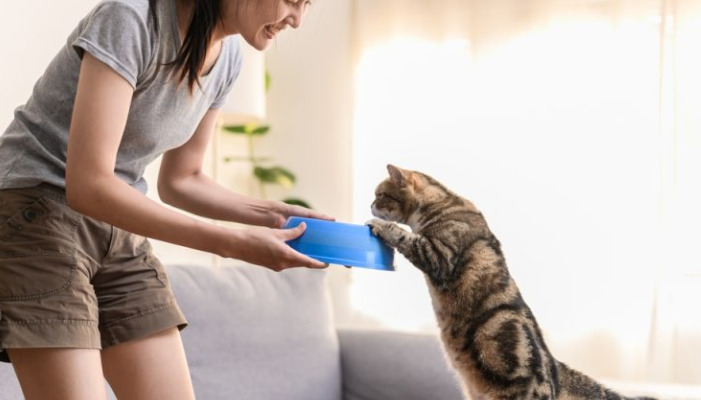
Large meals can overwhelm a weak gut. Offer small portions multiple times daily to keep digestive workload manageable, reducing the likelihood of vomiting and diarrhea.
Fiber for Gut Health
Moderate soluble fibers like pumpkin or psyllium can regulate bowel movements without causing irritation. Excess fiber should be avoided, as it may exacerbate malabsorption and bloating in sensitive cats.
Probiotics and Prebiotics
Supplement the diet with veterinary-formulated probiotics containing Lactobacillus or Enterococcus faecium to restore healthy gut flora. Prebiotics such as inulin or FOS help maintain a nurturing environment for beneficial bacteria.
Hydration and Electrolyte Support
Chronic gastrointestinal upset can lead to dehydration. Offer fresh water at all times, and use electrolyte supplements if recommended by your veterinarian, especially following bouts of diarrhea.
Hygiene and Environmental Management
FECV spreads mainly through fecal-oral transmission, thriving in densely housed environments. Cats with weak digestion are especially susceptible, as disruptions in gut integrity can facilitate viral infection.
Clean Litter Box Practices
Scoop litter boxes at least twice daily and replace litter weekly. Use unscented, dust-free litters to avoid gut irritation and maintain environmental comfort. Sanitizing boxes with bleach solutions eliminates viral residues.
Reduce Multi-Cat Stress
Crowded environments elevate stress levels, suppress immunity, and increase FCoV shedding. Separating cats for feeding, play, and rest lowers the chance of transmission and reduces competitive stress.
Proper Quarantine Protocols
Isolate new arrivals or symptomatic cats for at least two weeks to prevent viral entry. Use designated feeding and play items, and wash hands thoroughly after handling quarantined animals.
Medical Monitoring and Veterinary Support
Weak digestion may mask the early warning signs of underlying FIP, making regular veterinary oversight crucial.
Routine FCoV Testing
Annual FCoV antibody testing enables early detection of high-risk carriers within multi-cat environments. PCR fecal tests can assess active shedding and guide isolation measures.
Vaccination Considerations
There is no universally effective FIP vaccine, and some are contraindicated in immune-compromised cats. Consult your veterinarian before considering any anti-FIP immunization, focusing instead on supporting core vaccines.
Early Intervention
Prompt recognition of FIP symptoms—persistent fever, unexplained weight loss, abdominal swelling, neurological changes—is vital. Cats with weak digestion deteriorate rapidly, so immediate veterinary referral and supportive care can improve outcomes.
Immune Modulation and Stress Reduction
Since compromised digestion impairs immune response, reinforcement strategies may reduce vulnerability.
Supplemental Support
Omega-3 fatty acids from fish oil reduce gut inflammation and fortify systemic immunity. Antioxidant supplements—such as vitamin E and zinc—further enhance resistance to viral infection. Use only vet-approved products at recommended doses.
Minimize Stressors
Environmental changes, loud noises, unfamiliar guests, or continual competition for resources elevate stress hormones that compromise gut integrity and immune function. Stable routines and enrichment activities, including food puzzles and gentle play, help reduce anxiety.
Gentle Handling and Regular Contact
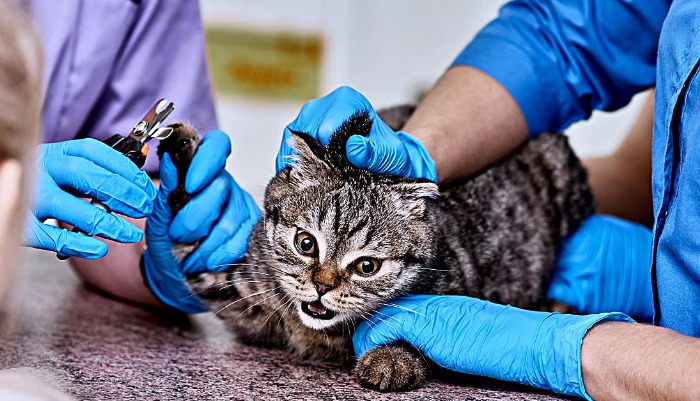
Consistent, gentle human interaction has been shown to lower cortisol levels. Avoid unnecessary restraint or handling under duress, especially during medical procedures.
Advanced Nutritional Therapies
For cats whose digestion is severely weakened by chronic illness, prescription diets may offer enhanced nutrient absorption and immune protection.
Hydrolyzed Protein Diets
These formulas break down proteins into smaller, peptide forms, increasing absorption and minimizing immune reactions. Brands such as Hill’s z/d or Royal Canin Hydrolyzed are commonly prescribed.
Novel Proteins
Introduce novel protein sources such as venison or duck for cats with food sensitivities. These proteins are less likely to provoke immune-mediated gut inflammation and may be easier to digest.
Prescription Digestive Enzyme Products
Digestive enzyme supplements assist the breakdown and assimilation of nutrients, reducing diarrheal episodes and improving general wellness. Veterinary prescription products are preferred over unregulated human supplements.
Fecal Microbiota Transplant (FMT) and Emerging Therapies
Recent research shows promise in rebalancing disrupted feline gut microbiomes using fecal microbiota transplant (FMT) techniques, borrowed from human medicine. In severe cases, FMT may restore beneficial bacteria and improve both digestive and immune system function. These interventions remain experimental, available only through clinical trials and specialist referral.
Managing FIP Risk in Shelter and Multi-Cat Environments
Shelters and catteries face unique FIP challenges, especially in groups where weak digestion is prevalent. Strategic population management, rapid isolation of symptomatic cats, strict hygiene protocols, and focused nutritional interventions are paramount. Familiarity with individual digestive needs, along with close veterinary partnerships, can dramatically reduce FIP outbreaks.
Understanding Genetic Factors and Breeding Practices
Genetic susceptibility plays a role in both digestive weaknesses and FIP risk. Purebred lines such as Abyssinians, Bengals, and Birmans show higher FIP prevalence, partly due to genetic factors influencing immune response and gut health.
Ethical breeders should prioritize robust digestive and immune health when planning mating pairs, avoiding lines with recurrent gastrointestinal or FIP history. Outcrossing and maintaining genetic diversity help lower risk over time.
Home Care for High-Risk Cats
Cats with chronic digestive issues require vigilant daily care to prevent illness escalation and FIP development.
Symptom Journaling
Track bowel habits, appetite, activity level, water intake, and weight fluctuations. Subtle changes can indicate declining digestive or immune health, prompting faster veterinary intervention.
Frequent Bedding Changes and Environmental Cleanliness
Change bedding and sanitize food and water bowls frequently. Viruses can linger on surfaces, and cats with weak digestion may ingest contaminant residues more easily.
Owner Hygiene
Handwashing after contact with litter or vomit, and the use of disposable gloves during cleaning, protect both humans and vulnerable pets.
Long-Term Outlook and Research Directions
Ongoing studies into FIP prevention, gut microbiome manipulation, and novel antiviral therapies offer hope for improved outcomes. Owners of cats with weak digestion should stay abreast of veterinary advances and engage in regular communication with feline specialists.
Commitment to nutrition, monitoring, and environmental cleanliness, coupled with strategic veterinary oversight, remains the cornerstone of FIP risk reduction for digestive-compromised cats.
References
1. Pedersen, N. C. (2009). A review of feline infectious peritonitis virus infection: 1963–2008. Journal of Feline Medicine and Surgery, 11(4), 225-258.
2. Addie, D. D., et al. (2023). Feline coronavirus and FIP: Updates on pathogenesis, diagnosis and management. Journal of Feline Medicine and Surgery, 25(1), 4-19.
3. Sparkes, A. H., et al. (2016). ISFM Consensus Guidelines on Practical Nutritional Management of Cats. Journal of Feline Medicine and Surgery, 18(8), 579–593.
4. Dye, C., & Siddell, S. G. (2007). Feline coronavirus—An emerging threat. Veterinary Microbiology, 123(3-4), 202–210.
5. Amer, A., et al. (2022). Fecal Microbiota Transplantation in Felines: Potential and pitfalls. Veterinary Record, 191(9), e1368.
6. Little, S. (2024). The Cat: Clinical Medicine and Management. Elsevier.
7. Hartmann, K. (2005). Feline infectious peritonitis. Veterinary Clinics: Small Animal Practice, 35(1), 39–79.
8. Young, W., et al. (2012). The influence of nutrition on risk for infectious disease in cats. Veterinary Parasitology, 188(1-2), 72–77.
9. Sykes, J. E. (2023). Canine and Feline Infectious Diseases. Saunders.
10. Morris, J. G. (2020). Digestive Disorders in Cats: Advances and Challenges. Veterinary Clinics: Small Animal Practice, 50(1), 151-174.