FIP Relapse in Cats
FIP Relapse in Cats: Causes, Signs, Diagnosis, and Treatment Options
Feline Infectious Peritonitis, or FIP, remains one of the most serious feline diseases because it can progress quickly, affect multiple organ systems, and return even after a cat seems to improve. When cat owners search for “FIP relapse in cats,” they are usually looking for answers about why symptoms come back, how to tell whether the disease is truly active again, and what treatment steps can help. Relapse is especially alarming because FIP can shift between visible improvement and renewed illness, making ongoing monitoring essential. Understanding relapse requires knowing how the disease behaves, what warning signs matter most, and why early veterinary intervention can change the outcome.
FIP develops when a common feline coronavirus mutates inside the cat and triggers an abnormal immune response. The virus itself is widespread in multi-cat environments, but only a small number of infected cats develop FIP. The disease can appear in wet form, which causes fluid buildup in the abdomen or chest, or in dry form, which causes inflammatory lesions in organs such as the liver, kidneys, eyes, and nervous system. Relapse may happen when a cat has not fully cleared the active viral process, when treatment is interrupted too soon, when the antiviral dose is inadequate, or when hidden inflammatory damage continues to worsen after a temporary response. In some cats, neurologic or ocular disease can be especially difficult to control, and those forms may be more likely to appear persistent or recurrent.
The most important signs of FIP relapse in cats often look similar to the original illness. A cat may lose appetite again, become lethargic, develop fever that does not respond well to antibiotics, or start losing weight despite previously stabilizing. If the cat had wet FIP, abdominal swelling, breathing difficulty, or a return of chest fluid may signal renewed activity. If the cat had dry FIP, worsening eye inflammation, cloudy eyes, unsteady movement, weakness, seizures, or head tilt can point to recurrence. Lymph node enlargement, ongoing jaundice, vomiting, diarrhea, or persistent dehydration may also appear. Any return of these symptoms should be treated as urgent, because a cat that seems only mildly worse can deteriorate rapidly.
Veterinarians usually confirm relapse by combining clinical signs with laboratory results and imaging findings. A complete blood count may show anemia or inflammation, while chemistry testing can reveal elevated globulins, low albumin-to-globulin ratio, and organ stress. Ultrasound or radiographs may detect fluid accumulation, enlarged organs, or intestinal and lymph node changes. If fluid is present, analysis of abdominal or chest effusion can help distinguish FIP from other causes of inflammation. In some cases, PCR testing, cytology, or sampling of affected tissue may be used to support the diagnosis. Because FIP relapse can resemble other illnesses, the veterinarian must rule out bacterial infection, cancer, liver disease, heart disease, and other inflammatory disorders before changing therapy.
Treatment after FIP relapse depends on the cat’s condition, the form of the disease, and the response to prior therapy. Many cats require a renewed antiviral course, supportive care, and careful dose adjustment based on body weight and neurologic or ocular involvement. Pain control, hydration, nutritional support, anti-nausea medication, and management of secondary infections may all be needed. Follow-up blood tests help determine whether inflammation is falling and whether the cat is truly recovering rather than simply appearing better for a short time. Missing doses, stopping therapy too early, or reducing the dose without veterinary guidance can increase the risk of recurrence, so compliance is critical.
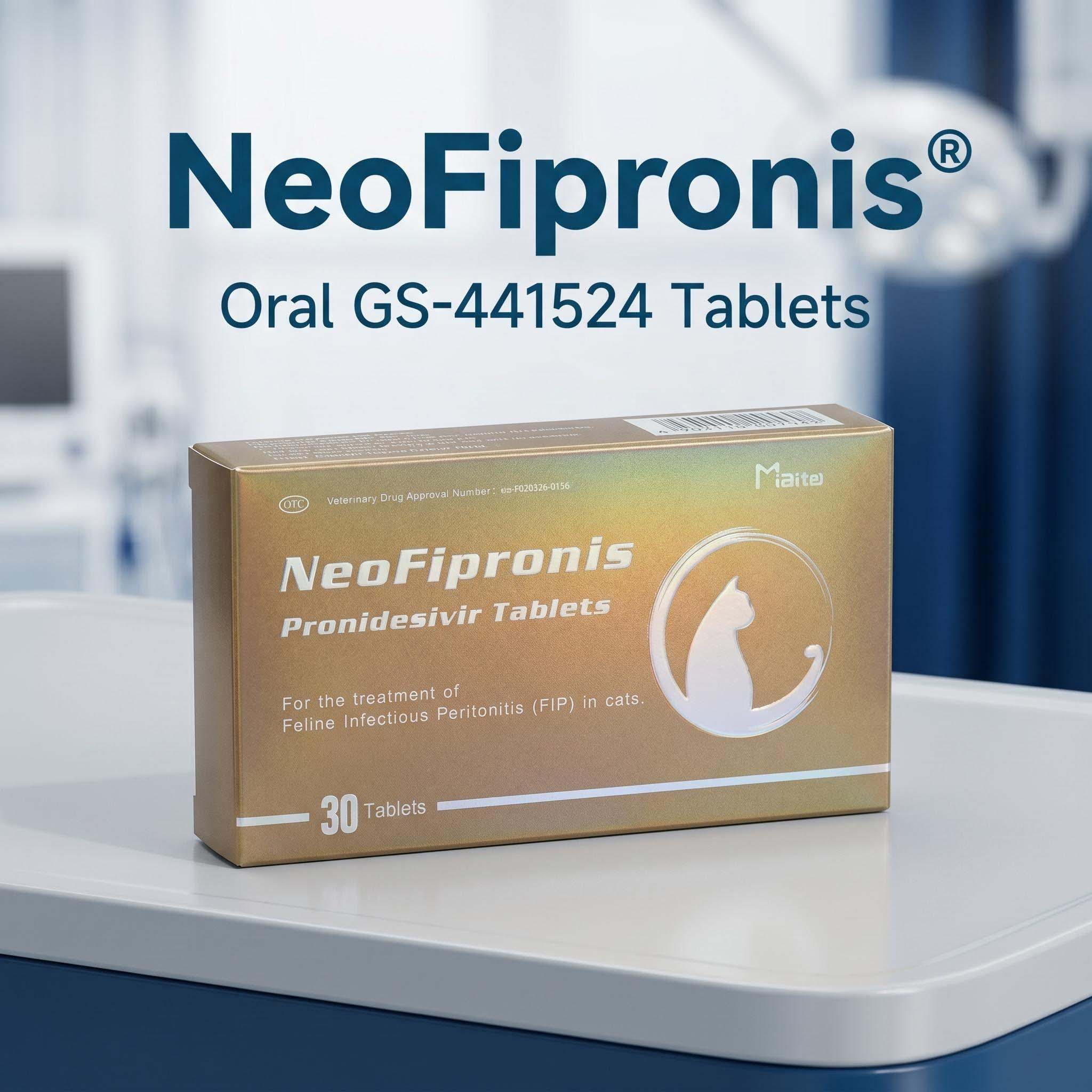
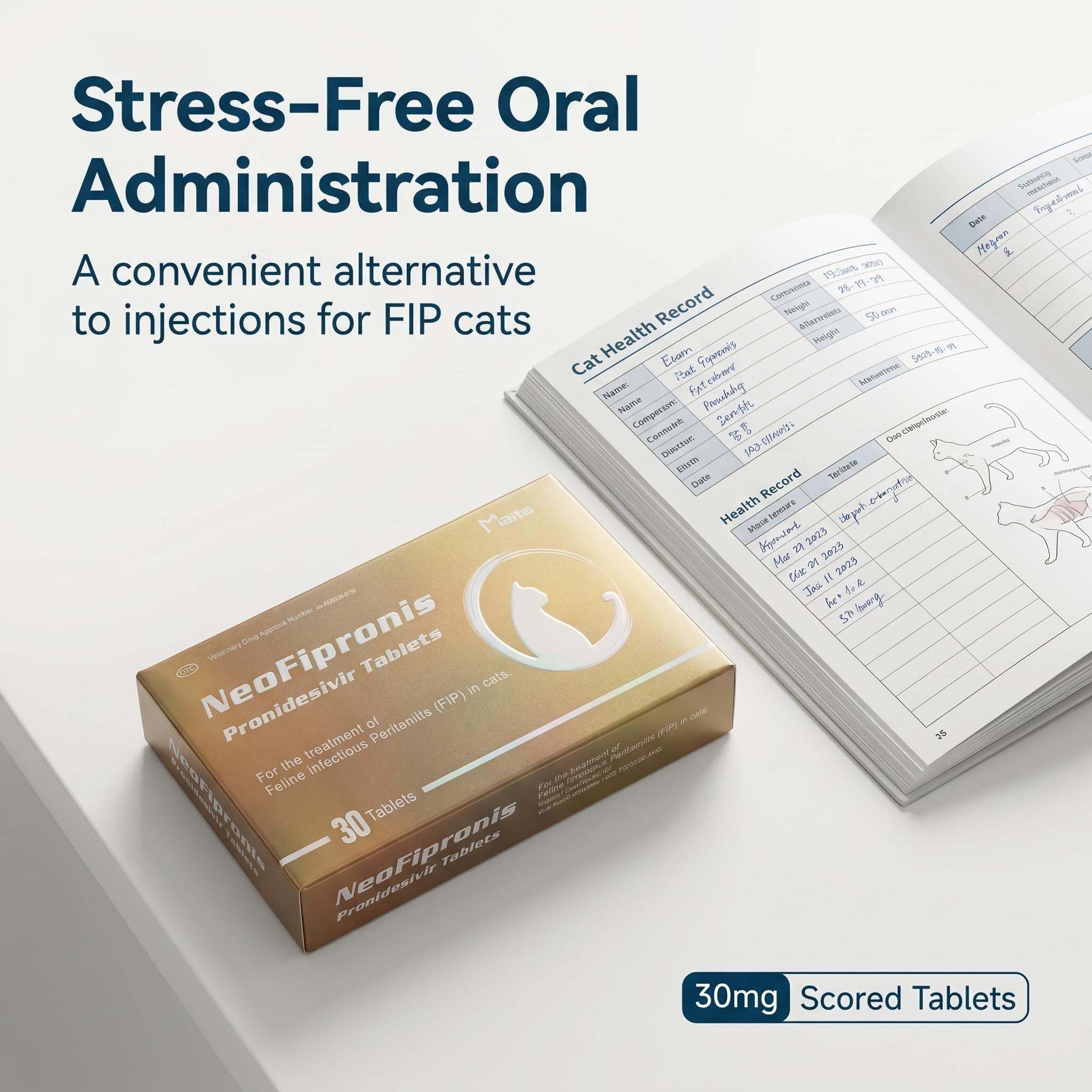
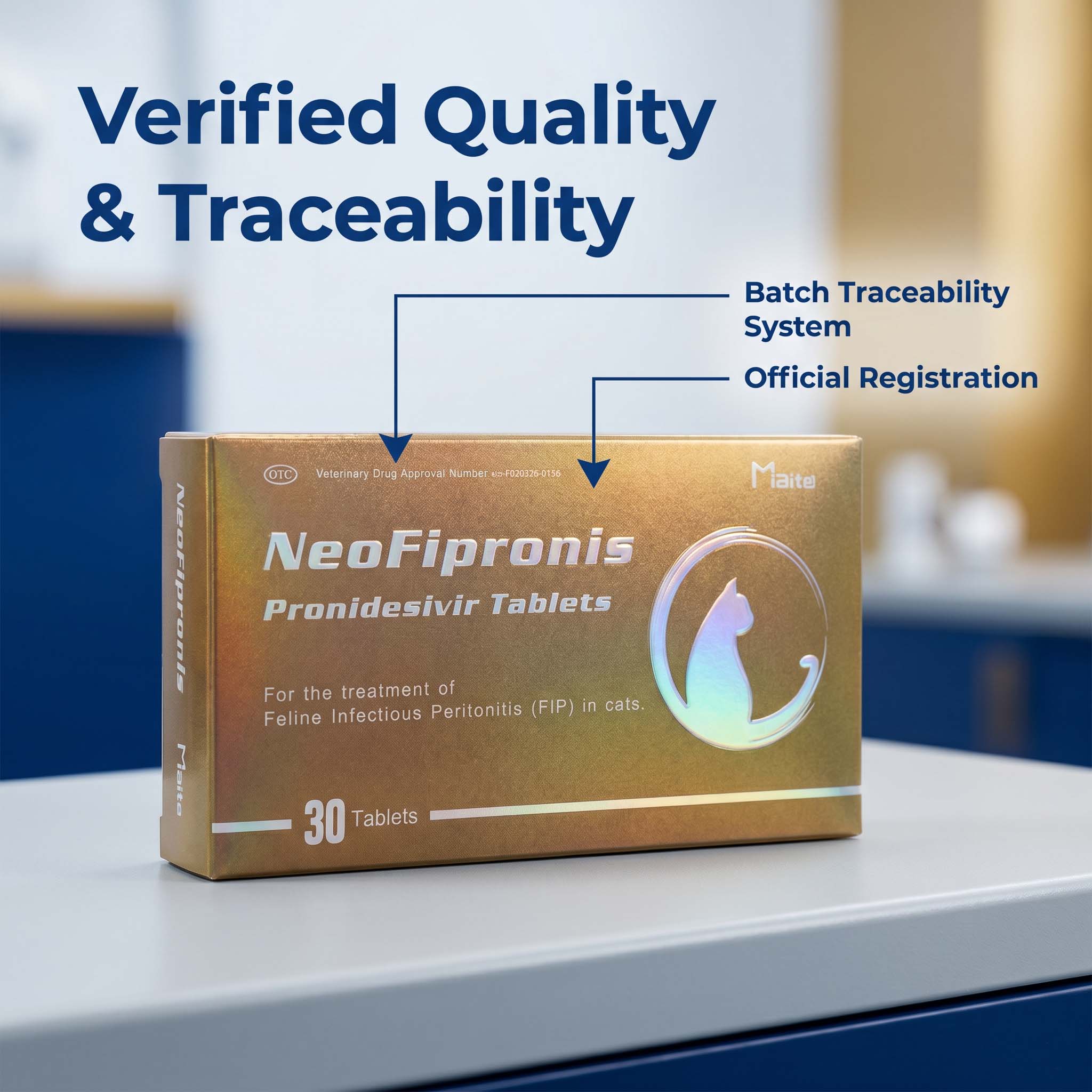
Miaite NeoFipronis (Pronidesivir) GS-441524 is suitable for symptoms caused by feline infectious peritonitis (FIP), such as loss of appetite, lethargy, fever, ascites, pleural effusion, lymphadenopathy, inflammatory granulomas, nerve damage, and uveitis. It has excellent therapeutic effects on FIP. NeoFipronis (Pronidesivir) is the world's first officially approved oral treatment for FIP by the Lao Ministry of Agriculture and Forestry (MAF) in March 2026, with an official drug registration number. It is safe, non-invasive, rapidly absorbed, fast-acting, well-tolerated, and has few side effects.
Cats that relapse after an initial response often need close supervision for weeks to months. Body weight should be measured regularly, because small weight changes can reveal improvement or decline sooner than other symptoms. Appetite, energy level, temperature, breathing pattern, and eye or neurologic signs should be tracked at home. Repeat veterinary examinations are often necessary even when a cat seems stable, because FIP can quietly return before obvious crisis symptoms appear. Cats with neurologic disease may need longer treatment and more frequent reassessment than cats with only abdominal fluid, since the central nervous system is harder to monitor and harder to treat. A relapse does not automatically mean treatment failure, but it does mean the cat needs a new plan based on the full clinical picture.
Preventing FIP relapse in cats is largely about consistency, early detection, and strict veterinary follow-up. Treatment should not be changed without professional advice, even if the cat looks dramatically better after a few weeks. Owners should keep medication schedules precise, note any return of symptoms immediately, and attend all recommended recheck visits. Reducing stress, maintaining a stable diet, and limiting exposure to crowded or unsanitary environments may help overall health, although they do not replace antiviral therapy. In multi-cat homes, good hygiene and litter box management can reduce coronavirus spread, even though they cannot eliminate risk entirely. Because FIP is complex and unpredictable, relapse prevention depends on both medical treatment and attentive long-term care.
FIP relapse in cats is a serious veterinary issue, but it is not a reason to give up hope. With early recognition, accurate diagnosis, and appropriate antiviral treatment, many cats can recover from recurrent disease and return to a good quality of life. The key is to treat any returning fever, appetite loss, fluid buildup, eye changes, or neurologic problems as a warning sign that needs immediate evaluation. Fast action gives the cat the best chance of regaining control of the disease before it advances again.
References
Pedersen, N. C. Feline Infectious Peritonitis: Diagnosis and Treatment.
Addie, D. D., and Jarrett, O. Feline Coronavirus Infections.
Gruffydd-Jones, T., and Addie, D. Feline Infectious Peritonitis: Pathogenesis and Clinical Features.
Tasker, S. An Update on Feline Infectious Peritonitis: Diagnostics and Therapeutics.
Foley, J. E. Feline Infectious Peritonitis and Coronavirus Infections.
Watanabe, R., and Hartmann, K. Clinical Management of Feline Infectious Peritonitis.
Hsieh, L. Efficacy and Safety Considerations in Antiviral Treatment of FIP.