How Has FIP Treatment Changed in Recent Years
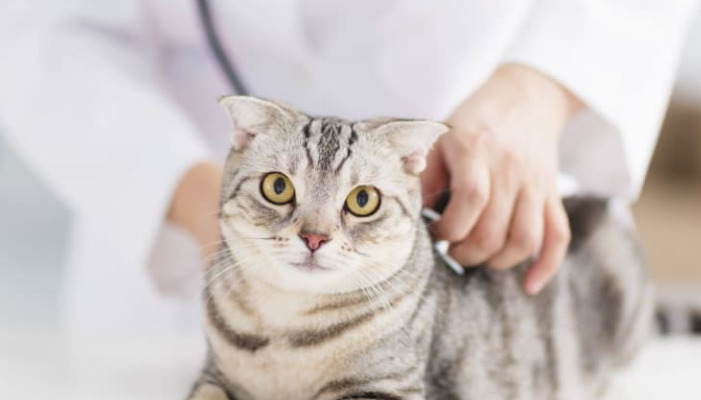
Feline Infectious Peritonitis (FIP) is a devastating and historically fatal disease affecting domestic cats, triggered by a mutant strain of feline coronavirus. For decades, a diagnosis of FIP meant a poor prognosis, leaving veterinarians and cat owners with limited options and heartbreakingly short survival times. However, the past few years have brought remarkable advances in understanding, diagnosing, and treating FIP. Modern approaches now offer hope to thousands of cats and their families, transforming FIP from a virtually untreatable condition to one that, in some cases, can be managed or even cured.
Understanding FIP: Brief Background
FIP arises when feline enteric coronavirus (FECV), typically a benign virus, mutates inside a cat’s body into FIPV (feline infectious peritonitis virus), gaining the ability to multiply in white blood cells. This mutation results in a severe immune response, causing either the ubiquitous “wet” form (effusive, characterized by fluid buildup in the abdomen or chest) or “dry” form (non-effusive, with granulomas in organs).
Historically, FIP diagnosis relied on clinical signs and exclusion of other diseases, with confirmatory testing being often inconclusive. Treatment meant symptom management, supportive care, and palliative measures, while death was nearly certain, typically within weeks to months after onset.
Breakthroughs in FIP Treatment: Antiviral Therapies
The last half-decade brought dramatic change, thanks to antiviral therapies emerging from both scientific research and grassroots efforts among cat owners and veterinarians. Two drugs—GS-441524 and the related remdesivir—are at the forefront of these advances.
GS-441524: Changing the Paradigm
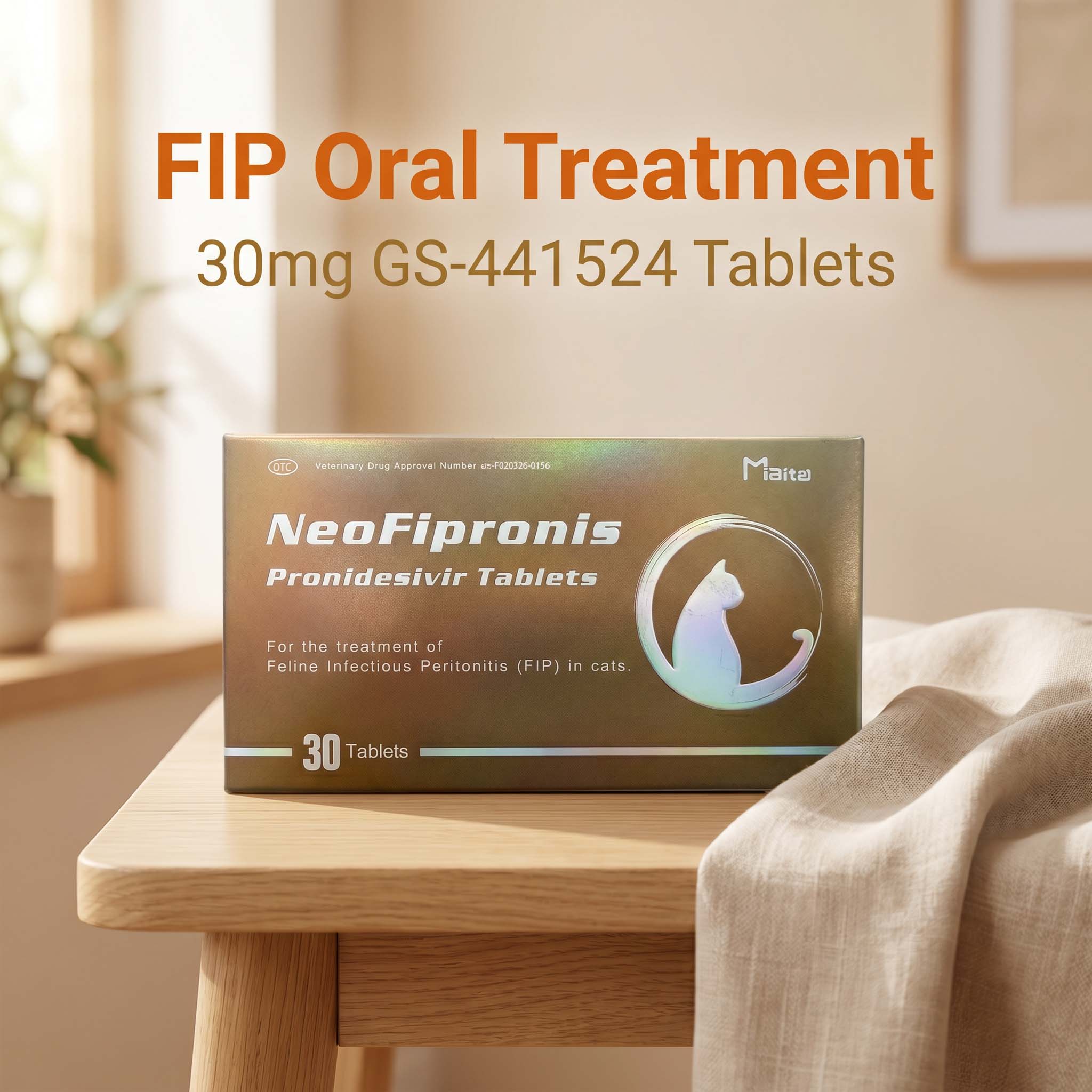
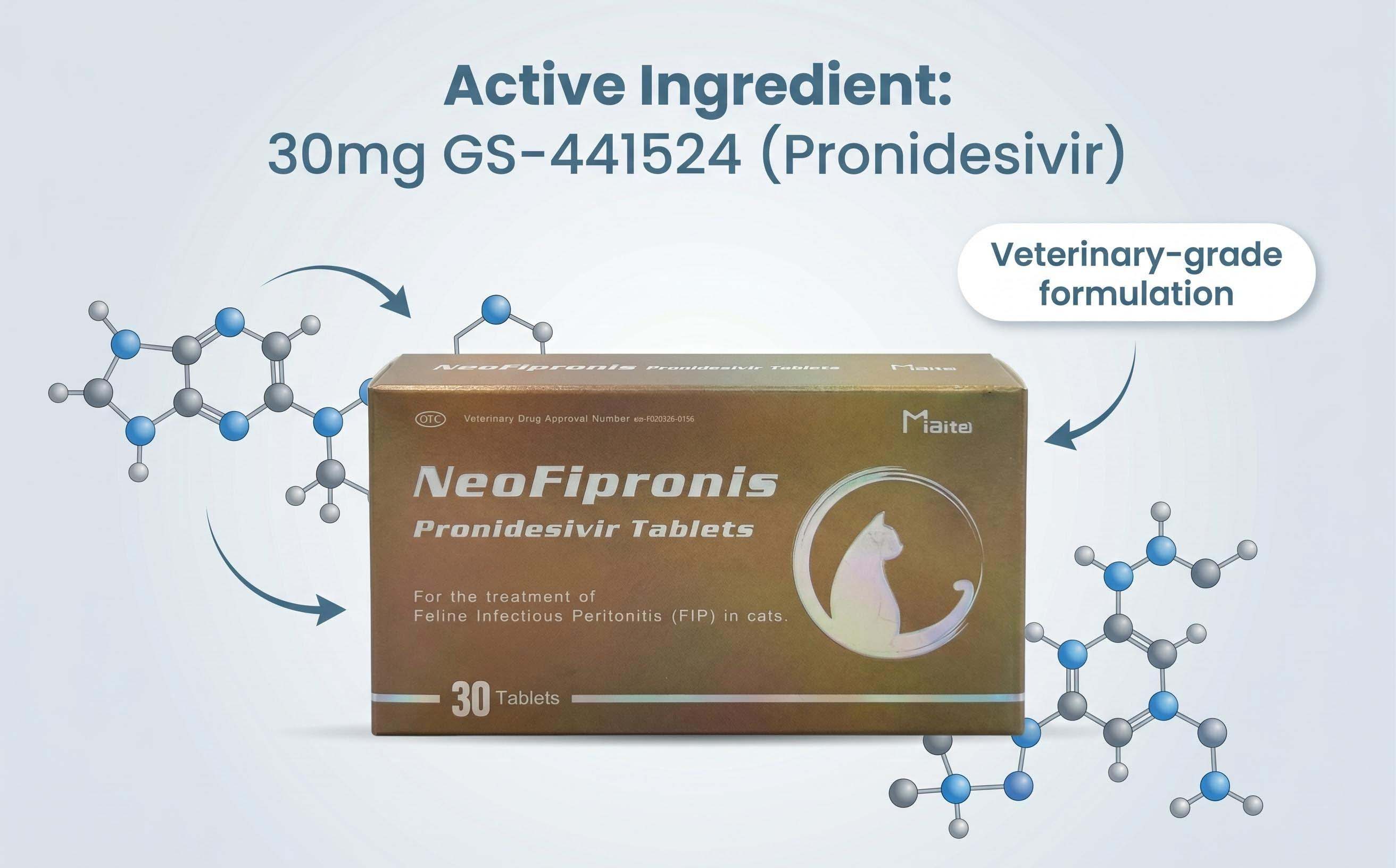
GS-441524, a nucleoside analog, inhibits the replication of FIPV. Pioneering studies in 2019, led by Dr. Niels Pedersen and colleagues at UC Davis, demonstrated that oral and injectable GS-441524 could induce clinical remission in most cats with FIP, even those with neurological involvement or ocular signs. The studies showed promising safety and efficacy, with survival rates far exceeding anything previously possible.
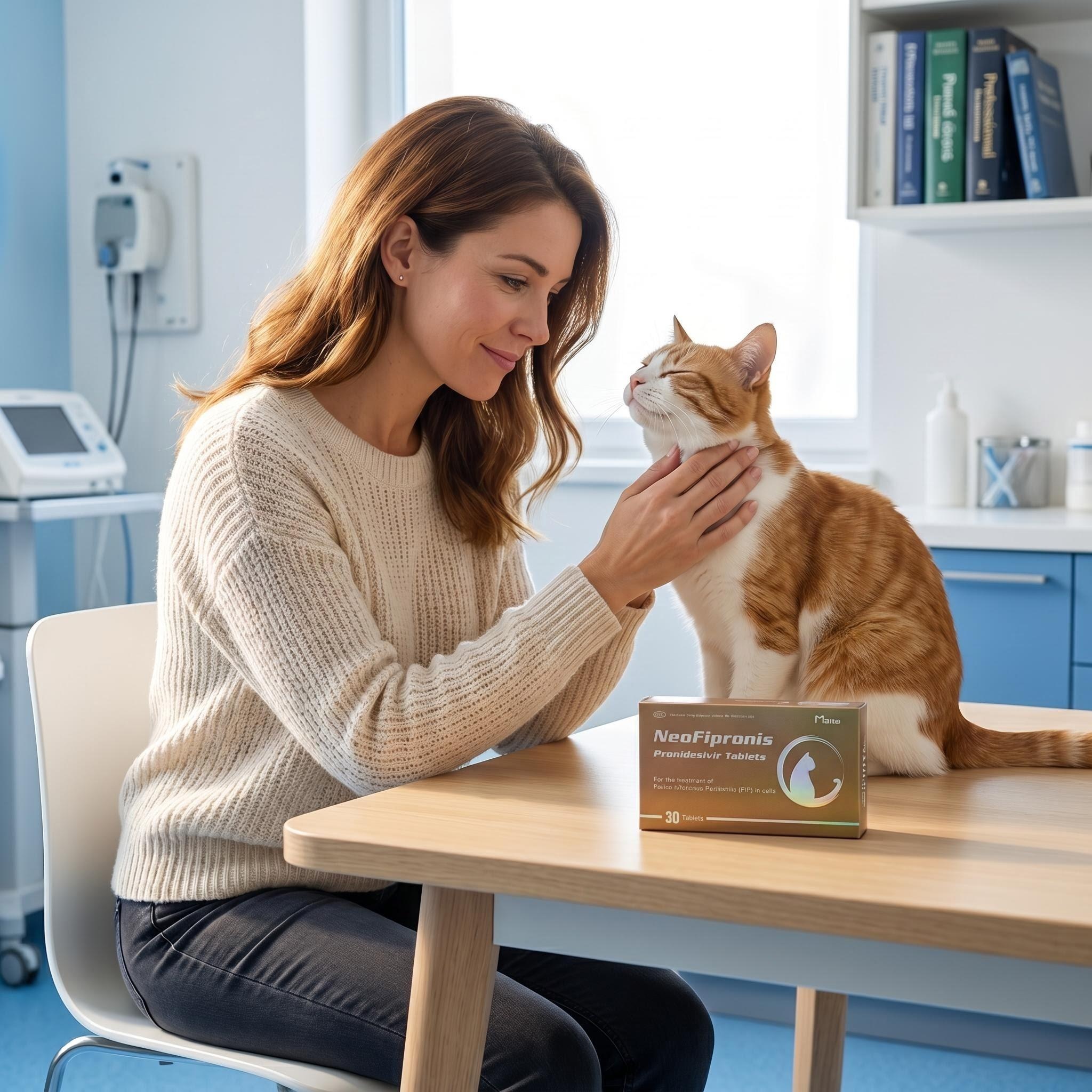
While GS-441524 is not currently FDA approved and suffers regulation hurdles in many countries, it became accessible through various unofficial channels. Owners now seek GS-441524 either as compounded “black market” pills or via veterinary importation in countries with legalized protocols. The widespread anecdotal and research-backed success of GS-441524 has shifted perceptions around FIP, leading to an international demand for legal treatment pathways.
Remdesivir: From Human Medicine to Feline Clinics
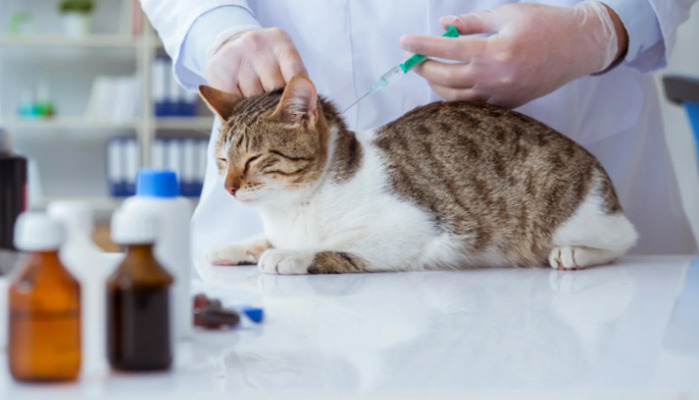
Remdesivir, originally developed for Ebola and later used for COVID-19 in humans, is a prodrug that metabolizes into GS-441524 in the body. Approved veterinary formulations are now available in several countries, and remdesivir is increasingly administered intravenously or subcutaneously for cats unable to tolerate oral medication.
Recent clinical reports indicate that remdesivir shares the efficacy profile of GS-441524, especially when used for severe, acute cases, neurological FIP, or for cats transitioning from injectable to oral therapy.
Regulatory and Access Challenges
Despite overwhelming anecdotal and scientific evidence supporting these antivirals, regulatory restrictions remain significant in the United States and much of the world. The lack of FDA approval for GS-441524 has resulted in cat owners sourcing drugs from unofficial suppliers. While this practice has saved thousands, it presents risks regarding drug quality, consistency, and legal liabilities.
In countries like Australia, the UK, and Hong Kong, ongoing efforts advocate for regulatory approval, with some veterinarians permitted to import and compound the drugs legally. The growing global recognition of FIP treatment necessity is slowly shifting regulatory stances, though progress is uneven.
Improvements in Diagnosis
Diagnosis is another area of notable progress. Polymerase chain reaction (PCR) techniques have become more sensitive, allowing detection of FIPV RNA in effusions and tissue samples. Development of specific immunohistochemistry assays has increased confidence in distinguishing FIP from other diseases. The advent of better laboratory techniques helps to ensure that cats with treatable FIP are identified earlier, increasing their chance of recovery with antiviral treatment.
Adjunctive and Supportive Therapies
While antivirals dominate today’s regimen, supportive care remains critical. Nutritional support, management of effusion, corticosteroids, immunosuppressive drugs, and broad-spectrum antibiotics may still be indicated, depending on individual case severity and concurrent infections.
Recent protocols emphasize minimizing immunosuppressive therapies, as these may interfere with the immune system’s ability to clear FIPV once antiviral therapy starts. Instead, care teams now focus on symptomatic support—hydration, pain relief, and nutritional maintenance—alongside aggressive antiviral intervention.
Emerging Immunotherapies
Though not as transformative as antivirals, immunomodulatory treatments continue to attract research attention. Polyprenyl immunostimulant (PI), approved for dry FIP in certain countries, shows benefit for some cats by enhancing cellular immune responses. Nevertheless, its impact is limited compared to nucleoside analogs and is best considered as adjunct therapy or for cases where antivirals are inaccessible.
Prognosis and Long-Term Outcomes
Survival rates have improved dramatically, with many cats living months to years post-treatment, especially when therapy is started early. Studies show that cats achieving remission with GS-441524 or remdesivir rarely relapse, and long-term follow-up indicates good quality of life for survivors.
Cats with neurological FIP, previously considered untreatable, now show robust response to higher doses and longer courses of antiviral therapy. Ocular involvement is similarly no longer a contraindication for intervention.
Financial and Emotional Impacts
FIP treatment remains expensive and often emotionally taxing for owners. Black market GS-441524, compounding, and import fees drive costs into several thousand dollars per course, with ongoing monitoring and vet visits adding to the expense. Many advocacy groups and nonprofit organizations now support owners in navigating these hurdles, providing financial assistance, education, and community support.
Latest Research Directions
Work continues on improving FIP medications, exploring combination therapies, dosing protocols, and resistance management. Pharmaceutical companies seek FDA approval for GS-441524-based drugs, aiming to establish a safe, legal supply chain. Additionally, vaccine research is underway, though efficacy remains elusive due to the unique biology of feline coronaviruses.
Veterinary colleges and research institutes are launching multi-institutional trials to track long-term outcomes, resistance patterns, and optimal intervention windows. Collaboration between scientists, veterinarians, and industry is driving innovation and moving FIP therapy from experimental to standardized.
Role of Veterinarians and Owner Education
Effective FIP intervention hinges on rapid diagnosis and treatment initiation. Veterinary education programs now emphasize FIP awareness, equipping clinicians to recognize atypical signs and swiftly recommend antiviral management. Owner education is equally vital; online support groups, social media, and nonprofit organizations disseminate information about symptoms, new treatments, and success stories.
Ethical Considerations
The rise of unregulated drug sources, cross-border medication procurement, and variable quality control pose ethical dilemmas. Veterinarians face pressure to balance legal compliance with the imperative to save lives, while owners grapple with emotional and financial costs. Professional veterinary organizations continue to lobby for regulatorily sound, safe treatment options to address these concerns.
Impact on Shelter and Rescue Cats
FIP has long posed exceptional challenges for shelters and rescues, where crowding and stress contribute to high coronavirus transmission rates. The introduction of antiviral therapies is changing shelter medicine, with some facilities able to treat shelter cats and facilitate adoptions for previously untreatable FIP cases. The financial realities are daunting, but broader community engagement and fundraising efforts are expanding access.
Preventative Strategies
While no vaccine currently offers robust protection, preventative strategies now focus on controlling coronavirus transmission. Enhanced hygiene, cohort separation, and rapid isolation of symptomatic cats are increasingly widespread. Genetic studies are underway to identify cats at elevated risk due to hereditary factors, providing new hopes for future prevention.
Conclusion
FIP treatment has evolved from a palliative approach to active management and realistic hope for recovery. These changes reflect a convergence of scientific innovation, grassroots advocacy, and shifting regulatory landscapes. Thousands of cats are now living healthy lives post-FIP, where once none survived. The challenge ahead lies in expanding access, driving official approval, and continuing research to defeat FIP globally.
References
Pedersen, N.C., et al. "Efficacy and Safety of the Nucleoside Analog GS-441524 for Treatment of Feline Infectious Peritonitis." Journal of Feline Medicine and Surgery.
Dickinson, P.J., et al. “Treatment of Feline Infectious Peritonitis with a Combination of Remdesivir and GS-441524.” Journal of Veterinary Internal Medicine.
Felten, S., et al. "Diagnosis of Feline Infectious Peritonitis: A Review of New and Current Methods." Veterinary Clinical Pathology.
Hartmann, K. "Feline Infectious Peritonitis: Update on Pathogenesis, Diagnosis, and Treatment." Veterinary Journal.
Addie, D.D., et al. "Feline Coronavirus Infections: Cats with FIP and Beyond." Veterinary Microbiology.
Legendre, A.M., et al. "Polyprenyl Immunostimulant in Cats with Feline Infectious Peritonitis." Journal of Feline Medicine and Surgery.
Dye, C., et al. "FIP in Shelter Cats: Implications and Emerging Therapies." Shelter Medicine Journal.
Vennema, H., et al. "Genetic and Immunologic Factors in FIP Susceptibility." Feline Infectious Diseases.