How to Maintain a Healthy Mindset During FIP Treatment
Introduction
Feline Infectious Peritonitis (FIP) can be a terrifying diagnosis for cat owners. It is a serious, almost always fatal viral disease affecting cats, caused by a mutation of the feline coronavirus. Over recent years, promising new treatments have emerged, giving hope to families, but the challenge of caring for a cat undergoing FIP treatment extends beyond medical intervention. Maintaining a healthy mindset throughout this journey is crucial for both the cat’s well-being and the caregiver’s own mental health. This article explores practical and evidence-based approaches to foster emotional resilience, stay informed, and support your cat with compassion.
Understanding FIP and Its Emotional Toll
When you hear the words “your cat has FIP,” panic, confusion, and grief often follow. The unpredictable nature of the disease, its invasive symptoms (such as fluid accumulation, fever, weight loss, and neurological signs), and the intense treatment regimen can weigh heavily on any pet parent. Accepting these emotions as natural is the first step; denying worry or sadness usually amplifies stress and can make the treatment process feel even lonelier.
Cat owners are often thrust into the role of nurse, advocate, and emotional anchor for their pets. The deep bond you share with your cat can amplify distress, particularly during periods of uncertainty or setbacks. Practicing self-compassion is essential—recognize you are doing your best with the resources you have, and that moments of overwhelm do not signify failure.
Building a Support Network
One of the most valuable assets during FIP treatment is a strong support network. This can include veterinarians with FIP experience, online communities (such as FIP Warriors and other social media groups), family, and friends. Engaging with others who understand the journey provides comfort, helps process grief, and empowers you to advocate for your cat. Medical teams can clarify treatment options and provide up-to-date information, while online networks offer shared experiences, troubleshooting, and moral support.
It’s also beneficial to designate at least one person in your personal circle as your “go-to.” This could be someone you trust to listen without judgment, help with daily tasks, or simply share moments of joy or sadness. Do not hesitate to ask for help; spreading responsibility can avert caregiver burnout and create space for emotional recovery.
Educating Yourself About FIP and Treatment
Knowledge reduces uncertainty. Dedicating time to research reliable sources improves your understanding of the disease and empowers you to make informed decisions. Websites of veterinary medical associations (such as the American Association of Feline Practitioners) and academic journals offer peer-reviewed articles. Many FIP resources now provide clear, updated summaries of treatment protocols, expected outcomes, and possible side effects.
Be mindful of misinformation. Since FIP treatment has evolved rapidly, outdated or incorrect advice proliferates online. Rely on sources recommended by your veterinarian and avoid unverified miracle cures. Make a habit of writing down questions before appointments; clear communication prevents misunderstandings and ensures you leave every visit feeling confident in the treatment plan.
Managing Daily Stress and Anxiety
Caring for a sick cat is emotionally taxing, especially when managing complex medication schedules, frequent vet appointments, and the financial burden of treatment. Introducing stress management strategies is essential. Break days into smaller goals, celebrate every milestone (no matter how small), and track your cat’s progress in a dedicated journal. Routine can be a stabilizing force, providing structure and predictability where chaos might otherwise reign.
Mindfulness practices—such as deep breathing, short guided meditations, or even seated exercises with your cat nearby—help anchor you in the present. These techniques are shown to lower anxiety and build resilience, making challenges more manageable. Remember, tending to your own mental health is not selfish; a calm, emotionally balanced caregiver is better able to make decisions and provide compassionate care.
If anxiety becomes unmanageable, consider consulting with a mental health provider. Therapy or support groups tailored for pet loss or veterinary caregivers are now available online and in-person. Seeking help early can prevent feelings of isolation and offer practical tools for your mental well-being.
Creating a Healing Environment for Your Cat
The physical space you create for your cat can play a substantial role in treatment success while supporting a healthy mindset. Keep your cat’s area peaceful and free from loud noises or frequent interruptions. Comfortable bedding, access to fresh water, and favorite toys provide a sense of safety. Many cats feel apprehensive about medication or vet visits; minimize stress by sticking to gentle, consistent routines, and always reward your cat with treats or affection after procedures.
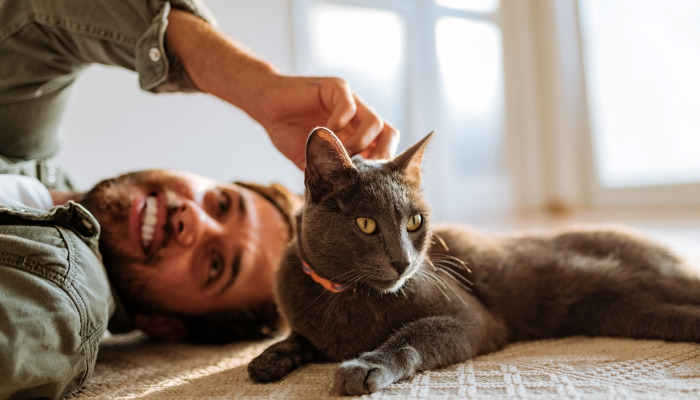
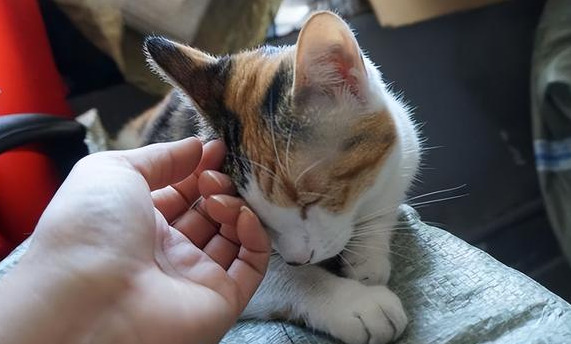
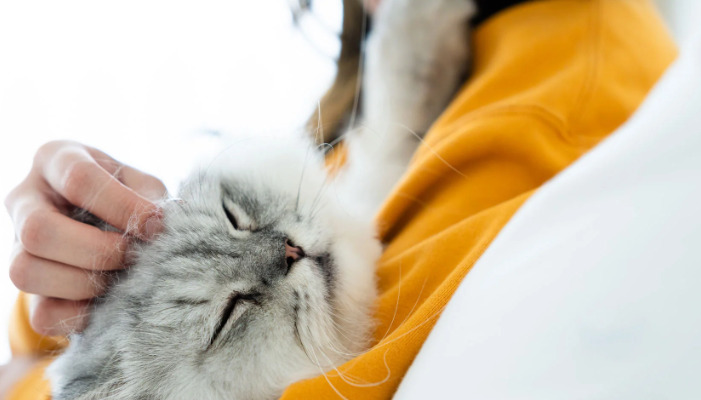
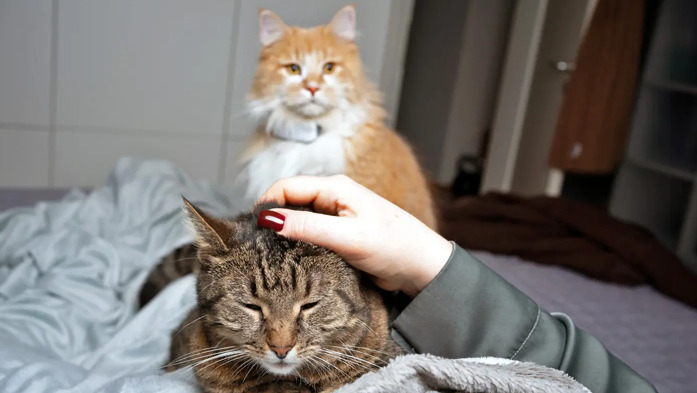
You can enhance the bond you share by engaging in simple, calming activities together such as gentle petting, quiet reflection, or reading aloud. These moments can lower human and feline stress hormones simultaneously. Your cat is attuned to your emotional state—modeling calmness and positivity helps your pet feel secure even during the most challenging times.
Navigating Uncertainty and Outcome Expectations
All FIP cases involve uncertainty, even with the development of antiviral drugs and improved survival rates. It’s normal to oscillate between hope and worry. Setting realistic expectations with your veterinarian can help. Discuss questions about prognosis, monitoring, and possible complications without fear; information is empowering, not discouraging.
It’s helpful to keep your focus on moments of progress rather than hypothetical worst scenarios. Some cats respond quickly, others need more time and adjustment. Celebrate every good day—each uptick in appetite, playfulness, or comfort signifies victory over despair. Document your journey with photos or notes; this tangible record can inspire hope even during setbacks.
Communicating with Family and Friends
During FIP treatment, isolation is common. Friends or family members who don’t own pets may not understand the emotional weight you carry. Proactively sharing facts about the disease, the treatment journey, and why you value your cat’s companionship can bridge gaps in understanding. Clear, honest communication prevents awkwardness and fosters empathic support.
If your circle responds with dismissiveness or discomfort, don’t internalize their reactions. Prioritize relationships that bring comfort; sometimes pet communities online offer more empathy and practical suggestions than non-pet households. You are allowed to process feelings at your own pace, without guilt or pressure to “move on.”
Balancing Hope with Realism
A healthy mindset involves balancing hope with rational realism. Medications such as GS-441524 and GC376 have opened doors that were previously closed to FIP cats, but no guarantee exists for every patient. Holding space for both optimism and cautious planning protects you from crushing disappointment should setbacks arise.
Talk openly with your veterinarian about possible outcomes and next steps. Prepare for all scenarios without letting fear dominate daily life. Consider writing a contingency plan—what you’ll do if treatment fails, how you’ll honor your cat’s comfort or legacy, and which resources you'll access for support. Having a plan reduces anxiety by replacing “what if” with “if, then.”
Managing Social Media and Online Information Overload
Social media can be a lifeline for FIP caregivers, but it also presents risks. Comparing your journey to stories of miraculous recoveries can induce anxiety. Remember, every case is unique and unpredictability is inherent. Curate your feeds for reputable support groups, evidence-based pages, and steer clear of negativity or non-scientific advice.
Limit time spent reading distressing stories or engaging in treatments not backed by your veterinary team. Consider setting specific windows for online activity, so you can stay informed without constant bombardment. Protect your mental health by unfollowing pages that increase worry, focusing instead on inspirational stories, expert advice, and actionable tips.
Coping with Grief and Loss
Despite advances in treatment, some cats succumb to FIP. Grief is a valid and powerful reaction, deserving of acknowledgment and support. If financial or emotional strain prompts thoughts of ending care, consult with your veterinarian and loved ones in advance. Making choices based on compassion—for both your cat and yourself—honors the entire treatment experience.
If loss occurs, memorializing your cat, joining pet loss forums, or engaging in gentle rituals (such as planting flowers, writing letters, or creating art) supports healing. Grief does not follow a linear path—expect waves of emotion, and know that seeking help is courageous, not weak.
Celebrating Small Victories and Moments of Joy
Find moments of happiness within the hard days. When your cat shows interest in toys, food, or cuddling, pause to appreciate these gifts. Take photos, journal achievements, and share them with your support group. Even minor improvements can sustain hope and motivate you to persist.
Recognizing that you are making a positive difference empowers you to maintain optimism, even when progress seems slow. These small happinesses are instructive; they remind you why you undertook the challenge and help keep perspective clear.
Fostering Resilience through Self-Care
Caring for yourself is just as crucial as caring for your cat. Schedule moments for relaxation: a walk, coffee with friends, reading, or engaging in a favorite hobby. Delegate household or caregiving tasks when possible. Healthy eating, regular sleep, and gentle exercise boost mental health and energy.
Set boundaries to prevent overwhelming yourself. If you feel guilty for prioritizing your own needs, remind yourself that sustainable caregiving stems from inner strength, not self-sacrifice. When you thrive, you can offer the best support to your pet.
Empowering Yourself with Routine and Ritual
Rituals provide comfort and stability. Develop routines around medication, feeding, rest, and play. The predictability of routine eases anxiety and reinforces a sense of control. Incorporate positive rituals—for example, sharing a quiet moment after giving medicine, or introducing a new treat each week. These small acts create anchors around which you and your cat can find stability, regardless of treatment fluctuations.
Acknowledging Your Growth and Contribution
The journey through FIP treatment often change caregivers profoundly. Many people report increased empathy, strength, and adaptability after helping their cats through illness. Acknowledge your courage throughout the process. Reflect on new skills, deeper bonds, and moments of grace that emerged from adversity.
Caring for a cat with FIP is not simply about fighting a disease; it’s about love, growth, and resilience. By maintaining a healthy mindset—built on information, support, self-care, and realistic optimism—you provide your feline companion with both exceptional care and unwavering companionship.
References
1. Pedersen, N. C. (2020). An update on feline infectious peritonitis: Diagnostics and therapeutics. Veterinary Journal, 263, 105580.
2. Addie, D. D., et al. (2022). Feline coronavirus and FIP: Update on epidemiology and treatment. Journal of Feline Medicine and Surgery, 24(3), 213-229.
3. FIP Warriors. (2024). FIP guidance and support group [Website]. www.fipwarriors.com
4. U.S. Food & Drug Administration (FDA). (2025). GS-441524: Use and regulation in companion animals. www.fda.gov
5. American Association of Feline Practitioners. (2024). Feline Infectious Peritonitis Resource Center. www.catvets.com
6. Volk, J. O., et al. (2023). The importance of caregiver mental health in veterinary care. Veterinary Clinics of North America: Small Animal Practice, 53(4), 765-782.
7. DVM360.com Editors. (2023). How to manage anxiety when caring for a sick pet. www.dvm360.com
8. National Alliance on Mental Illness (NAMI). (2023). Pet caregiver support and mental health resources. www.nami.org
9. Hugonnard, M., et al. (2022). Pet loss and grief: Evidence-based coping strategies. Journal of Veterinary Behavior, 51, 15-22.
10. Centers for Disease Control and Prevention (CDC). (2023). Stress management for caregivers. www.cdc.gov/caregivers/stress