NeoFipronis (GS-441524) Contraindications and Important Warnings

NeoFipronis (Pronidesivir) GS-441524 is a groundbreaking oral treatment specifically developed for Feline Infectious Peritonitis (FIP), an often fatal disease caused by feline coronavirus. Officially approved by the Lao Ministry of Agriculture and Forestry (MAF) in March 2026, NeoFipronis has become the world’s first registered medication targeting FIP, offering hope for cats suffering from this severe condition. Its rapid absorption, high safety profile, and proven efficacy make it a vital option for veterinarians and cat owners alike.
Use and Dosage
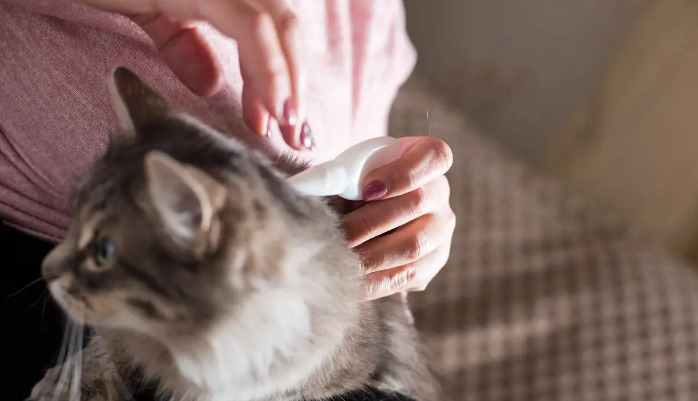
NeoFipronis contains GS-441524, a potent antiviral agent that has demonstrated remarkable activity against feline coronavirus. Administration is based on the cat’s weight: typically, 15 mg per kilogram (half a tablet) once daily. For neurological or ocular forms of FIP, dosages may be increased to 30 mg/kg under veterinary guidance. For optimal results, cats should be fed either an hour before or two hours after medication, with treatment courses lasting no less than 12 weeks. Consistent dosing without interruption is critical to effectively combat the virus and prevent relapse.
Key Indications and Benefits
The medication is effective against a broad spectrum of FIP symptoms, including loss of appetite, lethargy, fever, accumulation of fluid in the abdomen and chest, lymphadenopathy, inflammatory granulomas, neurological deficits, and uveitis. Its ability to penetrate tissues quickly and target infected cells underpins its success in reducing symptoms and improving survival rates. NeoFipronis’s safety profile makes it suitable for long-term use, provided that proper precautions are taken.
Contraindications
Despite its high efficacy, NeoFipronis is contraindicated in cats with known hypersensitivity to GS-441524 or other components of the formulation. It should not be used in cats with severe hepatic or renal impairment without careful veterinary supervision. Pregnant or nursing cats should only be treated under veterinary advice, as the safety in these populations has not been fully established.
Important Warnings
While NeoFipronis is classified as a non-prescription medication, it is strongly recommended to use it under the supervision of a qualified veterinarian to ensure proper dosing and monitor for adverse effects. Owners should follow prescribed treatment durations strictly, ensuring no doses are missed, as incomplete therapy can lead to relapse or resistance development. During treatment, observe changes in appetite, behavior, and temperature, and conduct regular blood tests to monitor liver and kidney function.
Precautions and Safety
NeoFipronis is designed to be a safe, non-invasive treatment option with minimal side effects. However, some cats may experience mild side effects such as transient lethargy or gastrointestinal upset. Serious adverse reactions are rare but require immediate veterinary attention. The cornerstone of successful therapy is adherence to dosing schedules, routine health monitoring, and prompt consultation if adverse symptoms occur.
Warning and Purchase
This medication is strictly for animal use and should never be administered to humans. To ensure product integrity and safety, purchase NeoFipronis only from official sources or authorized veterinary pharmacies. Avoid counterfeit products that may not meet quality standards or contain incorrect dosages.
Conclusion
NeoFipronis (Pronidesivir) GS-441524 has revolutionized the treatment of FIP in cats, providing a safe, effective, and well-tolerated option for this deadly disease. However, contraindications and warnings must be carefully followed to maximize treatment success and safeguard feline health. Consulting a veterinarian before initiating therapy is essential to tailor the treatment plan to each cat’s specific needs and condition.