Is FIP Common in Cats Worldwide
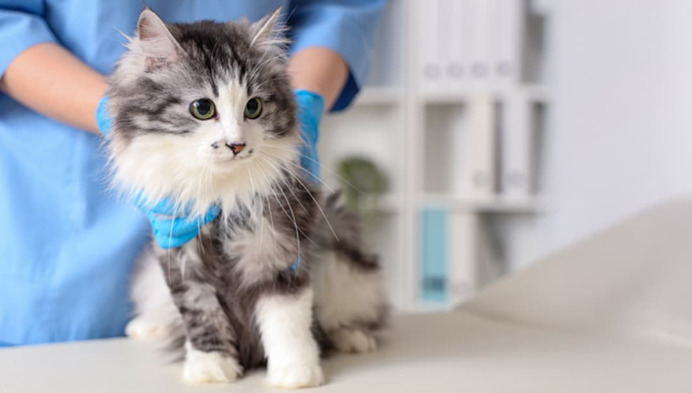
Feline Infectious Peritonitis (FIP) has long concerned veterinarians, cat breeders, and pet owners worldwide. Characterized by a complex interaction between feline coronavirus (FCoV), a cat’s immune response, and environmental factors, FIP leads to severe illness and is often fatal. Understanding whether FIP is common globally involves examining epidemiological data, risk factors, transmission modes, and international variations in incidence.
Background on FIP and Feline Coronavirus
FIP arises as a mutation of the common feline enteric coronavirus (FECV). While most infections with FECV are mild or even asymptomatic, a small percentage mutate within the cat and lead to the more dangerous FIP. The mutated virus can trigger a destructive immune response, causing either “wet” (effusive) or “dry” (non-effusive) FIP, depending on the form the disease takes.
FECV is highly contagious among cats and spreads through fecal-oral routes, most often in environments with numerous cats, such as shelters or breeding facilities. FIP itself is not transmitted directly from cat to cat; rather, each case results from independent mutations. The key lies in the interplay of genetics, age, stress, and environmental conditions.
Global Distribution of FIP
FIP is reported everywhere domestic cats are found. While responsible data collection remains challenging due to underdiagnosis and was once limited by variations in veterinary resources, studies consistently show it affects cats across continents.
North America: Surveys of veterinary clinics in the United States and Canada routinely cite FIP as one of the most feared viral diseases of domestic cats, especially in shelters and breeding catteries. Reported incidence varies from 0.3% to as high as 10% in environments with high densities of cats.
Europe: Research from the United Kingdom, Germany, Italy, and other European countries indicates similar trends. FIP is frequently diagnosed in young cats under two years old, particularly in breeding colonies, with reported prevalence rates ranging from 1% to 5% of all non-accidental feline deaths.
Asia: Data from China, Japan, and Southeast Asia highlight high rates of FCoV exposure, with FIP cases rising in parallel where cat populations are dense. Cultural factors affecting cat ownership and breeding practices also play a role in how commonly FIP is seen.
Australia and Oceania: Veterinary literature from Australia and New Zealand demonstrates FIP as a persistent concern among shelters and cat breeders, especially where large populations of cats are housed together.
South America and Africa: There is less published research from these continents, though surveys of informal shelters and urban cat colonies indicate that FIP is present and feared, complicated by challenges in diagnosis and veterinary care access.
Risk Factors and Environmental Influence
Prevalence of FIP varies dramatically depending on several risk factors:
Age: Most cats diagnosed with FIP are under two years old. Kitten populations in breeding facilities are at particular risk, given their susceptibility and the stressful environments.
Population Density: The risk of FIP rises with the number of cats living together due to rapid FCoV transmission and greater opportunity for viral mutations.
Genetics: Some breeds appear more susceptible, leading to ongoing research into genetic predisposition for defective immune responses. Popular breeds like Bengals, Ragdolls, and Birmans are reported in higher numbers in FIP case studies, potentially due to both genetics and breeding conditions.
Stress and Immunosuppression: Stressful living conditions, concurrent diseases, and poor nutrition all contribute to weakened immune systems and increased risk.
Geographical Factors: While FIP affects cats globally, variations in veterinary resources and cat population structures impact how frequently it is diagnosed and reported.
How Common Is FIP in the General Cat Population?
Most studies estimate that FIP itself affects fewer than 1% of cats in the general pet population. However, where cats live in crowded conditions—such as shelters, catteries, and multi-cat households—prevalence rises, sometimes dramatically, to about 5-10% among young cats. FCoV infection, on the other hand, is much more widespread, with as much as 80-100% of cats in some colonies carrying the virus at any time.
Because FIP emerges only when the virus mutates within a susceptible cat, exact figures are hard to determine. Diagnostic difficulties arise because its symptoms imitate other diseases, leading to underreporting. Most studies track cases among juvenile cats from high-density environments, meaning the numbers may underrepresent older and solitary cats.
FIP Diagnosis Worldwide
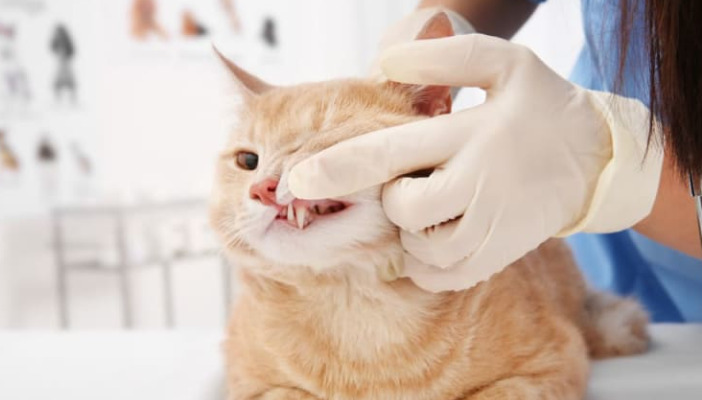
Reliably diagnosing FIP remains a clinical challenge. It mimics other illnesses, including feline leukemia and lymphoma. Veterinarians rely on combinations of physical examination, laboratory testing (including coronavirus antibody titers, protein analysis of abdominal fluid, and PCR diagnostics), and medical history. Advanced diagnostic techniques, like immunohistochemistry and PCR, increase accuracy but are expensive and unavailable in many countries, affecting reported numbers.
Recent Developments in FIP Epidemiology
The landscape of FIP research has evolved rapidly over the last decade. Advanced molecular tests and greater awareness among veterinary professionals have improved tracking and data collection. Recent large-scale studies have examined populations of shelter cats, multi-cat households, and breeding catteries, confirming that FIP remains a persistent problem in these environments. In private homes with 1-2 cats and good hygiene, the risk is far lower.
Additionally, data show that outbreaks sometimes cluster in specific regions or facilities, impacting localized prevalence. Global migration and adoption of cats from high-risk regions can also spread FCoV and increase FIP risk.
Prevention and Control Strategies Globally
Reducing FIP rates relies on controlling feline coronavirus spread. Effective approaches include:
Maintaining low population density in shelters and catteries
Strict hygiene and sanitation
Isolating new arrivals and sick animals
Limiting stress through proper nutrition, socialization, and veterinary care
Selective breeding to decrease genetic predisposition
Increased awareness and training for veterinarians and cat owners
Some regions have integrated education campaigns, particularly in North America and Western Europe, leading to reduced FCoV transmission rates.
Treatment and Impact on Prevalence
Historically, FIP was nearly always fatal. However, the introduction of antiviral drugs targeting feline coronavirus, such as GS-441524, has shifted the prognosis in recent years. Access to these drugs varies by country and regulatory status, impacting survival rate and, potentially, reported prevalence. In places where treatment is available and affordable, more cats survive, possibly resulting in more accurate—and sometimes higher—diagnosis numbers.
Global Variation in Reporting and Awareness
Prevalence figures remain subject to regional differences in diagnosis, veterinary care availability, and owner awareness. In parts of Asia and Africa, challenges include fewer veterinary clinics, scarce diagnostic tools, and underreporting due to lack of resources. Contrastingly, in developed nations, pet owners often seek prompt care, leading to higher reported FIP rates.
Social factors, including urbanization and pet ownership trends, shape how FIP is seen worldwide. While some cultures maintain large free-roaming cat populations, others focus on strictly indoor pets, changing virus transmission dynamics and FIP statistics.
Research Advances and Ongoing Challenges
Recent research underscores the complex nature of FIP and ongoing difficulties of controlling its spread. Studies continue to look for vaccine solutions, but current options offer limited protection. Genetic studies seek to pinpoint why certain cats succumb to FIP while others remain healthy despite FCoV exposure.
International collaboration and data sharing between veterinary schools, research centers, and cat breeders have improved understanding of FIP’s global burden. The challenge remains to translate research findings into practical prevention and treatment strategies, especially in regions with fewer resources.
Conclusion
FIP is a significant health issue for cats worldwide. While its overall prevalence in pet cats is relatively low, it is far more common in populations where FCoV exposure is high—especially in shelters, breeding facilities, and multi-cat households. Ongoing advances in diagnosis, treatment, and prevention are improving the outlook, but global variations in reporting, awareness, and access to care continue to shape the disease’s impact.
References
Addie, D. D., Toth, S., et al. “Feline coronavirus infections.” Veterinary Microbiology, 2009.
Pedersen, N.C. “An update on feline infectious peritonitis: Diagnostics and therapeutics.” Veterinary Journal, 2014.
Hartmann, K. “Feline infectious peritonitis.” Veterinary Clinics of North America: Small Animal Practice, 2005.
Felten, S., & Hartmann, K. “Diagnosis of Feline Infectious Peritonitis: A Review.” Veterinary Sciences, 2019.
Hosie, M.J., et al. “Feline infectious peritonitis: ABCD guidelines on prevention and management.” Journal of Feline Medicine and Surgery, 2023.
Addie, D. D., et al. “Feline infectious peritonitis: further update on epidemiology and prevention.” Veterinary Record, 2021.
Pedersen, N.C. “Feline infectious peritonitis: History and recent advances.” Annual Review of Animal Biosciences, 2020.
Stoddard, R. A., et al. “Epidemiology of feline coronavirus and FIP among catteries.” Journal of Veterinary Diagnostic Investigation, 2017.
Kipar, A., Meli, M. L. “Feline infectious peritonitis: Still an enigma?” Veterinary Pathology, 2014.
Given, D. S., et al. “Clinical and epidemiological aspects of feline infectious peritonitis in urban shelters.” Journal of Feline Medicine and Surgery, 2018.