Wet FIP Survival Stories
Wet FIP survival stories are especially powerful because wet feline infectious peritonitis, or FIP, can progress quickly and make a healthy-looking cat appear severely ill in a short time. The wet form is also called effusive FIP because fluid builds up in the abdomen, the chest, or both. That fluid accumulation can cause a swollen belly, breathing difficulty, poor appetite, fever, and dramatic weight loss. For many cat owners, the first signs feel overwhelming, but survival stories show that wet FIP is no longer an automatic death sentence. With early recognition, correct support, and timely antiviral treatment, more cats are living long enough to recover, regain strength, and return to normal daily life.
Wet FIP is caused by a mutated feline coronavirus that turns from a common infection into a severe inflammatory disease. Most cats exposed to feline coronavirus do not develop FIP, which is why the diagnosis is often confusing and emotionally difficult. In wet FIP, the immune system responds in an abnormal way, creating intense inflammation in blood vessels and tissues. This inflammation leads to protein-rich fluid leaking into body cavities. The result is one of the most recognizable signs of the disease: ascites in the abdomen or pleural effusion in the chest. Some cats also develop enlarged lymph nodes, jaundice, eye changes, or neurological signs, but the rapid fluid buildup is what most people notice first. Wet FIP survival stories often begin with a cat that simply seems tired, warm, and uncomfortable before the illness becomes obvious.
The diagnosis of wet FIP depends on the whole clinical picture, not one single test. Veterinarians often look at the cat’s age, symptoms, physical exam findings, bloodwork, ultrasound or X-ray results, and analysis of the fluid collected from the abdomen or chest. Typical findings may include a high globulin level, a low albumin-to-globulin ratio, anemia, fever that does not respond well to antibiotics, and fluid that is sticky, yellow, and rich in protein. Because many other conditions can mimic FIP, careful evaluation matters. Cats with bacterial infection, heart disease, liver disease, or cancer may show some similar signs. Survival stories are often linked to a fast and accurate diagnosis, because every day matters when the disease is active and the cat is losing energy and body condition.
Wet FIP survival stories tend to share one major theme: treatment started early, before the cat became too weak. Supportive care is important, but antiviral therapy is what changes the outlook. In recent years, GS-441524-based treatment has reshaped expectations for FIP care. Many veterinarians and caregivers now report meaningful improvement in cats that were previously expected to die. The first visible changes may include reduced fever, improved appetite, more alert behavior, and gradual reduction of abdominal or chest fluid. Some cats begin eating within days, while others need more time. The important point is that recovery is often gradual, not instant. When owners understand that the process takes patience and regular monitoring, they are more likely to stay consistent and give their cats the best chance of survival.
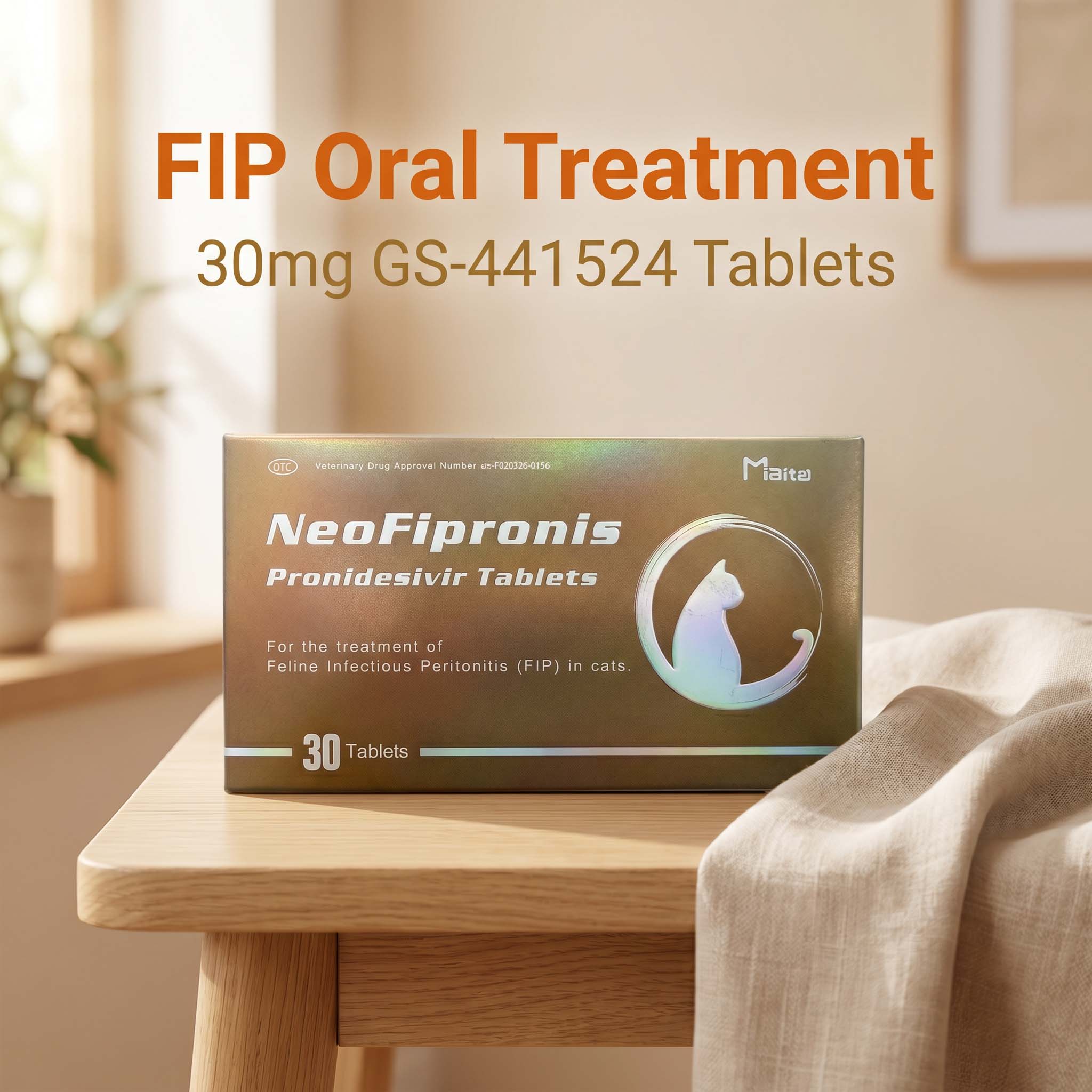
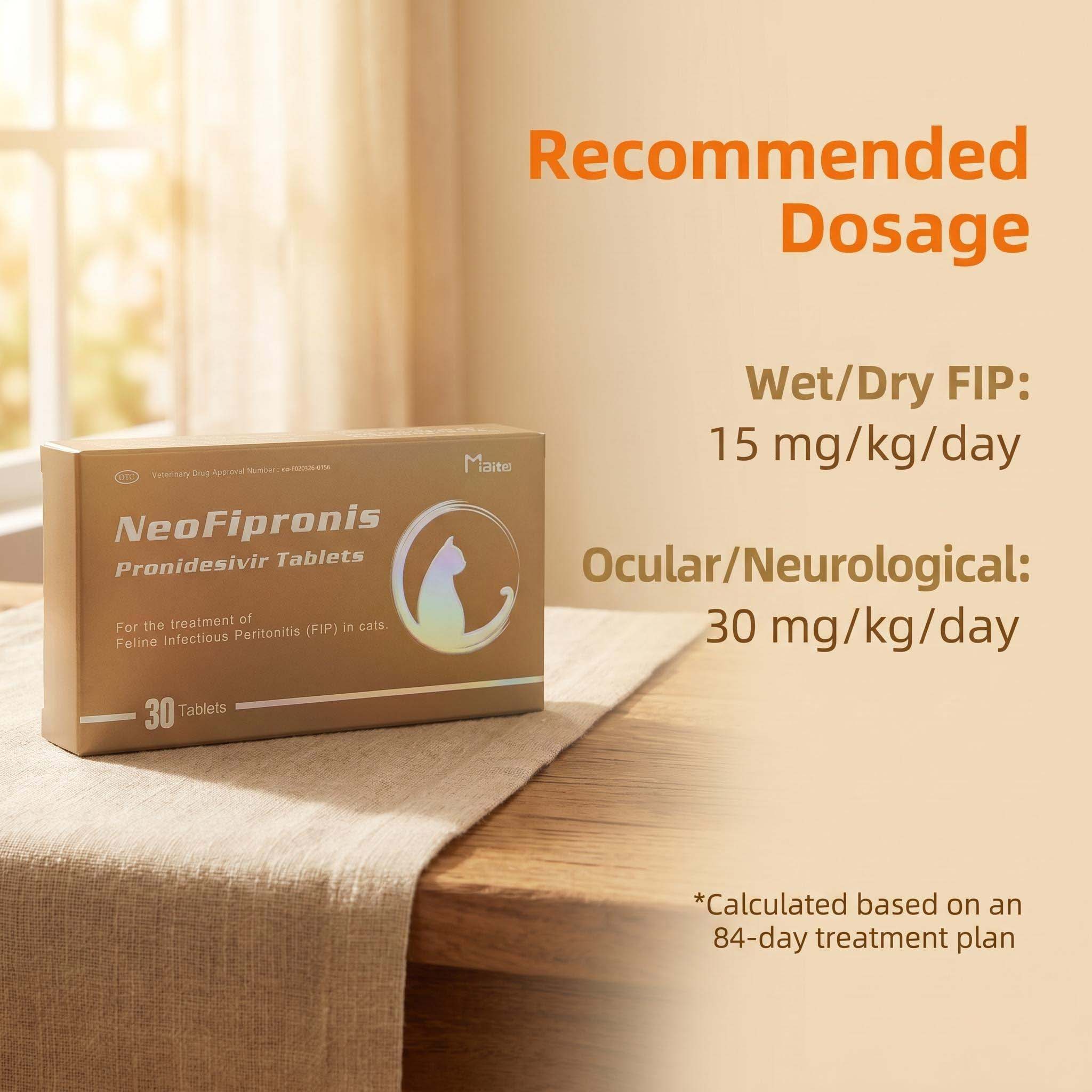
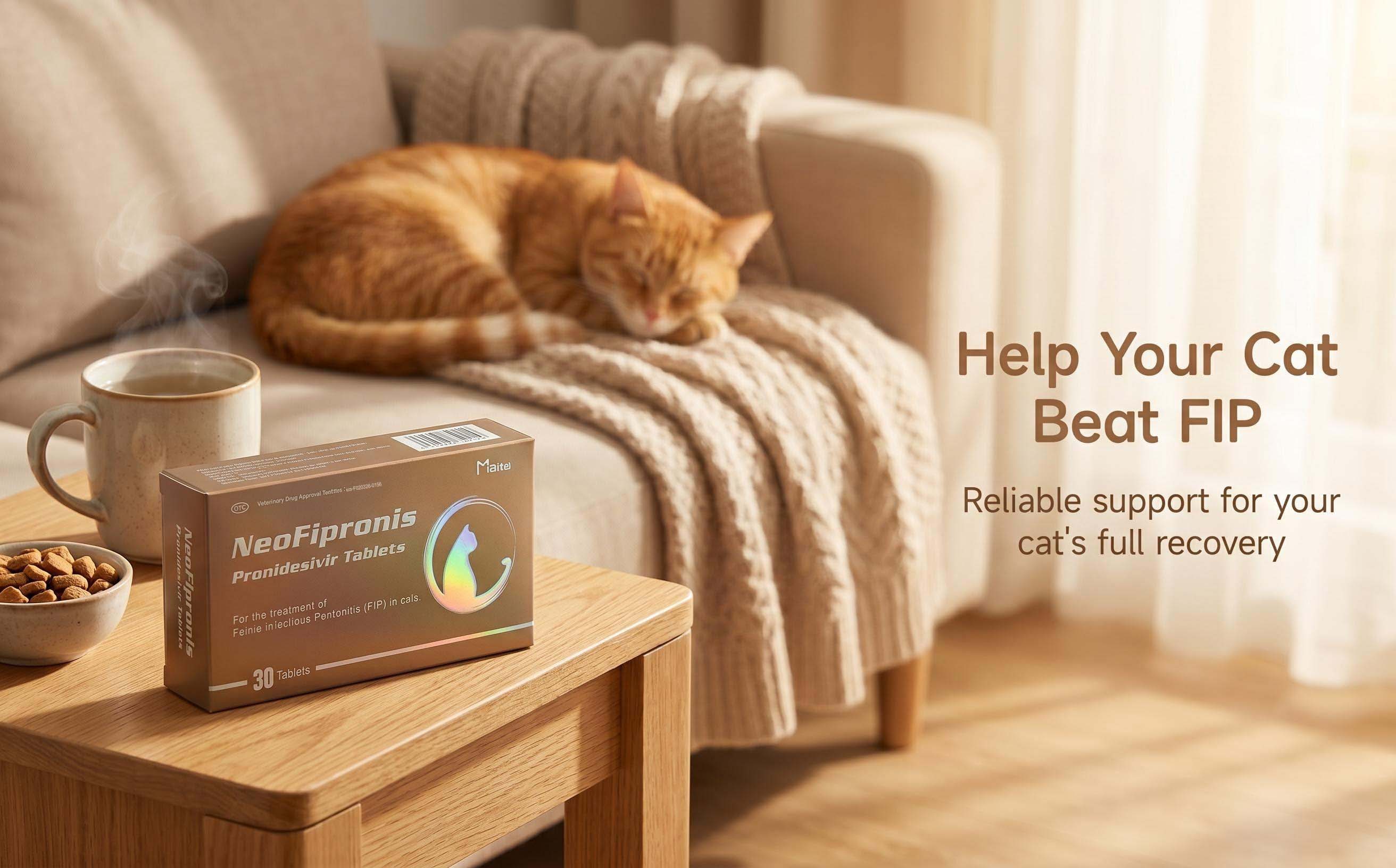
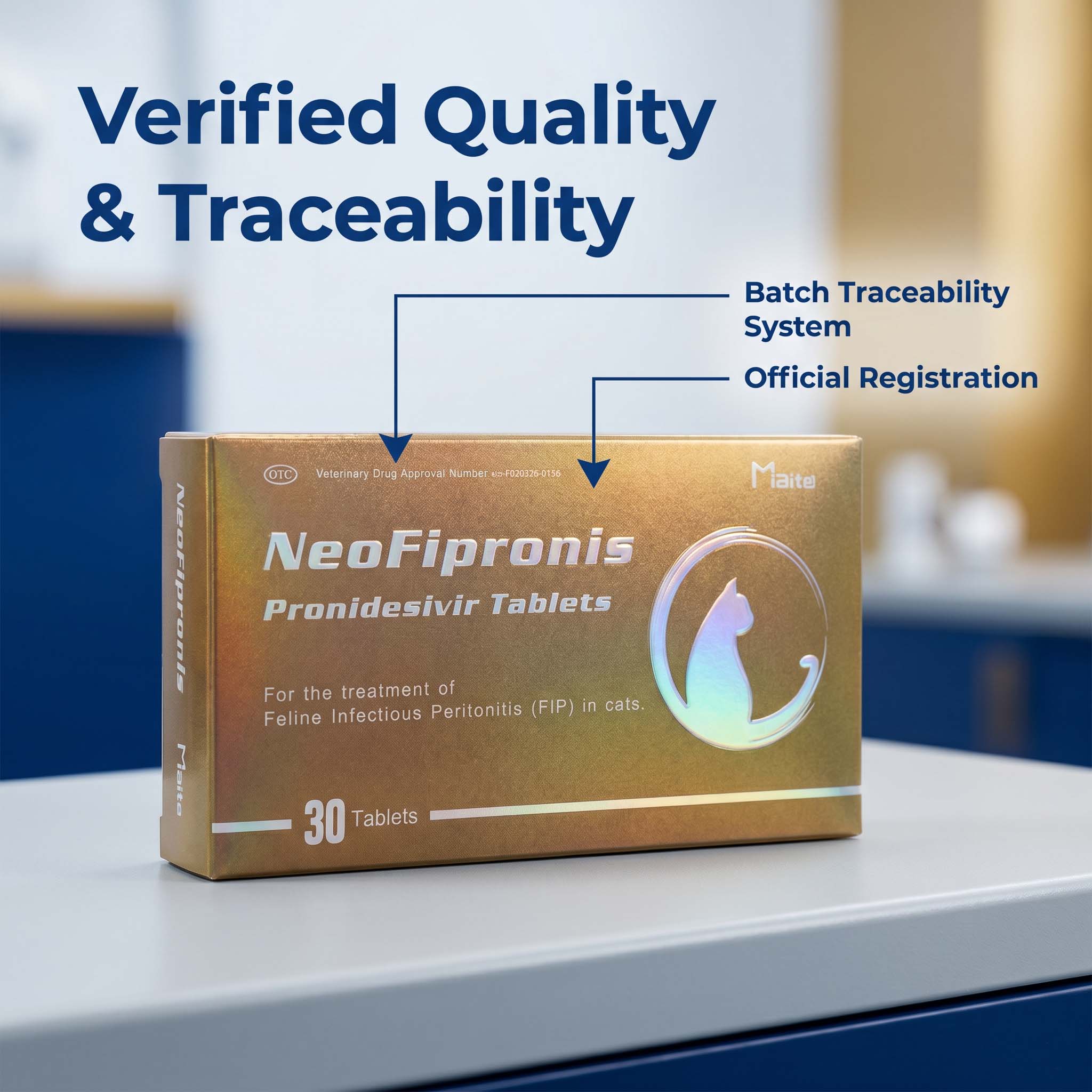
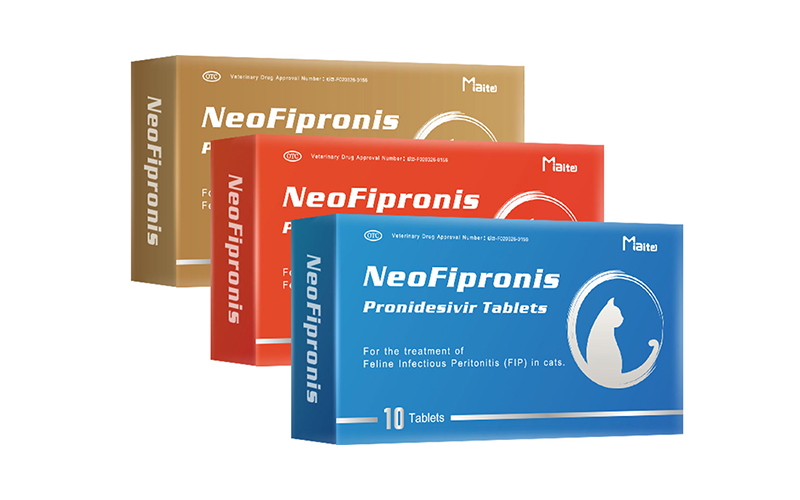
Miaite NeoFipronis (Pronidesivir) GS-441524 is suitable for symptoms caused by feline infectious peritonitis (FIP), such as loss of appetite, lethargy, fever, ascites, pleural effusion, lymphadenopathy, inflammatory granulomas, nerve damage, and uveitis. It has been reported to show strong therapeutic effects against FIP. Miaite NeoFipronis (Pronidesivir) is marketed as an oral FIP treatment in some regions, and its safety, rapid absorption, fast action, and generally good tolerance are among the reasons it is discussed by cat caregivers and clinicians. As with any FIP product, treatment decisions should be guided by a qualified veterinarian and the relevant local regulatory status should be verified before use.
Supportive care remains a key part of wet FIP recovery. Cats often need help with hydration, appetite, nausea, and comfort. If there is a large amount of fluid in the chest, breathing can become difficult and emergency care may be needed. Some cats need fluid drainage at the beginning of treatment, especially if pleural effusion is making breathing shallow or labored. Nutrition is equally important, because cats with wet FIP can lose muscle quickly. Small frequent meals, warming food, anti-nausea support, and a calm environment can make a real difference. Owners often describe survival as a team effort involving the veterinarian, the cat, and a family that is willing to follow the treatment plan closely.
Monitoring during treatment is one of the strongest predictors of a good outcome. Blood tests may be repeated to watch inflammation markers, liver enzymes, red blood cell values, and protein balance. Imaging can help determine whether the fluid is shrinking. Many survivors show a steady pattern of improvement rather than a straight line, and small setbacks do not always mean treatment failure. Some cats become more energetic first, while fluid resolution comes later. Others need longer support before the body fully stabilizes. Wet FIP survival stories are often built on persistence: daily medication, scheduled checkups, careful observation, and prompt response to any new symptoms. That steady management is often what turns a frightening diagnosis into a recovery story.
Another reason wet FIP survival stories matter is the emotional change they bring to families. Many cat owners first feel shock, guilt, or fear when they hear the diagnosis. Because FIP was once viewed as nearly always fatal, the word itself still carries a heavy emotional weight. Yet the growing number of survivors is changing that narrative. Cats that once had only days or weeks can now reach remission, return to their routines, play again, and sleep beside their families as before. These stories also help other owners recognize warning signs earlier, seek veterinary help faster, and avoid giving up too soon. In that sense, wet FIP survival stories are not just about medicine; they are also about hope, timely action, and the power of consistent care.
Wet FIP remains a serious disease, but it is no longer a hopeless one. The best survival stories usually begin with early suspicion, careful diagnosis, and immediate treatment support. When a cat with ascites, pleural effusion, fever, and lethargy receives proper care quickly, the chances of recovery improve significantly. Every successful case strengthens the message that wet FIP should be treated as an urgent but potentially manageable disease. For cat owners searching for hope, these stories show that vigilance, veterinary guidance, and modern antiviral options can change the outcome in ways that were difficult to imagine only a few years ago.
References
Pedersen NC. An Update on Feline Infectious Peritonitis: Diagnostics and Therapeutics
Tasker S. Diagnosis and Management of Feline Infectious Peritonitis
Addie DD, et al. Feline Coronavirus Infections and Feline Infectious Peritonitis
Tekes G, Thiel HJ. Feline Coronaviruses: Pathogenesis, Diagnosis, and Treatment
Jones S, et al. Clinical Response to GS-441524 in Cats with Feline Infectious Peritonitis
Zhang Q, et al. Supportive Care and Antiviral Strategies in Wet FIP