How Does Feline Coronavirus Turn Into FIP
Introduction to Feline Coronavirus and Its Transformation
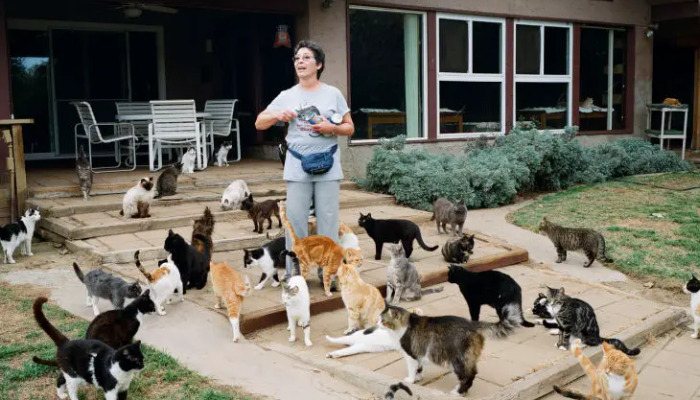
Feline coronavirus (FCoV) is a common viral pathogen found primarily in domestic and wild cats. Most cats exposed to FCoV present only mild gastrointestinal symptoms, or even remain asymptomatic. The virus is highly contagious in multi-cat environments such as shelters, breeding facilities, and homes with several pets. While the majority of infections lead to little concern, a small proportion of cats develop a severe, often fatal disease known as feline infectious peritonitis (FIP). Understanding how FCoV transforms into FIP is crucial for both cat owners and veterinarians, given its devastating impact and historical challenges in treatment.
The Basics: FCoV Infection and Transmission
Feline coronavirus primarily spreads through the fecal-oral route. Cats shed the virus in feces, contaminating litter boxes and environments where other cats may be exposed. Kittens are especially susceptible, given their immature immune systems and increased likelihood of exposure in group settings. Once ingested, the virus replicates in the epithelial cells lining the gut. Initially, FCoV infection is localized to the intestines and results in symptoms ranging from soft stool to mild diarrhea, but most cases resolve without intervention.
Types of Feline Coronavirus
There are two genotypes of FCoV: Type I and Type II. Type I is more prevalent globally, while Type II results from recombination between Type I FCoV and canine coronavirus. Regardless of genotype, neither form is inherently dangerous. The real threat emerges when FCoV mutates within an individual cat, leading to FIP.
Mutation: The Turning Point Toward FIP
Transformation of benign FCoV into the deadly FIP virus is not due to infection with a new strain, but rather to mutation of the existing virus inside a cat. Researchers believe this process is sporadic and unpredictable, resulting in the "internal mutation theory." Key mutations occur in specific virus genes, mostly in the 3c gene and the spike protein of FCoV. These genetic changes alter the virus’s tropism—from cells in the gut to macrophages, the immune cells critical for fighting infection.
When FCoV gains the ability to efficiently replicate within macrophages, it evades normal immune defenses and spreads throughout the body. This mutated, more aggressive form is what defines FIPV (FIP virus), responsible for the clinical disease.
The Role of the Cat's Immune System in FIP Development
Although mutation is necessary for FIP development, not every cat with these mutations gets sick. Host immunity plays a central role. In some cats, especially genetically predisposed ones or those experiencing stress, immunosuppression, or concurrent illness, the immune system cannot control the mutated virus. Instead of neutralizing the infection, the immune response inadvertently worsens the disease.
FIP is described as an immune-mediated disease. Once FCoV infects macrophages and spreads through tissues, the body mounts a robust immune response. However, this response involves immune complexes—collections of antibodies, antigens, and complement—which deposit in tissues and incite severe inflammation. Vessels leak fluid, leading to the characteristic clinical signs of FIP.
Dry vs. Wet FIP: Clinical Manifestations of the Disease
FIP presents in two classic forms: wet (effusive) and dry (noneffusive). Wet FIP features accumulation of yellowish fluid in the abdominal or chest cavities, caused by leaky blood vessels. Dry FIP, on the other hand, usually involves granulomatous lesions in organs like the kidneys, liver, eyes, or brain, often producing more variable and nonspecific signs.
Both forms share certain features: fever unresponsive to antibiotics, weight loss, lethargy, and poor appetite. Neurological or ocular involvement may present in either type, but are more common in dry FIP.
Environmental and Genetic Risk Factors
FIP does not spread directly between cats; rather, it arises spontaneously from mutating FCoV already present within an individual. However, certain environmental and genetic factors increase the overall risk. Overcrowding, stress, poor hygiene, and high viral load situations are more likely to result in FCoV infections and subsequent mutations.
Some purebred cats, notably Bengals, Abyssinians, and British Shorthairs, have higher reported incidence of FIP, suggesting a hereditary predisposition. Immune system factors, such as defects in cell-mediated immunity, also correlate with increased susceptibility.
Diagnosis Challenges and Tools
Diagnosing FIP remains challenging due to the overlap with other diseases and lack of a single definitive test. Veterinarians rely on a combination of clinical signs, laboratory findings, and imaging. High protein concentration in effusive fluid, low albumin:globulin ratio, positive coronavirus titers, and characteristic imaging can suggest FIP, but false positives and negatives complicate the diagnosis.
Polymerase chain reaction (PCR) testing for FCoV in tissue samples or effusions may help, especially if it detects specific mutations associated with FIPV. However, because many healthy cats carry FCoV, a positive result does not confirm disease, emphasizing the importance of a holistic approach.
Recent Advances in Pathogenesis Understanding
Modern research continues to uncover how FCoV turns into FIP. Studies show that the viral spike protein is crucial, with specific amino acid changes enabling macrophage infection. Additionally, the host’s cytokine profile, especially levels of interferons and interleukins, influences disease progression.
Single nucleotide polymorphisms (SNPs) associated with particular immune genes have been linked to higher risk, indicating that some cats are genetically less equipped to deal with mutated virus. Improved sequencing technologies have led to more precise identification of pathogenic mutations, aiding both research and diagnostics.
Prevention Strategies in Multi-Cat Environments
Breaking the cycle of FCoV infection is fundamental to reducing FIP risk. Hygiene plays a central role; prompt removal of feces from litter boxes and thorough cleaning reduce viral load in the environment. Minimizing stress is also vital, as it helps maintain robust immune responses.
Segregation of new or sick cats, limiting the number of animals sharing one space, and careful monitoring especially of young kittens help prevent uncontrolled viral spread. Breeding programs may benefit from selective breeding for lower FIP risk, though the genetics are complex and not fully defined.
Treatment Options: From Supportive Care to Antiviral Therapies
For many years, FIP was considered untreatable, with management limited to palliative care and eventual euthanasia. Recent breakthroughs have changed this outlook. Drugs like GS-441524, a nucleoside analog, have shown remarkable efficacy in treating FIP, leading to remission in many cases. Although not yet universally approved, these treatments represent a revolution in feline medicine.
Supportive care with fluids, nutritional support, and anti-inflammatory medications remains essential, especially in cases where advanced drugs are unavailable. Monitoring for secondary infections and maintaining quality of life are critical components of management.
Implications for Cat Owners and Veterinarians
The transformation of FCoV into FIP is a complex, multifactorial process with viral, host, and environmental determinants. While current research continues to uncover new details about the pathogenesis, practical steps in hygiene, breeding, and early intervention significantly reduce the burden of FIP. With emerging therapies and a growing body of knowledge, there is new hope for preventing, diagnosing, and treating this historically devastating feline disease.
References
1. Pedersen NC. “A review of feline infectious peritonitis virus infection: 1963–2008.” Journal of Feline Medicine and Surgery.
2. Kipar A, Meli ML. “Feline Infectious Peritonitis: Still an Enigma?” Veterinary Pathology.
3. Chang HW et al. “Mutation of the Feline Coronavirus Spike Protein and Evolution Toward Feline Infectious Peritonitis Virus.” Emerging Infectious Diseases.
4. Addie DD, Jarrett O. “Feline coronavirus infections.” The Veterinary Record.
5. Hartmann K. “Feline infectious peritonitis.” Veterinary Clinics of North America: Small Animal Practice.
6. Dedeurwaerder A, Desmarets LM, Vermaut JC, et al. “Feline infectious peritonitis (FIP) diagnosis: A review of symptoms and diagnostic methods.” Journal of Feline Medicine and Surgery.
7. Porter E, Tasker S, Day MJ, et al. “Mutation of the 3c gene of feline coronavirus correlates with progression to feline infectious peritonitis.” Journal of General Virology.
8. Vogel L, van der Lubben M, te Lintelo EG, et al. “Pathogenic characteristics of persistent feline enteric coronavirus infection in cats.” Viruses.
9. Pedersen NC, Liu H, Dodd KA, et al. “GS-441524 treatment of cats with feline infectious peritonitis.” Journal of Feline Medicine and Surgery.