NeoFipronis (Pronidesivir) Effects and Treatment Outcomes
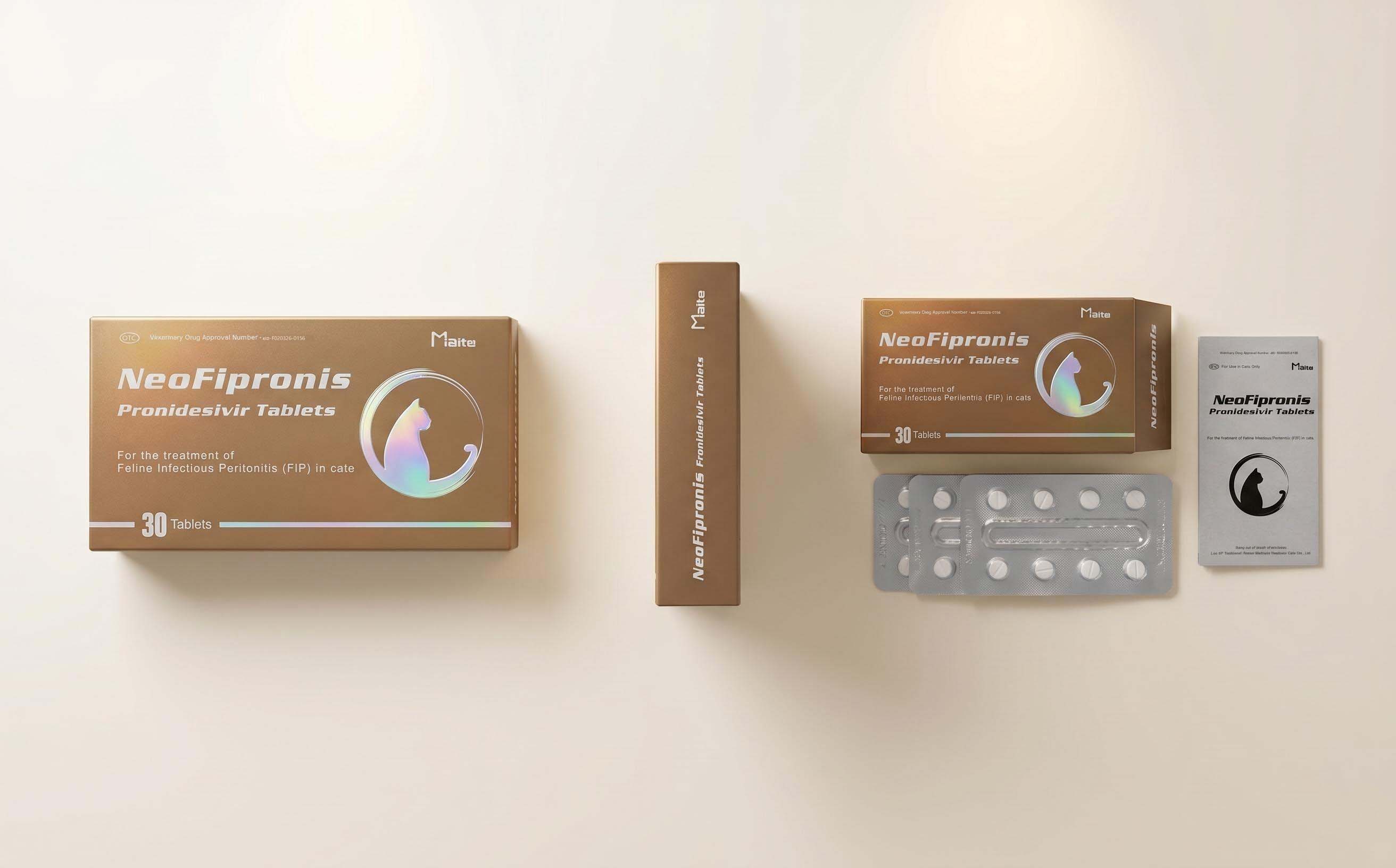
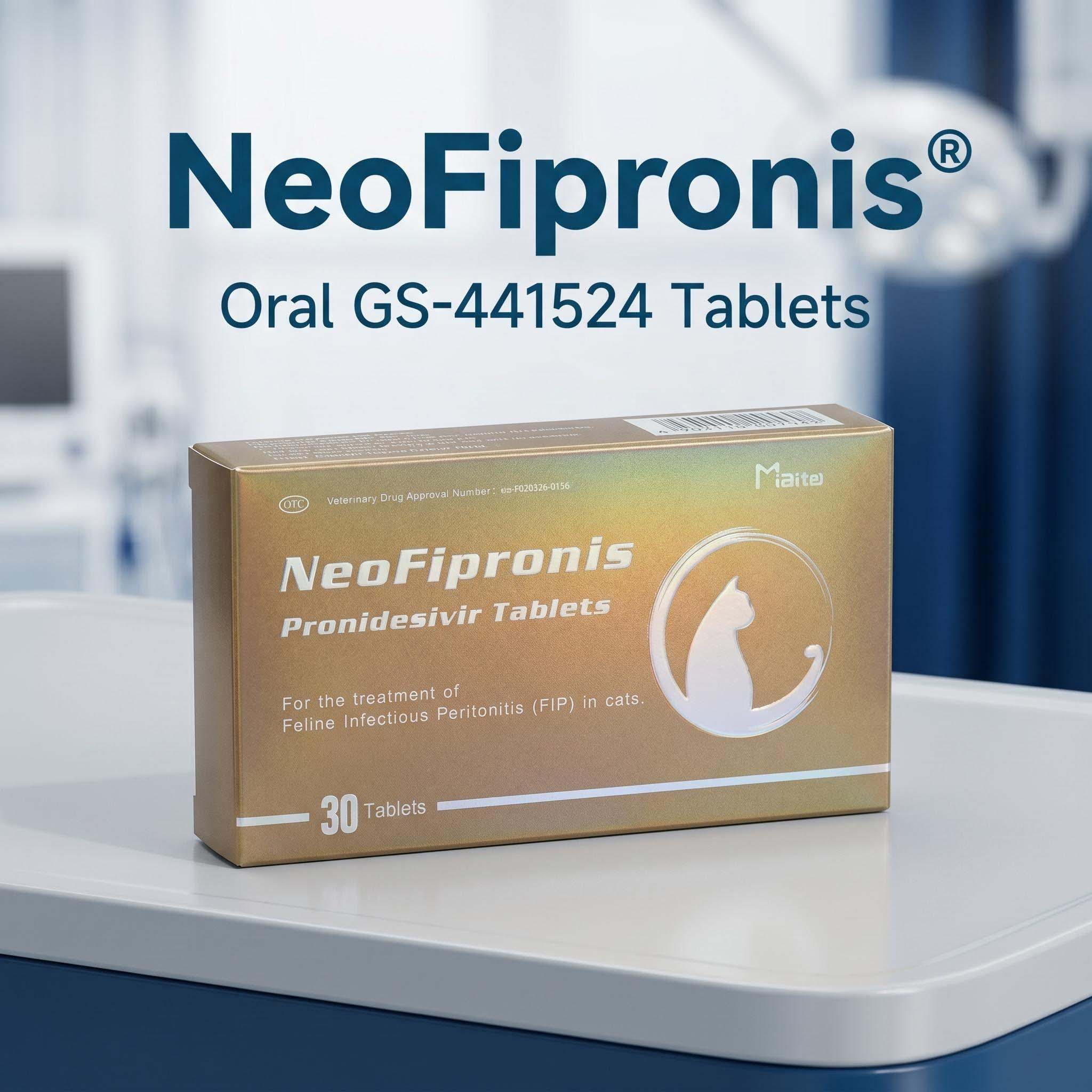
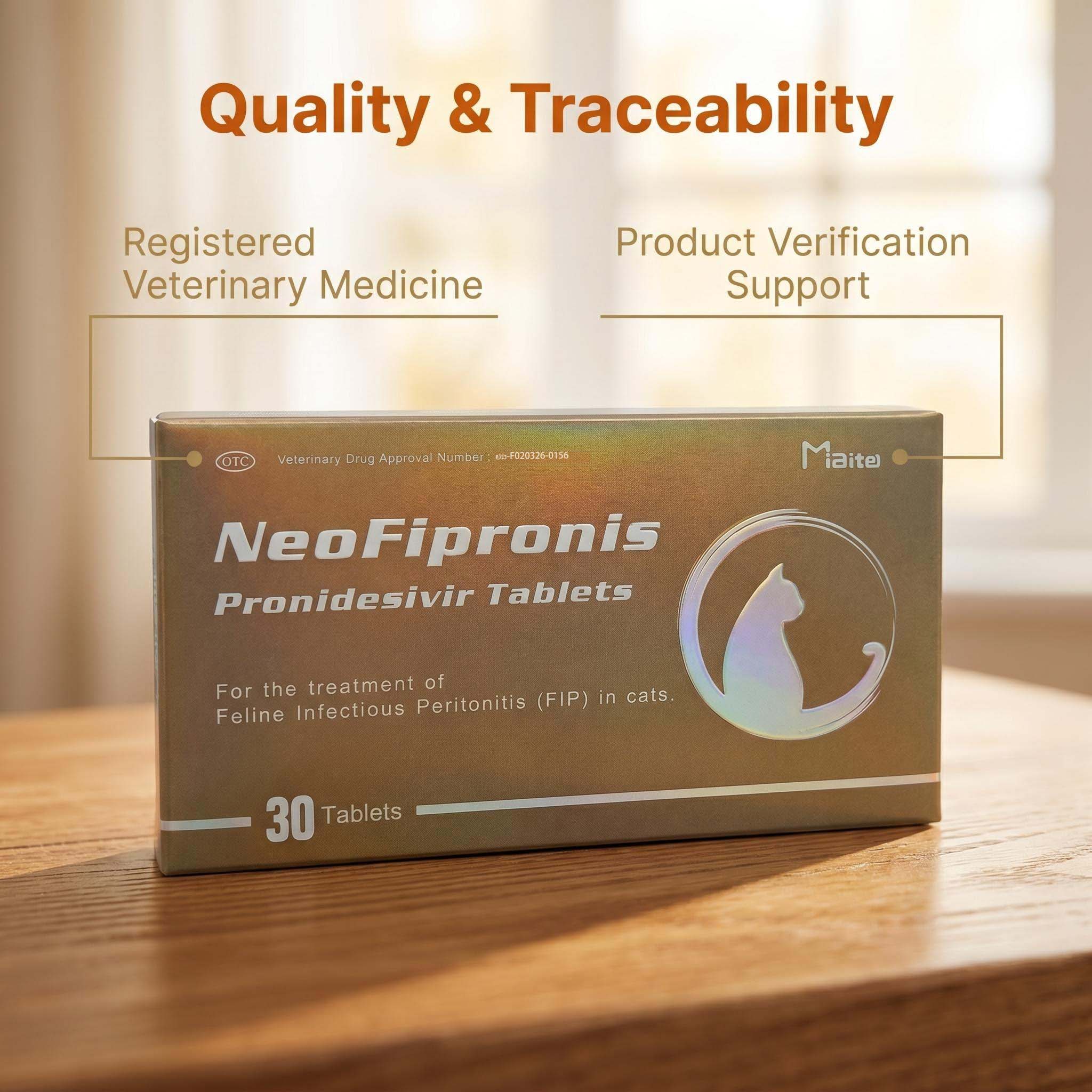
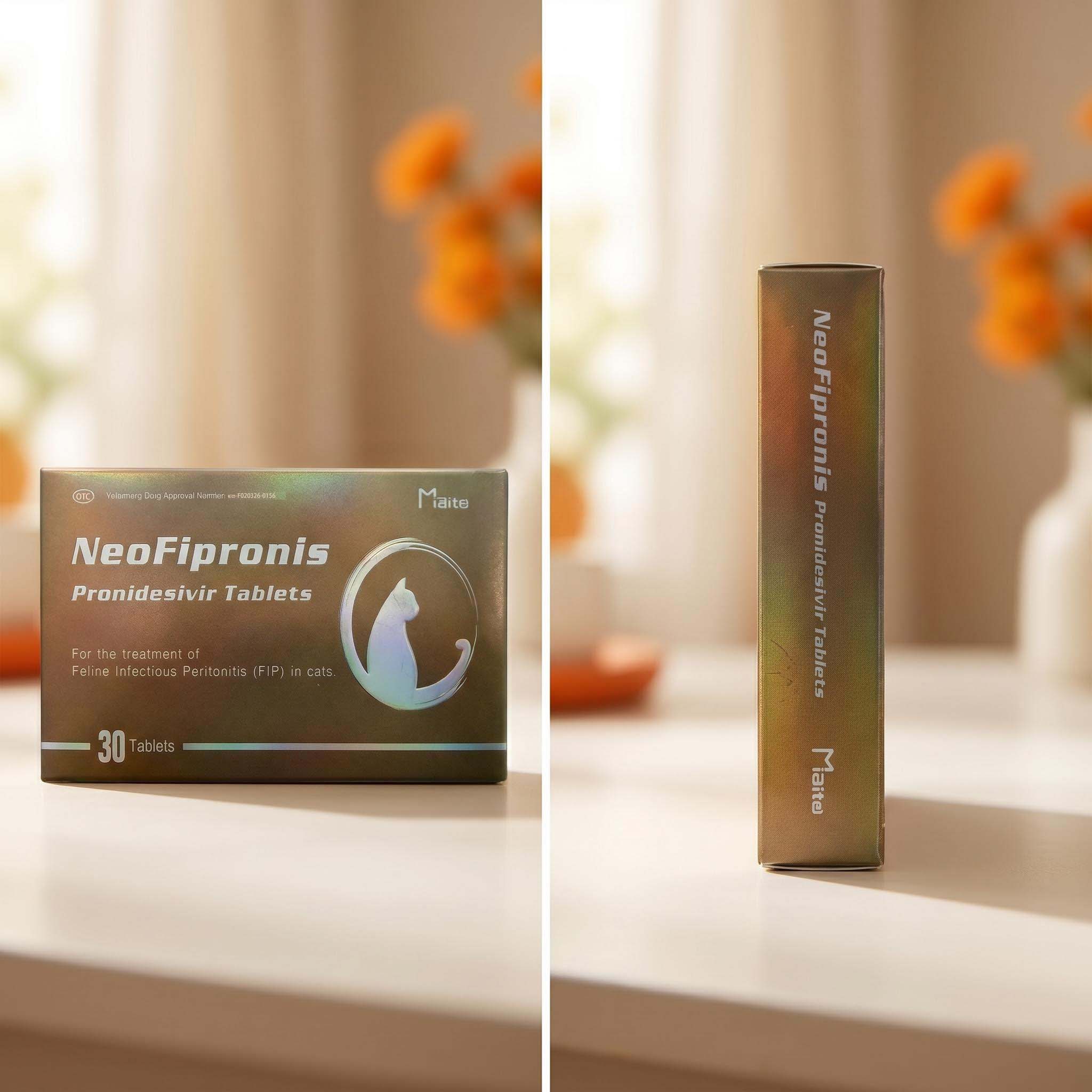
NeoFipronis (Pronidesivir) is an oral FIP treatment designed for cats affected by feline infectious peritonitis (FIP), a serious coronavirus-related disease that can cause appetite loss, lethargy, fever, abdominal fluid buildup, pleural effusion, enlarged lymph nodes, inflammatory granulomas, neurological damage, and uveitis. As a GS-441524-based antiviral, NeoFipronis is positioned as a convenient, non-invasive option for cat owners seeking an effective and easy-to-administer therapy for FIP management.
FIP can develop in wet, dry, ocular, or neurological forms, and many cats show more than one symptom at the same time. Common signs include reduced eating, persistent fever, weight loss, weakness, breathing difficulty, swollen abdomen, eye inflammation, and abnormal behavior. Because the disease can progress quickly, early antiviral treatment is often considered essential. NeoFipronis (Pronidesivir), according to product information, is formulated to help suppress viral replication and support recovery in cats with confirmed or suspected FIP.
GS-441524-Based Support for FIP Recovery
The active ingredient in NeoFipronis is GS-441524, a compound widely discussed in FIP research and clinical use for its antiviral activity against feline coronavirus. By targeting viral replication, it may help reduce inflammatory burden and improve visible clinical signs over time. Many cat owners and veterinarians look for oral GS-441524 options because they are easier to administer than injections, less stressful for the cat, and suitable for long treatment courses.
Reported treatment outcomes with GS-441524-based FIP therapy often include improved appetite, reduced fever, better energy levels, and gradual resolution of fluid accumulation. In some cats, neurological and ocular symptoms may also improve when treatment is started promptly and dosed appropriately. Because FIP can behave differently in each cat, monitoring response during therapy is important for evaluating progress and adjusting care.
Dosage and Administration Guidance
NeoFipronis is generally administered once daily based on body weight. The commonly suggested dosage is 15 mg per kilogram of body weight, which is described as half a tablet for many dosing plans. For neurological or ocular FIP, veterinarians may recommend increasing the dose to 30 mg/kg depending on severity and clinical response. For best absorption, dosing is often given on an empty stomach, either one hour before meals or two hours after feeding.
Treatment should continue without interruption for at least 12 weeks. Missing doses may reduce effectiveness and slow recovery. During the treatment period, owners should observe changes in appetite, temperature, activity, breathing, abdominal size, and eye or neurological symptoms. Regular blood work, along with liver and kidney function testing, is strongly recommended to track safety and response.
Safety, Tolerance, and Veterinary Oversight
NeoFipronis is described as a non-invasive oral option with rapid absorption, fast onset, and generally good tolerance. Side effects are reported to be limited in many cats, making it an appealing option for long-term antiviral treatment. Even though it may be available without a prescription in some markets, veterinary supervision remains highly recommended to ensure the correct dose, proper duration, and appropriate follow-up care.
This product is intended for cats only and must not be used in humans. To help ensure product quality and authenticity, purchase should be made through the official NeoFipronis website or other verified sources. For cats living with FIP, timely treatment, consistent dosing, and close monitoring can make a meaningful difference in treatment outcomes and quality of life.