Clinical Management and Care of FIP
Feline Infectious Peritonitis (FIP) is a complex, deadly viral disease that affects domestic cats worldwide. Despite decades of research, FIP remains a diagnostic and therapeutic challenge in veterinary medicine. Recent advancements have revolutionized clinical management and care, offering new hope for affected cats and their owners. Understanding the intricacies of FIP is critical for veterinarians, technicians, and pet caregivers. This guide synthesizes current knowledge regarding diagnosis, treatment strategies, supportive care, patient monitoring, and preventive measures for FIP within the context of American veterinary practice.
Etiology and Pathogenesis
FIP results from infection with a mutated form of feline coronavirus (FCoV). While many cats harbor benign enteric FCoVs, a small percentage—typically younger cats or those under stress—develop a pathogenic mutation. This mutated virus evades the cat’s immune system, establishes itself in macrophages, and triggers a complex immune-mediated response leading to severe inflammation within body cavities and organs. FIP manifests in two main forms: effusive (wet) and non-effusive (dry). The effusive form is characterized by accumulation of protein-rich fluid within the abdomen or chest. The non-effusive form involves granuloma formation within organs, leading to varied clinical presentations. Both forms arise from dysfunctional immune responses rather than direct cytopathic virus effects.
Epidemiology and Risk Factors
FIP is most prevalent in multi-cat environments such as shelters, catteries, and rescues. Kittens under two years old, purebred cats (especially Bengals, British Shorthairs, and Ragdolls), and immunocompromised individuals are at increased risk. Stressful events—rehoming, surgery, concurrent illnesses—can predispose susceptible cats to FIP. While FCoV infection is common, only ~5-10% of exposed cats progress to FIP. Genetic predisposition and environmental contamination both play significant roles.
Clinical Presentation
Signs of FIP are subtle early on and may mimic other feline illnesses. Common symptoms include lethargy, loss of appetite, fever unresponsive to antibiotics, and weight loss. Effusive FIP presents with abdominal distension, labored breathing, or fluid accumulation in the chest. Non-effusive FIP often involves neurological symptoms, ocular changes (uveitis, retinal detachment), and palpable organ enlargement. Diagnosis requires clinical suspicion and confirmation through a combination of laboratory and diagnostic modalities.
Diagnostic Approach in Clinical Practice
Early and accurate diagnosis of FIP is essential for timely intervention. No single test definitively confirms FIP; thus, clinicians must integrate clinical findings with laboratory and imaging studies.
History & Physical Examination: Assess signalment, history, environment, and clinical signs suggestive of FIP.
Laboratory Testing: CBC, serum biochemistry, and urinalysis may reveal anemia, hyperglobulinemia, and elevated bilirubin. Rivalta test on abdominal fluid helps distinguish FIP effusions.
Immunological Studies: Detection of FCoV antibody titers (high titers suggest exposure, but are not FIP-specific). Polymerase chain reaction (PCR) and immunohistochemistry on tissue biopsies provide greater specificity.
Imaging: Ultrasound and radiography can identify fluid accumulation, lymphadenopathy, and organ changes.
Fluid Analysis: Effusive FIP fluid is straw-colored, viscous, with high protein content.
Diagnosis is strengthened by combining suggestive history, physical exam, and compatible laboratory findings.
Treatment Modalities and Therapeutic Advances
For decades, FIP was considered virtually untreatable. This landscape shifted following the development of antiviral agents.
Antiviral Therapies:
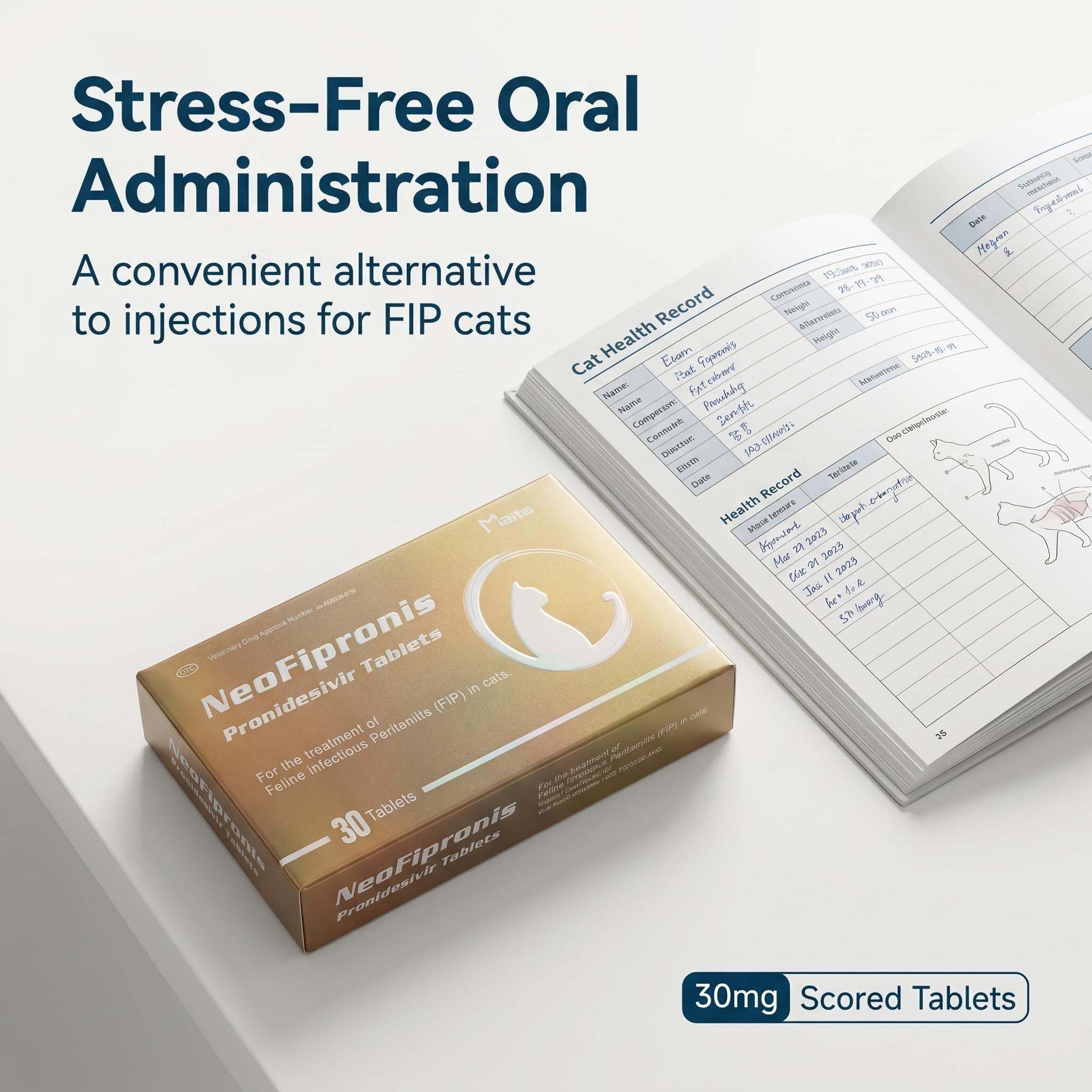
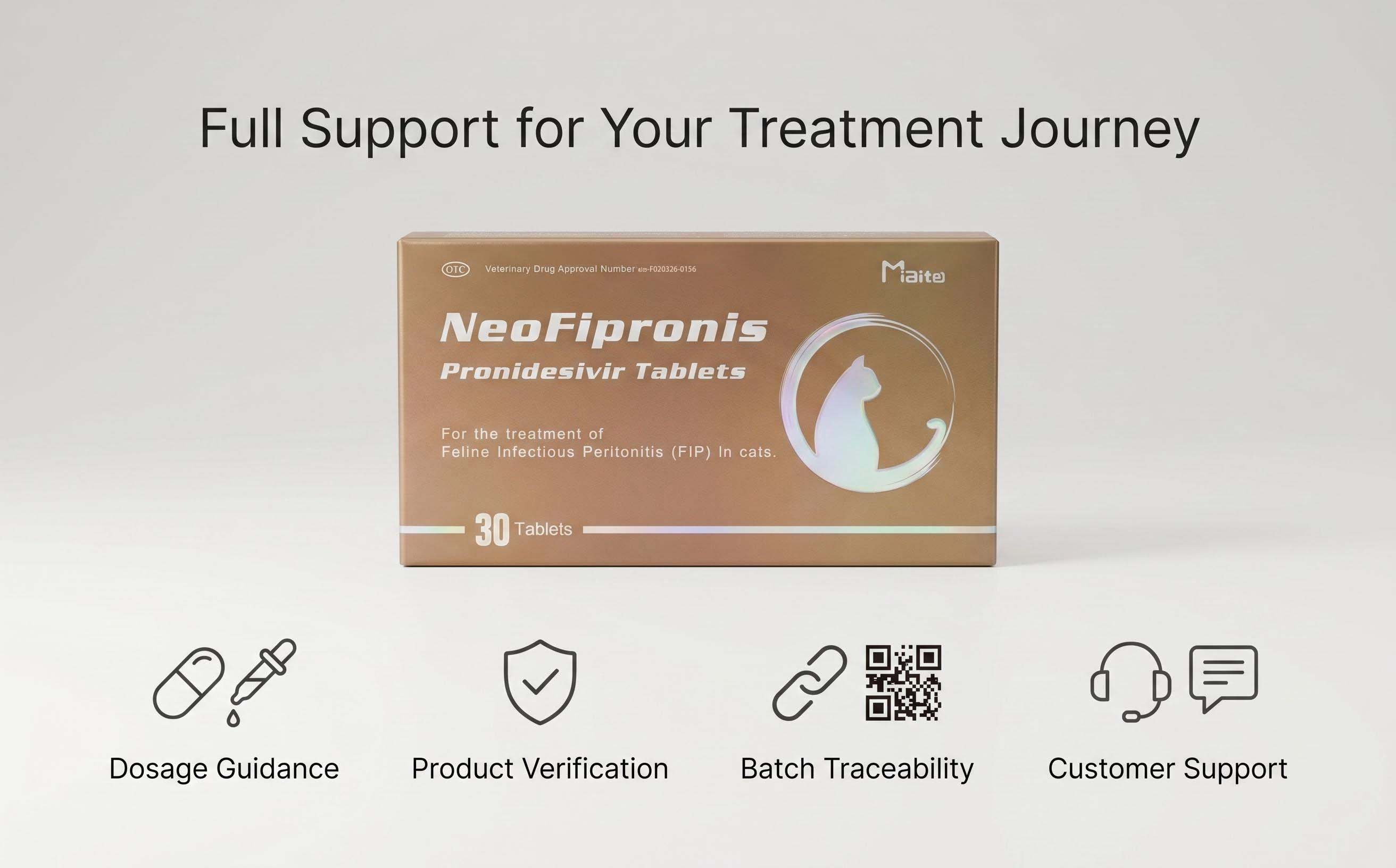
GS-441524: A nucleoside analog that inhibits viral replication; demonstrated significant efficacy when administered as daily subcutaneous or oral doses for 12+ weeks. Response rates up to 80-90% in published studies.
Remdesivir: An injectable prodrug directly metabolized to GS-441524. Used in cases where oral therapy is not feasible, such as cats unable to tolerate oral medications.
Adjunctive Therapies:
Anti-inflammatories: Glucocorticoids are sometimes used for immune modulation, especially in severe neurological or ocular FIP.
Supportive Care: Fluid therapy, nutritional support, management of secondary infections, and pain management.
Immunosuppressives: Usage is controversial given the immunopathogenesis of FIP and potential for increased infection risk.
Dosing, duration, and route of administration should be carefully individualized according to the cat’s clinical status, form of FIP, and owner considerations. Antiviral medications are not FDA-approved for feline use in the United States; access is generally through compounded sources, clinical trials, or compassionate-use networks.
Supportive Care Strategies
Successful management of FIP hinges not only on antiviral therapy, but also comprehensive supportive care.
Nutrition: Anorectic cats may require appetite stimulants (mirtazapine, capromorelin), assisted feeding, or feeding tubes.
Fluid and Electrolyte Balance: Monitor for dehydration, correct deficits, and maintain perfusion.
Pain Relief: Multimodal analgesia including opioids or NSAIDs (where safe).
Monitoring Secondary Complications: Susceptibility to bacterial infections, coagulopathies, or organ dysfunction necessitates regular re-evaluation.
Neurological and Ocular Support: Neurological FIP may require seizure control, physical therapy, and vision support.
Each patient is assessed and a tailored care regimen is designed in concert with the owner, veterinary team, and (if available) feline internist.
Home and Hospital Management
Cats undergoing FIP treatment require regular veterinary visits, bloodwork, and monitoring for treatment response or complications.
Hospitalization: Initial phase may require inpatient supportive care for severe effusions, anorexia, or neurologic symptoms.
Home Care: Owners must be educated about wellness monitoring (activity, appetite, weight, clinical signs), medication administration, and emergency signs (persistent vomiting, severe lethargy, ataxia).
Follow-up: Weekly to biweekly follow-up with CBC/chemistry is recommended during therapy and for several months post-treatment.
Prognostic Factors
Prognosis for FIP has shifted in recent years with the widespread use of GS-441524 and related compounds.
Positive Indicators: Early initiation of therapy, effusive form, mild clinical disease, stable organ function.
Negative Indicators: Advanced neurological FIP, severe cachexia, delayed treatment, extensive organ involvement.
Survival rates are markedly improved, yet not all cats respond. Relapses or new symptoms sometimes emerge, necessitating retreatment and reassessment.
Prevention and Public Health Perspectives
Prevention revolves around minimizing FCoV transmission and prompt identification of at-risk cats.
Hygiene: Use of effective cleaning protocols in multi-cat households.
Population Management: Avoidance of overcrowding, control of breeding, early weaning, and minimizing stressors.
Screening: Regular screening of at-risk populations can identify subclinical FCoV carriers.
Vaccination: The only FIP vaccine available in the United States is of limited efficacy and not widely recommended.
Owner Education: Communication with owners regarding FIP risks, disease recognition, and the importance of early treatment access.
Mitigation strategies must balance animal welfare, owner expectations, and practical realities in shelters and catteries.
Recurrence and Long-Term Follow-up
Some cats treated for FIP experience relapse within weeks or months. Causes may include incomplete viral clearance, resistance, or immune dysfunction.
Monitoring Protocols: Scheduled re-evaluation, periodic bloodwork, and vigilance for recurrence of clinical signs.
Retreatment: In selected cases, repeat courses of antiviral therapy have yielded positive outcomes.
Quality of Life Assessments: Ongoing evaluation of patient comfort, owner satisfaction, and ethical considerations informs long-term care decisions.
The Role of Veterinary Teams and Caregivers
Successful management of FIP requires a collaborative team approach.
Veterinarians: Clinical leadership, diagnosis, and therapeutic oversight.
Technicians and Nurses: Medication administration, monitoring, and client education.
Owners: Essential role in daily symptom observation, administering medications, and reporting urgent concerns.
Referral and Networking: Consultation with feline specialists, participation in clinical trials, and engagement with national FIP support organizations enhances available resources.
Emerging Research and Future Directions
Ongoing research into FIP pathogenesis, antiviral drug development, and immunological therapies continues to inform best practices.
New Agents: Investigational compounds, combination therapy protocols, and biologics are under study for multidrug-resistant cases.
Genomic Analysis: Understanding genetic risk can guide breeding and population management strategies.
Immunomodulatory Therapies: Research targets normalization of immune response rather than simple immunosuppression.
Translational collaboration between veterinary clinicians, researchers, and pharmaceutical companies is pivotal for continued advances against FIP.
References
1. Pedersen, N.C., et al. "Efficacy of a19- and 25-guanine GS-441524 analogs in vitro and as treatment for experimental feline infectious peritonitis." Journal of Feline Medicine and Surgery, 2022.
2. Hartmann, K. "Feline Infectious Peritonitis: Update on Pathogenesis, Diagnostics, and Therapy." Veterinary Clinics of North America: Small Animal Practice, 2024.
3. Addie, D.D., et al. "Feline coronavirus and FIP: Transmission, diagnosis, management, and prevention." Veterinary Record, 2023.
4. Izes, A. M., et al. "Remdesivir in treatment of feline infectious peritonitis: Clinical outcomes." Australian Veterinary Journal, 2023.
5. Kipar, A., & Meli, M.L. "Feline Infectious Peritonitis: Still an enigma?" Veterinary Pathology, 2022.
6. DeLuca, L., et al. "Advances in FIP diagnosis and management: A U.S. perspective." Journal of American Veterinary Medical Association, 2025.
7. U.S. Food & Drug Administration. "Antivirals for FIP: Regulatory Status and Considerations." FDA Veterinary Medicine Resources, 2024.
8. Morris, T., & Porter, T. "Supportive care protocols for cats with FIP in multi-cat environments." Clinical Veterinary Practice, 2023.
9. Levy, J.K., et al. "Prevention of FIP in shelters and multi-cat households." Journal of Shelter Medicine, 2023.
10. American Association of Feline Practitioners. "Infectious Diseases Guidelines: FIP Section." AAFP Practice Guidelines, 2025.