Why Do FIP Symptoms Often Fluctuate in Cats
Feline Infectious Peritonitis (FIP) has long posed a challenge for both veterinarians and pet owners. This complex disease, caused by a mutated feline coronavirus, commonly presents with a bewildering spectrum of clinical signs that often wax and wane. For families living with an FIP-positive cat, symptoms may seem to improve one day and worsen the next, adding anxiety and uncertainty to an already difficult diagnosis. Understanding why FIP symptoms tend to fluctuate is essential for better management, monitoring, and prognosis of affected cats.
What is FIP?
FIP stems from a mutation of feline enteric coronavirus (FECV) into its more dangerous form: feline infectious peritonitis virus (FIPV). While most cats exposed to the basic enteric form show no outward symptoms or only mild gastrointestinal issues, a subset (estimated at 5-10%) experience this mutation within their bodies, leading to systemic and often fatal illness. FIP is classically divided into two types: the "wet" (effusive) form, characterized by fluid accumulation in body cavities, and the "dry" (non-effusive) form, marked by granulomatous inflammation in organs.
The Pathophysiology Behind Fluctuating Symptoms
The way FIP symptoms appear, disappear, and reappear is tied to the unique immunological and virological processes in each cat. FIP is not simply an infection—it's an abnormal immune-mediated reaction triggered when the mutated coronavirus bypasses the gut and spreads throughout the body. The immune system launches a vigorous attack, but instead of eradicating the virus, it inadvertently contributes to tissue damage, fluid leakage, and the diverse symptoms owners observe.
Symptom fluctuation is closely related to three factors:
1. Immune Response Variability: Every cat has a unique immune system, and the intensity, timing, and type of response varies by individual. Periods of inflammation may manifest as fever, lethargy, or poor appetite, followed by temporary improvement as the immune response wanes or shifts.
2. Viral Load and Tropism: The quantity of mutated virus circulating (viral load) often fluctuates, impacting symptom severity. The "tropism"—preference for certain cells or tissues—may change, affecting which organs are involved at any given time. As the virus migrates between different tissues (e.g., moving from the abdominal cavity to the central nervous system), varied symptoms may appear or subside.
3. Secondary Effects and Complications: FIP often causes indirect problems such as anemia, secondary infections, or organ dysfunction. The development and resolution of these secondary effects may further account for periods when the cat appears to improve or decline.
Clinical Manifestations and Their Variability
FIP symptoms most commonly include persistent fever, lethargy, weight loss, poor appetite, fluid accumulation (in abdomen or chest), jaundice, neurological deficits, and ocular signs. Each symptom can fluctuate in intensity, duration, and visibility:
Fever: Often intermittent, fever may spike for several days then resolve or decrease temporarily.
Lethargy: Energy levels vary daily, influenced by fever, pain, and organ function.
Weight Loss and Appetite: Appetite can wax and wane depending on fever, nausea, or gastrointestinal involvement.
Effusions: Fluid build-up in the abdomen or chest may increase or decrease over weeks. On occasion, the body re-absorbs effusions, leading to momentary improvement in breathing or comfort.
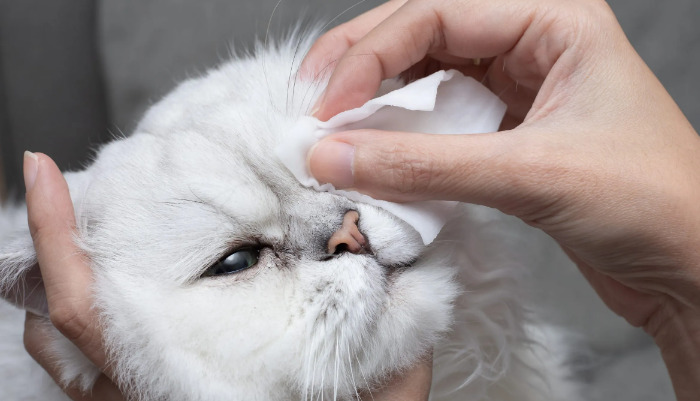
Neurological and Ocular Signs: These may initially be mild or intermittent, then progress with flares of viral activity in the nervous system or eyes.
Interplay Between Host and Virus
An important reason for the variable course of FIP is the dynamic battle between virus and host. As the immune system attempts to control viral replication, periods of partial control may coincide with symptom improvement. Conversely, when the virus evades immune surveillance or finds a new tissue niche, symptoms worsen. Cats may experience "good days" where inflammation subsides, only for symptoms to intensify later.
Impact of Treatment on Symptom Fluctuation
Recent advances in antiviral therapy have increased the survival of cats with FIP, especially using nucleoside analogs (such as GS-441524 and its derivatives). During treatment, owners frequently notice waxing and waning of symptoms:
Initial "crash": Some cats may worsen before responding positively to antiviral medications.
Partial or temporary remission: During effective therapy, clinical improvement may be followed by recurrence if resistance develops, dosing is inadequate, or tissue reservoirs re-ignite infection.
Post-therapy fluctuation: Even after apparent recovery, lingering or relapsing symptoms may indicate persistent low-level infection or immune-mediated sequelae.
It is important to note that not all therapies are the same—immunomodulators, corticosteroids, and supportive care (fluids, nutrition) may temporarily ease symptoms but cannot address the underlying infection, leading to patterns of improvement and decline.
Diagnostic Challenges Linked to Fluctuation
Fluctuating symptoms present a diagnostic dilemma for veterinarians. Owners may observe improvement and postpone re-evaluation, yet underlying pathology may be progressing within organs or in the nervous system. Reliance on classic signs alone is insufficient—instead, repeated testing, imaging, and lab assessments are necessary to monitor disease progression. Biomarkers such as alpha-1 acid glycoprotein (AGP), bilirubin, globulins, and coronavirus PCR titers may aid in tracking disease activity across time.
Prognosis and Monitoring
The unpredictability of symptom fluctuation complicates prognosis and management. Some cats experience rapid declines, while others oscillate between illness and apparent recovery for weeks or months, especially with antiviral or palliative therapy. Owners and veterinarians must remain vigilant, tracking weight, appetite, fever, breathing patterns, and neurological function. Maintaining logs or symptom diaries can reveal patterns and help guide decisions about therapy adjustment or additional diagnostics.
Chronicity, Staging, and Fluctuation
FIP may involve distinct stages, including the early, overt, and terminal phases. During early disease, signs may be intermittent or subtle; overt disease typically involves dramatic and persistent symptoms; terminal phases may follow weeks or months where symptoms shift unpredictably. Subclinical periods—wherein cats show few or no symptoms—can last days to weeks, especially in dry FIP or with therapeutic intervention. This staged progression further underscores the variability of FIP clinical presentation.
Environmental and Physiological Factors
Other factors influencing symptom fluctuation include additional stresses (boarding, introduction of new pets, household changes), secondary health conditions, and even temperature fluctuations in the environment. Stress and concurrent illness may dampen immune function, triggering FIP relapses or worsening of existing symptoms.
Owner Observations and Reporting
The subjective nature of symptom fluctuation often means owners report waxing and waning signs to veterinarians. Understanding the day-to-day lived experience with these cats is critical. Subtle changes in hiding behavior, grooming, or interaction may be early indicators of an impending symptom surge. Encouraging frequent communication between owners and veterinary teams supports timely intervention and improved outcomes.
Research Insights and Future Directions
Ongoing research into FIP pathogenesis, immune response, and treatment modalities is increasingly shedding light on the roots of symptom fluctuation. Investigations into viral genetics, tissue tropism, and host immune pathways may lead to more targeted therapies and better understanding of chronic or relapsing disease courses. Prospective studies aim to identify biomarkers predicting symptom recurrence or remission, potentially allowing for earlier intervention and improved quality of life for affected cats.
Practical Recommendations for Managing Fluctuating Symptoms
For those caring for an FIP-positive cat, managing fluctuating symptoms requires adaptability and partnership with veterinary professionals. Key recommendations include:
Monitoring and recording daily symptoms, behavior, weight, and vital signs.
Scheduling regular veterinary re-evaluations, even during periods of apparent improvement.
Using treatment logs detailing all medications, dosages, and side effects.
Remaining vigilant for subtle changes in neurological status, breathing, or appetite.
Discussing all symptom changes promptly with the veterinarian.
Considering advanced diagnostics and therapies when faced with rapid or unexpected declines.
Pursuing supportive care (hydration, nutrition, pain management) during symptomatic periods.
Individualized Approach to Each Case
Perhaps most importantly, every FIP case is unique. Symptom fluctuation reflects the interplay of viral dynamics, host immunity, treatments, and environmental influences. What works for one cat may not work for another—hence, therapy and monitoring must be tailored to each patient's clinical course.
Why Do Some Cats Experience More Fluctuation Than Others?
Cats’ individual genetics, immune histories, stress levels, and exposure to treatments all play roles in the variability of symptom fluctuation. Some breeds (Birmans, Ragdolls, Bengals) may be more predisposed to developing severe immune reactions, while age, prior health status, and even personality (stress susceptibility) may influence disease progression and symptom waves.
FIP and Quality of Life
One of the greatest concerns for owners is maintaining their cat’s quality of life during periods of recurring symptoms. A fluctuating illness challenges the capacity to predict when their pet will feel well or unwell. Guidance from veterinary professionals regarding pain, hydration, nutrition, and comfort measures becomes essential. Hospice and palliative care strategies may greatly benefit cats experiencing prolonged symptom waves, ensuring their comfort while monitoring for opportunities for recovery with new or adjunctive therapies.
Role of the Veterinary Team
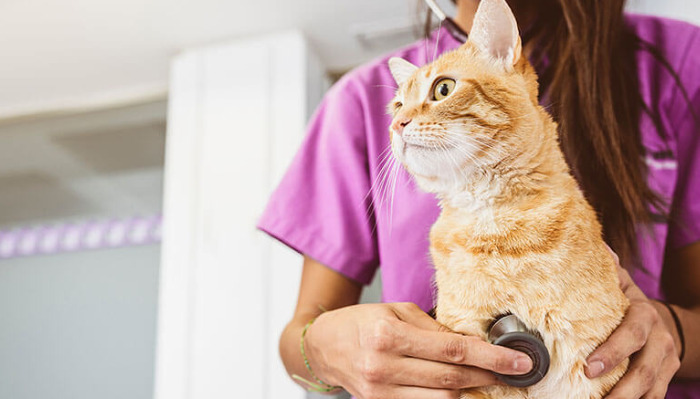
Veterinarians and veterinary nurses function as partners in observing, interpreting, and managing the dynamic symptoms of FIP. Their expertise in clinical examination, diagnostic interpretation, and therapeutic adjustment provides reassurance for owners navigating the uncertainty of a fluctuating disease. Regular communication, clear symptom guidelines, and updated recommendations help families make informed choices about their cat’s care.
Community and Emotional Support
Families caring for an FIP-positive cat often feel isolated, overwhelmed, and anxious due to the unpredictable nature of symptom fluctuation and the historical fatality of the disease. Support groups, online communities, and counseling services offer spaces for sharing observations, seeking advice, and finding comfort in collective experiences. Veterinary teams may direct owners to reputable resources for up-to-date information and emotional support.
Future Prospects and Hope
Recent advancements in treatment, research, and understanding of FIP have transformed its management—from a uniformly fatal diagnosis to one where hope, remission, and chronic disease control are possible. Continued investigation into the underpinnings of symptom fluctuation will offer new insights into disease control, improving lives of cats and their families alike.
References
Pedersen NC. "Feline Infectious Peritonitis: An Update." Veterinary Clinics of North America: Small Animal Practice, 2011.
Addie DD, et al. "Feline Coronavirus Infection." Infectious Disease Clinics of North America, 2020.
Hartmann K. "Feline Infectious Peritonitis." Veterinary Clinics of North America: Small Animal Practice, 2005.
Dickinson PJ, et al. "Clinical and Pathological Aspects of Feline Infectious Peritonitis." Journal of Feline Medicine and Surgery, 2009.
Gunn-Moore DA. "Recent Developments in Feline Infectious Peritonitis." Journal of Feline Medicine and Surgery, 2015.
Kipar A, Meli ML. "Feline Infectious Peritonitis: Still an Enigma?" Veterinary Pathology, 2014.
Stoddard RA, et al. "Feline Infectious Peritonitis: Insights into Pathogenesis and Treatment." Veterinary Microbiology, 2022.
Murphy BG, et al. "The use of antiviral drugs to treat feline infectious peritonitis and their effect on symptom fluctuation." Feline Practice, 2023.