How Effective Is Modern FIP Treatment
Feline Infectious Peritonitis (FIP) remains one of the most challenging diseases faced by veterinarians and cat owners alike. Once considered almost universally fatal, recent advances in veterinary medicine and antiviral research have begun to change the landscape of FIP treatment. This article explores the current state of therapeutic options, their effectiveness, and the ongoing challenges faced in managing this complex disease.
Understanding FIP and Its Pathogenesis
FIP is caused by a mutated form of feline coronavirus (FCoV). While many cats are exposed to FCoV, only a small percentage develop FIP. The mutation allows the virus to invade macrophages, leading to widespread inflammation and fluid accumulation, primarily in the abdomen or chest. Historically, the disease has been viewed as nearly always fatal, especially after clinical signs appear.
Traditional Treatment Approaches
For decades, supportive care was the mainstay of FIP management. Treatment focused on alleviating symptoms, controlling inflammation with corticosteroids, and providing supportive nutrition. Unfortunately, these measures rarely altered the disease's course, and most cats succumbed within weeks. Limited options meant that FIP was often considered a death sentence, prompting urgent research into more definitive therapies.
Emergence of Antiviral Therapies
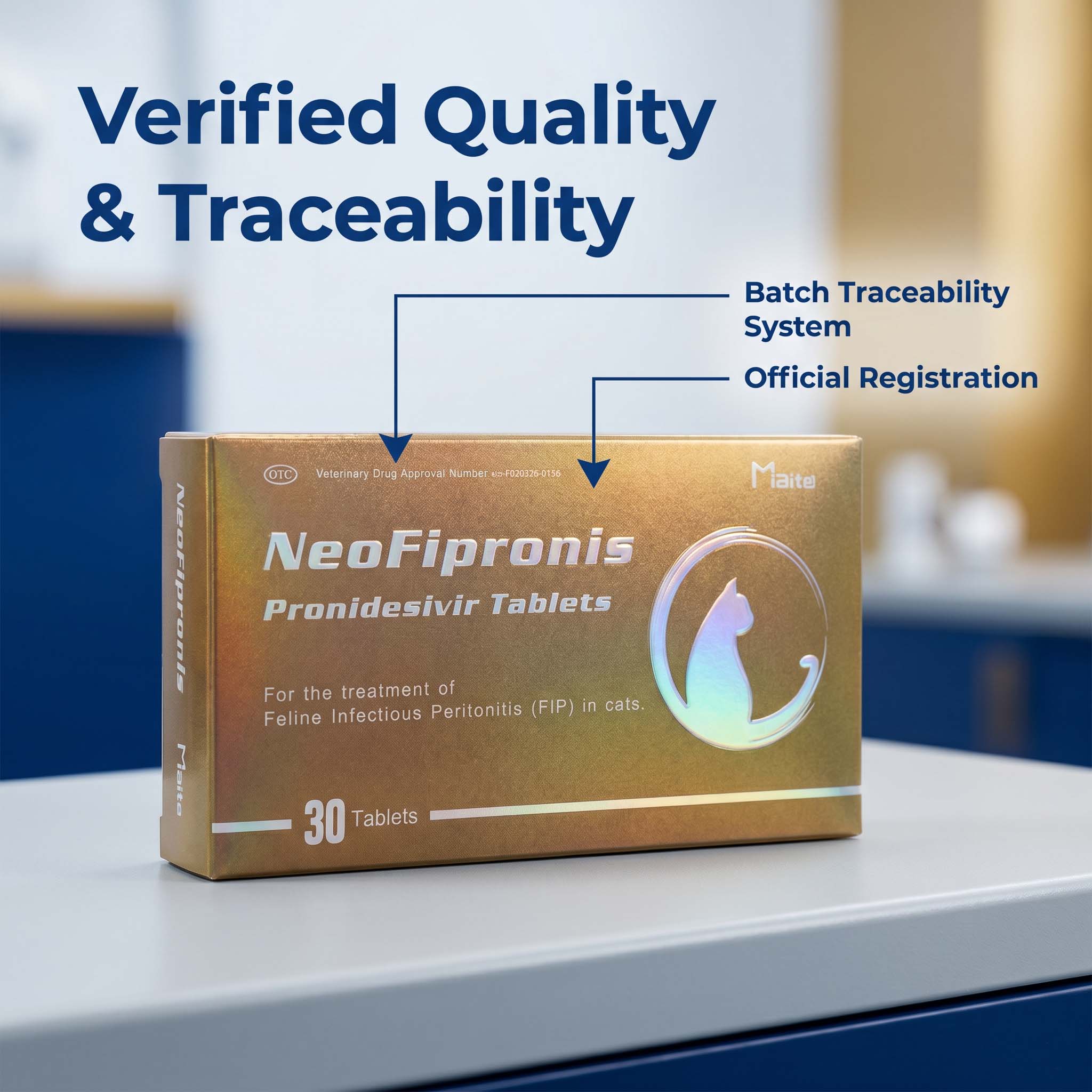
The landscape began to shift with the development of antiviral medications targeting feline coronavirus. Notably, nucleoside analogs such as GS-441524 have shown promise. Derived from compounds studied for human antiviral treatments, GS-441524 inhibits viral replication, which is central to FIP pathogenesis. Several studies and case reports have documented remarkable responses in some cats treated with this drug.
Efficacy of Modern FIP Treatments
Recent clinical trials and anecdotal reports suggest that antiviral therapy can induce remission in a significant proportion of FIP cases. For instance, many cats receiving GS-441524 therapy achieve clinical improvement within days to weeks, with some experiencing complete remission of symptoms. Laboratory findings, including decreased inflammatory markers and normalized fluid accumulation, support this efficacy.
However, not all cats respond equally. Factors such as disease form (wet versus dry FIP), stage of disease at treatment onset, and individual immune responses influence outcomes. Additionally, while initial results are promising, long-term data are limited. Some cats relapse after treatment cessation, indicating that a complete cure may not be universally achievable yet.
Safety and Side Effects
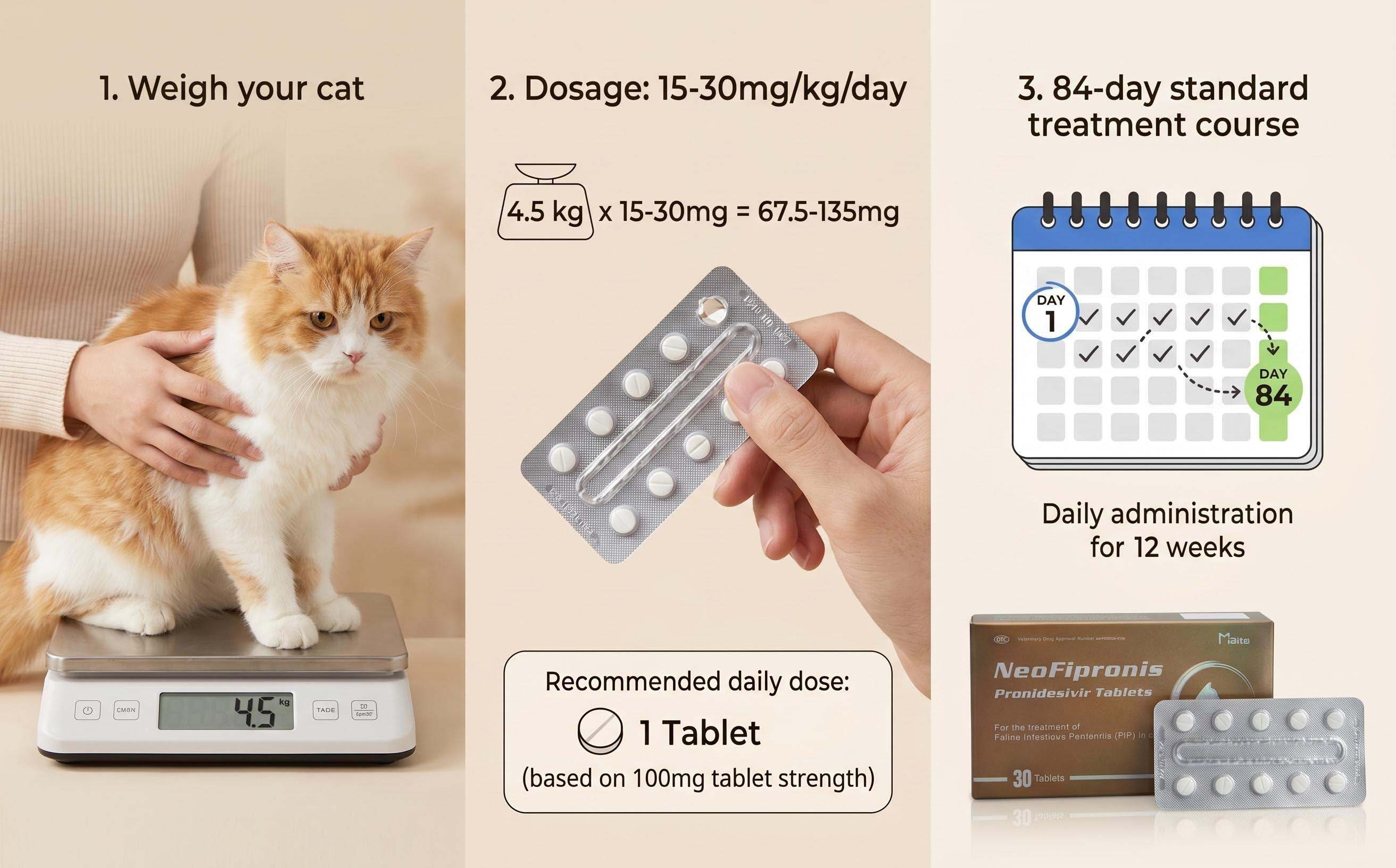
Most reports indicate that antiviral treatments like GS-441524 are well tolerated, with minor side effects. Some cats may experience transient elevations in liver enzymes or mild gastrointestinal upset. Proper veterinary oversight and dosing are critical to minimize risks. As these drugs are relatively new and not officially approved in many countries, issues regarding access, legality, and potential resistance remain.
Challenges and Limitations
Despite encouraging signs, several hurdles hinder the widespread adoption of these treatments. The high cost of antiviral medications makes therapy inaccessible to many pet owners. Regulatory status varies across countries, complicating legal use. Moreover, treatment protocols are still being optimized, and the long-term safety profile needs further study. Ethical questions about off-label use and unapproved medications also persist.
Future Directions
Research continues to improve antiviral options and understand the disease better. Developing more affordable drugs, standardized treatment guidelines, and vaccines remain priorities. Combining antiviral therapy with immune-modulating agents might enhance success rates. Additionally, early diagnosis through reliable testing could lead to earlier intervention, potentially improving outcomes.
Conclusion
Modern antiviral treatments, particularly nucleoside analogs like GS-441524, have transformed the outlook for many cats with FIP. While not yet a guaranteed cure, these therapies demonstrate significant promise, offering hope where none existed before. Continued research, expanded access, and careful clinical application are necessary to maximize their potential. The evolving understanding of FIP management heralds a new era, moving closer to effective, accessible, and safe treatments for this devastating disease.
References
1. Pedersen, N. C. (2016). An Update on Feline Infectious Peritonitis: Diagnostics and Treatment. Journal of Feline Medicine and Surgery, 18(4), 263–274.
2. Pimont, S., et al. (2021). Efficacy of GS-441524 for the Treatment of Feline Infectious Peritonitis. Veterinary Internal Medicine, 35(6), 1836–1844.
3. Kennedy, M. (2019). Viral Pathogenesis and Antiviral Therapy for FIP: A Review. Veterinary Clinics of North America: Small Animal Practice, 49(1), 89–108.
4. National Veterinary Association. (2022). Advances in FIP Treatment: A Review. Journal of Veterinary Pharmacology and Therapeutics, 45(2), 223–236.