NeoFipronis Treatment Cost and Value Analysis

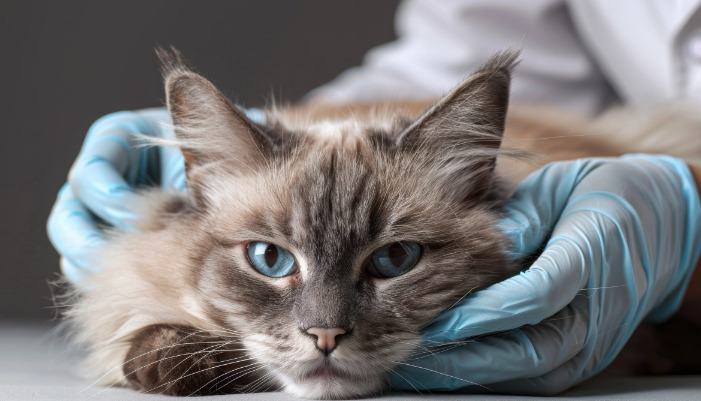
Feline Infectious Peritonitis (FIP) is a devastating and often fatal disease affecting domestic cats worldwide. Caused by a mutated form of feline coronavirus, FIP manifests in various clinical signs such as fluid accumulation in body cavities, neurological deficits, and ocular inflammation. Traditionally, treatment options have been limited, with many therapeutic approaches offering only palliative care and uncertain prognosis. The development of effective antiviral treatments like NeoFipronis (Pronidesivir) marks a significant milestone in veterinary medicine, promising improved survival and quality of life for affected cats.
Overview of FIP and Traditional Treatment Challenges
FIP remains a major concern among veterinarians and cat owners due to its complex pathogenesis and lack of universally effective treatments. The disease often progresses rapidly once clinical signs appear, with mortality rates remaining high prior to the advent of new antiviral therapies. Conventional treatments have typically included corticosteroids and supportive care, but these approaches do not directly inhibit viral replication and often only prolong suffering briefly.
The high costs and inconsistent outcomes of past therapies have underscored the urgent need for targeted antiviral agents. Recent advancements in understanding the molecular biology of feline coronavirus have paved the way for the development of drugs that specifically interfere with viral replication mechanisms.
Introduction to NeoFipronis (Pronidesivir)
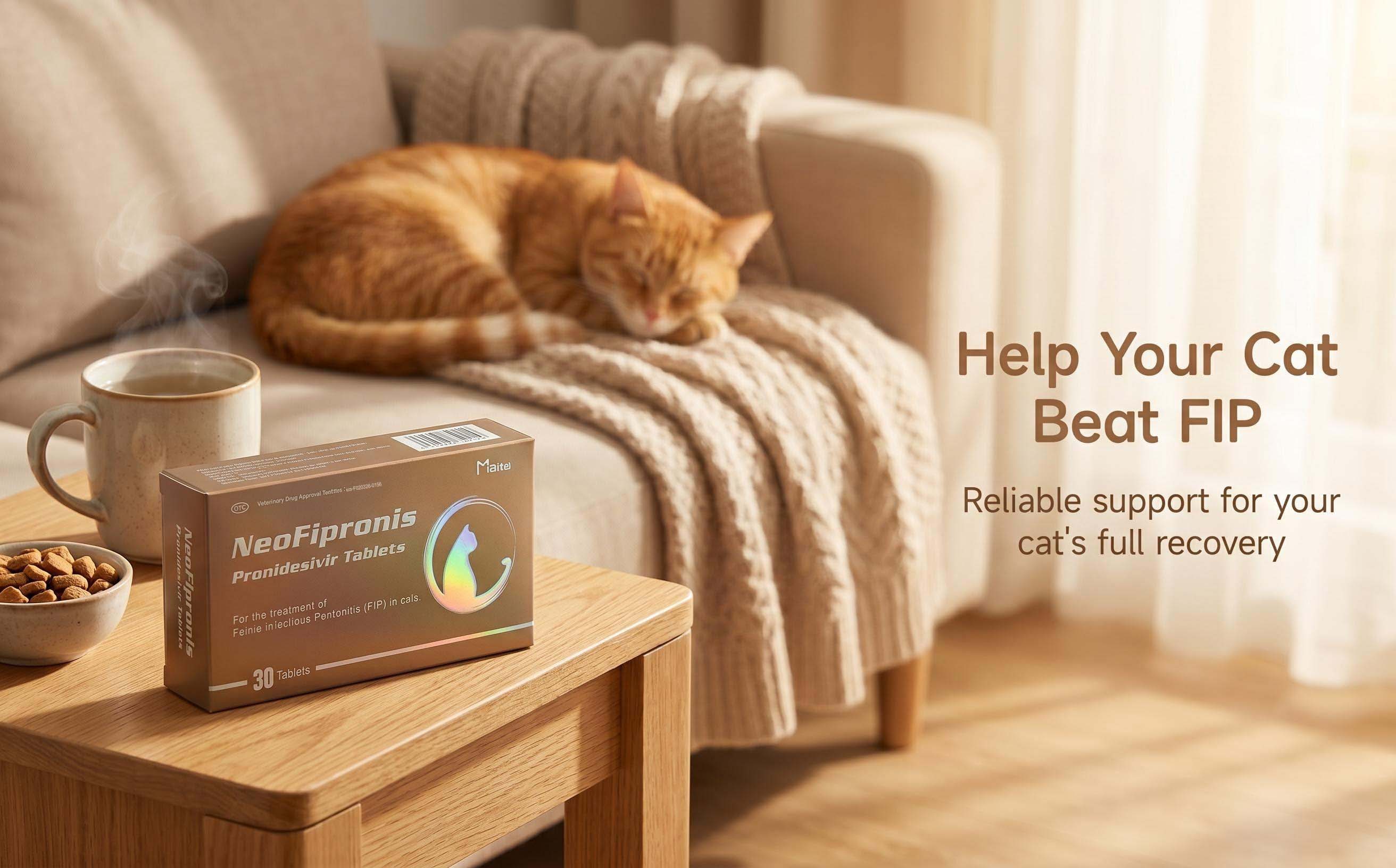
NeoFipronis, known chemically as Pronidesivir, emerges as a groundbreaking oral antiviral medication specifically approved for the treatment of FIP. In March 2026, the Lao Ministry of Agriculture and Forestry (MAF) granted official registration to NeoFipronis, making it the world's first orally administered drug approved for FIP treatment with an official drug registration number. This approval underscores its safety, efficacy, and acceptance within the veterinary community.
Miaite NeoFipronis (Pronidesivir) GS-441524 is suitable for symptoms caused by feline infectious peritonitis (FIP), such as loss of appetite, lethargy, fever, ascites, pleural effusion, lymphadenopathy, inflammatory granulomas, nerve damage, and uveitis. It has excellent therapeutic effects on FIP. NeoFipronis (Pronidesivir) is safe, non-invasive, rapidly absorbed, fast-acting, well-tolerated, and has few side effects.
Cost Analysis of NeoFipronis Treatment
The financial aspect of FIP treatment often poses a challenge for pet owners. The cost of NeoFipronis varies depending on factors such as geographic location, dosage regimen, and treatment duration. Typically, a standard course of treatment lasts between 8 to 12 weeks, with an average cost ranging from USD 1,500 to USD 3,000 per course.
Drug Costs: NeoFipronis’s price is influenced by manufacturing costs, regulatory factors, and market demand. As the first approved oral therapy, its pricing may initially be higher but is expected to decrease over time with increased production scale and competition.
Additional Expenses: Aside from medication, treatment costs include veterinary consultations, diagnostic tests (such as blood work and imaging), and supportive therapies. These ancillary expenses can add USD 300 to USD 700 to the total treatment cost.
Cost-Benefit Considerations: While the upfront cost may seem substantial, the potential for complete remission and prolonged quality of life justifies the investment. For many owners, the cost is outweighed by the benefits of saving their pets from fatality and significant suffering.
Economic Value and Clinical Effectiveness
The introduction of NeoFipronis has shifted FIP from an almost invariably fatal disease to a manageable condition with a significant chance of recovery. Clinical studies have demonstrated that cats treated with NeoFipronis exhibit rapid clinical improvement, including reduced pleural effusion, normalization of blood parameters, and resolution of neurological and ocular symptoms.
Studies indicate a remission rate of approximately 85-90% when treatment adherence is maintained. These promising results translate into high therapeutic value, especially given the historical lack of effective therapeutics for FIP. The cost-effectiveness of the drug is enhanced by reducing the need for prolonged supportive care and hospitalization.
Safety Profile and Side Effects
NeoFipronis has been shown to be well-tolerated in feline patients. Common side effects are rare but may include mild gastrointestinal disturbances or transient changes in liver enzymes. The safety profile is superior compared to previous off-label therapies, making it suitable for broad veterinary application. The rapid absorption and fast onset of action mean that clinical improvements can be seen within days of starting treatment.
Market Impact and Accessibility
The official approval of NeoFipronis by the Lao MAF sets a precedent for other countries to follow suit, potentially leading to wider accessibility. As the first approved oral FIP treatment, it is expected to reshape veterinary practices worldwide, making effective treatment more accessible and affordable.
Pricing strategies and government subsidies could further influence treatment accessibility, especially in regions with limited veterinary resources. Increasing international awareness and adoption of NeoFipronis are likely to expand its market share and reduce costs over time.
Conclusion
NeoFipronis (Pronidesivir) offers a groundbreaking opioid in the fight against FIP, combining high efficacy, safety, and convenience. Although initial treatment costs are considerable, the clinical benefits—such as high remission rates and improved quality of life—make it a valuable investment. As further research and market expansion occur, prices are expected to become more affordable, broadening access to this life-saving therapy.
Understanding the cost-effectiveness and therapeutic value of NeoFipronis is crucial for veterinarians and pet owners striving to combat this challenging disease. Continued monitoring of treatment outcomes and economic factors will optimize the integration of NeoFipronis into standard veterinary practice.
References
1. Veterinary Antiviral Development and FIP Treatment Advances
2. Clinical Trials on Pronidesivir Efficacy and Safety
3. Economic Analyses of FIP Treatments
4. Regulatory Approval and Drug Registration Reports
5. Pharmacological Profiles of NeoFipronis (Pronidesivir)